PCOS
Reviewed by medical experts · For informational purposes only
Introductory summary
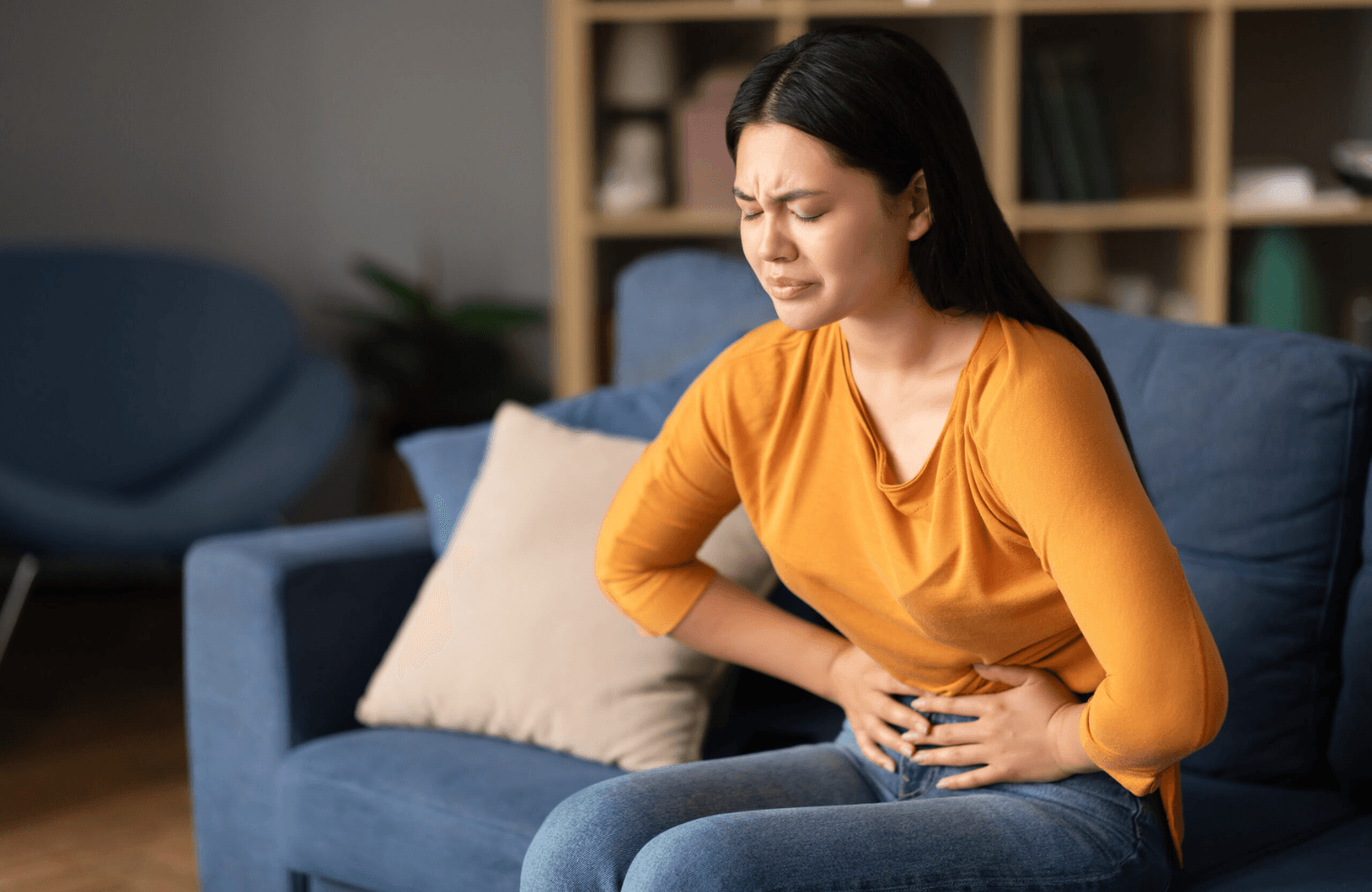
Polycystic Ovary Syndrome is understood in Ayurveda through conditions like Yonivyapat, Granthi, and Artava-dosa. It involves an obstruction in the Artava-vaha srotas, where vitiated Kapha and Meda form cysts. Primarily a Kapha-Vata imbalance, it stems from sedentary lifestyles and heavy diets that impair metabolic fire. Symptoms include irregular menstruation, obesity, and infertility. Diagnosis focuses on detecting the current imbalance, or Vikriti. Management centers on restoring equilibrium through channel-clearing diets and exercise. Treatments include formulations like Chandraprabha Vati and medicated enemas to reduce obstructions. Panchakarma therapies are vital for addressing deep-seated metabolic issues.
Polycystic Ovary Syndrome (PCOS)
Polycystic Ovary Syndrome (PCOS) is a complex metabolic and reproductive disorder that affects individuals with ovaries. In Ayurveda, the ancient "Science of Life," PCOS is not described as a single disease but is understood through a combination of conditions such as Yonivyapat (disorders of the female reproductive system), Granthi (cysts), Artava-dosa (menstrual disorders), and Sthaulya (obesity). It is considered a multi-systemic imbalance involving the body's bio-energies (Doshas), tissues (Dhatus), and metabolic fire (Agni).
2. Etymology & Conceptual Meaning
- Literal Meaning: "Polycystic" refers to multiple cysts (fluid-filled sacs) in the ovaries.
- Ayurvedic Interpretation: Conceptually, Ayurveda views this as an obstruction in the Artava-vaha Srotas (the channels carrying reproductive tissue). The formation of "cysts" is seen as Granthi—a localized accumulation of vitiated Kapha and Meda (fat) that has been hardened by Vata.
3. Causes (Nidana)
Ayurveda attributes the onset of such disorders to three main factors: Unsuitable contact with sense objects, Intellectual error (Prajnaparadha), and the Consequence of time.
- Dietary Causes: Habitual intake of heavy, sweet, cold, and fatty foods; over-eating; and consuming food before the previous meal is digested.
- Lifestyle Causes: Lack of physical exercise, daytime sleeping, and suppression of natural urges (such as menstruation or sleep).
- Psychological Factors: Excessive anxiety, grief, and anger, which impair the "digestive fire" (Agni) and lead to the buildup of toxins.
4. Journey of the Disease (Pathogenesis/Samprapti)
The progression of PCOS involves the following Ayurvedic components (Samprapti Ghataka):
- Dosha: Primarily an imbalance of Kapha (causing growth and stagnation) and Vata (causing irregular cycles), often with a Pitta secondary involvement (causing inflammation).
- Dushya (Affected Tissues): Rasa (plasma), Meda (fat), and Artava (reproductive tissue).
- Srotas (Channels): Obstruction (Srotorodha) in the Artava-vaha and Medovaha srotas.
- Agni (Metabolic Fire): Weakened digestive power (Mandagni) at the level of the tissues.
- Ama (Toxins): Buildup of undigested metabolic waste that blocks channels and impairs hormones.
- Adhisthana (Site): The uterus and ovaries (Yoni-Garbhashaya).
5. Symptoms (Lakshana)
- Early Symptoms: Irregular or scanty periods (Rajodosa/Rajokrcchra), heaviness in the body, and slow digestion.
- Advanced Symptoms: Absence of menstruation (Arajaska or Rajorodha), excessive hair growth on the face or body (hirsutism), obesity (Sthaulya), and difficulty in conceiving (Vandhyatva).
6. Different Type or Classification (Bheda)
Ayurveda classifies these imbalances based on the dominant Dosha:
- Vata-dominant: Characterized by painful, irregular, or scanty periods and anxiety.
- Pitta-dominant: Characterized by inflammation, acne, and irritability.
- Kapha-dominant: Characterized by significant weight gain, lethargy, and the formation of large, stable cysts.
- Sannipata: A complex state involving all three doshas.
7. Diagnosis
The Ayurvedic physician conducts a two-fold examination:
- Roga Pariksha (Disease Examination): Analyzing the strength of the cause, symptoms, and the stage of the disease.
- Rogi Pariksha (Patient Examination): A 10-fold examination (Dashavidha Pariksha) including body constitution (Prakriti), tissue excellence (Sara), and metabolic capacity.
- Differential Diagnosis: Differentiating PCOS from other uterine disorders like Gulma (abdominal lumps) or Prameha (metabolic/urinary disorders).
8. Disease Management
The goal is to restore the balance of the Doshas and clear the blocked channels.
- Diet (Ahara): Favoring light, warm, and non-saturating foods like barley, green gram, and honey. Avoiding heavy dairy, sweets, and excessive fats.
- Lifestyle (Vihara): Regular vigorous exercise, avoiding daytime sleep, and maintaining a regular sleep-wake cycle.
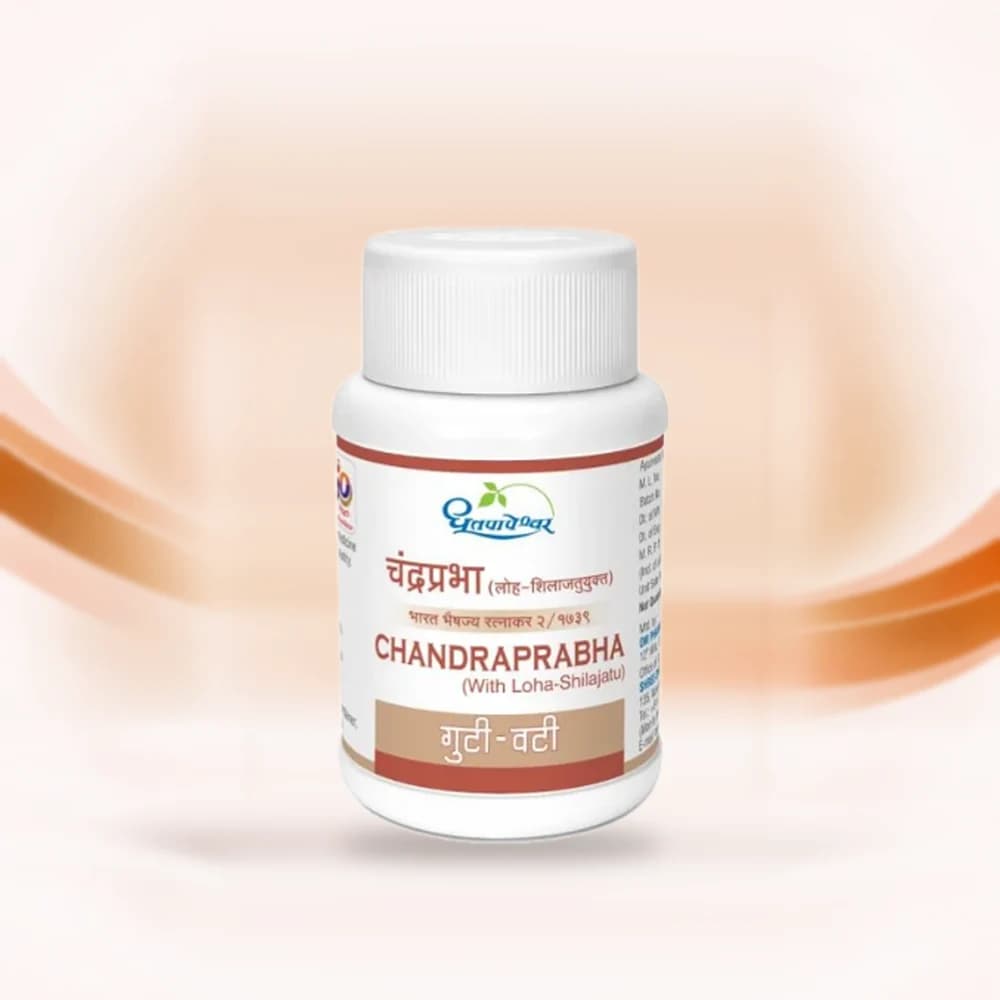
- Medicines: Common formulations include Phala Ghrita (for reproductive health), Chandraprabha Vati (for metabolic support), and Triphala Guggulu (to scrape excess fat and cysts).
- Panchakarma (Bio-cleansing):
9. Prognosis
- Early Prognosis: When detected early in a strong individual, the condition is considered Sadhya (curable) with proper diet and lifestyle.
- Chronic Prognosis: If deep-seated in multiple tissues (Dhatus) or involving all three doshas, it becomes Krcchrasadhya (curable with difficulty).
- Factors Affecting Outcome: Genetic factors, patient discipline in diet, and the strength of the patient's Agni.
10. Modern Correlations
- Similarities: Both systems recognize the link between obesity and metabolic dysfunction. PCOS matches the Ayurvedic descriptions of Medoroga (disorder of fat tissue) and its connection to infertility.
- Differences: Modern medicine focuses on hormonal replacement/suppression (pills), while Ayurveda focuses on Agni-deepana (kindling metabolism) and Srotas-shodhana (cleansing channels).
11. References
- Many women with PCOS remain undiagnosed, and the condition can persist beyond reproductive years, increasing risks for obesity and diabetes. (World Health Organization)
- “An Ayurvedic Approach of PCOS”
– Discusses PCOS symptoms (irregular menstrual cycles, obesity, infertility, hirsutism) in terms of Vata‑Kapha imbalance and Granthibhuta Artava Dushti. (ijapr.in) - “Ayurvedic Approach to PCOS — A Critical Review”
– Reviews classical Ayurvedic texts (e.g., Charaka Samhita) to correlate PCOS with concepts like Pushpaghni Jataharini, Aartavakshaya and metabolic imbalance. (irjay.com) - Clinical insights on Ayurvedic management
– Case studies show examples of Ayurvedic treatments (Shodhana/Shamana, Uttarbasti, herbal medicines) in PCOS management. (Jaims) - “A Review of Polycystic Ovarian Syndrome in Ayurveda”
– Summarizes the Ayurvedic lens on PCOS (Yoni Vyapad, diet, dincharya, detoxification, herbal remedies). (ACS Publisher) - WHO frames PCOS as a chronic endocrine and metabolic disorder with international epidemiology and diagnostic criteria. (World Health Organization)
- Ayurvedic research complements this with traditional diagnoses (Artava disorders, dosha imbalance, role of Agni & Ama) and therapeutic strategies like herbal formulations, Shodhana & Shamana therapies. (ijapr.in)
12. FAQ Section
-
Can diet alone cure PCOS?
While diet is the "first cure" and foundation, chronic cases often require Panchakarma to remove deep-seated toxins.
-
Is weight loss necessary?
Yes, in Ayurveda, reducing excess Meda (fat) is crucial for unblocking the reproductive channels.
-
Is honey good for PCOS?
Yes, honey is considered "rough" and "scraping," making it the best sweetener for Kapha-related obstructions.
-
Is fasting beneficial?
Yes, Langhana (lightening therapy/fasting) helps kindle the digestive fire and "burns off" the cysts.
Consult a Doctor
- MS4.2Midun s kumar
Ayurveda4 yrs exp
- SP4.5Dr Sreelekha P Nair
Ayurveda6 yrs exp
- VR4.2Vaidya Rohit Kumar
Ayurveda3 yrs exp
- V4.1Vairamuthu
Ayurveda8 yrs exp
Buy Medicine
 Prescribed to you4.4₹192 cashback
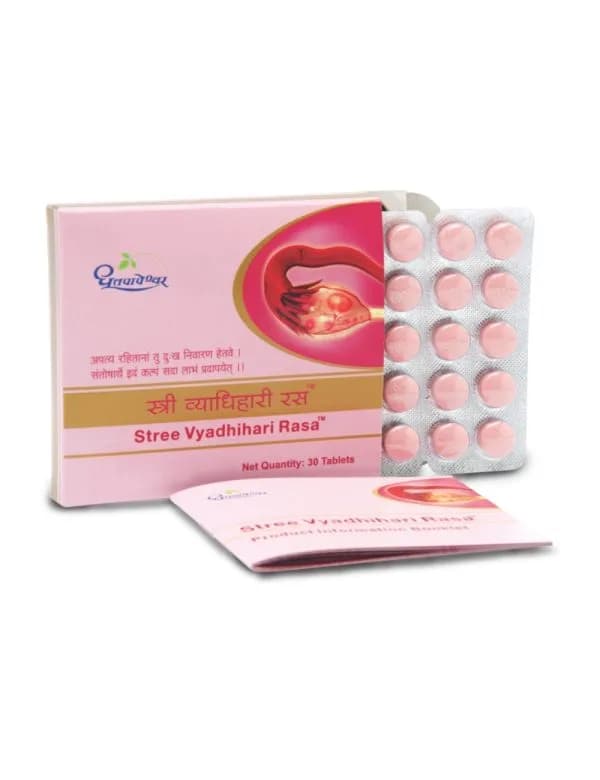
Stree Vyadhihari Rasa (Dhootapapeshwar) SDL
SDLमहिलाओं के चक्र और चयापचय
Strip of 30 Tablets
4.4
₹1,923.02Get ₹192 Cashback
 Prescribed to you4.6₹12 cashback
Chandraprabha (With Loha-Shilajatu) (Dhootapapeshwar)SDLSupports urinary function
Strip of 30 Tablets
4.6
₹128Get ₹12 Cashback