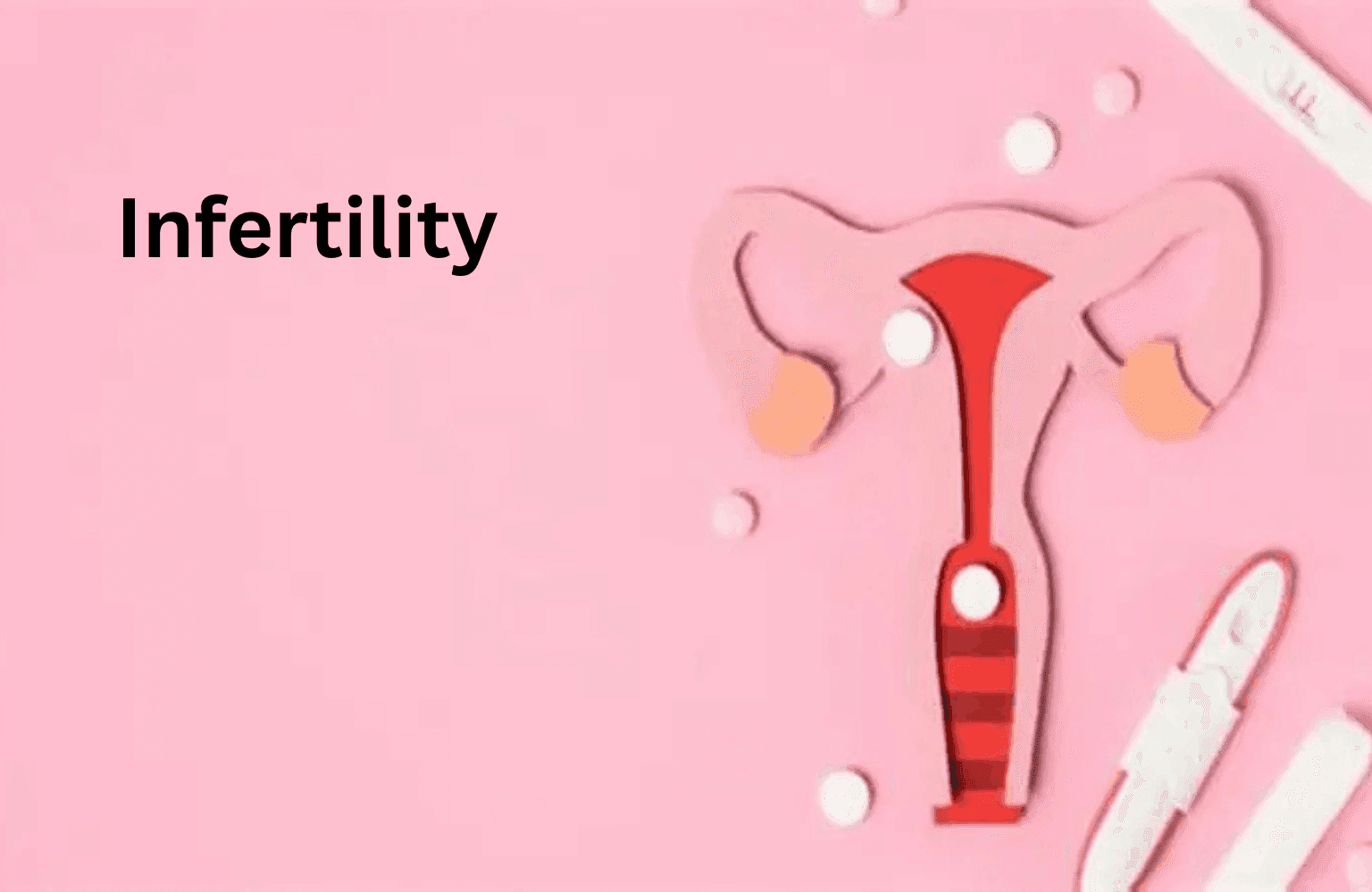
Infertility
Reviewed by medical experts · For informational purposes only
Introductory summary
In Ayurveda infertility is often identified as Vandhya regarding women or Kleeba concerning male impotence manifesting as a failure to produce healthy offspring. It results from defects in the essential procreative factors known as the Bija or seed Ksetra or uterus and Rtu or fertile timing,. Texts like the Charaka Samhita attribute this condition to genetic abnormalities or the vitiation of Doshas particularly Vata which can obstruct reproductive channels and damage the sperm or ovum,. Etiological factors include anxiety old age improper diet and excessive sexual indulgence which deplete the reproductive tissue called Shukra.
Infertility
Infertility is defined as the failure to conceive after regular unprotected intercourse. In Ayurveda, it is known as Vandhya and is explained under disorders of Shukra and Artava.[2] Classical texts emphasize progeny as essential for fulfillment of life goals (Purusharthas).[2][4]
Male sexual debility is described under Klaibya and Shukra Dosha.[3]
1. Definition
In Ayurvedic terms, Vandhyatva refers to the state of being barren or unable to procreate. It includes failure of conception, repeated miscarriages (Garbhasravi), or stillbirths. It is classified under Yonivyapat (female reproductive disorders) or defects of male reproductive element (Shukra Dosha).
2. Etymology & Conceptual Meaning
-
Literal Meaning: Vandhya means "barren" or "unfruitful."
-
Conceptual Interpretation: Conception is compared to the germination of a seed. Successful reproduction requires four essential factors:
- Ritu: Fertile period / ovulation timing.
- Kshetra: The field (uterus).
- Ambu: Water/nutrition for the fetus.
- Bija: Seed (healthy sperm and ovum).
Male sexual debility is specifically termed Klaibya.
3. Causes (Nidana)
Dietary Causes
-
Unwholesome Diet: Incompatible foods, or excessive dry, cold, pungent, bitter, or salty foods deplete reproductive fluids.
-
Malnutrition: Lack of nourishing foods causes Dhatu Kshaya, affecting reproductive tissues.
Lifestyle Causes
-
Sexual Habits: Excessive intercourse (Ati-maithuna), or suppression of natural urges, can cause Klaibya.
-
Physical Strain: Excessive exercise or genital trauma.
-
Suppression of Urges: Blocking urination, defecation, or flatulence aggravates Vata, obstructing reproductive channels.
Psychological Factors
Grief, fear, anger, jealousy, and worry affect conception or pregnancy maintenance.
4. Journey of the Disease (Pathogenesis/Samprapti)
-
Dosha: Primarily Vata (Apana Vayu), with possible involvement of Pitta and Kapha.
-
Dushya (Tissues): Shukra in men, Artava and Garbhashaya in women.
-
Srotas (Channels): Blockage of Shukravaha Srotas or Artavavaha Srotas prevents fertilization or implantation.
-
Bija (Genetic Material): Deep vitiation damages sperm/ovum, causing sterility or congenital defects.
5. Symptoms (Lakshana)
General Symptoms
- Failure to conceive despite unprotected intercourse.
Male Symptoms (Shukra Dosha)
-
Semen Defects: Frothy, thin, dry, putrid, bloody, or discolored semen.
-
Sexual Dysfunction: Difficulty in erection (Klaibya), premature ejaculation, or pain during ejaculation.
Female Symptoms (Yonivyapat)
-
Menstrual Irregularities: Painful menstruation (Yonishula), absent menstruation (Nashtartava), excessive discharge (Pradara).
-
Uterine Disorders: Recurrent miscarriages (Putraghni).
6. Different Types or Classification (Bheda)
-
Vandhya: Absolute sterility.
-
Sapraja: Secondary infertility.
-
Garbhasravi / Mritavatsa: Repeated abortions/stillbirths.
-
Defects of Semen: 8 types (Vata, Pitta, Kapha-based).
-
Uterine Disorders (Yonivyapat): 20 types leading to infertility.
7. Diagnosis
Ayurvedic Diagnosis
-
Examination of Reproductive Fluids: Healthy semen: honey-like smell, white, heavy; Healthy menstrual blood: rabbit blood/lac color.
-
History Taking: Diet, sexual, mental state.
-
Physical Examination: Pelvic structure and pain.
8. Disease Management
Diet (Ahara)
-
Nourishing Foods: Milk, ghee, meat soups (sparrow, rooster, peacock).
-
Grains: Rice (Shali, Shashtika), black gram (Masha).
-
Specifics: Milk with sugar and stimulating herbs for men.
Lifestyle (Vihara)
-
Brahmacharya: Period of celibacy to regenerate Shukra.
-
Stress Reduction: Happiness and mental calmness are crucial.
Medicines (Vajikarana & Rasayana)
-
Vajikarana herbs: Ashwagandha, Shatavari, Kapikacchu, Gokshura, Bala.
-
Phala Ghrita: Medicated ghee for male/female infertility.
-
Pushpadhanva Rasa: Stimulates reproductive function.
Panchakarma
-
Basti: Enema for Vata disorders; Uttara Basti for uterus/bladder.
-
Virechana: Purgation to remove Pitta and impurities.
-
Vamana: Emesis if Kapha-related blockage exists.
9. Prognosis
-
Curable: Dietary errors, minor doshic imbalances, psychological stress respond well to purification and Vajikarana.
-
Incurable: Congenital defects (Vatikasandhaka), severe genetic abnormalities (Bija Dosha).
10. Modern Correlations
-
Similarities: Shukra defects → Oligospermia, Azoospermia; Yonivyapat → Endometriosis, PCOS, PID.
-
Differences: Modern medicine uses hormones and IVF; Ayurveda improves metabolic health and tissue quality.
-
Limitations: Complete tubal blockages may need surgery; Ayurveda treats some with Uttara Basti.
11. References
- World Health Organization (WHO) – Infertility Fact Sheet (global definition, prevalence, causes) — WHO recognizes infertility as failure to achieve pregnancy after ≥12 months of unprotected intercourse and reports worldwide prevalence (~1 in 6 people affected). (World Health Organization)
🔗 https://www.who.int/news-room/fact-sheets/detail/infertility - WHO Infertility Prevalence Estimates Report (global trends and burden) — WHO’s detailed global and regional infertility data from 1990‑2021. (World Health Organization)
🔗 https://www.who.int/publications/i/item/978920068315 - WHO Guideline on Infertility Care (2025) — WHO’s first comprehensive guideline emphasizing infertility as a major reproductive health issue and recommending equity in fertility care. (World Health Organization)
🔗 https://www.who.int/news/item/28-11-2025-who-issues-first-global-guideline-on-infertility - Ayurveda and Garbha Sambhava Samagri Review — Describes Ritu, Kshetra, Ambu, and Beeja as core factors for conception; links classical Ayurveda to fertility interpretations. (ScienceScholar)
🔗 https://sciencescholar.us/journal/index.php/ijhs/article/download/10386/5392/5530 - WHO‑Indexed Case Report on Ayurvedic Infertility Management — A case report connecting Ayurveda principles like Ritu, Kshetra, Ambu, Beeja and Uttara Basti with modern infertility cases. (imsear.searo.who.int)
🔗 https://imsear.searo.who.int/handle/123456789/226491 - Ayushdhara Research: Female Infertility Management — Ayurvedic management of female infertility with herbal Mahakashaya (e.g., Shukrajanan and Shukrashodhan). (ayushdhara.in)
🔗 https://ayushdhara.in/index.php/ayushdhara/article/view/990 - Ayushdhara Study: Multi‑Modality Ayurvedic Treatment in Infertility — Case study showing integrated Ayurveda therapies aiding conception in both male and female factors.
🔗 https://ayushdhara.in/index.php/ayush
12. FAQ Section
Q: Can Ayurveda treat low sperm count?
A: Yes. Ayurveda utilizes Vajikarana therapy, using herbs like Kapikacchu and Ashwagandha along with nourishing diets (milk, ghee) to improve the quality and quantity of Shukra (sperm).
Q: What is the "Field" and "Seed" concept in fertility?
A: Ayurveda compares conception to farming. A healthy child requires a fertile "Field" (Kshetra - the uterus), a healthy "Seed" (Bija - sperm/ovum), proper "Water" (Ambu - nutrition), and the right "Season" (Ritu - ovulation timing).
Q: Is there a specific detoxification for infertility?
A: Yes. Uttara Basti is a specialized Panchakarma procedure where medicated oil or ghee is administered directly into the uterus (for women) or bladder (for men) to cleanse and nourish the reproductive organs.
Q: Does mental stress affect fertility in Ayurveda?
A: Absolutely. Ayurveda explicitly states that grief, fear, and worry are causes of infertility. A cheerful mind (Saumanasya) is considered essential for successful conception.
Consult a Doctor
- MS4.2Midun s kumar
Ayurveda4 yrs exp
- SP4.5Dr Sreelekha P Nair
Ayurveda6 yrs exp
- VR4.2Vaidya Rohit Kumar
Ayurveda3 yrs exp
- V4.1Vairamuthu
Ayurveda8 yrs exp
Buy Medicine
 Prescribed to you4.3₹15 cashback
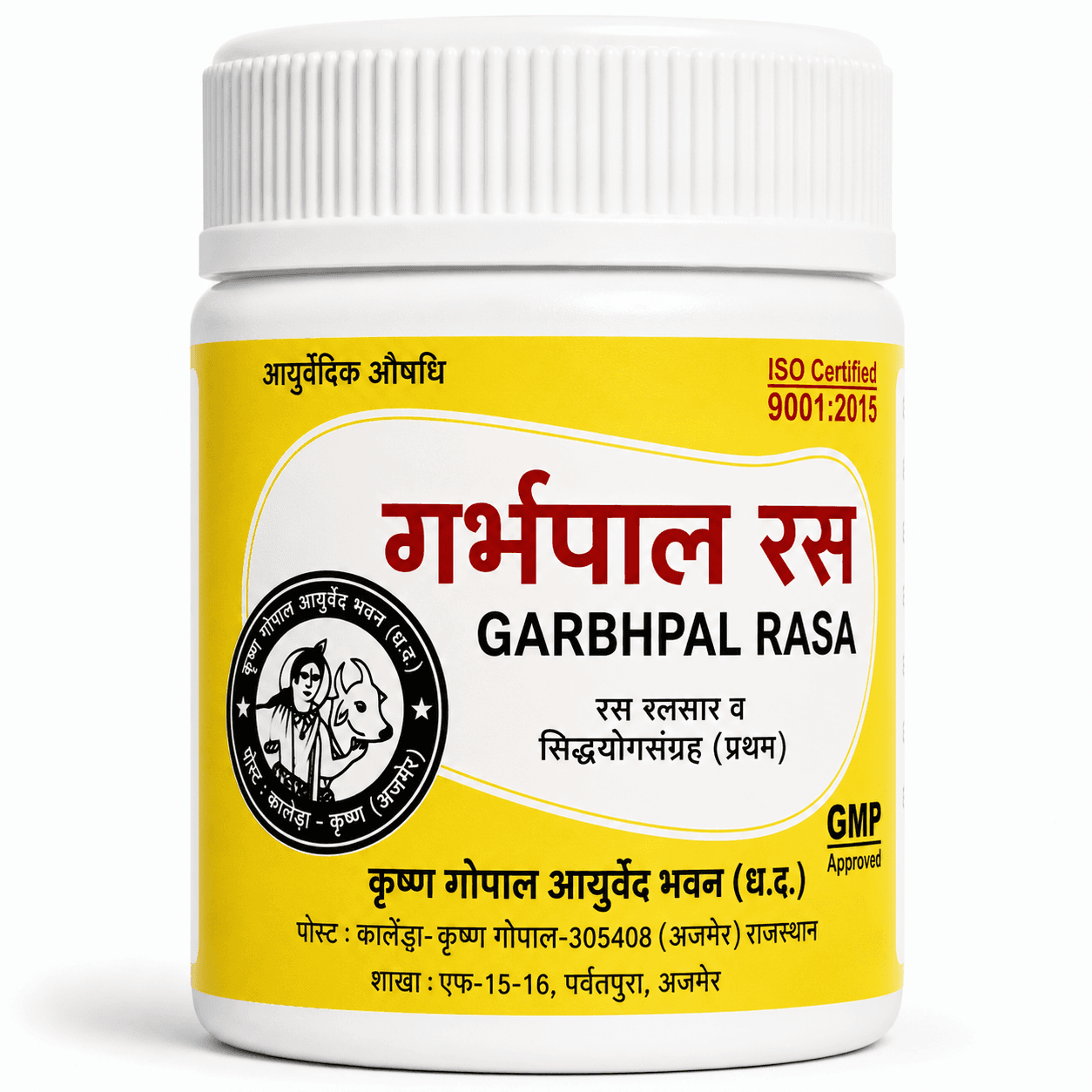
Garbhapal Ras (Kalera) Kalera
Pregnancy support, miscarriage prevention
Strip of 30 Tablets
4.3
₹150Get ₹15 Cashback
 Prescribed to you4.5₹28 cashback
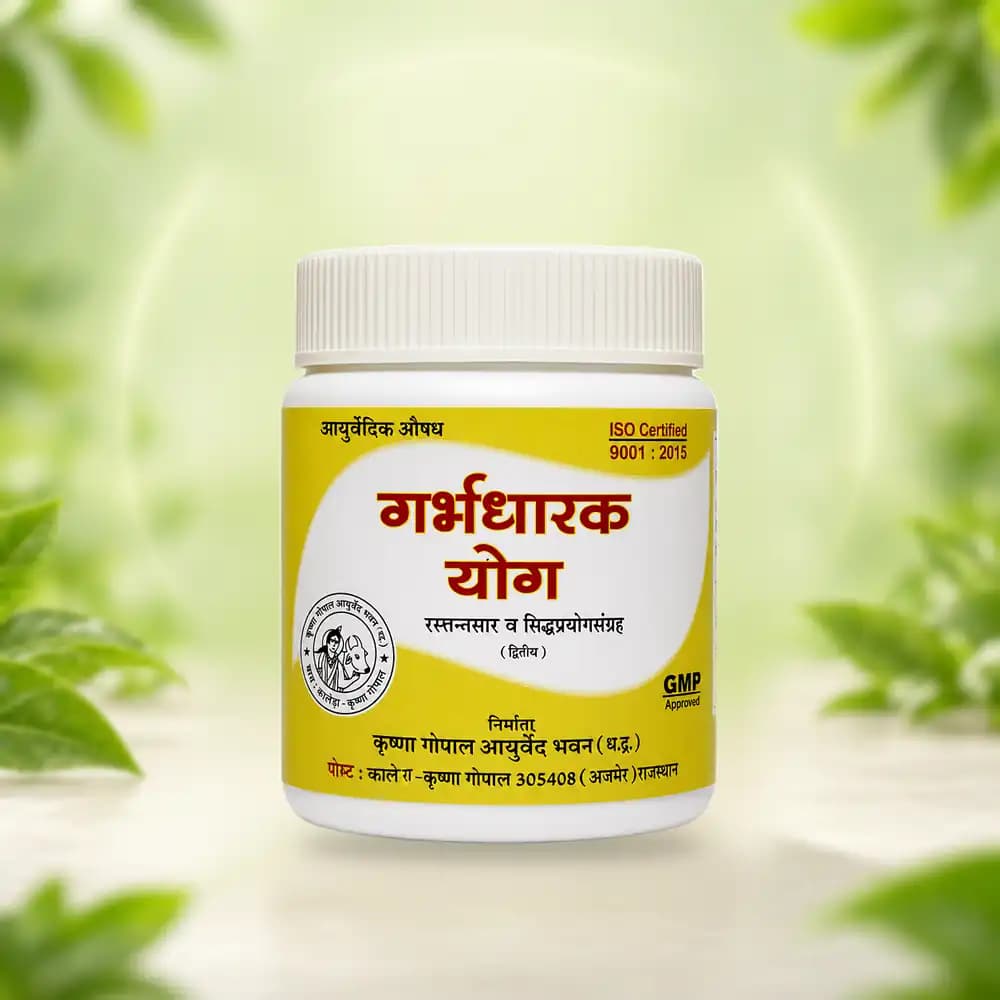
Garbhadharak Yog (Kalera)KaleraSupports pregnancy, prevents miscarriage
Container of 2 g
4.5
₹281Get ₹28 Cashback
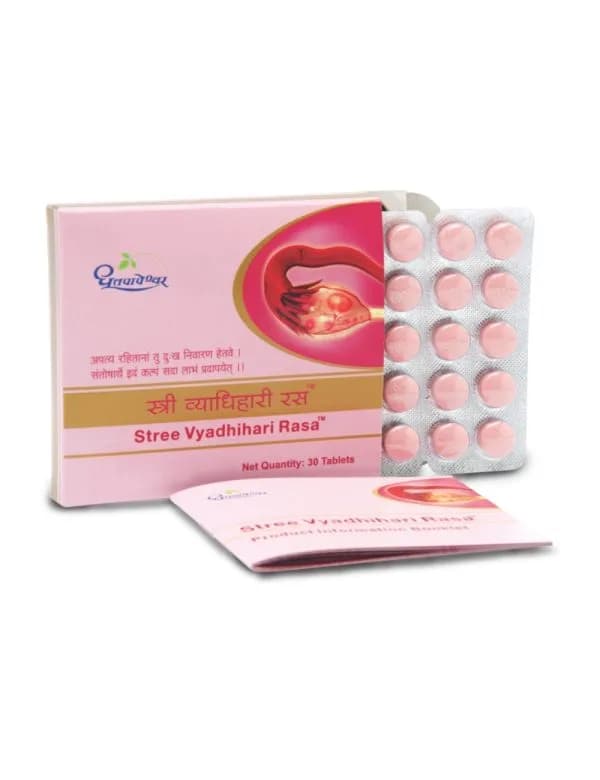 Prescribed to you4.4₹192 cashback
Stree Vyadhihari Rasa (Dhootapapeshwar) SDL
SDLमहिलाओं के चक्र और चयापचय
Strip of 30 Tablets
4.4
₹1,923.02Get ₹192 Cashback