

Goiter Symptoms and Causes
Reviewed by medical experts · For informational purposes only
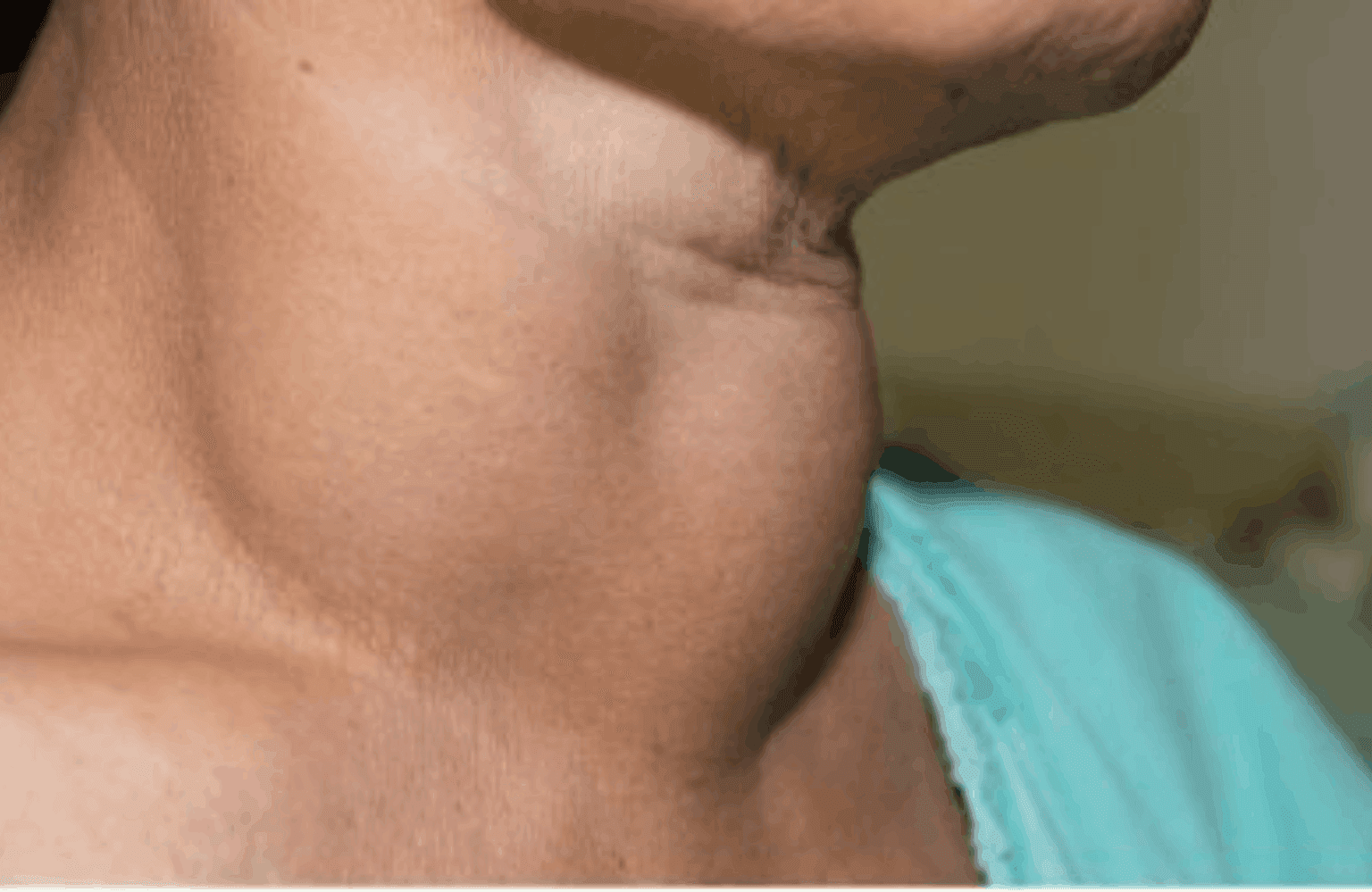
Introductory summary
Goiter correlates with the Ayurvedic condition Galganda defined as an encapsulated swelling in the neck that hangs like a scrotum. It arises primarily from the vitiation of Kapha and Vata doshas affecting the Meda or fat tissue typically excluding Pitta and suppuration. The condition is classified into Vataja Kaphaja and Medoja types often caused by sedentary habits and Kapha aggravating foods. Ayurvedic management emphasizes bio purification particularly Virechana and Nasya to expel stagnation from the neck region along with bloodletting for localized vitiation. Classical treatments utilize scraping herbs like Kanchanara Varuna and Jalkumbhi Bhasma. Prognosis becomes poor if the condition persists for over a year causes difficulty in breathing or leads to loss of voice known as Svarabheda.
Goiter
Goiter is a condition characterized by the abnormal enlargement of the thyroid gland in the neck. In Ayurveda, this condition is correlated with Galganda. Unlike general inflammation, Galganda is described as a chronic, encapsulated swelling in the neck that often hangs down. Classical texts like Madhava Nidana emphasize that this condition is primarily caused by Kapha and Vata doshas affecting the fat tissue (Meda), typically without the involvement of Pitta (heat/inflammation) in its origin.
1. Definition
Modern Definition:
A goiter is an enlargement of the thyroid gland, which may be associated with iodine deficiency or thyroid dysfunction.
Ayurvedic Definition:
Galganda is defined as a swelling arising in the neck (Gala) that is either large or small and hangs down like a scrotum (Mushkavad). It is an encapsulated growth (Nibaddha) that typically does not suppurate because it is not caused by Pitta.
2. Etymology & Conceptual Meaning
- Literal Meaning:
- Gala: Neck or throat
- Ganda: Lump or swelling
- Conceptual Interpretation:
Ayurveda views Galganda as a disease of Kapha and Meda Dhatu. Because the neck is a vital crossroad of channels (Srotas), accumulation leads to obstruction and swelling. It is distinct from Gandamala, which involves multiple glandular swellings and often includes inflammation.
3. Causes (Nidana)
The causes are rooted in factors that aggravate Kapha and Meda:
- Dietary Causes: Heavy, sweet, and oily foods increasing Meda and Kapha
- Lifestyle Causes:
- Divaswapna (daytime sleep)
- Sedentary lifestyle
- Doshic Factors: Vitiation of Vata and Kapha without Pitta
4. Disease Pathogenesis (Samprapti)
- Dosha: Kapha and Vata
- Dushya: Meda Dhatu
- Adhisthana: Gala (Neck)
- Samprapti:
Aggravated doshas lodge in the neck causing a cold, chronic swelling. Absence of Pitta prevents suppuration, forming a firm mass.
5. Symptoms (Lakshana)
- General: Hanging neck swelling
- Vataja Galganda: Rough mass, pricking pain (Todavat), discoloration
- Kaphaja Galganda: Heavy, cold, firm swelling with itching
- Medoja Galganda: Soft, unctuous, foul-smelling swelling with breathing difficulty
These correlate with compressive symptoms of large goiters such as dyspnea and dysphagia (NCBI).
6. Classification (Bheda)
Madhava Nidana classifies Galganda into three types based on the causative agent:
-
Vataja (Wind dominant)
-
Kaphaja (Phlegm dominant)
-
Medoja (Fat dominant) Note: There is no Pittaja (Bile/Heat) type of Galganda in classical Ayurveda.
7. Diagnosis
• Ayurvedic Diagnosis (Roga Pariksha):
◦ Darshana (Observation): Visual inspection of the neck for a "scrotum-like" or "gourd-like" hanging mass.
◦ Sparshana (Touch): Checking for temperature (usually cold in Galganda) and consistency (soft in Medoja, firm in Kaphaja).
◦ Prashna (Questioning): Inquiry about pain types (pricking vs. itching) helps differentiate the Dosha.
• Differential Diagnosis:
◦ Gandamala: A chain of swellings/glands in the neck, often involving inflammation or suppuration (Pitta), distinguished from the single, non-suppurating mass of Galganda.
8. Disease Management
Treatment includes Shodhana and Shamana therapies.
Medicines
- Jalkumbhi Bhasma (Pistia stratiotes)
- Kanchanara formulations
- Tiktaka Ghrita
- Varunadi Gana
Clinical evidence supports Kanchanara in thyroid disorders (JAIMS).
Panchakarma
Anuvasana Basti is contraindicated due to Kapha aggravation.
9. Prognosis
• Curable (Sadhya): Vataja and Kaphaja types are generally curable if treated early.
• Incurable (Asadhya): Madhava Nidana lists fatal signs: if the patient has difficulty breathing (Krichra-shvasa), softening of the whole body, loss of voice (Svarabheda), anorexia, or if the goiter has persisted for more than a year (Samvatsaratitam), it is considered incurable.
10. Modern Correlation
- Goiter: Thyroid enlargement due to iodine deficiency or dysfunction
- Medoja Galganda: Lipoma or colloid goiter
- Shvasa: Tracheal compression symptoms
11. References
- World Health Organization (WHO)
Iodine Deficiency Disorders (IDD) & Goiter
https://www.who.int/teams/nutrition-and-food-safety/micronutrients/iodine-deficiency - WHO & UNICEF Joint Report
Assessment of Iodine Deficiency Disorders
https://www.who.int/publications/i/item/WHO-NHD-01.1 - National Institutes of Health (NIH – NIDDK)
Goiter: Causes, Diagnosis & Treatment
https://www.niddk.nih.gov/health-information/endocrine-diseases/goiter - Centers for Disease Control and Prevention (CDC)
Iodine Nutrition & Thyroid Health
https://www.cdc.gov/nutrition/micronutrient-malnutrition/iodine.html - Mayo Clinic
Goiter – Symptoms & Causes
https://www.mayoclinic.org/diseases-conditions/goiter - Cleveland Clinic
Goiter Overview
https://my.clevelandclinic.org/health/diseases/8541-goiter - NHS (UK)
Goitre
https://www.nhs.uk/conditions/goitre/ - The Lancet Diabetes & Endocrinology
Epidemiology of Goiter & Thyroid Disorders
https://www.thelancet.com/journals/landia
12. FAQ Section
Q: Is Galganda the same as thyroiditis?
A: Not exactly. Ayurveda specifically states that Galganda does not involve Pitta (heat/inflammation) and does not suppurate (form pus). Thyroiditis involves inflammation, which would likely be classified under a different category in Ayurveda (like Gandamala or Shopha).
Q: Can Panchakarma help with Goiter?
A: Yes. Virechana (purgation) and Nasya (nasal drops) are specifically recommended to clear the Kapha and toxins from the neck region.
Q: What is the prognosis for Goiter in Ayurveda?
A: It depends on the duration. If the goiter is more than one year old, causes difficulty in breathing, or loss of voice, it is considered Asadhya (incurable/difficult to treat). Early treatment is crucial.
Q: What are the main dietary causes?
A: Foods that increase Kapha and Fat, such as heavy sweets, dairy, and oils, contribute to the condition. Sleeping during the day is also a major contributing factor.
Consult a Doctor
- KC5.0Dr. Kamesh chand sharma
Ayurveda2 yrs exp
- PP4.4Dr prince patel
Ayurveda22 yrs exp
- PJ5.0Dr. P. JOTEENDRA
Ayurveda2 yrs exp
- S4.6Dr. Shan
Ayurveda4 yrs exp
More on Goiter Symptoms and Causes
Buy Medicine
 Prescribed to you4.4₹7 cashback
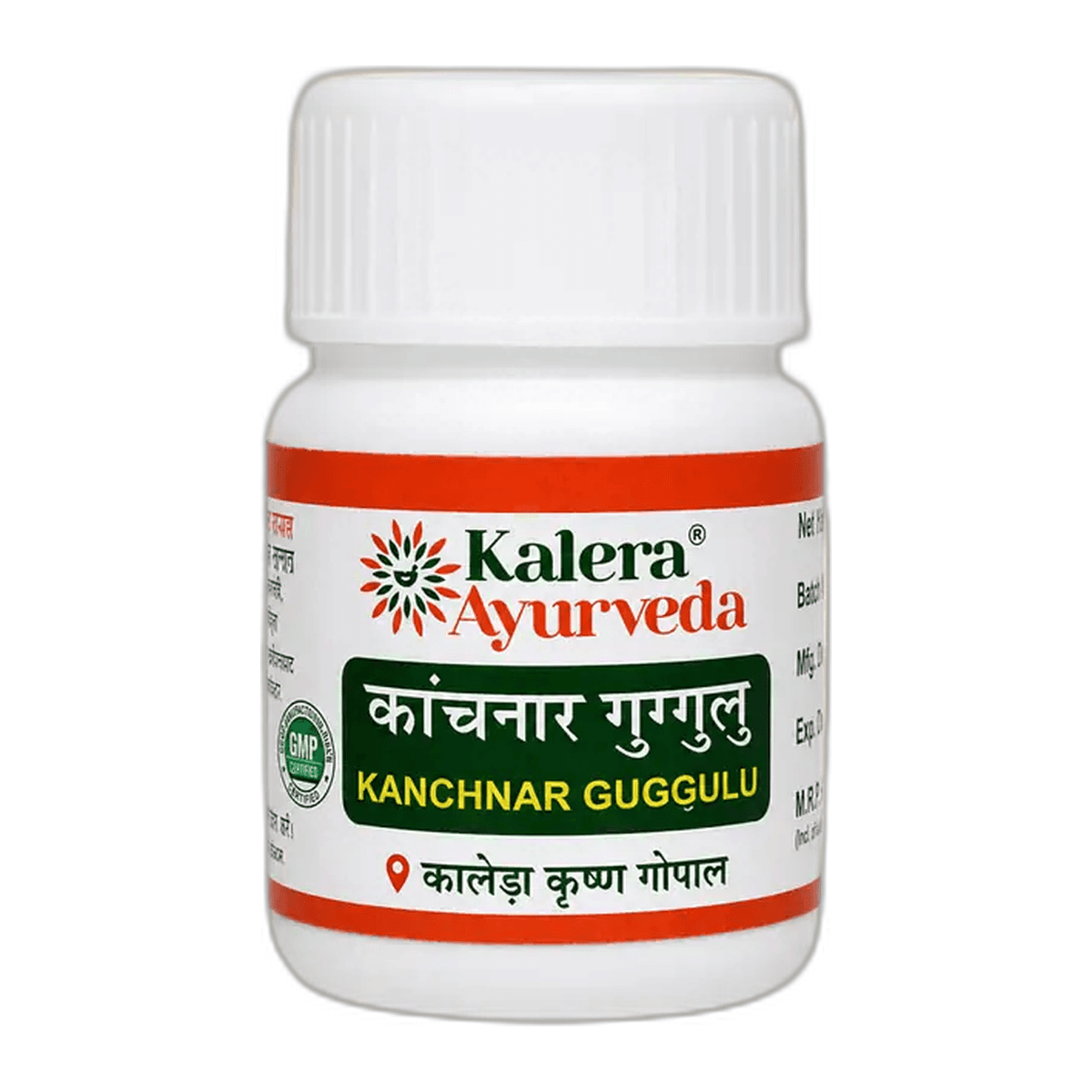
Kanchnar Guggul (Kalera) Kalera
Thyroid & lymph node health
Strip of 30 Tablets
4.4
₹78Get ₹7 Cashback
₹8811% off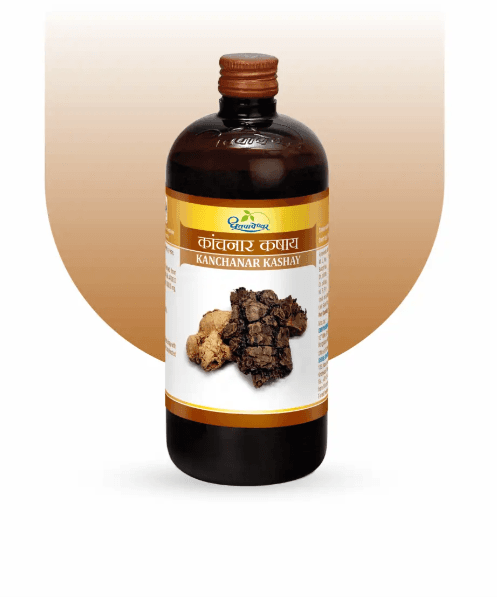 Prescribed to you4.7₹12 cashback
Kanchanar Kashay (Dhootapapeshwar) SDL
SDLSupports Gandamala care
Bottle of 200 ml
4.7
₹125Get ₹12 Cashback
₹14614% off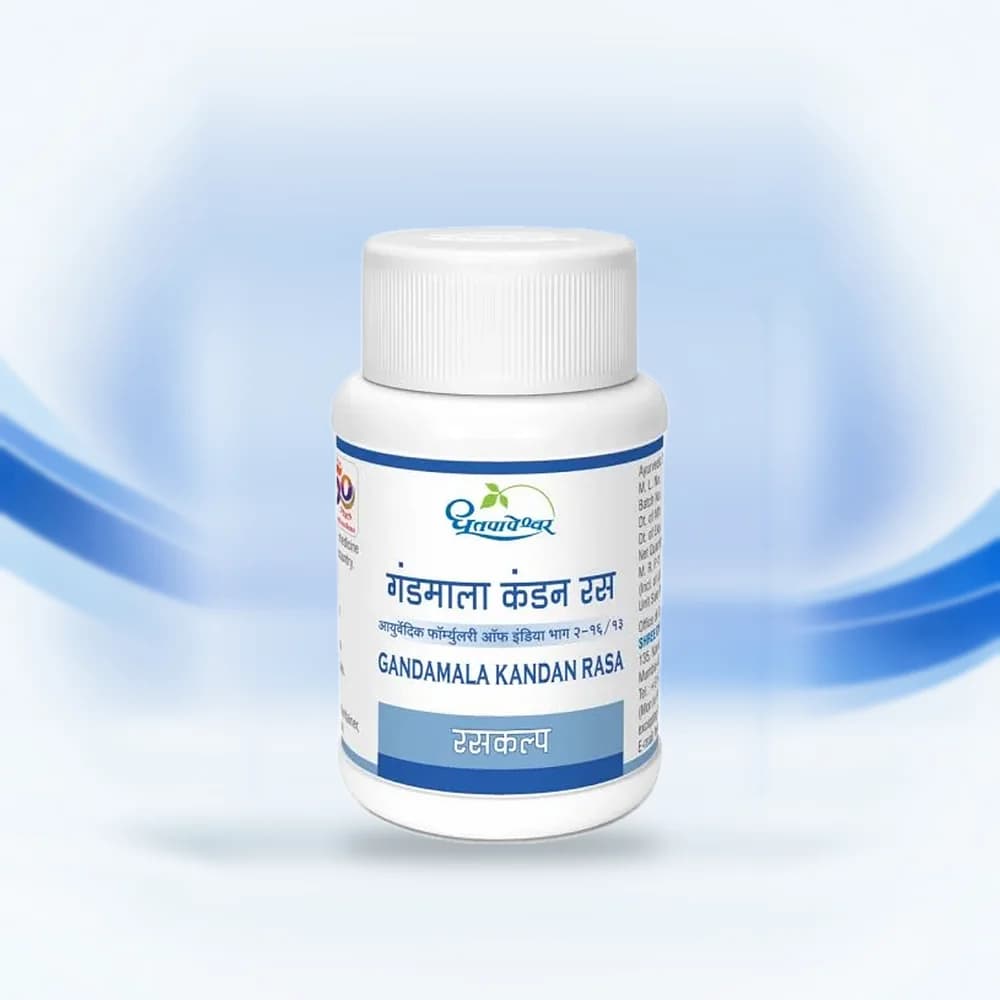 Prescribed to you4.6₹20 cashback
Gandamala Kandan Rasa (Dhootapapeshwar)SDLSupports Gandamala care
Strip of 60 Tablets
4.6
₹207Get ₹20 Cashback
₹23913% off Prescribed to you4.5₹19 cashback
Gulmakalanal Ras (Kalera)KaleraSupports abdominal tumors and gulma
Strip of 30 Tablets
4.5
₹198Get ₹19 Cashback
₹22914% off
