Insomnia
Reviewed by medical experts · For informational purposes only
Introductory summary
In Ayurveda, insomnia is known as Nidranasa and is primarily caused by the aggravation of Vata and Pitta doshas due to factors like grief, fear, excessive exercise, and the consumption of dry foods. It manifests as a lack of sleep often accompanied by body aches and heaviness. Treatment focuses on pacifying Vata through nourishing and unctuous therapies. Dietary recommendations include the consumption of buffalo milk, meat soup, curds, and ghee. External therapies such as oil massage (Abhyanga), applying oil to the head, and soothing pastes are highly effective. Additionally, lifestyle modifications like ensuring a comfortable bed and a pleasant environment are prescribed to induce sleep.
Insomnia
Insomnia, referred to in Ayurveda as Nidranasha (loss of sleep) or Anidra, is a condition characterized by the inability to sleep or poor quality of sleep. Ayurveda considers Nidra (sleep) as one of the three supporting pillars of life (Trayopastambha), alongside proper diet (Ahara) and celibacy/control of senses (Brahmacharya), which are essential for health and longevity.
1
1. Causes (Nidana)
Ayurvedic classics attribute Nidranasha to the aggravation of Vata and Pitta doshas, as well as other lifestyle and psychological factors:
-
Psychological: Anxiety (Chinta), fear (Bhaya), anger (Krodha).
2 -
Physical: Excessive exercise, sexual activity, fasting (Upavasa).
3 -
Aggravation of Dosha: Vata and Pitta imbalance disrupts sleep regulation.
4 -
Lifestyle: Modern stress, irregular routine, late nights.
5
Nidranasha is conceptualized under Vata-dominant disorders.
4
2. Signs and Symptoms
Ayurvedic commentators and modern reviews note symptoms associated with insomnia:
-
General: Difficulty falling asleep or maintaining sleep.
5 -
Physical: Body aches, heaviness, stiffness, yawning, drowsiness (Tandra).
6 -
Head & Eyes: Headache (Shiroroga), heaviness, eye discomfort.
6 -
Mental: Confusion, irritability, lack of clarity.
6
3. Pathophysiology (Samprapti)
Ayurveda describes normal sleep (Nidra) as that state when the mind (Manas) and sense organs (Indriyas) become inactive, allowing rest and restoration. Sleep disturbance occurs when the mind remains active due to:
-
Dosha imbalance – chiefly Vata and Pitta.
1 -
Manasika disturbances – excessive Rajas (agitation) or Tamas (inertia).
4
Charaka Samhita highlights that sleep, strength, nourishment, happiness, and life are interdependent—the absence of restful sleep affects all these states.
7
4. Management (Chikitsa)
Ayurvedic management focuses on pacifying Vata and Pitta, calming the mind, and restoring deep, regenerative sleep through therapies, diet, and lifestyle changes.
4.1 External Therapies
-
Shirodhara: Continuous flow of warm medicated liquids over the forehead.
-
Abhyanga (Massage): Head and full-body oil massage.
-
Utsadana: Herbal paste body rub to pacify Vata.
-
Bathing: Warm soothing bath to relieve fatigue.
Shiro Abhyanga improves sleep quality and relieves insomnia.
4.2 Dietary Regimen (Pathya)
-
Milk (e.g., buffalo milk): Warm and medicated.
-
Unctuous foods: Ghee, oil-rich preparations.
-
Meat soups: Light, nourishing broths.
-
Sweet tastes: Jaggery and sugarcane products assist in grounding Vata.
-
Curd (Yogurt): Heavy, calming qualities accessible in moderation.
4.3 Medicinal Formulations
-
Root of Kakajangha (Peristrophe bicalyculata): Applied to the crown to induce sleep.
8 -
Pippalimula (Long Pepper Root): Powder with jaggery for Vata insomnia.
8
4.4 Lifestyle Adjustments
-
Day Sleep (Divasvapna): Occasionally prescribed.
-
Comfort: Relaxing bedtime routines, comfortable bedding, reduced stimulation.
5. Contraindications
Avoid Virechana and Vamana in active insomnia.
2
Excessive fasting or intense physical exertion is discouraged.
4
6. Conceptual Insights from Texts
-
Charaka Samhita: Sleep (Nidra) is essential; Vata disturbances are key.
-
Ashtanga Sangraha: Sleep disturbances as Vataja Nanatmaja Vikara.
-
Modern reviews link classical sleep concepts with lifestyle stress and physiology.
References
- Integrative Review on Sleep Disturbances in Ayurveda
https://internationaljournal.org.in/journal/index.php/ijayush/article/view/1644 - Integrative Review – Psychological causes
https://internationaljournal.org.in/journal/index.php/ijayush/article/view/1644 - WORLD JOURNAL OF PHARMACEUTICAL RESEARCH – Physical causes
https://wjpr.s3.ap-south-1.amazonaws.com/article_issue/f9e8dc0969e2ef4a43ae865986655f70.pdf - African Journal of Biomedical Research – Dosha & conceptual review
https://www.ncbi.nlm.nih.gov/pmc/articles/PMC8779237/ - Lifestyle & Diet – Ayurvedic perspective
https://www.ncbi.nlm.nih.gov/pmc/articles/PMC8943402/ - JAIMS – Physical & mental symptoms, Shiro Abhyanga studies
https://www.jaims.in/jaims/article/view/1585
https://www.jaims.in/jaims/article/view/753 - IJIM – Sleep, strength, nourishment correlation
https://www.ijim.co.in/htmlFullText?id=154 - ACS Publisher – Therapies & medicinal formulations
https://journals.acspublisher.com/index.php/irjay/article/view/14190 - Maharishi Ayurveda – Diet & sleep
https://www.ncbi.nlm.nih.gov/pmc/articles/PMC8943402/ - JAIMS – Day sleep & lifestyle adjustments
https://www.jaims.in/jaims/article/view/2794 - Charaka Samhita Online – Classical reference
https://www.carakasamhitaonline.com/index.php/Nidra
Consult a Doctor
- MS4.2Midun s kumar
Ayurveda4 yrs exp
- SP4.5Dr Sreelekha P Nair
Ayurveda6 yrs exp
- VR4.2Vaidya Rohit Kumar
Ayurveda3 yrs exp
- V4.1Vairamuthu
Ayurveda8 yrs exp
Buy Medicine
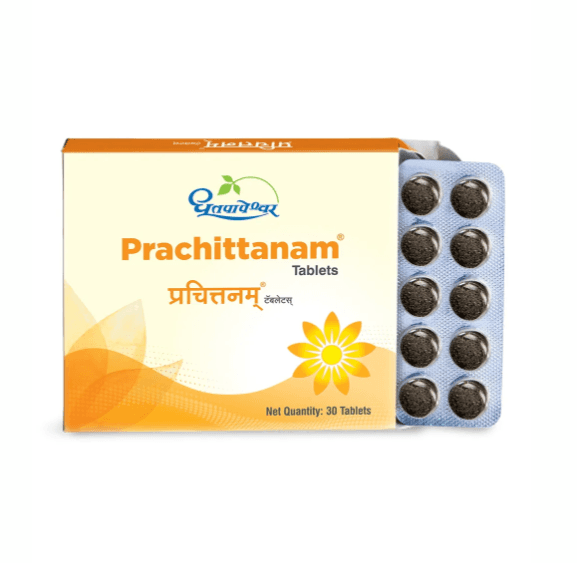 Prescribed to you4.7₹30 cashback
Prachittanam (Dhootapapeshwar) SDL
SDLSleep and anxiety support
Strip of 30 Tablets
4.7
₹300Get ₹30 Cashback
 Prescribed to you4.6₹39 cashback
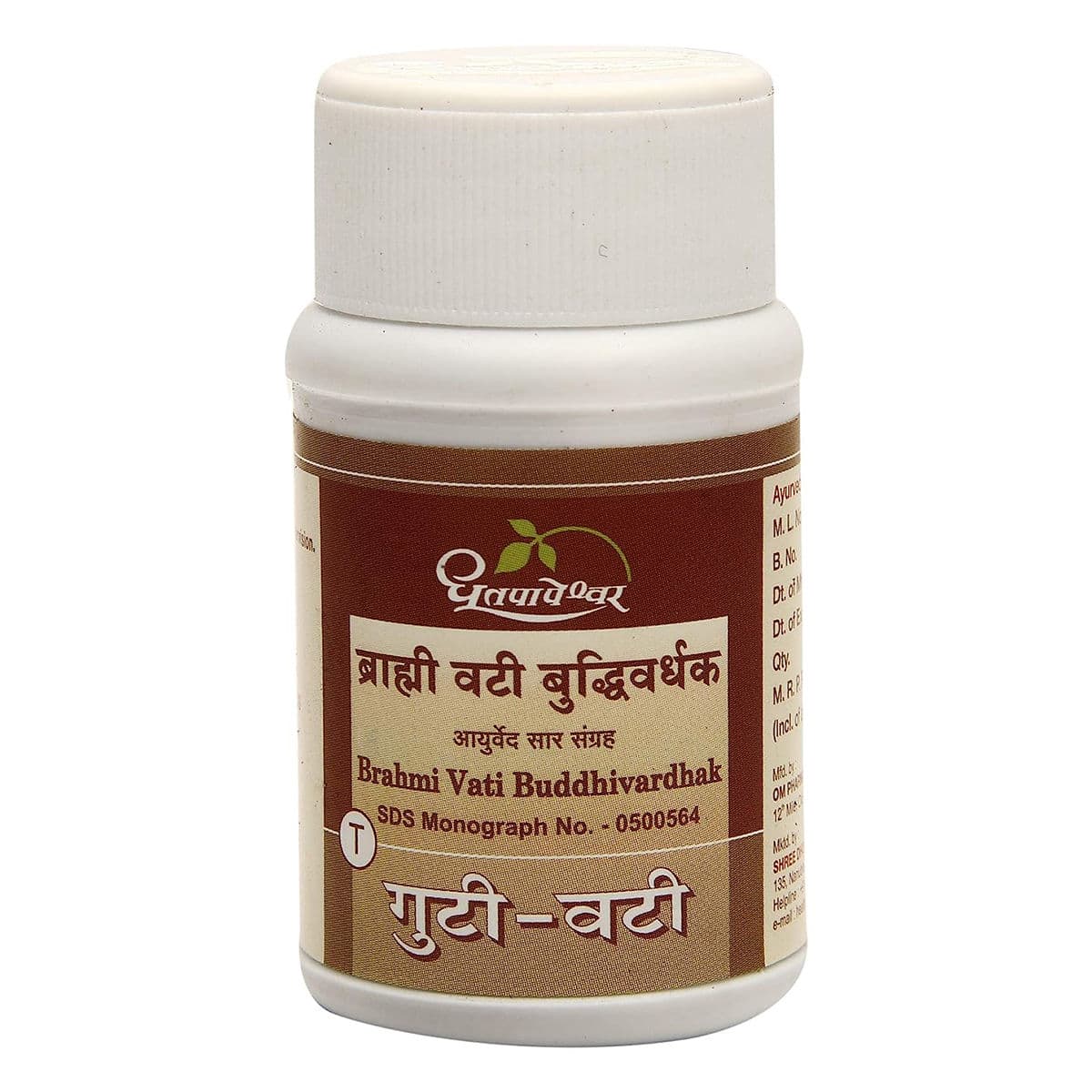
Brahmi Vati Buddhivardhak (Dhootapapeshwar)SDLSupports mental well-being
Strip of 60 Tablets
4.6
₹394Get ₹39 Cashback