

Tetanus Symptoms and Causes
Reviewed by medical experts · For informational purposes only
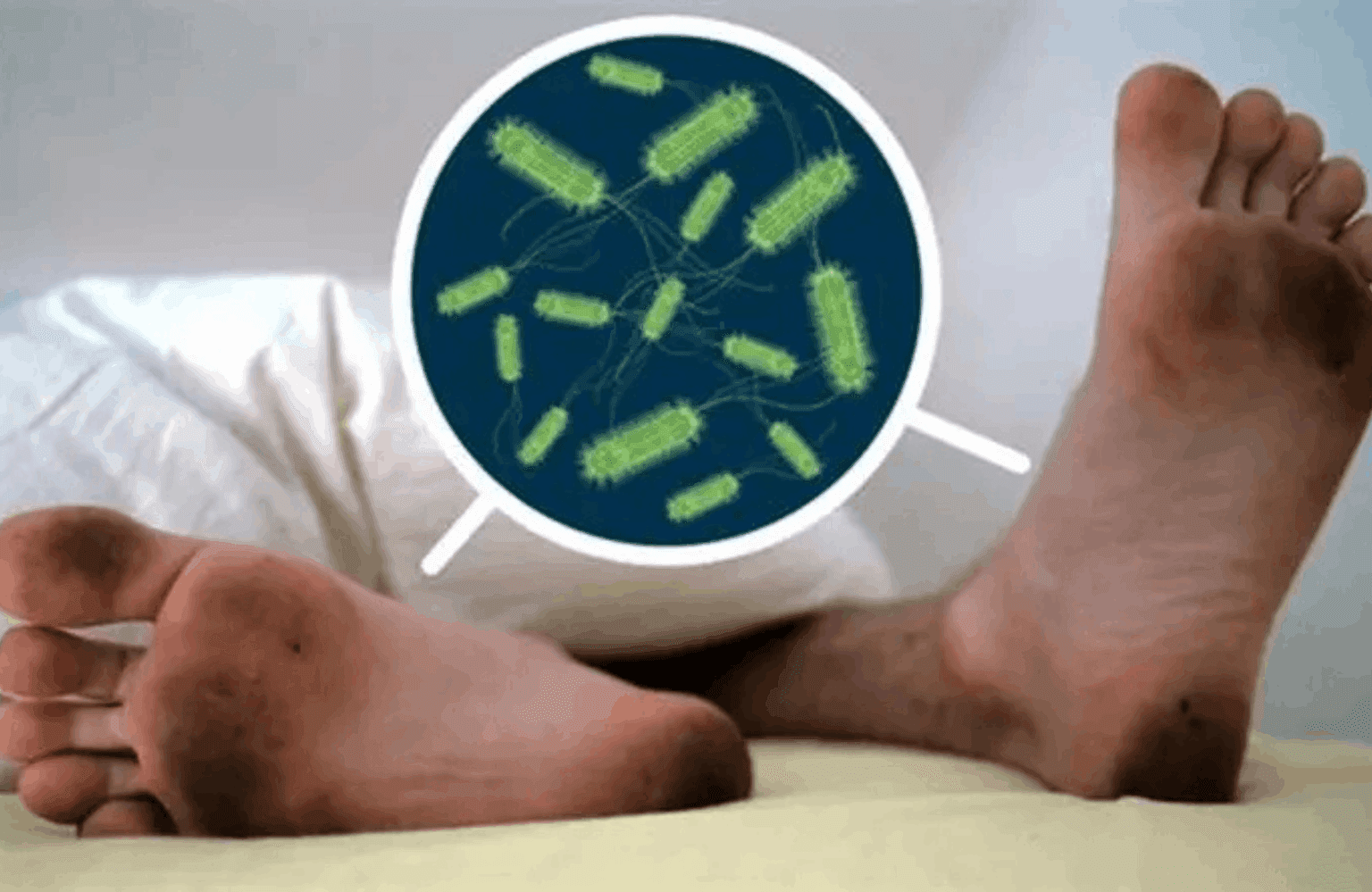
Introductory summary
Tetanus correlates with the Ayurvedic conditions Dhanurstambha and Apatantraka classified under Vata Vyadhi. It occurs when severely aggravated Vata dosha blocks the vital channels and nerves causing intense muscle rigidity and convulsions where the body bends like a bow. Common symptoms include lockjaw known as Hanustambha loss of consciousness and fixed gaze. The condition is often triggered by trauma or miscarriage and is considered difficult to cure. Management prioritizes strong Vata pacifying therapies including internal and external oleation with medicated oils like Mahamasha Taila followed by sudation and Nasya. Specialized herbo mineral formulations like Hridayarnava Rasa and Vatavidhvamsana Rasa are prescribed while Basti or enema therapy is essential to clear obstructions and restore nervous function.
Tetanus
Tetanus is a serious bacterial infection that causes painful muscle spasms and can lead to death. In Ayurveda, the symptoms of Tetanus are described under Vata Vyadhi (neurological disorders), specifically as Dhanurstambha (Bow-like Stiffness), Apatantraka (Convulsive disorders), and Apatanaka. These conditions are characterized by severe vitiation of the Vata Dosha due to trauma or injury, leading to intense spasms where the body bends like a bow.
1. Definition
Modern Definition: An infection caused by Clostridium tetani bacteria, characterized by muscle stiffness, lockjaw, and spasms.
Ayurvedic Definition:
- Apatantraka/Apatanaka: A condition where the aggravated Vata enters the heart and vital channels, causing the patient to fall, lose consciousness, and suffer from intense convulsions.
- Dhanurstambha: A specific presentation where the body becomes rigid and bends like a bow (Dhanu) due to the spasm of ligaments and nerves.
2. Etymology & Conceptual Meaning
- Dhanurstambha: Derived from Dhanu (Bow) and Stambha (Stiffness/Rigidity). It describes the patient's posture during a spasm, where the head and heels are bent backward, arching the body like a strung bow.
- Apatantraka: Derived from roots implying "falling down" or "loss of control," referring to the convulsions and loss of consciousness associated with the attack.
- Conceptual Interpretation: Ayurveda views this as a high-velocity Vata disorder. The air element (Vayu) gets obstructed in the Dhamani (arteries/nerves), causing them to dry up and contract, leading to rigidity.
3. Causes (Nidana)
The causes are primarily external injuries that aggravate Vata, along with general Vata-provoking factors.
- Trauma (Abhighata): Injuries caused by weapons, cuts, or accidents are explicitly mentioned as a cause for Abhighataja Apatanaka (Traumatic Tetanus). WHO data shows that tetanus occurs when spores of the bacterium Clostridium tetani infect a wound. It is stated that Vata increases in the site of the wound (Vrana) and spreads through the body.
- Obstetric Causes: Garbhapata (Abortion or Miscarriage) is listed as a specific cause for women. This correlates with puerperal tetanus - WHO estimates show that 25,000 newborns died from neonatal tetanus in 2018.
- Bloodletting (Raktamokshana): Excessive or improper bloodletting can aggravate Vata, leading to convulsions.
- Lifestyle Causes: Excessive physical exertion (Vyayama) and consuming dry/cold foods that vitiate Vata.
4. Journey of the Disease (Pathogenesis/Samprapti)
- Samprapti Ghataka (Components):
- Dosha: Vata (Vyana and Prana Vayu) is the primary cause. Kapha and Pitta may be secondary.
- Dushya (Tissues): Snayu (Ligaments/Tendons), Sira (Nerves/Vessels), and Mamsa (Muscles).
- Srotas (Channels): Vatavaha and Mamsavaha Srotas.
- Adhisthana (Site): Whole body, specifically the heart (Hridaya) and jaw (Hanu).
- Pathogenesis:
- Due to injury (Abhighata) or other causes, Vata becomes severely aggravated.
- It travels from the site of injury or the colon (Pakvashaya) to the heart and vital organs.
- It lodges in the Dhamani (nerves) and Snayu (ligaments).
- The aggravated Vayu causes violent contractions, bending the body and causing loss of consciousness and severe pain. Modern research shows that tetanus toxin blocks neurotransmitter release, preventing normal muscle relaxation.
5. Symptoms (Lakshana)
- Early Symptoms:
- Hanustambha: Lockjaw or stiffness of the jaw.
- Stambha: General stiffness in the body.
- Advanced Symptoms:
- Dhanurvat: The body bends like a bow.
- Akshepa: Convulsions or spasms.
- Kapotavat Kujati: The patient makes a cooing sound like a pigeon due to spasm of the respiratory muscles/throat.
- Nisamjna: Loss of consciousness.
- Stabdhaksha: Eyes become fixed or staring.
- Kricchra-ucchvasa: Extreme difficulty in breathing.
6. Different Types or Classification (Bheda)
Madhava Nidana classifies the convulsions based on the direction of bending and the cause:
- Antarayama (Internal/Forward Bending): The body bends forward. The Vata attacks the internal nerves.
- Bahirayama (External/Backward Bending): The body bends backward (Opisthotonos). The chest and neck are raised like a bow.
- Dandapatanaka: The body becomes stiff and straight like a stick (Danda) without bending.
- Abhighataja: Caused by external injury/trauma (Incurable).
- Garbhapataja: Caused by abortion or miscarriage (Incurable).
7. Diagnosis
- Ayurvedic Diagnosis:
- Darshana (Observation): Observing the characteristic bow-like posture and spasms.
- Prashna (History): Asking about recent injuries, wounds, or pregnancy termination (Garbhapata).
- Differential Diagnosis:
- Distinguished from Pakshaghata (Paralysis), where there is loss of movement rather than rigid spasms.
- Distinguished from Epilepsy (Apasmara) by the continuous rigidity in Tetanus versus the episodic nature of epilepsy.
Modern diagnosis is based on clinical features and does not require laboratory confirmation.
8. Disease Management
Management focuses on pacifying the intense Vata aggravation.
Medicines
- Hridayarnava Rasa: A specific herbo-mineral formulation mentioned in Rasendrasara Sangraha for treating Dhanurvata (Tetanus). It contains mercury, sulfur, and copper bhasma.
- Vatavidhvamsana Rasa: Prescribed for severe Vata disorders including Dhanurvata.
- Mahamasha Taila: A medicated oil containing Black Gram (Masha) used for massage and internal intake to cure severe Vata conditions like Apatanaka and Dhanustambha.
- Rasnadi Kvatha: A decoction used to treat Apatanaka (tetanic convulsions).
Panchakarma (Therapies)
- Snehana (Oleation): Heavy application of medicated oils like Mahamasha Taila is crucial to combat the dry and rigid nature of Vata.
- Swedana (Sudation): Fomentation to relieve stiffness.
- Basti (Enema): Since the colon is the seat of Vata, medicated enemas are the most effective treatment for Vata Vyadhi.
- Nasya: Administration of oil through the nose is indicated for Apatantraka to clear the channels of the head and neck.
Diet (Ahara)
- Pathya (Beneficial): Warm, unctuous (oily), and nourishing foods. Meat soup (Mamsarasa) and ghee are recommended to strengthen the patient.
- Apathya (Avoid): Cold foods, drying foods (like peas), and staying awake at night.
Modern Treatment
WHO recommends that tetanus treatment includes:
- Wound debridement
- Tetanus immune globulin (TIG)
- Antibiotics (penicillin or metronidazole)
- Magnesium sulphate for spasm control
- Supportive care in intensive care units
9. Prognosis
- Asadhya (Incurable):
- Abhighataja Apatanaka: Tetanus caused by severe trauma or wounds is considered incurable in Ayurveda.
- Garbhapataja: Tetanus following abortion or miscarriage is also considered incurable.
- Krichrasadhya (Difficult to Cure): Cases that are not associated with severe trauma or do not involve complications like severe respiratory distress may be treatable with great difficulty.
Modern mortality rates show that without intensive care, nearly 100% of tetanus cases are fatal. Even with modern treatment, mortality remains high, particularly in developing countries.
10. Modern Correlations
- Tetanus: The Ayurvedic description of Dhanurstambha aligns perfectly with the clinical presentation of Tetanus.
- Opisthotonos: The Ayurvedic term Bahirayama (external bending) describes the classic arched back seen in tetanus.
- Emprosthotonos: The Ayurvedic term Antarayama describes the forward bending spasm.
- Risus Sardonicus: The facial stiffness described in Hanustambha correlates with the "sardonic smile" of tetanus.
11. References
-
WHO – Tetanus (Fact Sheet)
🔗 https://www.who.int/news-room/fact-sheets/detail/tetanus
Official WHO overview of transmission, symptoms, vaccination, and prevention.
-
WHO – Maternal and Neonatal Tetanus
🔗 https://www.who.int/teams/immunization-vaccines-and-biologicals/diseases/tetanus
WHO initiatives and global elimination strategies.
-
NHS – Tetanus
🔗 https://www.nhs.uk/conditions/tetanus/
Symptoms, treatment, and prevention.
-
NEJM – Tetanus
🔗 https://www.nejm.org/doi/full/10.1056/NEJMra1401120
Comprehensive clinical review.
-
NHP India – धनुस्तम्भ (Tetanus)
🔗 https://www.nhp.gov.in/disease/communicable-disease/tetanus
Government of India health portal (Hindi & English).
12. FAQ Section
Q: What is the main cause of Tetanus in Ayurveda?
A: Ayurveda identifies the main cause as the aggravation of Vata Dosha, often triggered by Abhighata (trauma/injury) or Garbhapata (miscarriage/abortion).
Q: What are the symptoms of Dhanurstambha?
A: The body becomes rigid and bends like a bow (Dhanu). Other symptoms include lockjaw (Hanustambha), convulsions, and difficulty breathing.
Q: Is Tetanus curable according to Ayurveda?
A: Tetanus caused by trauma (Abhighataja) or miscarriage is generally considered Asadhya (incurable) in classical texts. However, other forms may be treated with difficulty using strong Vata-pacifying therapies.
Q: What medicines are used for Tetanus in Ayurveda?
A: Potent formulations like Hridayarnava Rasa, Vatavidhvamsana Rasa, and medicated oils like Mahamasha Taila are prescribed to treat the convulsions and stiffness associated with Dhanurvata.
Q: How effective is modern tetanus prevention?
A: WHO data shows that global tetanus vaccination programs have reduced neonatal tetanus deaths by 95% since 1988, demonstrating the high effectiveness of prevention through vaccination.
Consult a Doctor
- KC5.0Dr. Kamesh chand sharma
Ayurveda2 yrs exp
- PP4.4Dr prince patel
Ayurveda22 yrs exp
- KH4.4Dr Kowshalya H S
Ayurveda3 yrs exp
- AK4.8Dr. Amalnath K Viswanathan
Ayurveda4 yrs exp
More on Tetanus Symptoms and Causes
Buy Medicine
 Prescribed to you4.7₹7 cashback
Avipattikar Churna (Kalera) Kalera
Acidity & heartburn relief
Container of 50 g
4.7
₹70Get ₹7 Cashback
₹8013% off Prescribed to you4.2₹17 cashback
Sutshekhar Ras (Kalera)KaleraDaily support for gastric acidity
Strip of 30 Tablets
4.2
₹178Get ₹17 Cashback
₹20614% off Prescribed to you4.6₹22 cashback
Vatakulantak Rasa (Dhootapapeshwar) SDL
SDLNerve and circulation support
1 g
4.6
₹225Get ₹22 Cashback
₹25512% off
