

Benign prostatic hyperplasia Symptoms and Causes
Reviewed by medical experts · For informational purposes only
Introductory summary
Benign Prostatic Hyperplasia correlates with the Ayurvedic condition Ashthila classified under Mutraghata or urinary obstruction. It manifests as a hard stone-like enlargement between the rectum and bladder driven by the vitiation of Vata dosha specifically Apana Vayu. This condition causes severe urinary retention distension and pain often triggered by the suppression of natural urges and aging. Ayurvedic management focuses on pacifying Vata and reducing glandular swelling through formulations like Chandraprabha Vati Vasakadyarishta and Gokshuradi Guggulu. Mineral preparations such as Shilajatu and Vajra Kshara are prescribed to reduce the mass. Therapies like Avagaha Sweda or sitz baths are highly effective for relaxing pelvic tension and restoring urine flow.
Benign Prostatic Hyperplasia
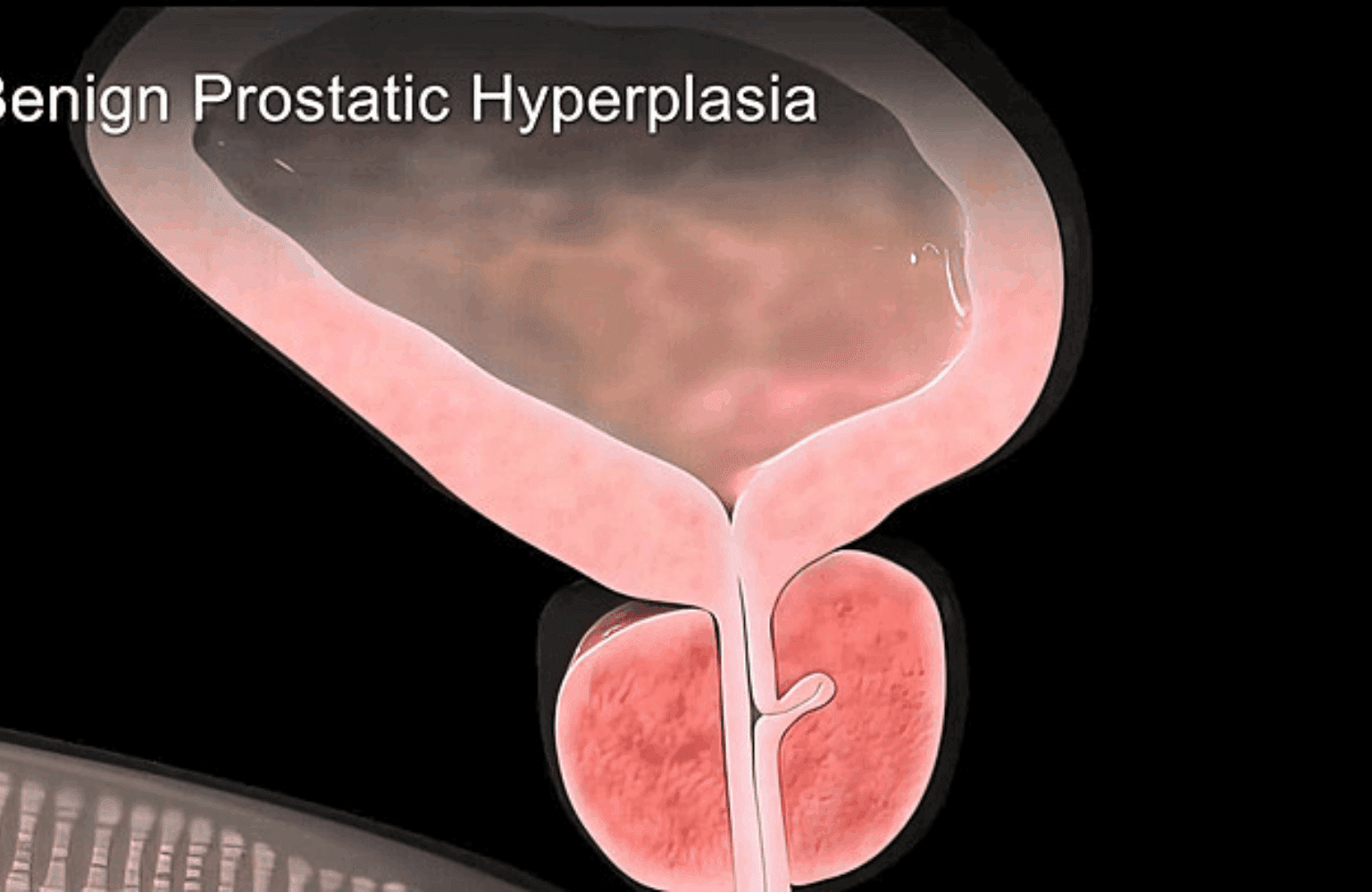
Benign Prostatic Hyperplasia (BPH) is a common condition in aging men characterized by the non-cancerous enlargement of the prostate gland. In Ayurveda, the symptoms of BPH—such as difficulty in urination, retention of urine, and a hard swelling in the perineum—are primarily described under the disease Mutraghata (Urinary Obstruction), specifically the subtype known as Ashthila or Vatasthila.
1. Definition
Modern Definition: An age-associated prostate gland enlargement that can cause urination difficulty, such as blocking the flow of urine out of the bladder.
Ayurvedic Definition: Ashthila is defined as a condition where the aggravated Vata dosha creates a hard, elevated, stone-like swelling (Granthi) between the rectum (Guda) and the urinary bladder (Basti). This growth obstructs the passage of both feces and urine, causing severe pain and distension.
2. Etymology & Conceptual Meaning
- Ashthila: The term literally means "a stone" or "a hard, round object" (like a cobbler's stone). This describes the physical palpability of the enlarged prostate—hard, fixed, and rounded.
- Mutraghata: Derived from Mutra (Urine) and Aghata (Obstruction/Retention). It refers to diseases where the flow of urine is obstructed or retained, rather than just being painful (which is Mutrakrcchra).
- Conceptual Interpretation: Ayurveda views BPH as a structural deformity (Granthi) driven by the Vata dosha, specifically the Apana Vayu, which governs elimination. The drying and hardening qualities of Vata affect the muscle and fat tissues in the pelvic floor, leading to this growth.
3. Causes (Nidana)
The root causes are linked to factors that aggravate Vata and suppress natural urges.
Dietary Causes:
- Consumption of dry, cold, and astringent foods that increase Vata.
- Madyapana: Excessive alcohol consumption is a listed cause for general debility and Vata disorders.
Lifestyle Causes:
- Vegadharana: Suppression of natural urges, specifically the urge to urinate or defecate. This causes Vata to move upwards (Udavarta) and creates pressure in the pelvic region.
- Ativyayama: Excessive physical exertion.
- Sexual Factors: Excessive sexual indulgence or suppression of the urge for ejaculation can vitiate the Shukravaha srotas (reproductive channels) leading to obstruction.
- Sedentary Lifestyle: Lack of physical activity is recognized as a risk factor.
Aging (Jara):
Old age is naturally a Vata-dominant stage of life, making men more susceptible to Ashthila as they age.
4. Journey of the Disease (Pathogenesis/Samprapti)
Samprapti Ghataka (Components):
- Dosha: Primarily Vata (specifically Apana Vayu).
- Dushya (Tissues): Rakta (Blood), Mamsa (Muscle/Glandular tissue), Meda (Fat), and Mutra (Urine).
- Srotas (Channels): Mutravaha (Urinary) and Shukravaha (Reproductive).
- Adhisthana (Site): The space between Basti (Bladder) and Guda (Rectum).
Pathogenesis:
- Due to Vata-aggravating factors (like holding urine), the Apana Vayu gets vitiated.
- It settles in the region between the rectum and the bladder.
- There, it creates a dense, firm, and elevated swelling known as Ashthila.
- This swelling mechanically compresses the bladder neck or urethra, causing obstruction to the flow of urine (Mutra-avarodha) and feces.
5. Symptoms (Lakshana)
Cardinal Symptoms of Ashthila:
- Mutra-avarodha: Obstruction or stoppage of urine flow.
- Vit-sanga: Constipation or obstruction of feces.
- Adhmana: Distension of the abdomen/bladder region.
Associated Urinary Symptoms:
- Mutrakrcchra: Difficulty and pain during urination.
- Mutratita: Delayed onset of urination (Hesitancy) - The person wishes to urinate, but urine does not flow immediately.
- Mutrasada: Scanty or interrupted flow of urine.
- Bastikundala: In severe cases, the bladder looks like a coiled mass due to retention and distension.
- Muhur-muhur Mutrata: Increased urinary frequency, particularly at night (nocturia).
6. Different Types or Classification (Bheda)
BPH falls under the broad category of Mutraghata (Urinary retention/obstruction). Madhava Nidana lists 13 types of Mutraghata, of which two closely resemble BPH:
- Vataja Ashthila: Hard, stone-like swelling causing complete obstruction.
- Pratyashthila: A similar hard swelling but located obliquely in the abdomen.
- Vata-Basti: Retention where the urge to urinate is suppressed, leading to Vata blocking the bladder outlet.
7. Diagnosis
Ayurvedic Diagnosis:
- Sparshana (Palpation): The physician palpates the lower abdomen and perineum. A hard, elevated mass (Unnata) resembling a stone (Ashmavat) suggests Ashthila.
- Prashna (Questioning): History of straining to urinate, weak stream, and feeling of incomplete emptying.
Differential Diagnosis:
Distinguished from Ashmari (Urinary Stones), where pain is often sharp and intermittent, whereas Ashthila presents with a constant obstructive swelling.
8. Disease Management
Management focuses on Vata Anulomana (normalizing the flow of Vata), Sothahara (reducing swelling), and reducing the size of the gland (Granthi).
Medicines
- Vasakadyarishta (Vasakasarista): Specifically indicated for Ashthila (Prostatic Hyperplasia) and Pratyashthila to relieve obstruction.
- Chandraprabha Vati: A premier formulation for all urinary disorders (Mutraghata, Mutrakrcchra), tumors (Arbuda), and suppression of urine.
- Hinguvachadi Churna: Indicated for Ashthila, abdominal pain, and flatulence.
- Pradarantaka Lauha: Although often used for gynecological issues, this iron preparation is explicitly indicated for Ashthila (Prostate enlargement) and abdominal colic.
- Vajra Kshara: An alkaline preparation indicated for Ashthila and Gulma (abdominal lumps) to reduce the mass.
- Punarnavasava: Used to reduce edema (Shotha) and treat abdominal disorders associated with the prostate.
- Gokshuradi Guggulu: Implied usage for Mutrakrcchra (Dysuria) and Ashmari; reduces inflammation and improves urine flow. Contains Gokshura (Tribulus terrestris).
- Shilajatu: Used for Mutrakrcchra and Mutraghata; helps in reducing overgrowths and improving urinary function.
- Varuna (Crataeva nurvala): Specifically recommended bark for prostatic enlargement.
Panchakarma (Therapies)
- Avagaha Sweda (Sitz Bath): Sitting in a tub of warm medicated decoction (e.g., Dashamula kwatha). This is highly effective for relaxing the pelvic muscles, relieving pain, and easing urination in Mutraghata.
- Vasti (Enema):
- Uttara Vasti: Enema administered through the urethra/penis is the most specific treatment for urinary disorders.
- Matra Vasti: Oil enema given rectally to pacify Apana Vayu and lubricate the pelvic region.
- Abhyanga: Massage with Vata-pacifying oils like Dhanvantara Taila.
Diet (Ahara)
- Pathya (Beneficial): Warm water, milk, ghee, old rice, and Vata-pacifying foods.
- Apathya (Avoid): Dry foods, cold items, suppression of urine (Vegadharana), alcohol (Madya), and caffeine.
9. Prognosis
- Krichrasadhya (Difficult to Cure): Mutraghata (Obstruction) is generally considered difficult to cure compared to simple dysuria (Mutrakrcchra). Ashthila involves structural change (hard swelling), making it stubborn.
- Yapya (Manageable): With regular medication and lifestyle changes (like Sitz baths), symptoms can be managed effectively to avoid surgery in many cases.
10. Modern Correlations
- Benign Prostatic Hyperplasia (BPH): The Ayurvedic description of Ashthila—a hard, stone-like growth between the rectum and bladder causing urinary obstruction—is a precise clinical correlate to the enlarged prostate gland in BPH.
- Bladder Outlet Obstruction (BOO): The symptom complex of Mutraghata mirrors BOO caused by BPH.
- Urinary Retention: Correlates with Mutratita and Vata-Basti.
11. References
-
Various treatment options for benign prostatic hyperplasia: A current update - PMC
-
Role of Ayurveda in the management of Vatashthila W. S. R. to benign prostatic hyperplasia: a review study - International Surgery Journal
-
Effect of Ayurveda interventions on benign prostate hyperplasia - Journal of Research in Ayurvedic Sciences
-
Ayurvedic Management of Mootraghata (Benign Prostate Hyperplasia) – A Systemic Review - Asian Pacific Journal of Health Sciences
-
Herbal Drugs in Benign Prostrate Hyperplasia (BPH): A Current Update - International Journal of Pharmaceutical Sciences and Research
12. FAQ Section
Q: Can Ayurveda reduce the size of the prostate?
A: Ayurvedic treatments aim to reduce the swelling (Shotha) and size of the gland (Granthi) using "scraping" (Lekhana) medicines like Shilajit, Guggulu, and Vajra Kshara. While complete reversal of established hyperplasia is difficult, significant symptom relief and reduction in size can often be achieved.
Q: What is the best home therapy for BPH pain?
A: Avagaha Sweda (Sitz Bath) is highly recommended. Sitting in a tub of warm water (level up to the navel) for 20-30 minutes helps relax the pelvic muscles, reduces Vata, and eases the flow of urine.
Q: Why is "holding urine" considered a cause of prostate problems in Ayurveda?
A: Holding urine (Vegadharana) aggravates Vata dosha, specifically Apana Vayu. When this wind is blocked from moving downward, it moves upward or becomes stagnant, causing hardening of tissues and obstruction in the urinary tract (Mutraghata).
Q: Is surgery the only option for Ashthila (BPH)?
A: Not always. Ayurveda considers Ashthila a difficult condition (Krichrasadhya), but manageable. Early stages respond well to medication (like Chandraprabha Vati) and lifestyle changes. Surgery is usually reserved for cases where urine is completely blocked or complications arise.
Q: How long does Ayurvedic treatment typically take to show results in BPH?
A: Symptomatic relief may be noticed within 2-4 weeks of consistent treatment. However, measurable reduction in prostatic size typically requires 3-6 months of sustained therapy. Clinical studies suggest that combined approaches (oral medications plus Panchakarma) yield faster results.
Q: Can younger men develop Ashthila?
A: While Ashthila predominantly affects men in their Vata-dominant years (typically after age 50), younger individuals with significant Vata-aggravating lifestyle factors may develop early manifestations, though such cases are uncommon.
Consult a Doctor
- AI4.9Dr. Aayush Ishwar
Ayurveda2 yrs exp
- SJ3.9SUMEDH JOSHI
Ayurveda7 yrs exp
- VH3.9Vaidya Harsh
Ayurveda9 yrs exp
- GG3.0Dr GN Govinda
Ayurveda1 yrs exp
More on Benign prostatic hyperplasia Symptoms and Causes
Buy Medicine
 Prescribed to you4.5₹9 cashback
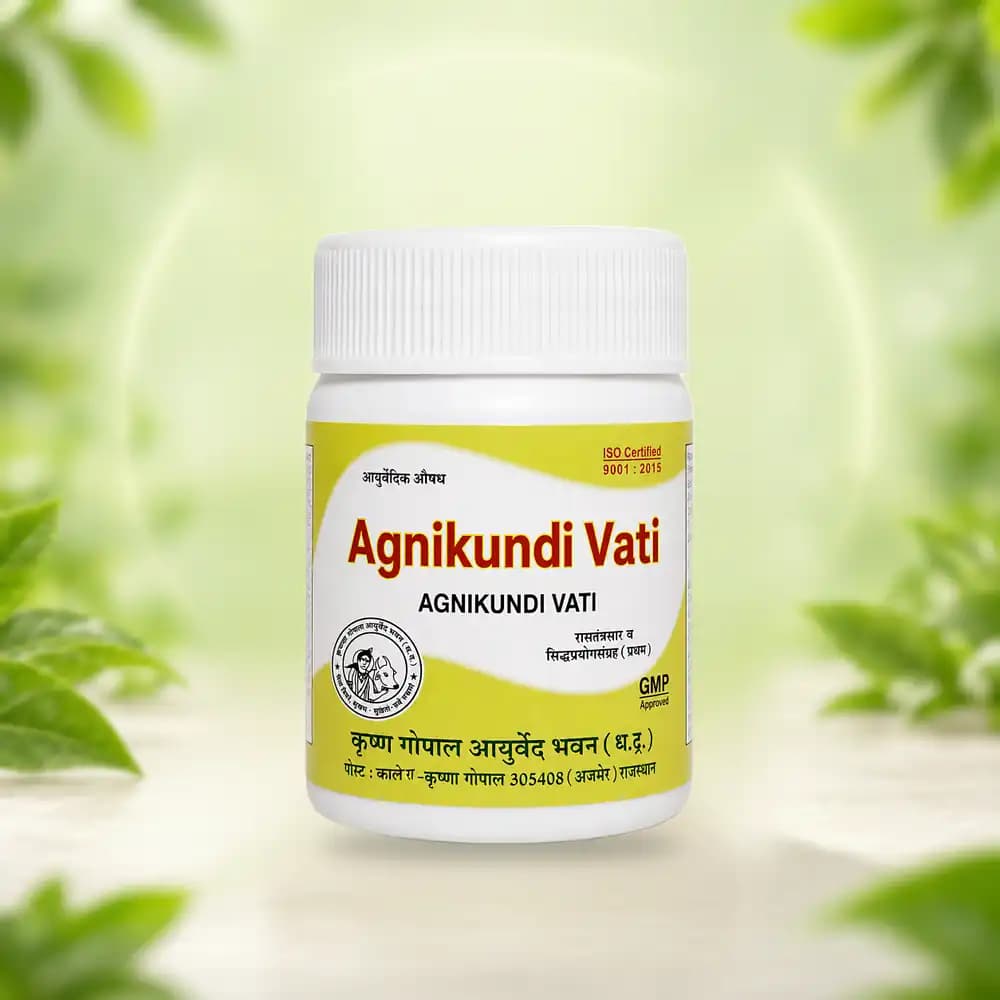
Agnikundi Vati (Kalera) Kalera
Piles & constipation remedy
Strip of 80 Tablets
4.5
₹95Get ₹9 Cashback
₹10610% off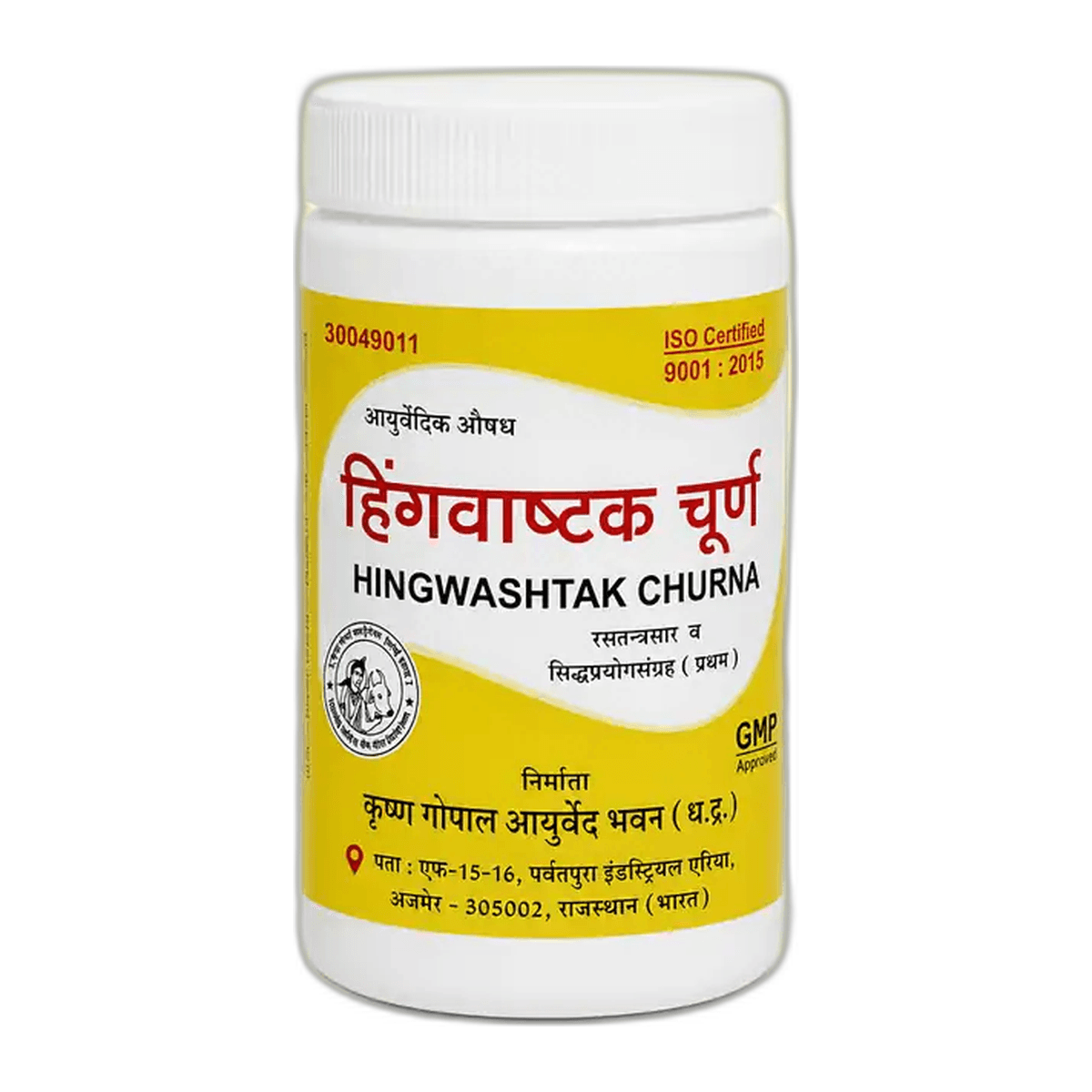 Prescribed to you4.5₹13 cashback
Hingvashtak Churna (Kalera)KaleraSupports digestive stimulant and bloating
Container of 50 g
4.5
₹139Get ₹13 Cashback
₹15611% off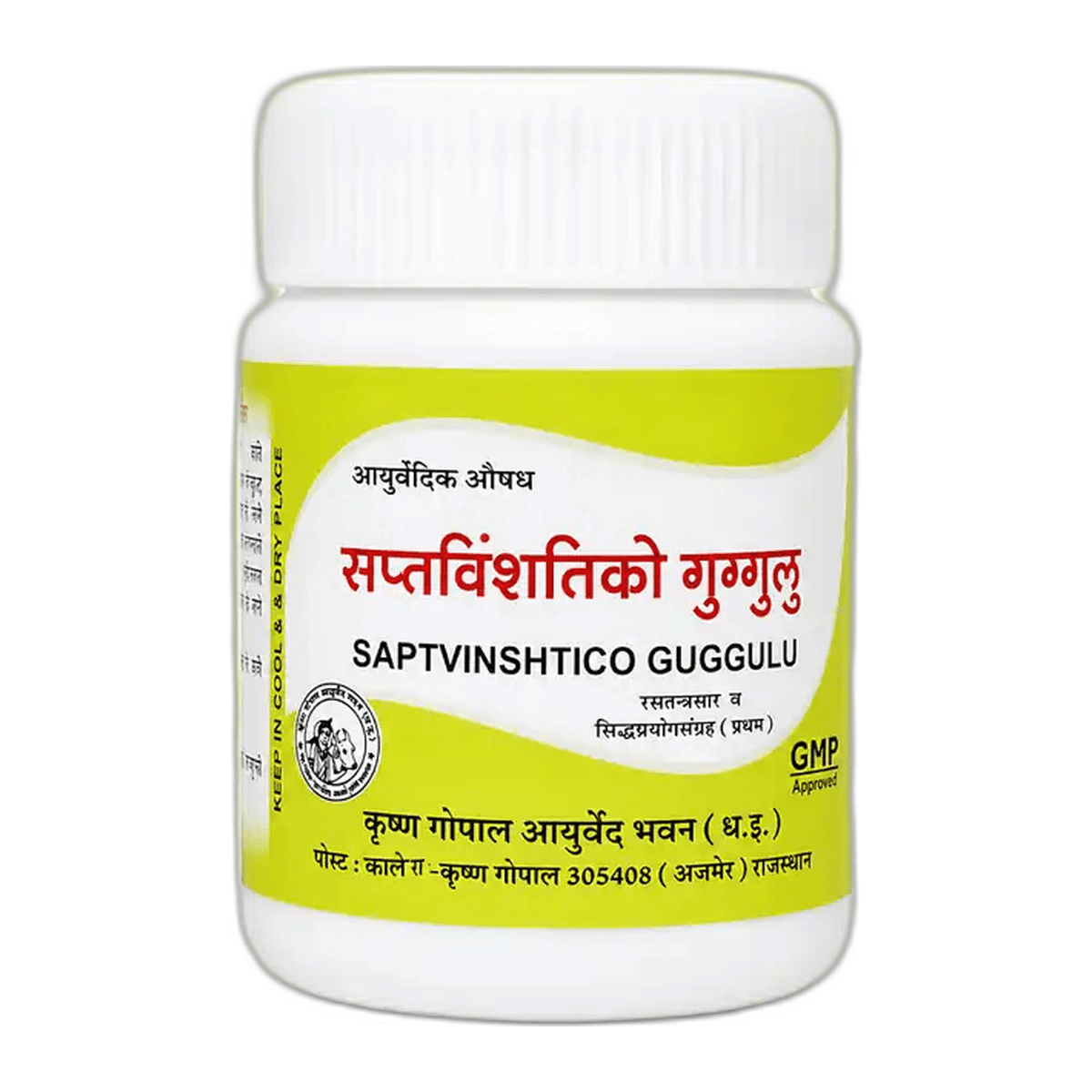 Prescribed to you4.3₹9 cashback
Saptavinshatiko Guggul (Kalera)KaleraDaily support for urinary disorders
Strip of 30 Tablets
4.3
₹90Get ₹9 Cashback
₹10010% off
