Glaucoma
Reviewed by medical experts · For informational purposes only
Introductory summary
Glaucoma correlates with the Ayurvedic condition Adhimantha which represents a severe progression of untreated Abhishyanda or ophthalmia. It is characterized by excruciating churning pain in the eyes and head often feeling as though the eye is being extracted. This condition involves the vitiation of Doshas particularly Vata which generates intense tension and visual deterioration known as Timira. If neglected Adhimantha leads to permanent vision loss or Drishti Nasha. Ayurvedic management focuses on stabilizing the nervous system and preserving the optic nerve. While therapies like Netra Tarpana using medicated ghee are highly beneficial for nourishing the eyes and treating optic nerve atrophy procedures like Shirodhara are strictly contraindicated for glaucoma due to the risk of increasing intraocular pressure.
Glaucoma
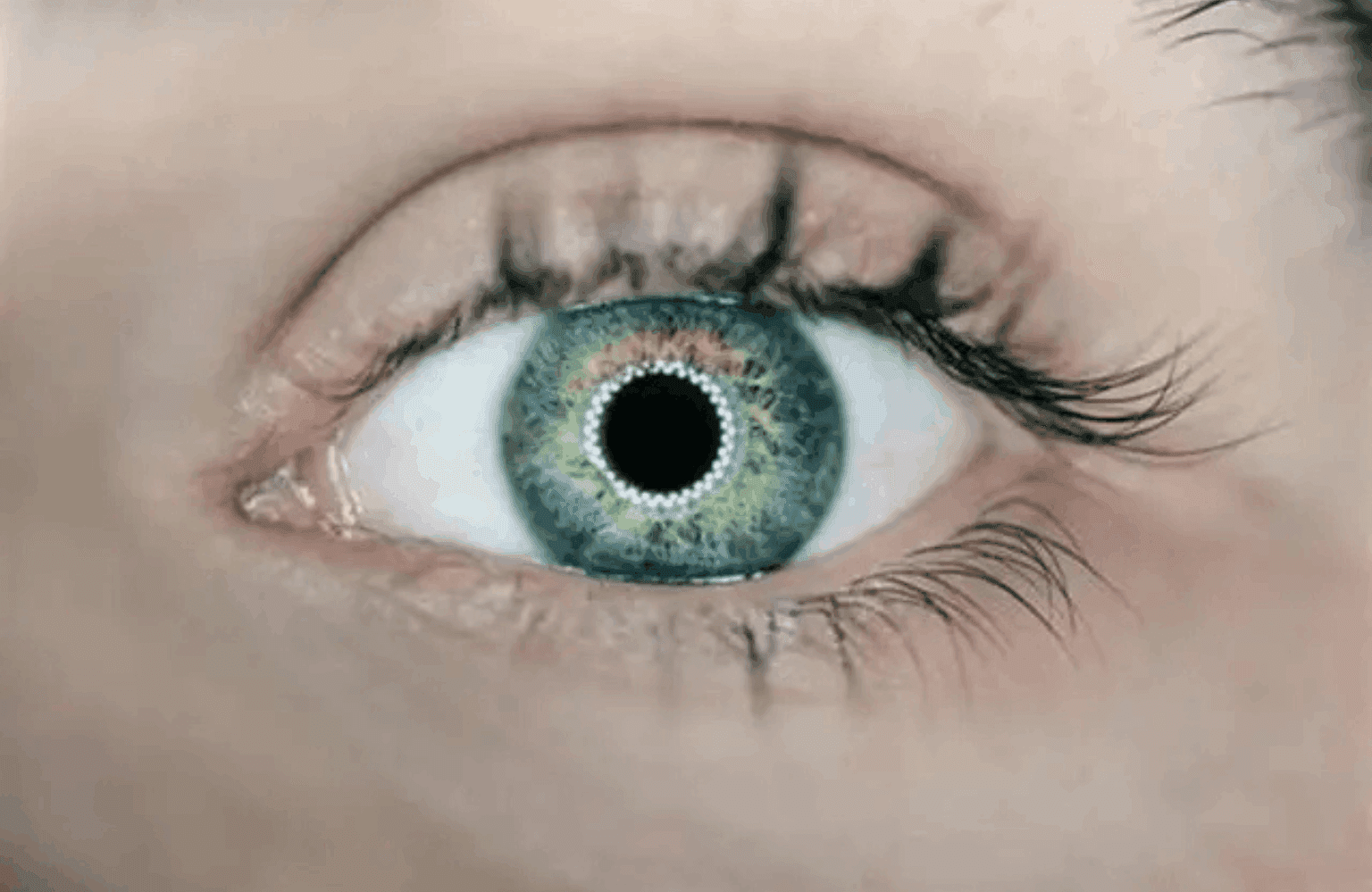
Glaucoma is a group of eye conditions that damage the optic nerve, often caused by abnormally high pressure in the eye. In Ayurveda, this condition correlates most closely with Adhimantha (severe eye pain with churning sensation) and Timira (progressive vision loss/darkness). It is a severe complication arising from untreated Abhishyanda (ophthalmia/conjunctivitis). The condition is characterized by intense pain in the head and eyes, leading to the destruction of vision if not treated promptly.
1. Definition
Modern Definition: Glaucoma is a disease of the optic nerve, often associated with elevated intraocular pressure, leading to visual field loss and blindness.
Ayurvedic Definition: Adhimantha is a severe eye disease where the patient experiences excruciating pain in the eye and the corresponding side of the head, feeling as if the eye is being torn out or churned. It is considered an advanced stage of eye disease that can lead to Drishti Nasha (loss of vision).
2. Etymology & Conceptual Meaning
- Literal Meaning:
- Adhimantha: Derived from "Adhi" (excessive/intense) and "Mantha" (churning). It describes a condition characterized by "churning pain" in the eyes.
- Timira: Darkness. This refers to the symptom of vision becoming dark or blurred, which occurs in the later stages of eye pathology.
- Conceptual Interpretation: Ayurveda views the eye (Netra) as the seat of the Fire element (Tejas). When the Doshas obstruct the channels of vision, internal pressure builds up, causing pain (Adhimantha) and eventual darkness (Timira) or blindness.
3. Causes (Nidana)
The primary cause of Adhimantha is the neglect or improper treatment of Abhishyanda (Conjunctivitis/fluid accumulation in the eye). Other general causes for eye diseases include:
- Dietary Causes: Excessive intake of sour, salty, and pungent foods; alcohol; and incompatible food combinations.
- Lifestyle Causes:
- Suppression of natural urges (Vegadharana), especially tears and vomiting.
- Sleeping during the day (Divaswapna) or staying awake late at night.
- Exposure to smoke, dust, and excessive heat.
- Trauma: Injury to the head or eyes.
4. Journey of the Disease (Pathogenesis / Samprapti)
The disease progresses from a superficial infection to a deep-seated nerve disorder.
- Samprapti Ghataka (Components):
- Pathogenesis:
The vitiated Doshas circulate through the blood vessels and lodge in the upper body (supraclavicular region). They enter the eyes causing Abhishyanda (oozing/inflammation). If this is neglected, the Doshas penetrate deeper, causing severe churning pain and pressure, resulting in Adhimantha. This eventually damages the optic nerve (Drishti), leading to blindness.
5. Symptoms (Lakshana)
- Cardinal Symptom: Excruciating "churning" pain (Mantha) in the eye and half of the head (Hemicrania).
- Visual Symptoms:
- Timira
- Netra Tamyati
- Physical Symptoms: Redness, tearing, and swelling.
- Systemic: Headache (Shirahshula).
6. Different Types or Classification (Bheda)
Madhava Nidana classifies major eye diseases, including Adhimantha, based on the dominant Dosha:
-
Vataja: Intense pain, feeling of eye extraction, seeing swirling shapes.
-
Pittaja: Burning sensation, redness, suppuration.
-
Kaphaja: Heaviness, sticky discharge, dull pain.
-
Raktaja: Intense redness, bleeding, resembling Pittaja but more severe.
7. Diagnosis
• Ayurvedic Diagnosis:
◦ Prashna (Interrogation): Assessing the nature of pain (churning vs. burning) and history of previous eye infections.
◦ Darshana (Observation): Checking for redness, discharge, and the luster of the eye.
• Differential Diagnosis: Differentiated from Shiro-roga (Headaches) where the pain originates in the head, whereas in Adhimantha, the pain originates in the eye and radiates to the head.
8. Disease Management
Management focuses on lowering pressure and strengthening the optic nerve.
Medicines
- Triphala
- Triphala Ghrita, Jeevantyadi Ghrita, Patoladi Ghrita
Panchakarma (Procedures)
- Netra Tarpana
- Nasya
- Virechana
- Contraindication: Shirodhara
Diet (Ahara)
9. Prognosis
- Critical: Vision loss within days described in classical texts.
- Manageable: Early-stage Abhishyanda or Timira.
- Incurable: Drishti Nasha.
10. Modern Correlations
• Adhimantha = Acute Congestive Glaucoma: The description of sudden, severe, churning pain with headache matches an acute angle-closure glaucoma attack.
• Timira = Chronic Open-Angle Glaucoma: The gradual onset of "darkness" or loss of vision without acute pain correlates with chronic glaucoma or cataracts.
• Optic Nerve Atrophy: Ayurveda specifically treats this sequela using Netra Tarpana.
11. References
- World Health Organization (WHO)
Blindness and Vision Impairment – Glaucoma
https://www.who.int/health-topics/blindness-and-vision-impairment - WHO – Prevention of Blindness Programme
https://www.who.int/teams/noncommunicable-diseases/sensory-functions-disability-and-rehabilitation/blindness-and-vision-impairment - National Eye Institute (NEI – NIH, USA)
Glaucoma: Causes, Symptoms & Treatment
https://www.nei.nih.gov/learn-about-eye-health/eye-conditions-and-diseases/glaucoma - Centers for Disease Control and Prevention (CDC)
Glaucoma and Vision Loss
https://www.cdc.gov/visionhealth/resources/features/glaucoma-awareness.htm - Mayo Clinic
Glaucoma – Diagnosis & Management
https://www.mayoclinic.org/diseases-conditions/glaucoma - Cleveland Clinic
Glaucoma Overview
https://my.clevelandclinic.org/health/diseases/8589-glaucoma - NHS (UK)
Glaucoma
https://www.nhs.uk/conditions/glaucoma
12. FAQ Section
Q: Is Shirodhara good for Glaucoma?
A: No. According to the Practical Handbook of Panchakarma Procedures, Glaucoma is a specific contraindication for Shirodhara (oil pouring on the head) and Shirovasti (oil pooling on the head), likely due to the risk of increasing pressure in the head and eyes.
Q: What is the best Ayurvedic treatment for the optic nerve?
A: Netra Tarpana is the most recommended therapy. It involves pooling medicated ghee (like Triphala Ghrita) over the eyes. It is scientifically observed to nourish eye structures and strengthen the optic nerve.
Q: Can dietary habits cause eye diseases like Glaucoma?
A: Yes. Ayurveda states that excessive intake of sour, salty, and pungent foods, along with habits like sleeping during the day or suppressing the urge to vomit or cry, vitiates the Doshas which then lodge in the eyes, leading to diseases.
Q: What is "Adhimantha"?
A: Adhimantha is the Ayurvedic term most closely correlated with acute Glaucoma. It describes a condition of severe "churning" pain in the eye and head, which can lead to blindness if the preceding eye discharge (Abhishyanda) is neglected.
Consult a Doctor
- SJ3.9SUMEDH JOSHI
Ayurveda7 yrs exp
- VH3.9Vaidya Harsh
Ayurveda9 yrs exp
- S4.5Dr. Shan
Ayurveda4 yrs exp
- GG3.0Dr GN Govinda
Ayurveda1 yrs exp
Buy Medicine
 Prescribed to you4.5₹10 cashback
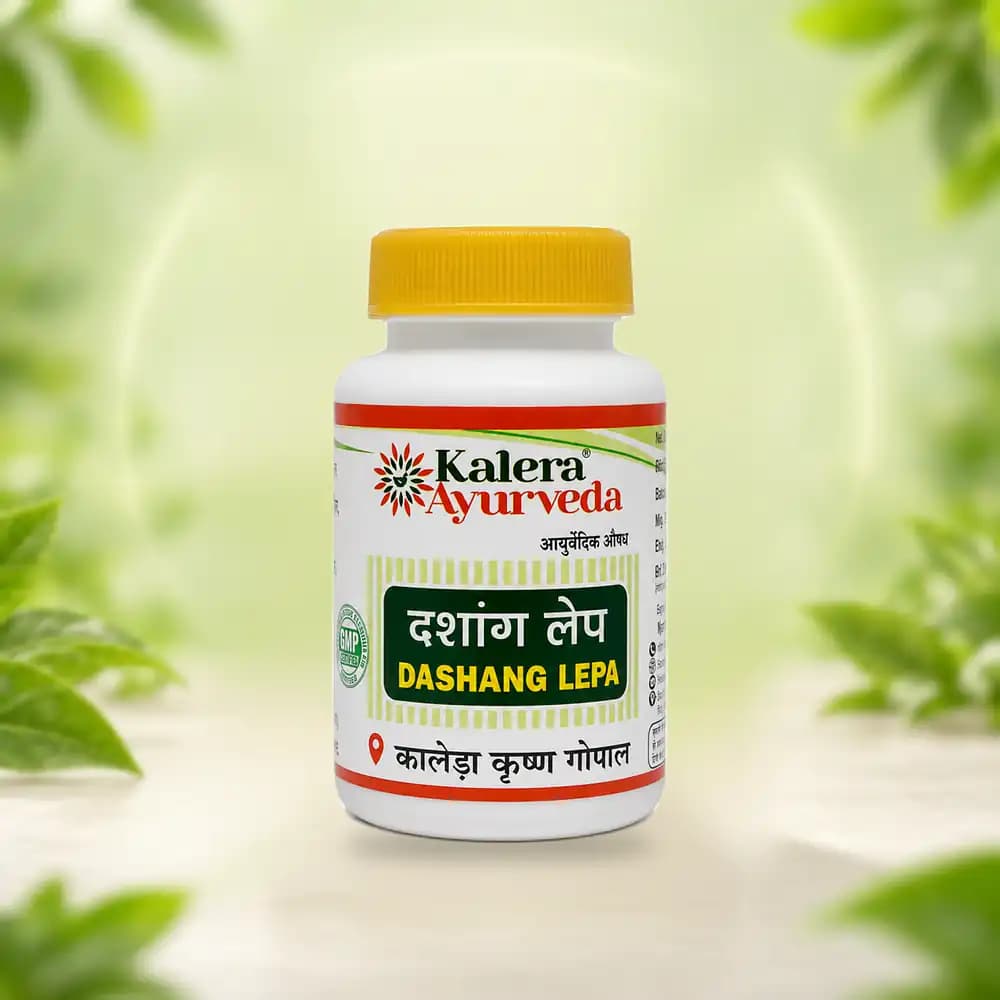
Dashang Lepa (Kalera) Kalera
Physician-Guided External Application
Container of 50 g
4.5
₹105Get ₹10 Cashback