

Stomach cancer Symptoms and Causes
Reviewed by medical experts · For informational purposes only
Introductory summary
Stomach cancer correlates with the Ayurvedic concepts of Amashayagata Arbuda and Gulma representing a deep seated gastric tumor or abdominal lump. It originates from the vitiation of Kapha and Vata doshas damaging muscle and blood tissues often triggered by incompatible foods and chronic indigestion. Key symptoms include severe abdominal pain or Shula loss of appetite and extreme emaciation known as Karshya. Management focuses on restoring digestive fire and scraping the tumorous mass. The Ayurvedic Formulary of India highlights potent formulations containing Semecarpus anacardium like Bhallataka and Kanchanara Guggulu for reducing growths. Therapeutic procedures such as Virechana or purgation and the use of alkalis known as Kshara are employed to manage obstruction and prevent further tissue degeneration though advanced stages are considered difficult to treat.
Stomach Cancer
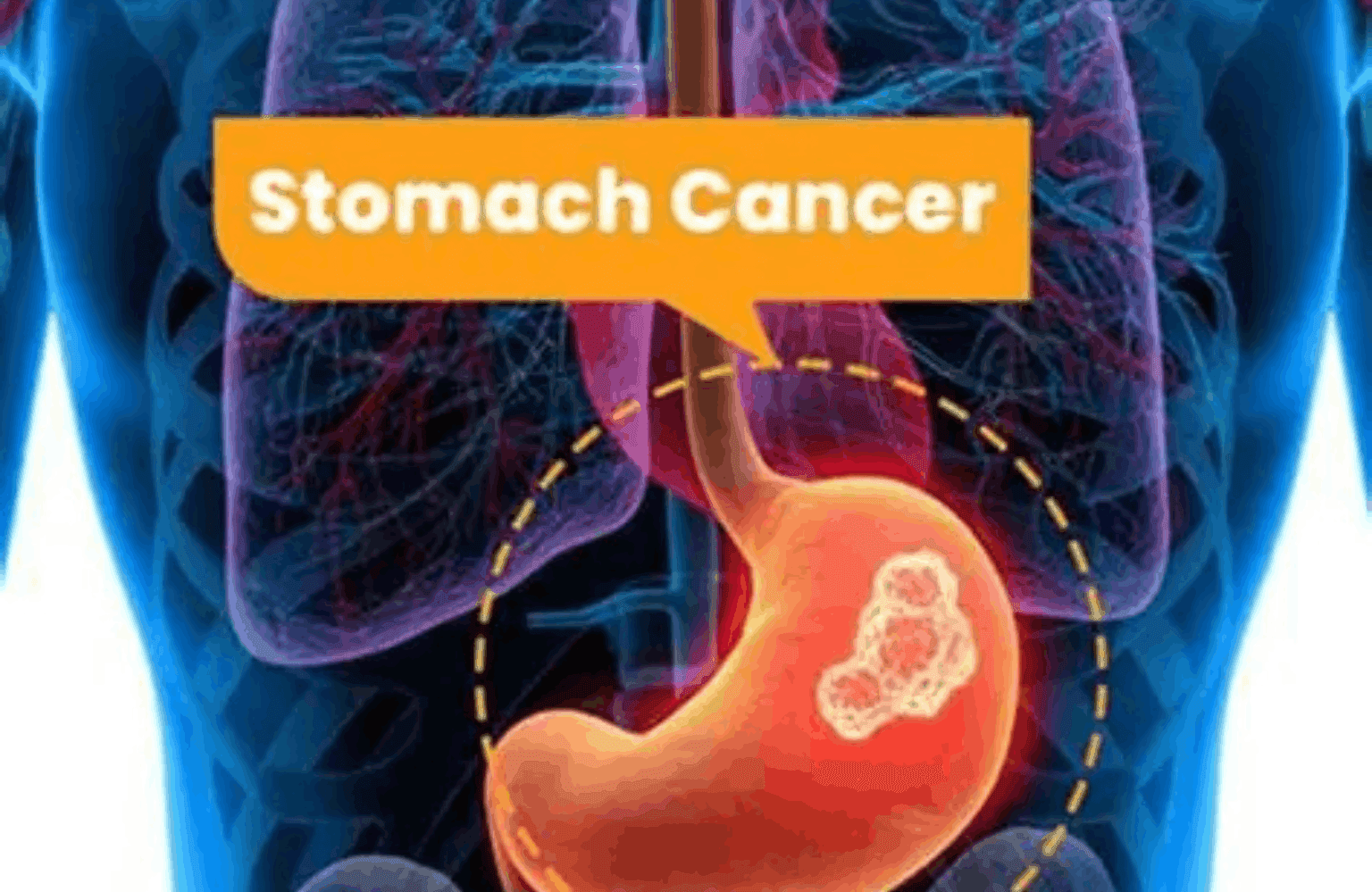
Stomach cancer, also known as gastric cancer, is a disease in which malignant (cancerous) cells form in the lining of the stomach. In Ayurveda, this condition is not described as a single entity but falls under the categories of Arbuda (Tumor/Swelling), Granthi (Nodular growth), and Gulma (Abdominal lump). Specifically, when these growths occur in the Amashaya (stomach/epigastric region) and exhibit malignant characteristics like deep-rootedness and rapid growth, they correlate with modern gastric carcinoma.
1. Definition
- Modern Definition: The abnormal proliferation of cells in the stomach lining, often forming a mass or ulcer.
- Ayurvedic Definition: A condition characterized by Arbuda (a major swelling/tumor) that is fixed, deep-seated, and non-suppurating (does not form pus easily). It may also present as a Gulma (palpable mass) in the upper abdomen that causes obstruction to the passage of food and severe pain.
2. Etymology & Conceptual Meaning
- Arbuda: The term means "tumor" or "swelling." It is described as a mass that is round, fixed, large, deep-seated, and grows slowly or rapidly depending on the Doshas involved.
- Gulma: Derived from the concept of a "bush" or "thicket," representing a blockage or lump in the abdomen.
- Conceptual Interpretation: In stomach cancer, the Kapha and Vata doshas vitiate the Mamsa (muscle/flesh) and Rakta (blood) tissues in the stomach. This leads to a growth that obstructs the Annavaha Srotas (food carrying channel), leading to indigestion, wasting, and pain.
3. Causes (Nidana)
Ayurveda attributes the formation of abdominal tumors to dietary and lifestyle errors that corrupt the blood and muscle tissue.
- Dietary Causes:
- Viruddha Ahara: Consumption of incompatible foods (e.g., fish with milk) is a major cause of blood (Rakta) and flesh (Mamsa) disorders.
- Vidahi & Tikshna Foods: Excessive intake of burning, acidic, and sharp foods damages the stomach lining (Amashaya), leading to Amlapitta (gastritis) which can be a precursor to ulcers and growths.
- Meat Consumption: Excessive consumption of meat, especially aquatic or marshy animals, is cited as a cause for Mamsa (flesh) disorders.
- Lifestyle Causes:
4. Journey of the Disease (Pathogenesis/Samprapti)
- Samprapti Ghataka (Components):
- Dosha: Kapha (causes the mass/swelling), Vata (causes pain and spread), Pitta (causes inflammation/ulceration).
- Dushya (Tissues): Mamsa (Muscular wall of stomach), Rakta (Blood), and Medas (Fat).
- Srotas (Channels): Annavaha Srotas (Digestive tract) and Rasavaha Srotas (Nutrient plasma channels).
- Agni: Jatharagni Mandya (Severe impairment of digestive fire) and formation of Ama (toxins).
- Pathogenesis:
- Due to etiological factors, Kapha and Vata become aggravated in the stomach.
- They vitiate the muscle and blood tissues, leading to a localized swelling or hardening.
- This swelling (Arbuda) becomes fixed (Achala) and deep-seated.
- It obstructs the digestion and movement of food, leading to the production of toxins (Ama) and severe wasting of the body (Dhatu Kshaya).
5. Symptoms (Lakshana)
- Early Symptoms:
- Agnimandya: Persistent indigestion and loss of appetite.
- Amlapitta: Chronic acidity, sour belching, and burning sensation.
- Shula: Pain in the upper abdomen (epigastric pain).
- Advanced Symptoms:
- Arbuda/Gulma: A palpable hard mass in the abdomen.
- Chardi: Vomiting, sometimes with blood (Raktapitta).
- Karshya: Extreme weight loss and emaciation due to malabsorption (Grahani).
- Pandu: Anemia (pallor) due to internal bleeding and lack of nutrition.
- Udararoga: Accumulation of fluid (Ascites) in very late stages.
6. Different Types or Classification (Bheda)
While stomach cancer is a singular diagnosis in modern terms, Ayurveda classifies abdominal growths based on the dominant Dosha or tissue involvement:
- Mamsarbuda: A flesh tumor. It is described as painless (initially), smooth, having the color of skin, non-suppurating, and hard like a stone. This closely resembles solid tumors.
- Raktarbuda: A vascular/blood tumor. Characterized by rapid growth and exudation of blood. This is considered difficult to cure.
- Tridoshaja Gulma: A lump caused by all three Doshas, characterized by severe pain and mixed symptoms. It is often considered incurable.
7. Diagnosis
- Ayurvedic Diagnosis (Roga Pariksha):
- Sparshana (Palpation): Feeling the abdomen for a fixed, hard mass (Arbuda) or a lump (Gulma).
- Prashna (Questioning): History of incompatible diet (Viruddha Ahara) and chronic indigestion.
- Darshana (Observation): Observing signs of wasting (Karshya) and anemia (Pandu).
- Differential Diagnosis:
- Must be distinguished from Vidradhi (Internal Abscess) which presents with signs of acute inflammation and pus formation.
- Distinguished from benign Gulma (often gas-related and movable).
8. Disease Management
Management focuses on Agni Deepana (improving digestion), Lekhana (scraping/reducing the mass), and Rasayana (rejuvenation) to support immunity.
Diet (Ahara)
- Beneficial: Light, easily digestible foods. Usage of Barley (Yava), Green Gram (Mudga), and Old Rice.
- Herbs: Garlic (Lashuna) and Buttermilk (Takra) are often recommended for abdominal growths (Gulma).
- Avoid: Heavy, oily, meat-heavy, and incompatible foods that aggravate Kapha and produce Ama.
Medicines
- Kanchanara Guggulu: Specifically indicated for Granthi (nodules), Arbuda (tumors), and Galaganda (goiter). It helps in reducing the size of growths.
- Bhallataka Formulations: Bhallataka (Semecarpus anacardium) is a potent herb used for Gulma and Arbuda. Formulations like Amrita Bhallataka or Guda Bhallataka are used to scrape away abnormal tissue.
- Rohitakarishta: Prescribed for Gulma, Pliha (spleen disorders), and abdominal tumors.
- Vajra Bhasma (Diamond Ash) / Tamra Bhasma: Potent mineral preparations used in severe conditions like Arbuda and Gulma to penetrate and destroy hard masses.
- Panchamrita Parpati: Used for Grahani and malabsorption issues associated with abdominal diseases.
Panchakarma
- Vamana (Therapeutic Emesis): In the early stages, if the tumor is associated with Kapha in the stomach (Amashaya), mild emesis may be used to clear the Dosha.
- Kshara Karma: The use of alkali (Kshara) is indicated for shrinking tumors and growths (Arbuda) due to its corrosive and scraping nature.
- Svedana (Fomentation): Upanaha (poultices) may be applied externally to relieve pain.
9. Prognosis
- Krichrasadhya (Difficult to Cure): If the patient is strong and the disease is diagnosed early (localised growth).
- Asadhya (Incurable): Mamsarbuda (fleshy tumors) and Raktarbuda (blood tumors) are generally described as difficult to cure or incurable, especially if they are fixed, deep-seated, and occur in patients who are debilitated. If symptoms like severe dropsy (Udara) or wasting (Kshet) appear, prognosis is poor.
10. Modern Correlations
- Gastric Carcinoma: Correlates with Amashayagata Arbuda.
- Abdominal Mass: Correlates with Gulma.
- Cachexia (Cancer wasting): Correlates with Dhatu Kshaya and Karshya seen in chronic abdominal diseases.
- Metastasis: The concept of Dvirarbuda (secondary tumor) in Ayurveda describes a tumor arising on top of another or spreading, which is considered incurable.
11. References
-
Mayo Clinic – Stomach Cancer (Gastric Cancer)
https://www.mayoclinic.org/diseases-conditions/stomach-cancer/symptoms-causes/syc-20352438
-
Cleveland Clinic – Stomach Cancer
https://my.clevelandclinic.org/health/diseases/15232-stomach-cancer
-
National Cancer Institute (NCI) – Gastric Cancer
https://www.cancer.gov/types/stomach
-
Johns Hopkins Medicine – Gastric Cancer
https://www.hopkinsmedicine.org/health/conditions-and-diseases/stomach-cancer
-
World Health Organization (WHO) – Cancer Fact Sheets
https://www.who.int/news-room/fact-sheets/detail/cancer
-
MedlinePlus – Stomach Cancer
https://medlineplus.gov/stomachcancer.html
-
The Lancet Oncology
https://www.thelancet.com/journals/lanonc
-
Journal of Clinical Oncology (ASCO)
https://ascopubs.org/journal/jco
12. FAQ Section
Q: Can Ayurveda cure stomach cancer?
A: Ayurveda describes conditions like Arbuda (tumors) which can be difficult to cure (Krichrasadhya) or incurable (Asadhya) depending on the stage. While it offers supportive care, management of symptoms, and quality of life improvement through Rasayana (rejuvenation), advanced tumors are often considered critical conditions.
Q: What herbs are good for abdominal tumors in Ayurveda?
A: Herbs like Kanchanara, Rohitaka, Guggulu, and Bhallataka are traditionally used to treat growths (Granthi/Arbuda) and reduce inflammation.
Q: Is diet important in preventing stomach growths?
A: Yes. Ayurveda strongly emphasizes avoiding Viruddha Ahara (incompatible foods like fish and milk) and Vidahi (burning/acidic) foods, as these are primary causes of blood and muscle tissue vitiation leading to growths.
Q: What is the Ayurvedic view on surgery for tumors?
A: Ancient Ayurvedic texts like Sushruta Samhita recommend surgical excision for certain types of Arbuda (tumors) followed by cauterization (Agni karma) or alkali application (Kshara karma) to prevent recurrence.
Consult a Doctor
- NG5.0Dr Nandini gaur
Ayurveda1 yrs exp
- KC5.0Dr. Kamesh chand sharma
Ayurveda2 yrs exp
- PP4.4Dr prince patel
Ayurveda22 yrs exp
- KH4.4Dr Kowshalya H S
Ayurveda3 yrs exp