

Warts Causes and Symptoms
Reviewed by medical experts · For informational purposes only
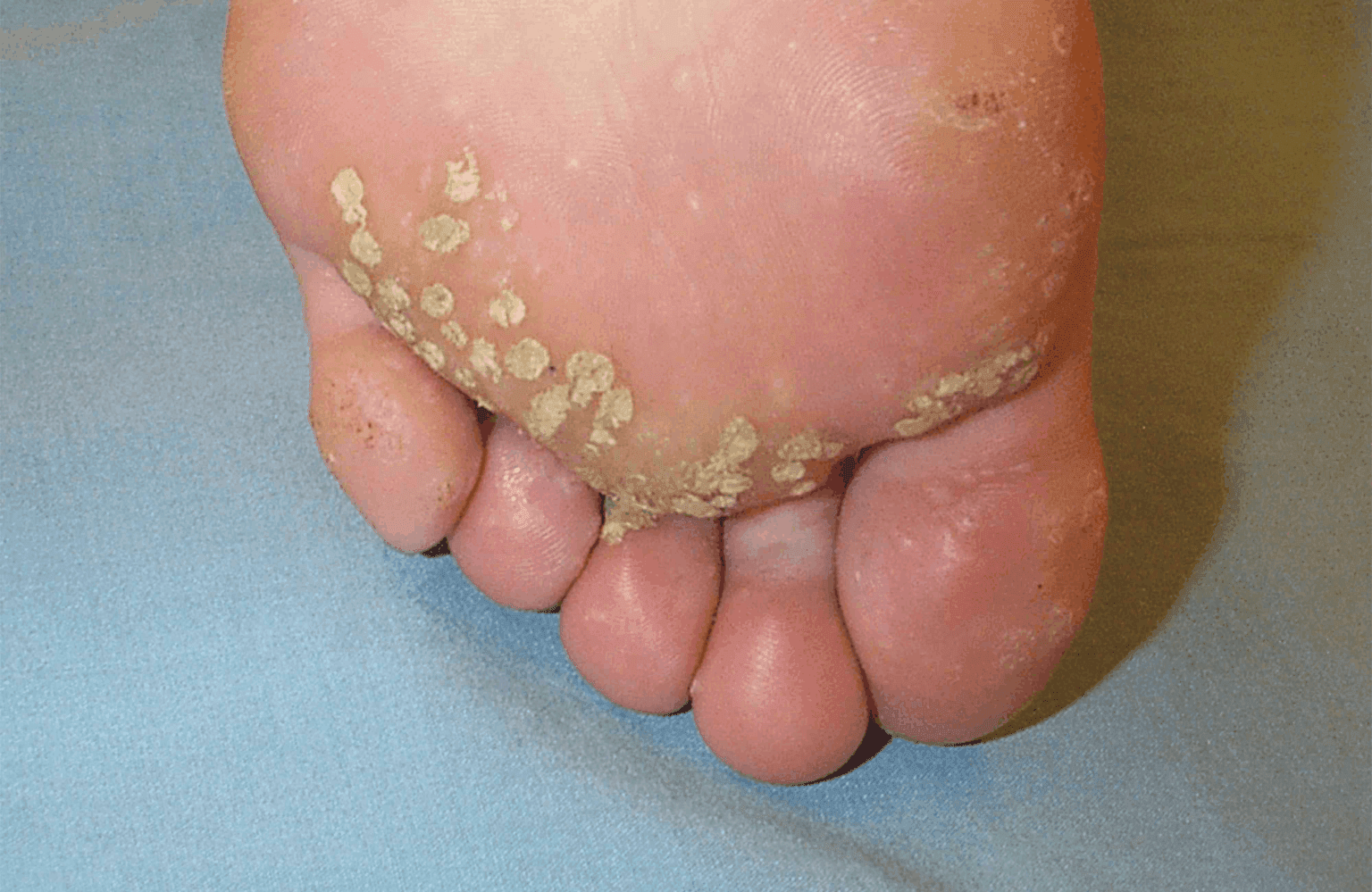
Introductory summary
In Ayurveda warts are known as Charmakila and are classified under minor diseases known as Kshudraroga. The pathology involves the aggravation of Vyana Vata combining with Kapha dosha to produce firm rough and nail-like growths on the skin surface. Texts describe them as stable and hard elevations that resemble the texture of a nail or skin hemorrhoids. They represent a disorder of the external disease passage involving the skin and flesh tissues. The condition arises when the vitiated doshas become localized in the skin creating these fixed obstructing masses that are distinct from other skin eruptions like moles or tumors.
Warts
Warts are cutaneous growths caused by the proliferation of skin cells. In the classical Ayurvedic system of medicine, warts are referred to as Charmakeela (literally "nail of the skin") or Carmakila. They are generally classified under Kshudra Rogas (minor diseases) or diseases affecting the Bahya Roga Marga (external disease pathway).
1. Definition
Charmakila is defined as a cutaneous condition where the Vyana Vata (the sub-type of air energy that circulates through the body) becomes aggravated and pushes Kapha (mucus/phlegm) to the exterior skin. This results in the formation of a fixed, immovable, and nail-like sprout or spike on the surface of the skin.
2. Etymology & Conceptual Meaning
-
Literal Meaning: The term is derived from Charma meaning "skin" and Kila meaning "nail," "spike," or "peg."
-
Conceptual Interpretation: Ayurveda views this as a systemic displacement of Doshas. The Vyana Vata grips the dense qualities of Kapha and deposits them in Twak (skin), causing a structural deformity resembling a peg.
3. Causes (Nidana)
-
Doshic Factors: Vitiation of Vyana Vata and Kapha (Shleshma).
-
Dietary & Lifestyle Causes: Factors aggravating Vata and Kapha such as Viruddha Ahara or suppression of natural urges contribute to skin manifestations,.
-
Infectious Contact: Certain skin diseases (Kushtha) are described as Aupasargika, spreading through Gatrasamsparsha (physical contact), shared clothing, or cohabitation.
4. Journey of the Disease (Pathogenesis / Samprapti)
-
Dosha: Vyana Vata and Kapha
-
Dushya: Twak, Rakta, Mamsa
-
Srotas: Circulatory channels and skin pores
-
Adhisthana: External skin
-
Process: Vitiated Kapha is propelled outward by aggravated Vyana Vata and becomes fixed in the skin (Bahirbhaga), forming a nail-like growth.
5. Symptoms (Lakshana)
-
General Appearance: Fixed (Sthira) and immovable growth.
-
Vata Dominance: Toda (pricking pain), Parushya (roughness).
-
Kapha Dominance: Snigdha (smooth), Grathita (knotted), Savarna (skin-colored).
-
Pitta Dominance: Redness or burning (Daha), as seen in related growths.
6. Different Type or Classification (Bheda)
As per Madhava Nidana:
- Vataja
- Kaphaja
- Pittaja (implied)
7. Diagnosis
-
Differential Diagnosis: Arsha, Mamsakila, other Kshudraroga
8. Disease Management
Medicines
-
Kshara (Pratisaraneeya Kshara)
-
Aragvadha, Karanja, Guduci
-
Thuja (mentioned contextually)
Panchakarma & Surgical Procedures
-
Agni Karma using Shalaka
-
Kshara Karma
9. Prognosis
-
Curable: Classified as Kshudra Roga
-
Recurrence: Possible without Samshodhana therapy
10. Modern Correlations
-
Correlates with Verruca vulgaris
-
Comparison with Molluscum contagiosum
-
HPV vs Vyana Vata–Kapha theory
-
Aupasargika correlation with infectious spread
11. References
- Ksharkarma as a Management of Charmakeela (Warts) — Review article discussing Charamkeela pathology and therapeutic use of Kshara karma in Ayurveda (in International Journal of Life Science and Pharma Research). (ijlpr.com)
- Role of Agni Karma in the Management of Charmakeela (Epidermal Nevus Case) — Ayurvedic case study analyzing Agni karma, Kshara karma, and Chhedana karma for skin growths likened to Charamekeela (in International Journal of AYUSH). (internationaljournal.org.in)
- Management of Charmakeela by Viddha Karma + Arka Ksheeradi Lepa + Vidanga Churna — Clinical paper detailing Ayurvedic surgical and herbal approaches for warts/Charmakeela. (Jaims)
- A Case Study of Sushrutokta Agnikarma on Charmakeela (Wart) — Case report showing Agnikarma performed with Panchadhatushalaka for wart removal with good outcomes. (ayurlog.com)
- Cosmetological Primacy of Modified Ksharakarma over Agnikarma in Warts — Comparative Ayurvedic case study on procedures for wart management that aligns with your described treatments. (internationaljournal.org.in)
- PubMed Review on Ayurveda Management of Warts (Charmakeela) — Research overview from PubMed describing indigenous procedures like Raktamokshana, Ksharakarma, Agnikarma as beneficial in wart treatment. (PubMed)
12. FAQ Section
Q: Are warts contagious according to Ayurveda?
A: Yes. Ayurveda classifies skin diseases (Kushtha and related ailments) as Aupasargika Roga, meaning they can spread from person to person through physical contact (Gatrasamsparsha), sharing clothes, or sleeping together.
Q: What is the main cause of warts in Ayurveda?
A: Warts (Charmakila) are caused by the aggravation of Vyana Vata (the circulating air element) which pushes Kapha (phlegm/structure) to the outer skin, creating a fixed, nail-like growth.
Q: How are warts treated in Ayurveda without surgery?
A: Apart from excision, Ayurveda strongly recommends Agni Karma (thermal cauterization) and Kshara Karma (application of herbal alkalis) to burn or dissolve the growth effectively.
Q: Can diet help prevent warts?
A: Since warts involve Kapha and Vata, a diet that balances these doshas is beneficial. Avoiding incompatible foods (Viruddha Ahara), which are a general cause for skin diseases, is recommended.
Consult a Doctor
- AI4.9Dr. Aayush Ishwar
Ayurveda2 yrs exp
- SJ3.9SUMEDH JOSHI
Ayurveda7 yrs exp
- VH3.9Vaidya Harsh
Ayurveda9 yrs exp
- GG3.0Dr GN Govinda
Ayurveda1 yrs exp