Atibala Benefits and Uses
Reviewed by medical experts · For informational purposes only
Introductory summary
Atibala scientifically known as Abutilon indicum is a potent Ayurvedic herb valued for its strength promoting and rejuvenating properties. Its root is the primary part used possessing a sweet taste unctuous quality and cold potency. It effectively alleviates Vata and Pitta doshas. Therapeutically Atibala acts as a powerful tonic known as Balya and aphrodisiac known as Vrishya making it useful for general debility and reproductive health. It is also indicated for bleeding disorders known as Raktapitta gout known as Vatarakta and urinary disorders known as Meha due to its absorbent and cooling nature. Key formulations containing Atibala include Mahanarayana Taila and Punarnavadyarishta while the recommended dosage for the root powder is typically 3 to 6 grams.
Atibala
Atibala, scientifically known as Abutilon indicum, is a potent medicinal herb in Ayurveda known for its strength-promoting and rejuvenating properties. The name "Atibala" translates to "Very Strong" (Ati = excessive/very, Bala = strength), signifying its immense power to bestow physical strength and vigor. It is closely related to the herb Bala (Sida cordifolia) and is often used in similar contexts to treat nervous system disorders (Vata) and weakness.
1. Name of the Herb
- Common Name: Indian Mallow, Country Mallow.
- Scientific Name: Abutilon indicum (Linn.) Sw. (Fam. Malvaceae).
- Sanskrit Names: Atibalā, Kaṅkatikā, Ṛṣyaproktā.
- Regional Names:
- Hindi: Kanghi
- Bengali: Badela
- Tamil: Tutti
- Malayalam: Uram
- Gujarati: Kansaki, Khapat
- Telugu: Tutturubenda
2. Brief Description
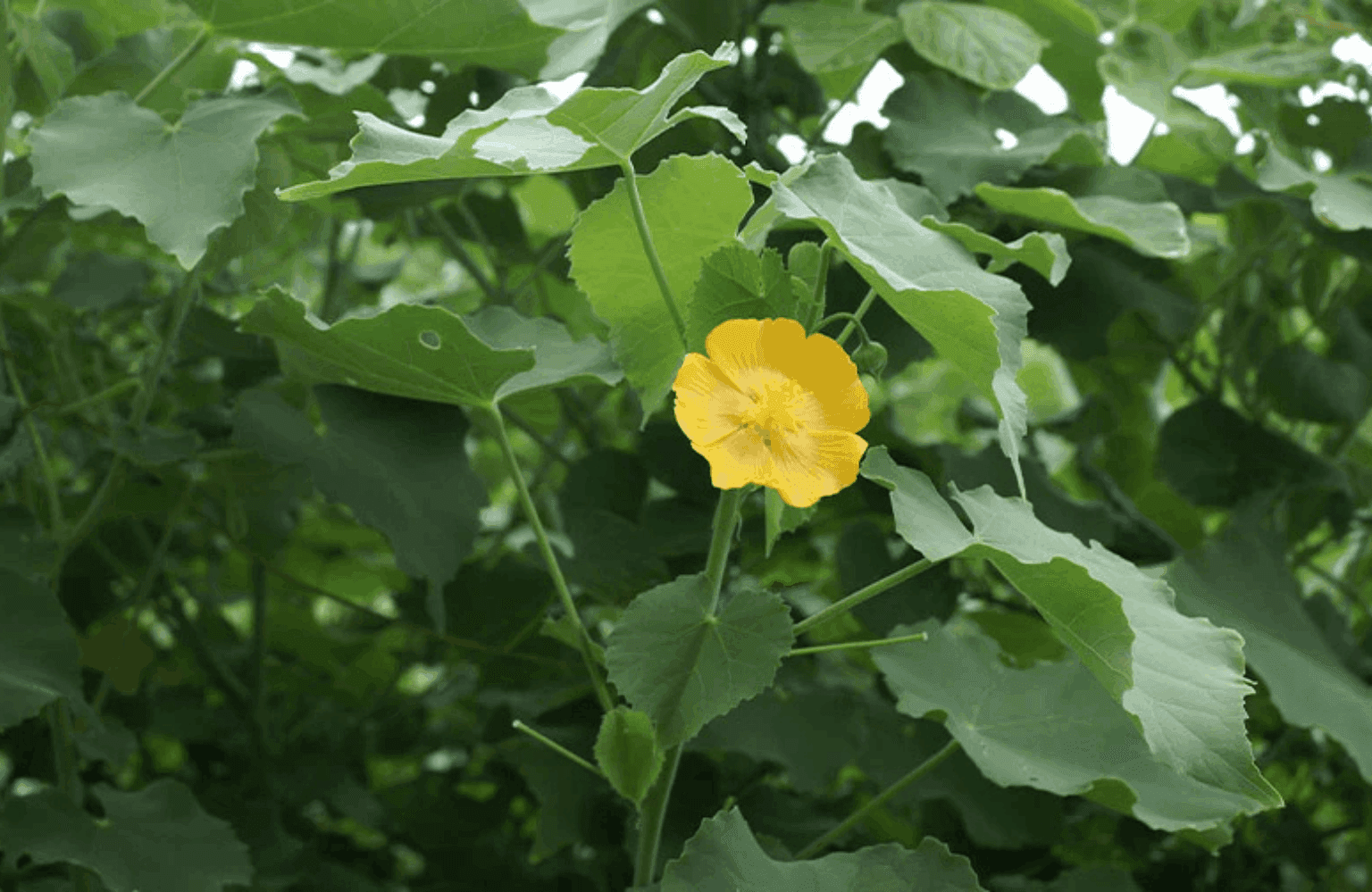
Atibala is a hairy herb or under-shrub that grows up to 1.0–1.5 meters in height. It has golden-yellow flowers and is commonly found as a weed in the hotter parts of India. In Ayurveda, it is highly valued as a Balya (tonic/strength promoter) and Vṛṣya (aphrodisiac). It is widely used to treat general debility, urinary disorders, and bleeding conditions due to its cooling and binding nature.
3. Source / Part Used
- Plant Source: Herbal (Under-shrub).
- Part Used: Root (Mula).
- Note: While the root is the primary part listed in the Pharmacopoeia, the seeds and leaves are also used in traditional practice.
4. Ayurvedic Properties
According to the Ayurvedic Pharmacopoeia of India, the root possesses the following properties:
- Rasa (Taste): Madhura (Sweet).
- Guna (Qualities): Snigdha (Unctuous/Oily).
- Virya (Potency): Śīta (Cold).
- Vipaka (Post-digestive effect): Madhura (Sweet).
- Dosha Effect: Vātahara (Alleviates Vata). Due to its cold potency, it also helps pacify Pitta (heat).
5. Key Benefits
- Promotes Strength: Acts as a powerful Balya (tonic) for the body muscles and nerves.
- Aphrodisiac: Classified as Vṛṣya, supporting reproductive health and vitality.
- Stops Bleeding: Helpful in Raktapitta (bleeding disorders) due to its cooling nature.
- Treats Gout: Effective in managing Vātarakta (Gouty arthritis).
- Supports Urinary Health: Used in conditions like Meha (Urinary disorders/Diabetes).
- Absorbent: Acts as Grāhī, helping to bind the bowels in conditions like diarrhea.
6. Uses / Indications
Atibala is indicated in Ayurveda for the following conditions:
- Vatarakta: Gout and inflammatory arthritis.
- Raktapitta: Bleeding disorders (e.g., nosebleeds, heavy menstruation).
- Meha: Urinary disorders and diabetes.
- Vata Disorders: Used in oils like Mahanarayana Taila and Prameha Mihira Taila to treat paralysis, facial palsy, and lockjaw.
- General Weakness: Used to restore strength in emaciated individuals.
7. How It Works
- Nutritive & Restorative: The Madhura (sweet) taste and post-digestive effect nourish the Dhatus (tissues), providing mass and strength.
- Vata Pacification: Its Snigdha (oily) quality lubricates dry tissues and nerves, calming the Vata dosha responsible for pain and tremors.
- Cooling Action: Its Śīta (cold) potency constricts capillaries (styptic action), making it effective in stopping bleeding (Raktapitta) and reducing burning sensations.
8. Dosage
(General guidance based on Ayurvedic Pharmacopoeia of India):
- Powder (Churna): 3 to 6 grams.
- Decoction: Used as an ingredient in oils and decoctions as per formulation (e.g., Bala Taila).
9. Safety Information
Atibala is generally considered safe when taken in recommended dosages. It is a nutritive herb used in many standard Ayurvedic formulations.
10. Side Effects
- Constipation: Due to its Grāhī (absorbent/binding) property, excessive use might cause constipation in individuals prone to hard stools.
- Otherwise, no significant side effects are reported in the texts.
11. Precautions
- Digestion: As it is Snigdha (unctuous) and nutritive, individuals with weak digestion (Mandagni) should ensure their digestive fire is strong enough to metabolize it.
- Pregnancy: Consult an Ayurvedic physician before use.
12. Storage Instructions
- Store the root powder in a cool, dry place in an airtight container.
- Protect from moisture to prevent mold growth.
13. References
-
Pharmacognostical and phytochemical studies of Abutilon indicum – International Journal of Pharmaceutical Sciences
https://www.ijpsonline.com/articles/pharmacognostical-evaluation-of-abutilon-indicum.html
-
Anti-inflammatory activity of Abutilon indicum leaf extract – Journal of Ethnopharmacology
https://pubmed.ncbi.nlm.nih.gov/16527427/
-
Analgesic and anti-inflammatory effects of Abutilon indicum – Indian Journal of Pharmacology
https://pubmed.ncbi.nlm.nih.gov/20502546/
-
Hepatoprotective activity of Abutilon indicum – Journal of Ethnopharmacology
https://pubmed.ncbi.nlm.nih.gov/15261965/
-
Antimicrobial properties of Abutilon indicum – African Journal of Biotechnology
https://academicjournals.org/journal/AJB/article-full-text/
-
Antidiabetic activity of Abutilon indicum – Pharmacognosy Research
https://www.ncbi.nlm.nih.gov/pmc/articles/PMC3210000/
-
Wound healing activity of Abutilon indicum – International Journal of Phytomedicine
https://www.arjournals.org/index.php/ijpm/article/view/
-
Toxicological evaluation of Abutilon indicum – Journal of Applied Pharmaceutical Science
https://japsonline.com/abstract.php?article_id=
14. FAQs
** **Q. Can it be taken daily?
Yes, in moderate doses (3g), it can be taken as a tonic for strength, similar to Ashwagandha or Bala.
Q. When should it be taken?
It is usually taken with milk or water, preferably after meals to aid absorption and provide nutrition.
Q. Can it be taken with milk/water?
Yes, warm milk is an excellent vehicle (Anupana) for Atibala as it enhances its aphrodisiac and strength-promoting qualities. Warm water is also suitable.
Consult a Doctor
- KC5.0Dr. Kamesh chand sharma
Ayurveda2 yrs exp
- PP4.4Dr prince patel
Ayurveda22 yrs exp
- AG4.6Dr. Abhishek Gupta
Ayurveda1 yrs exp
- AB4.5Dr. Atul Bharadava
Ayurveda4 yrs exp