Bhringraj Benefits and Uses
Reviewed by medical experts · For informational purposes only
Introductory summary
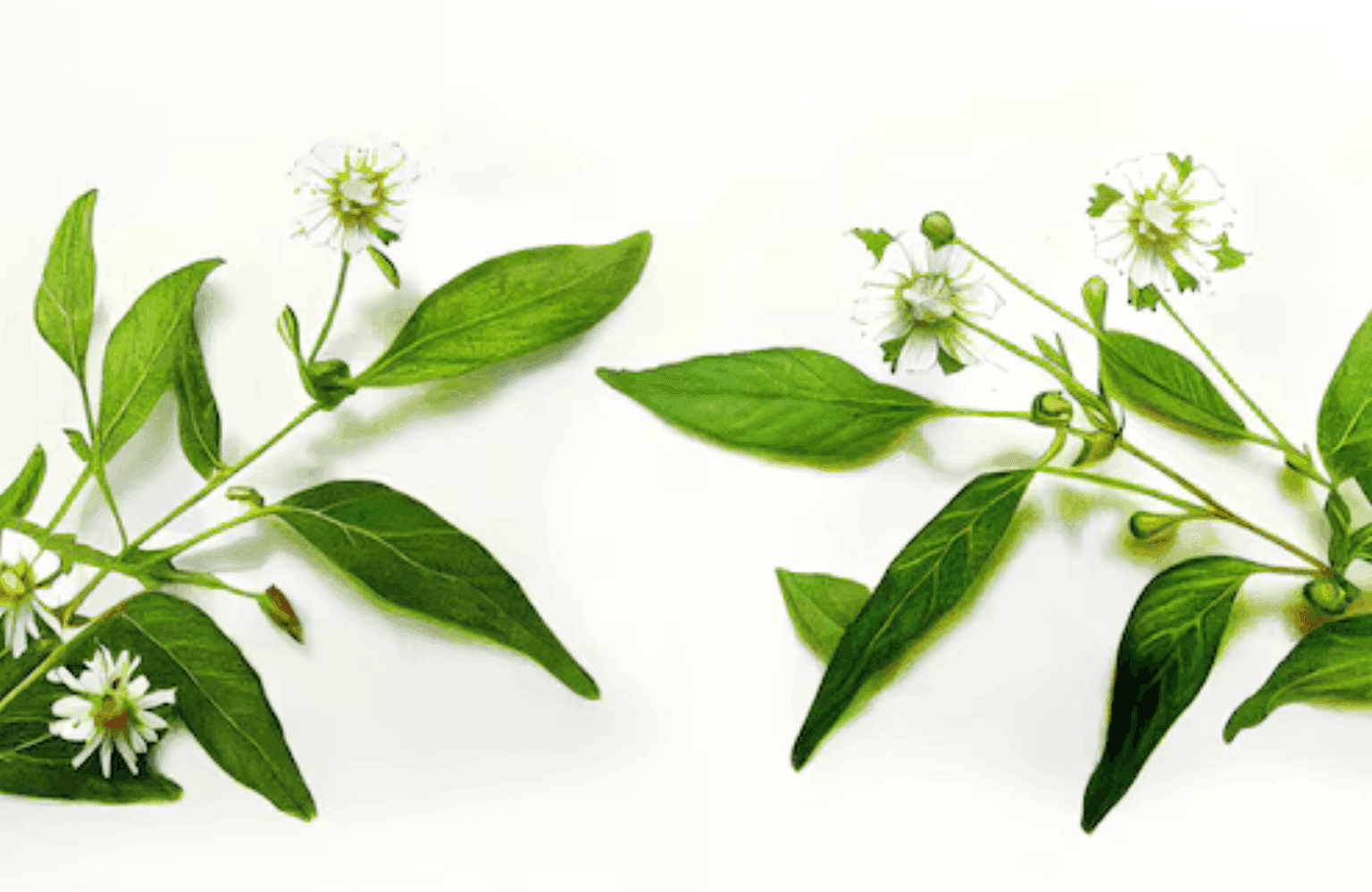
Bhringraj scientifically known as Eclipta alba is a creeping herb revered in Ayurveda as Kesaraja or Ruler of Hair. Possessing Pungent and Bitter tastes with Hot potency it effectively pacifies Vata and Kapha doshas. It is the premier herb for hair health treating baldness known as Khalitya premature graying known as Palitya and alopecia. Beyond cosmetic use it acts as a powerful Rasayana for the eyes and liver. It is indicated for headaches cough and digestive disorders like Yakridvikara. The fresh juice is a vital processing agent in herbo mineral formulations like Sutashekhara Rasa to enhance their potency. Commonly applied as medicated oil or taken internally the standard dosage for the powder is 3 to 6 grams.
Bhringraj
Bhringraj, scientifically known as Eclipta alba, is a creeping herb renowned in Ayurveda for its ability to support hair growth, vision, and liver health. Ideally suited for the head and sense organs, it is frequently used in medicated oils (Taila) and processing mineral formulations (Rasayana). In classical texts, it is often called Keśarāja (Ruler of the Hair) or Mārkava.
1. Name of the Herb
- Common Name: Bhringraj, False Daisy.
- Scientific Name: Eclipta alba Hassk. (Synonym: Eclipta prostrata).
- Sanskrit Names: Bhṛṅgarāja, Mārkava, Keśarāja, Bhṛṅga, Keśarañjana.
- Other Names: Bhangra (Hindi), Karisalankanni (Tamil).
2. Brief Description
Bhringraj is a small, annual, creeping herb found throughout India in moist places. It is highly valued in Ayurveda for its affinity for the head (Shiros). It is considered a prime herb for hair health, used to darken hair and prevent hair loss. Beyond cosmetic uses, the fresh juice of the plant is a critical processing agent (Bhavana dravya) in preparing potent herbo-mineral medicines used for fever, respiratory issues, and hyperacidity.
3. Source / Part Used
- Plant Source: Herbal / Plant-based.
- Part Used:
- Whole Plant (W.P.).
- Fresh Juice (Svarasa): The fresh juice of the whole plant is extensively used to triturate (grind) other herbs and minerals to enhance their potency.
4. Ayurvedic Properties
While specific Rasa and Guna are not detailed in the provided snippets, the therapeutic applications of Bhringraj formulations suggest the following:
- Dosha Effect: It effectively balances Vata and Kapha doshas (indicated by its use in Vātavidhvaṃsana Rasa for Vata disorders and Aśvakañcukī Rasa for cough/asthma). It also pacifies Pitta (indicated by its key role in Sūtaśekhara Rasa for hyperacidity and bleeding disorders).
- Action: Keśya (Beneficial for hair), Cakṣuṣya (Beneficial for eyes), and Dantya (Beneficial for teeth).
5. Key Benefits
- Promotes Hair Health: Prevents hair fall (Keśapāta), premature graying (Palita), and alopecia (Indralupta). It is said to make hair dense, black, and curly.
- Strengthens Teeth: Used in formulations like Ṣaḍbindu Taila to treat loose teeth (Danta calana) and strengthen the roots.
- Improves Vision: Acts as a tonic for the eyes, treating weak vision (Dṛṣṭi daurbalya) and night blindness.
- Supports Liver & Digestion: Used in medicines like Sūtaśekhara Rasa to treat acid gastritis (Amlapitta), vomiting, and abdominal pain.
- Relieves Headaches: Effective for diseases of the head (Śiroroga) and neck stiffness (Manyāstambha).
6. Uses / Indications
Bhringraj is indicated in Ayurveda for the following conditions:
- Hair Disorders: Khalitya (Baldness), Palitya (Graying), Indralupta (Alopecia/Bald patches).
- Head & Neck: Śiraḥśūla (Headache), Manyāstambha (Neck rigidity), Sūryāvarta (Migraine/Sun-pain).
- ENT Disorders: Badhiratva (Deafness), Karṇanāda (Tinnitus/Ringing in ears), and loose teeth.
- Digestive Issues: Amlapitta (Hyperacidity), Chardi (Vomiting), Gulma (Abdominal lump).
- Respiratory: Kāsa (Cough) and Śvāsa (Asthma).
7. How It Works
- Local Action (Hair/Scalp): When applied as oil (Taila), Bhringraj penetrates the scalp to nourish hair follicles, reduce heat (Pitta), and stabilize loose teeth. It acts as a Rasayana (rejuvenator) for the head and sense organs.
- Potentiating Agent: In herbo-mineral preparations (like Ashvakanchuki Rasa or Sutashekhara Rasa), Bhringraj juice is used for Bhavana (wet grinding). This process infuses the mineral ash with the herb's organic properties, making the medicine more bio-available and effective for treating fevers and acidity.
8. Dosage
- Medicated Oil: For external application on the head (Shirobhyanga) or as nasal drops (Nasya).
- Fresh Juice: Used in pharmaceutical processing; clinical dose typically 5-10 ml (general convention).
- Tablet/Powder: As an ingredient in formulations like Sūtaśekhara Rasa (125-250 mg).
9. Safety Information
Bhringraj is considered safe when used externally as an oil or paste. Internal consumption is generally done through compound formulations (like Sutashekhara) under the guidance of a physician.
10. Side Effects
- External: No significant side effects are reported for external use (oil/paste).
- Internal: Since it is often combined with minerals in formulations (e.g., Mercury/Sulphur in Sutashekhara), these specific medicines must be taken strictly according to dosage to avoid heavy metal toxicity. Pure Bhringraj juice may cause a cooling effect or mild digestive changes.
11. Precautions
- Cooling Nature: People with chronic cold or sinusitis should use Bhringraj oil with caution, or warm it slightly before application, as it is cooling for the head.
- Internal Use: Formulations containing Bhringraj often contain other potent ingredients; consult an Ayurvedic physician for internal dosage.
12. Storage Instructions
- Oils: Store in a cool, dry place away from direct sunlight.
- Powder: Keep in an air-tight container to prevent moisture absorption.
13. References
- Encyclopaedia Britannica – Eclipta prostrata
Botanical description and global distribution.
https://www.britannica.com/plant/Eclipta - Kew Science – Plants of the World Online (POWO)
Taxonomic and nomenclature details.
https://powo.science.kew.org/taxon/urn:lsid:ipni.org:names:203604-1 - The Ayurvedic Pharmacopoeia of India (API) – Ministry of AYUSH
Official monograph on Bhringraj.
https://www.ayush.gov.in - Indian Medicinal Plants – A Compendium of 500 Species
Warrier, P.K., Nambiar, V.P.K., & Ramankutty, C. - Indian Materia Medica – Nadkarni, K.M.
https://archive.org/details/IndianMateriaMedica - Database on Medicinal Plants Used in Ayurveda (CCRAS)
https://www.ccras.nic.in - WHO Monographs on Selected Medicinal Plants
https://www.who.int - Review Article: Phytochemical and Pharmacological Profile of Eclipta alba
Journal of Ethnopharmacology.
https://www.sciencedirect.com - Hepatoprotective Activity of Eclipta alba
Published research articles available via PubMed.
https://pubmed.ncbi.nlm.nih.gov/?term=Eclipta+alba - National Medicinal Plants Board (NMPB), Government of India – Bhringraj Profile
https://nmpb.nic.in
14. FAQs
Q. Can it be taken daily?
Bhringraj oil can be applied daily to the scalp for hair health. Internal consumption of simple powder or juice can be done daily for short periods under guidance, but complex formulations (like Sutashekhara) are for specific treatment durations.
Q. When should it be taken?
Oils are best applied 30 minutes before a bath or left overnight. Internal medicines are typically taken after meals.
Q. Can it be taken with milk/water?
Yes. Medicated oils or powders can be taken with warm water or milk as directed. Formulations like Sutashekhara are often taken with honey or ghee.
Consult a Doctor
- KC5.0Dr. Kamesh chand sharma
Ayurveda2 yrs exp
- PP4.4Dr prince patel
Ayurveda22 yrs exp
- KH4.4Dr Kowshalya H S
Ayurveda3 yrs exp
- AK4.8Dr. Amalnath K Viswanathan
Ayurveda4 yrs exp
Buy Medicine
 Prescribed to you4.5₹21 cashback
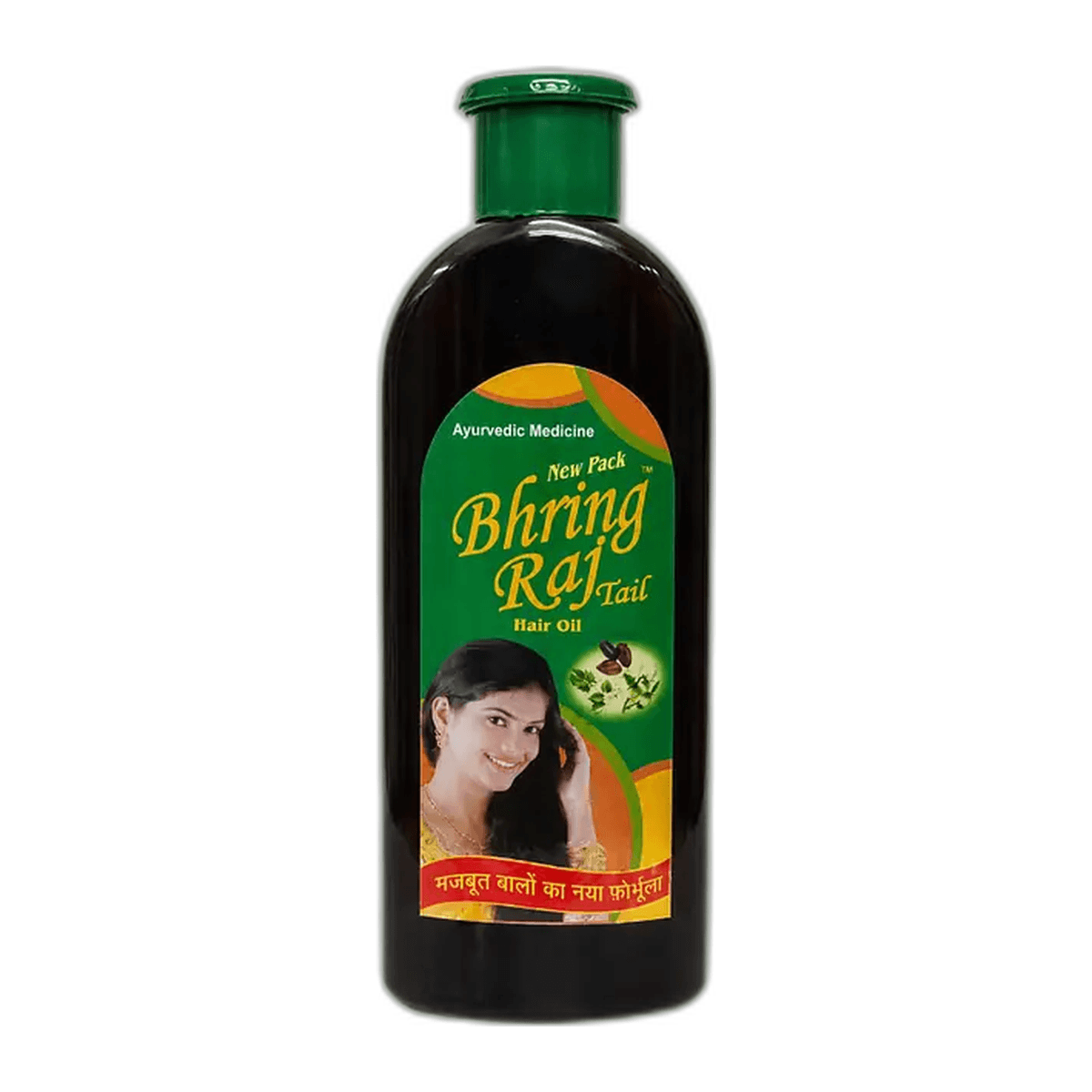
Bhringraj Taila (Kalera) Kalera
Daily support for hair growth
Bottle of 100 ml
4.5
₹210Get ₹21 Cashback
₹23912% off