Clove
Reviewed by medical experts · For informational purposes only
Introductory summary
Clove known in Ayurveda as Lavanga or Devapuspa consists of the dried flower buds of Syzygium aromaticum. Despite its Pungent and Bitter taste and Sharp quality it uniquely possesses a Cold potency making it effective in pacifying both Kapha and Pitta doshas. It acts as a powerful appetizer digestive and pain reliever known as Sulahara. Clinically it is extensively used to treat digestive disorders like hyperacidity vomiting and excessive thirst as well as respiratory conditions like cough asthma and hiccups. It is a specific remedy for dental pain and oral disorders improving breath and taste. Common formulations include Lavangadi Vati. The Ayurvedic Pharmacopoeia of India recommends a dosage of 0.5 to 2 grams of the powder or 2 to 6 drops of the oil.
Clove
Clove, known in Ayurveda as Lavanga or Devapuspa (Flower of the Gods), is the dried flower bud of the tree Syzygium aromaticum. It is a highly aromatic spice valued in traditional Indian medicine for its ability to treat digestive and respiratory disorders. Uniquely, despite its pungent taste, Ayurveda classifies it as having a "Cold" (Shita) potency, making it effective in balancing both Kapha and Pitta doshas. It is extensively used for oral health, relieving toothaches and bad breath.
1. Name of the Herb
- Common Name: Clove.
- Scientific Name: Syzygium aromaticum (Linn.) Merr. & L.M. Perry (Synonyms: Eugenia aromatica, Eugenia caryophyllata),.
- Sanskrit Names: Lavanga, Devapuspa (Flower of the Gods), Sriprasuna,.
- Regional Names: Laung (Hindi), Laving (Gujarati), Grampu (Malayalam), Lavangam (Tamil/Telugu).
2. Brief Description
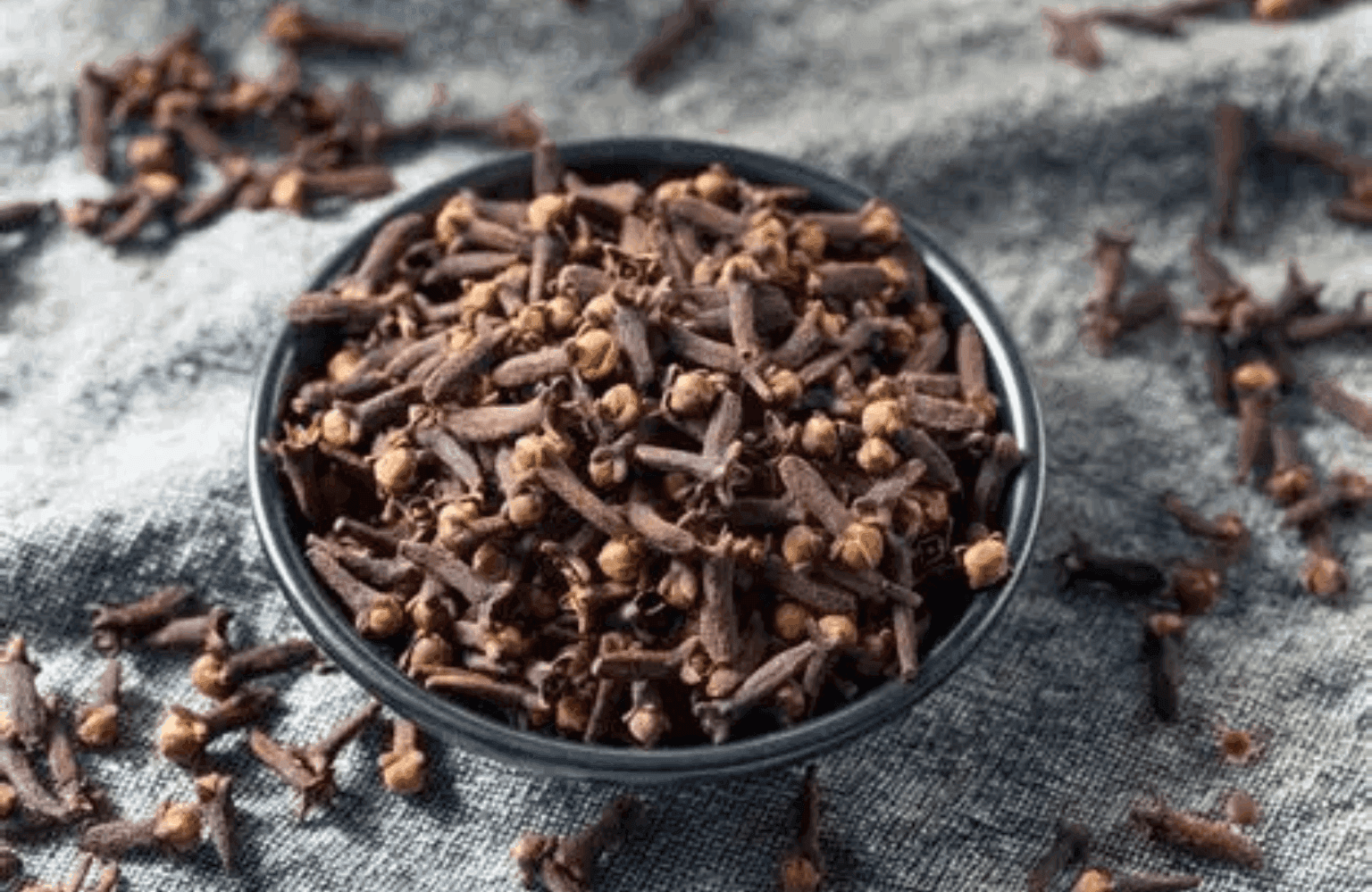
Clove consists of the dried flower buds of a tree that is cultivated in many parts of the world, including South India. The buds are collected when they turn from green to crimson. They are dark brown or dusty red, consisting of a sub-cylindrical body (hypanthium) crowned by four thick sepals and unopened petals,. It acts as a digestive stimulant (Dipana) and is famous for its strong aroma and pungent taste, which helps in clearing the mouth and throat,.
3. Source / Part Used
- Plant Source: Herbal / Tree-based.
- Part Used: Dried Flower Bud (Mukula),. The oil (Lavanga Taila) extracted from the buds is also used.
4. Ayurvedic Properties
According to the Ayurvedic Pharmacopoeia of India, Clove possesses the following qualities:
- Rasa (Taste): Katu (Pungent) and Tikta (Bitter).
- Guna (Qualities): Laghu (Light) and Tikshna (Sharp). (Note: The oil is described as Snigdha or unctuous).
- Virya (Potency): Shita (Cold),.
- Vipaka (Post-digestive effect): Katu (Pungent).
- Dosha Effect: Kaphapittashamaka (Pacifies Kapha and Pitta). It is specifically noted to destroy Kapha (Kaphaghna) while not aggravating heat due to its cooling potency.
5. Key Benefits
- Oral Health: Cleanses the mouth (Mukhashodhaka) and destroys bad breath (Durgandhanashana).
- Relieves Pain: Acts as a Sulahara (pain reliever), useful in colic and toothache.
- Digestion: Acts as Dipana (appetizer) and Pacana (digestive).
- Respiratory Support: Effective for cough (Kasahara) and clearing the throat (Kanthya).
- Heart Health: Acts as Hrdya (beneficial for the heart).
6. Uses / Indications
Clove is indicated in Ayurveda for the following conditions:
- Dantaroga: Toothache and gingivitis.
- Chardi: Vomiting and nausea (including pregnancy-induced nausea),.
- Trshna: Excessive thirst,.
- Kasa & Shvasa: Cough and Asthma/Dyspnoea.
- Adhmana: Bloating and flatulence.
- Amlapitta: Hyperacidity (due to its cooling potency).
- Kshaya: Consumption/Pthisis.
7. How It Works
- Analgesic & Antiseptic: In the mouth, Clove acts to remove dirt and bacteria (Vaktrakledanasana) and relieves pain (Sulaprasamana),.
- Digestive: It stimulates the digestive fire (Agni) to digest toxins (Ama) and clears gases (Anulomana).
- Composition: The flower buds contain essential oils, primarily eugenol and caryophyllene, which are responsible for its antiseptic and anesthetic properties,.
8. Dosage
The recommended dosage according to the Ayurvedic Pharmacopoeia of India is:
- Powder (Churna): 0.5 to 2.0 grams.
- Clove Oil (Lavanga Taila): 1 to 3 drops or 2 to 6 drops.
9. Safety Information
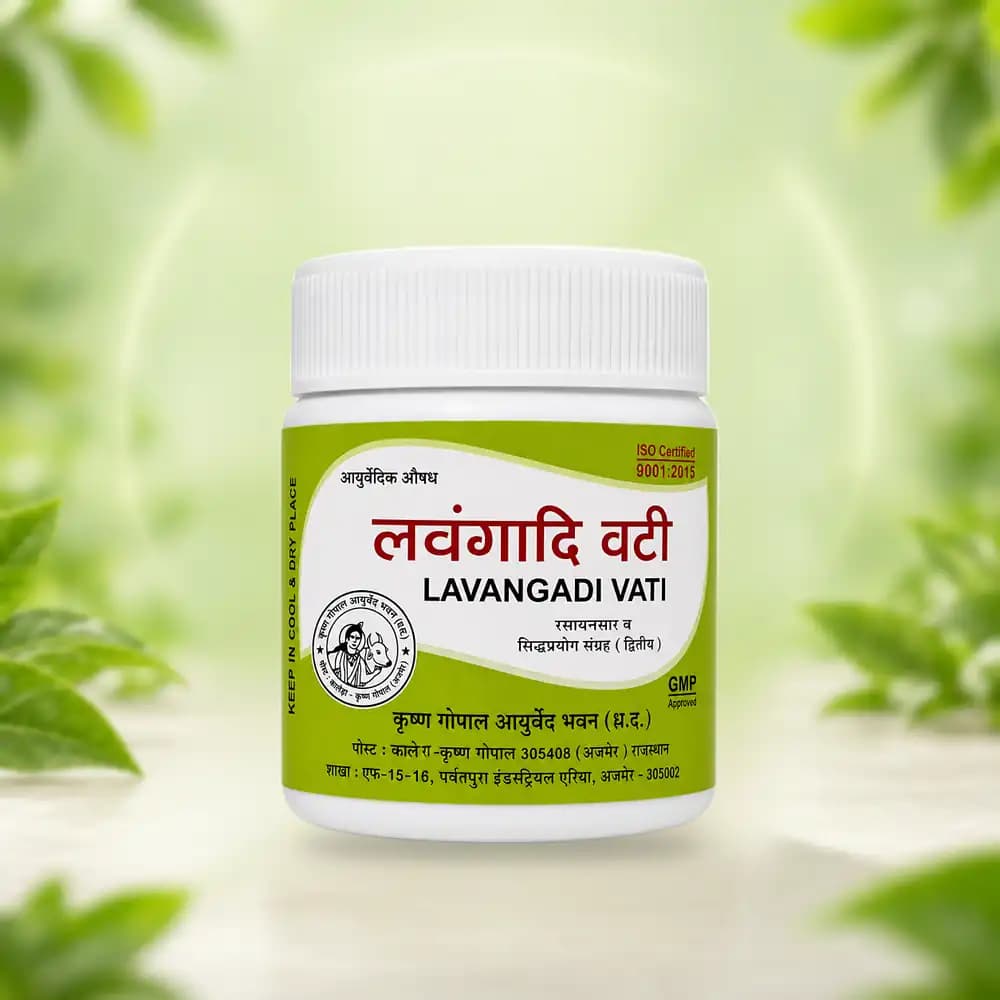
Clove is generally considered safe when taken in the recommended dosage. It is a common ingredient in many compound formulations like Lavangadi Vati (pills for cough) and Caturjata Churna (aromatics),.
10. Side Effects
- Ayurvedic texts do not list severe side effects for the flower bud when used in proper culinary or therapeutic doses.
- However, due to its Tikshna (Sharp) quality, the oil should be used carefully on sensitive mucous membranes.
11. Precautions
- Potency: While it is Shita (Cold) in potency, it is Katu (Pungent) in taste and Tikshna (Sharp) in quality. Therefore, it should be used in moderation.
- Pregnancy: Clove oil is indicated for Garbhini chardi (Morning sickness/vomiting in pregnancy), suggesting it can be used, but dosage should be strictly monitored (2-6 drops).
12. Storage Instructions
- Dried Buds: Store in a cool, dry place.
- Clove Oil: Should be kept in a well-filled, well-closed container, protected from light, and stored in a cool place to prevent the volatile oil from evaporating or degrading,.
13. References
- Encyclopaedia Britannica – Clove (Syzygium aromaticum)
Botanical description, history, and medicinal uses.
https://www.britannica.com/plant/clove - Kew Science – Plants of the World Online (POWO)
Taxonomic details and accepted botanical name.
https://powo.science.kew.org/taxon/urn:lsid:ipni.org:names:60457257-2 - World Health Organization (WHO) Monographs on Selected Medicinal Plants – Flos Caryophylli
https://apps.who.int/medicinedocs/en/ - The Ayurvedic Pharmacopoeia of India (API) – Ministry of AYUSH
Official monograph on Lavanga (Clove).
https://www.ayush.gov.in - Indian Medicinal Plants – A Compendium of 500 Species
Warrier, P.K., Nambiar, V.P.K., & Ramankutty, C. - Database on Medicinal Plants Used in Ayurveda (CCRAS)
https://www.ccras.nic.in - Review Article: Pharmacological Properties of Clove and Eugenol
Cortés-Rojas, D.F. et al. (2014). Asian Pacific Journal of Tropical Biomedicine.
https://pubmed.ncbi.nlm.nih.gov/?term=clove+eugenol+review - Antimicrobial and Analgesic Activity of Eugenol (PMC Articles)
https://www.ncbi.nlm.nih.gov/pmc/?term=eugenol - Journal of Ethnopharmacology – Phytochemistry of Syzygium aromaticum
https://www.sciencedirect.com - National Medicinal Plants Board (NMPB), Government of India – Clove Profile
https://nmpb.nic.in
14. FAQs
** **Q. Can it be taken daily?
Yes, it is commonly used as a spice in daily cooking. For medicinal purposes, one desiring clarity and fragrance can keep the fruit in the mouth daily.
Q. When should it be taken?
It is often taken with food to aid digestion or kept in the mouth to relieve toothache and bad breath. For coughs, it is often licked with honey.
Q. Can it be taken with milk/water?
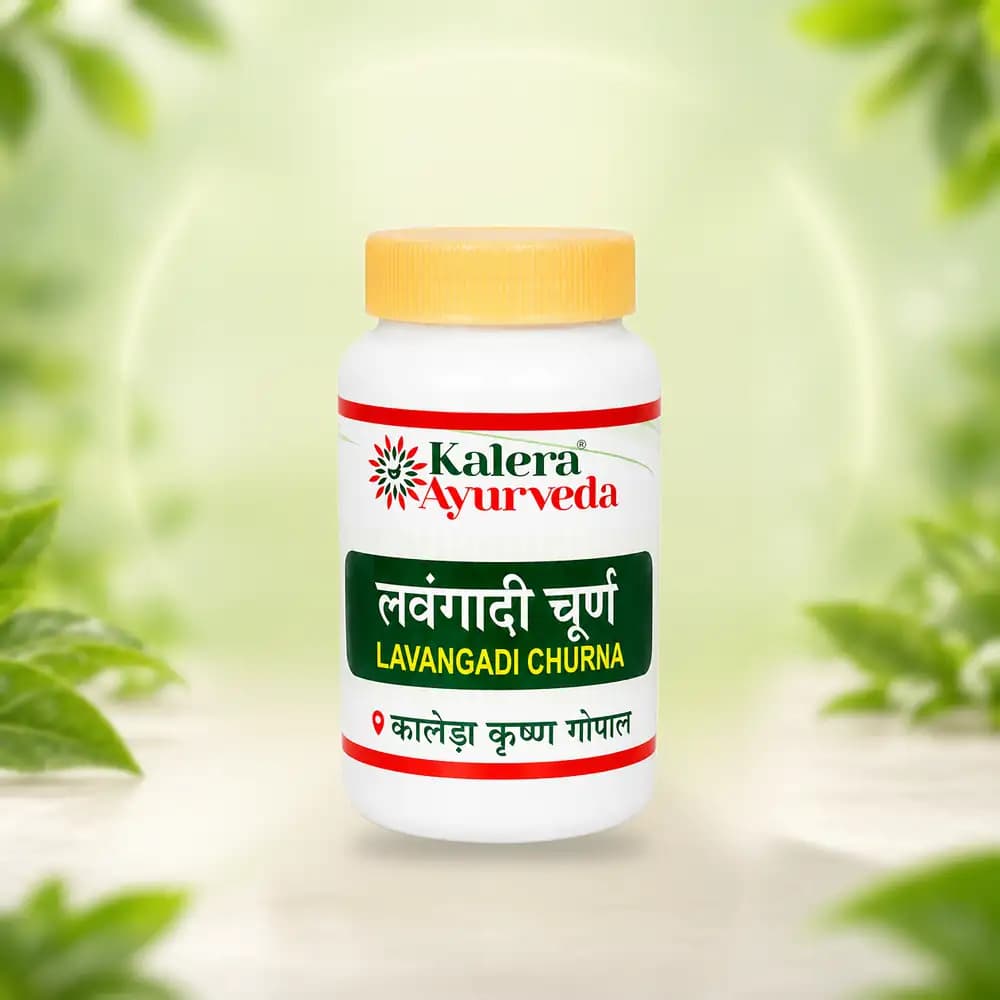
Yes. In formulations like Lavangadi Churna, it is often taken with honey or warm water. It helps in conditions like thirst (Trshna) and fever,.
Consult a Doctor
- DS4.2Deeksha sharma
Ayurveda4 yrs exp
- MS4.2Midun s kumar
Ayurveda4 yrs exp
- DR4.3Dr.Prajwal Raj Biradar
Ayurveda1 yrs exp
- BY4.3Bapodara yash kanabhai
Ayurveda3 yrs exp