Drumstick Leaves Benefits and Uses
Reviewed by medical experts · For informational purposes only
Introductory summary
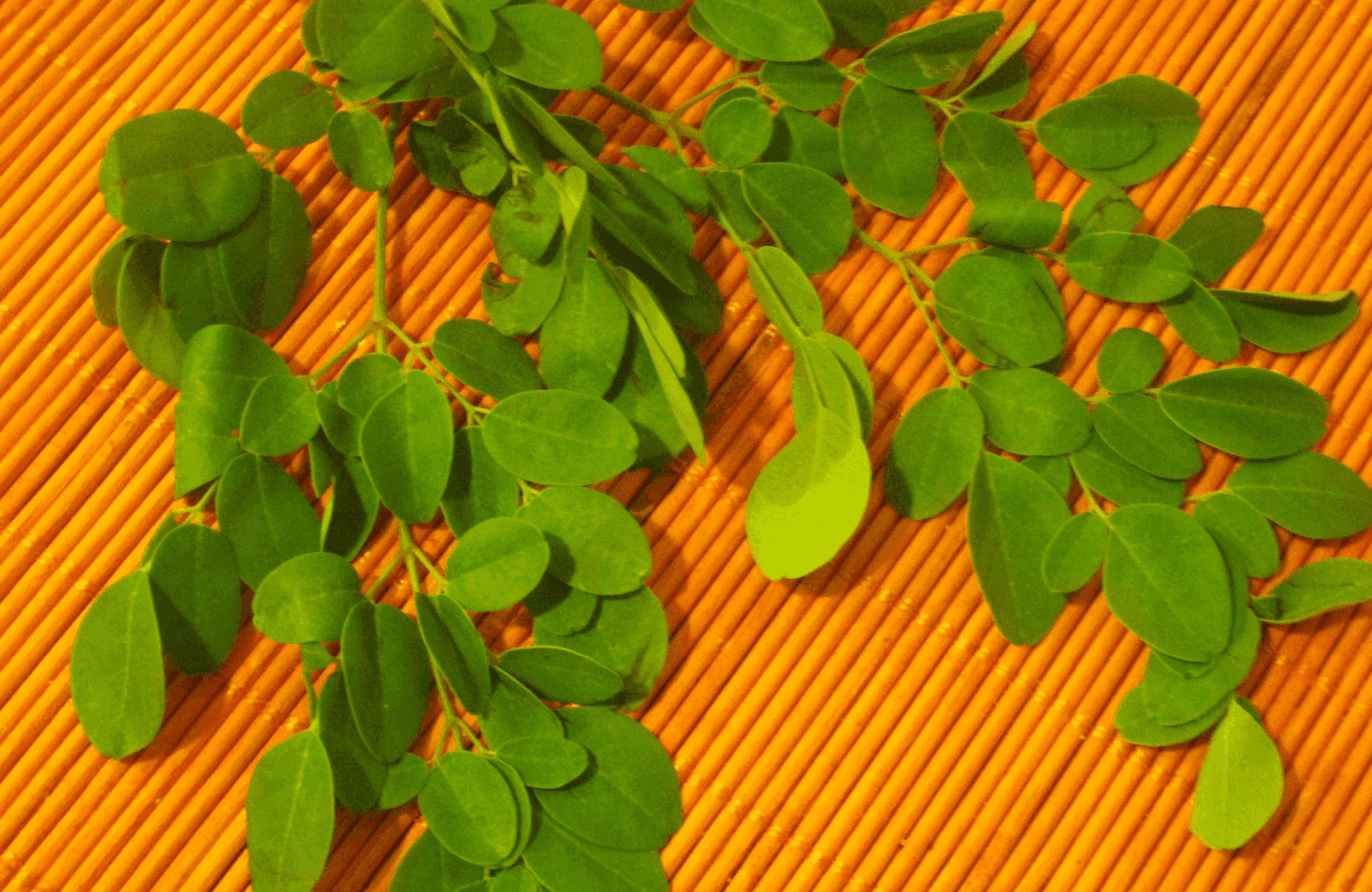
Drumstick Leaves known as Shigru or Sobhanjana in Ayurveda consist of the dried leaves of Moringa oleifera. Possessing Pungent taste with Hot potency and Light Sharp qualities they effectively pacify Vata and Kapha doshas while aggravating Pitta. They are highly valued in Panchakarma therapies specifically Patra Pinda Sweda where processed leaves are applied externally to relieve pain stiffness and neuromuscular disorders like paralysis and sciatica. Internally they act as a cardiac tonic digestive stimulant and remedy for respiratory conditions like cough and asthma. They also possess anthelmintic properties and help reduce inflammation. While nutritious and used in salads they should be consumed cautiously by those with high body heat. Common formulations include Sarasvatarishta.
Drumstick Leaves
Drumstick Leaves, derived from the tree Moringa oleifera, are a potent herbal remedy in Ayurveda known as Shigru or Sobhanjana. While the fruit and seeds are common culinary items, the leaves are highly valued in traditional medicine for their heating potency and ability to alleviate disorders related to Wind (Vata) and Phlegm (Kapha). They are frequently used in "Group of Salads" as a dietary item and are a primary ingredient in Patra Pinda Sweda (medicinal leaf bolus steam) therapies for pain relief and neuromuscular conditions.
1. Name of the Herb
- Common Name: Drumstick Leaves, Moringa.
- Scientific Name: Moringa oleifera Lam.,.
- Sanskrit Names: Śigru, Śobhāñjana, Bahala,.
- Synonyms: The term Bahala is often used in formulations like Kārpāsāsthyādi Taila.
2. Brief Description
The Drumstick tree is a versatile plant found throughout India. In Ayurveda, the leaves are classified under the "Group of Salads" (vegetables). They are considered Hridya (cordial/beneficial for the heart) and pleasing to the senses. The leaves are extensively used in external Panchakarma therapies, specifically Patra Pinda Sweda, where fresh leaves are chopped, fried with medicated oil, tied in boluses, and applied to the body to treat degenerative conditions and pain,.
3. Source / Part Used
- Plant Source: Herbal / Tree-based.
- Part Used: Leaf (Patra),.
- Note: The root bark (Rt. Bk.), stem bark (St. Bk.), and seeds (Sd.) are also used in other contexts.
4. Ayurvedic Properties
According to Charaka Samhita and other texts regarding the "Group of Salads" (which includes Shigru leaves):
- Rasa (Taste): Katu (Pungent).
- Guna (Qualities): Tikshna (Sharp) and Laghu (Light),.
- Virya (Potency): Ushna (Hot).
- Vipaka (Post-digestive effect): Katu (Pungent).
- Dosha Effect: Kaphavatajit (Pacifies Kapha and Vata doshas). However, it Aggravates Pitta due to its hot and pungent nature,.
5. Key Benefits
- Relieves Pain and Stiffness: Used externally in Patra Pinda Sweda, it nourishes nerves, muscles, and joints, relieving stiffness,.
- Supports Heart Health: The leaves are described as Hridya (cordial/heart-protective).
- Reduces Inflammation: Effective in treating Shotha (swelling/oedema) and inflammatory conditions,.
- Respiratory Support: Beneficial for Kasa (Cough) and Shvasa (Asthma/Dyspnoea),.
- Digestive Aid: Acts as a digestive stimulant and is useful in Agnimandya (digestive impairment).
6. Uses / Indications
Drumstick leaves are indicated in Ayurveda for the following conditions:
- Vata Vyadhi: Neuromuscular disorders, paralysis (Pakshaghata), sciatica (Gridhrasi), and osteoarthritis,.
- Pain Management: Lumbago, cervical spondylosis, and joint pain,.
- Respiratory Disorders: Kaphajvara (Fever due to Kapha), cough, and hiccup,.
- Swellings: Galaganda (Goiter) and Gandamala (Cervical lymphadenitis),.
- Parasitic Infections: Krimiroga (Worm infestation).
7. How It Works
- External Application (Fomentation): In procedures like Patra Pinda Sweda, the heat and active principles of the leaves (fried in medicated oil) penetrate the skin. This increases circulation, induces sweating (Svedana), and relieves pain and stiffness in muscles and joints,.
- Internal Action: Being Ushna (hot) and Katu (pungent), it cuts through mucus (Kapha) and pacifies Wind (Vata). It acts as a Hridya agent, supporting cardiac function.
- Sub-Errhine: It is classified as a Shirovirechanopaga (Sub-errhine) drug, meaning it helps expel toxins from the head region.
8. Dosage
- Fresh Juice (Svarasa): 10 to 20 ml (General dosage for leaf juices).
- Powder (Churna): 1 to 3 grams.
- External Use: As required for bolus fomentation (Pottali).
- Formulations: It is a component of Sarasvatarishta (12-24 ml) and Karpasasthyadi Taila (for external application),.
9. Safety Information
Drumstick leaves are generally safe when consumed as a vegetable. However, due to their potential to aggravate Pitta, they should be consumed in moderation by individuals with heat-related constitutions.
10. Side Effects
- Pitta Aggravation: Excessive intake may cause burning sensation, acidity, or skin rashes in sensitive individuals because the leaves are Pitta-aggravating.
- Eye Irritation: As a pungent substance, it may sensitize the eyes if used improperly.
11. Precautions
- High Pitta: People suffering from bleeding disorders (Raktapitta), burning sensations (Daha), or acute fever (Navajvara) should avoid excessive use,.
- Pregnancy: While nutritious, the root bark is often restricted; leaves are generally safer but should be taken in moderation. Specific Ayurvedic contraindications for the leaves in pregnancy are not explicitly detailed in the provided text, but "Pitta aggravating" foods are generally limited.
12. Storage Instructions
- Fresh Leaves: Should be used immediately or stored in a refrigerator for short periods.
- Dried Powder: Store in a cool, dry place in an air-tight container to prevent moisture absorption.
13. References
- Bioactivity & Applications of Moringa oleifera – Review covering antioxidant, anti-inflammatory and antimicrobial properties of the leaves. Bioactivity of Moringa oleifera and Its Applications: A Review (Journal of Pure and Applied Microbiology)
- Antioxidant, Anticancer & Anti-Inflammatory Review – Systematic review on leaves’ medicinal effects in cell studies. Moringa oleifera: Antioxidant, Anticancer, Anti‑inflammatory Properties (PubMed) (PubMed)
- Bioactive Compounds & Health Benefits – Recent scientific article on phytochemicals, anti-diabetic, antibacterial, and other health potentials of moringa leaves. Recent Advances in Drumstick (Moringa oleifera) Leaves Bioactive Compounds (MDPI)
- Comprehensive Nutritional & Medicinal Review – Classic review on moringa’s nutritive value, therapeutic applications, and medicinal use of leaves. Moringa oleifera Review on Nutritive Importance & Medicinal Application (ScienceDirect) (ScienceDirect)
- Detailed Medicinal Properties – Explains antioxidant, anti-diabetic, anti-inflammatory, and other therapeutic compounds present in the leaves. Medicinal Utilization & Nutritional Properties of Drumstick (PMC) (PMC)
14. FAQs
** **Q. Can it be taken daily?
Yes, as a vegetable in small quantities. However, those with high body heat (Pitta) should consume it cautiously.
Q. When should it be taken?
It can be taken as a part of a meal (salad/cooked vegetable). For medicinal purposes (like juice), it is often taken on an empty stomach or as directed by a physician.
Q. Can it be taken with milk/water?
Yes. In formulations like Sarasvatarishta (which contains Sigru), it is often taken with water. Medicated oils and ghees containing Shigru are also common.
Consult a Doctor
- KC5.0Dr. Kamesh chand sharma
Ayurveda2 yrs exp
- PP4.4Dr prince patel
Ayurveda22 yrs exp
- KH4.4Dr Kowshalya H S
Ayurveda3 yrs exp
- AK4.8Dr. Amalnath K Viswanathan
Ayurveda4 yrs exp
Buy Medicine
 Prescribed to you4.6₹21 cashback
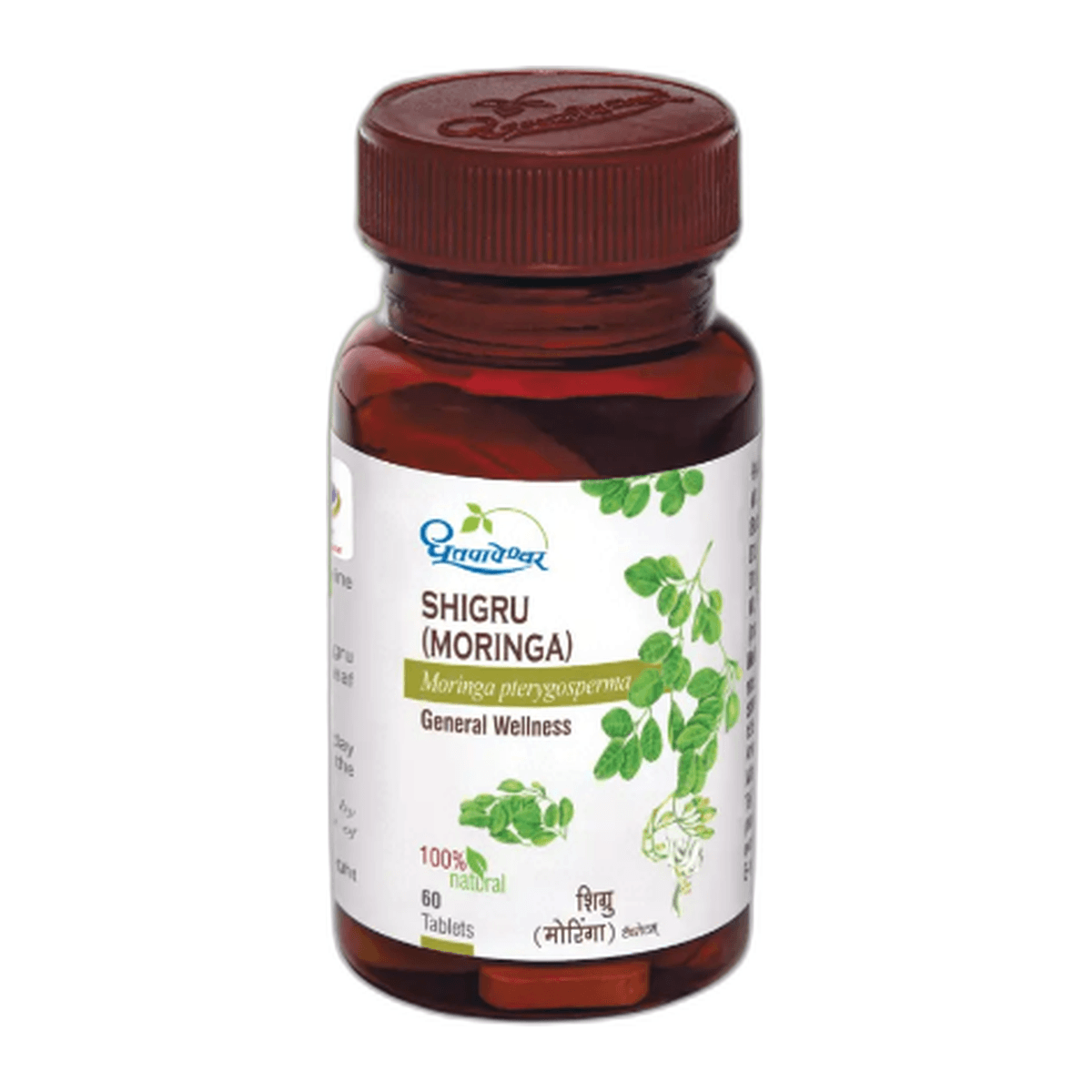
Moringa (Shigru) Tab (Dhootapapeshwar) SDL
SDLSupports appetite and digestion
Strip of 60 Tablets
4.6
₹210Get ₹21 Cashback
₹23812% off