Kalmegh Benefits and Uses
Reviewed by medical experts · For informational purposes only
Introductory summary
Based on the provided texts Bhunimba is frequently identified as Kiratatikta or Swertia chirata though occasionally listed as a distinct ingredient,,. It is a bitter herb acting as a powerful febrifuge used extensively in treating high fevers including chronic and intermittent types,. It balances Kapha and Pitta doshas making it effective for burning sensations thirst and blood disorders,. Clinically it is indicated for skin diseases like leprosy and erysipelas as well as for liver and spleen disorders edema and digestive impairments,. It is a key component in potent formulations like Sudarshana Churna and Mahatiktaka Ghrita often prescribed to purify the blood and support metabolic function,.
Kiratatikta
Kiratatikta, scientifically known as Swertia chirata, is a highly valued herb in Ayurveda, famous for its intensely bitter taste. It is considered a premier Jvaraghna (fever-destroying) and Raktaśodhaka (blood-purifying) agent. In the provided texts, it is synonymous with Bhunimba (Neem of the earth), highlighting its potent purifying and bitter properties similar to Neem. It is a key ingredient in the famous formulation Sudarshana Churna.
1. Name of the Herb
- Common Name: Chireta, Chirata.
- Scientific Name: Swertia chirata Buch.-Ham..
- Sanskrit Names: Kirātatikta, Kirāta, Bhūnimba, Kirātatiktaka.
- Regional Names: Chirata (Bengali), Chirayata (Hindi), Nalebevu (Kannada), Nelaveppu (Malayalam), Kiraita (Marathi), Nilavembu (Tamil), Nelavemu (Telugu).
2. Brief Description
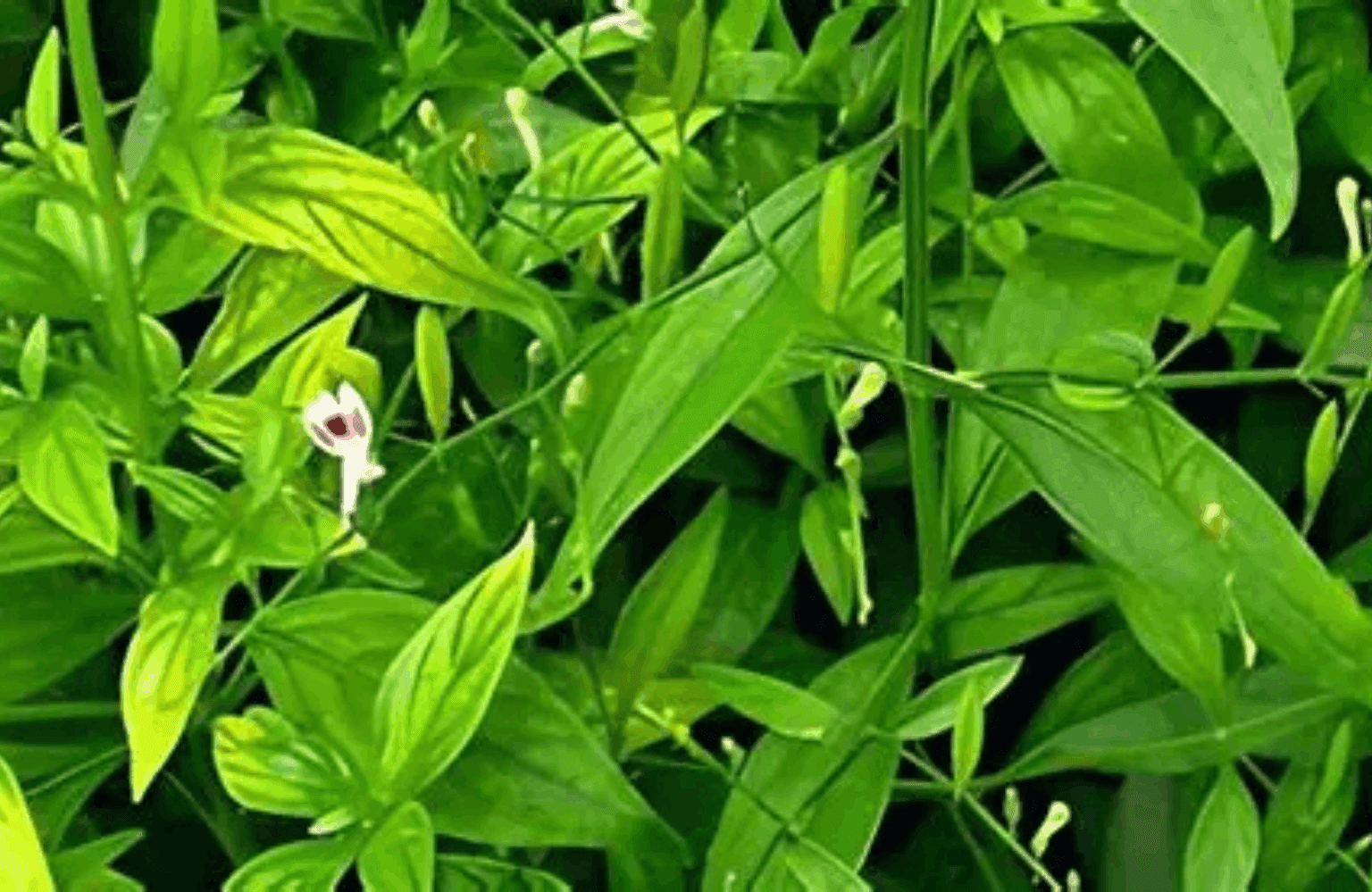
Kiratatikta is an erect, annual herb, growing 60–125 cm tall, found in the temperate Himalayas. The drug consists of the whole plant, which has a peculiar shining yellowish tinge. It is extremely bitter in taste. In Ayurveda, it is valued as a powerful cooling agent and blood purifier, extensively used to treat fevers, skin diseases, and burning sensations.
3. Source / Part Used
- Plant Source: Herbal / Plant-based.
- Part Used: Whole Plant (Panchanga).
4. Ayurvedic Properties
According to the Ayurvedic Pharmacopoeia of India:
- Rasa (Taste): Tikta (Bitter).
- Guna (Qualities): Laghu (Light) and Rūkṣa (Dry).
- Virya (Potency): Śīta (Cold).
- Vipaka (Post-digestive effect): Kaṭu (Pungent).
- Dosha Effect: Kaphapittahara (Pacifies Kapha and Pitta doshas).
5. Key Benefits
- Combats Fever: It is a potent Jvaraghna, useful in all types of fevers including chronic and intermittent fevers.
- Purifies Blood: Acts as a Raktaśodhaka, clearing toxins from the blood.
- Skin Health: Effective in treating skin diseases (Kustha) and itching (Kandu).
- Liver Support: Beneficial for liver disorders and jaundice (Kamala).
- Digestive Aid: Acts as a laxative (Saraka) and thirst reliever (Trshnapaha).
6. Uses / Indications
Kiratatikta is indicated in Ayurveda for the following conditions:
- Fevers: Jvara (General fever), Sannipāta Jvara (Typhoid/High fever), Viṣamajvara (Intermittent fever), and Jīrṇajvara (Chronic fever),.
- Skin Disorders: Kuṣṭha (Skin diseases/Leprosy), Kaṇḍu (Itching), and Vraṇa (Ulcers).
- Digestive/Metabolic: Tṛṣṇā (Excessive thirst), Aruci (Loss of taste), and Kṛmi (Worm infestation).
- Inflammation: Śotha (Oedema/Inflammation) and Dāha (Burning sensation).
- Other: Prameha (Diabetes/Urinary disorders) and Raktapitta (Bleeding disorders).
7. How It Works
- Cooling Action: Its Śīta (Cold) potency helps reduce the high body temperature in fevers and alleviates burning sensations (Dāha).
- Blood Purification: The Tikta (Bitter) taste helps scrape away toxins (Ama) and purifies the blood, making it effective for skin conditions.
- Anti-parasitic: It possesses Krimighna properties, helping to expel intestinal worms.
- Hepatoprotective: It balances Pitta (bile), aiding in conditions like Jaundice (Kamala).
8. Dosage
The recommended dosage according to the Ayurvedic Pharmacopoeia of India is:
- Powder (Churna): 1 to 3 grams.
- Decoction: 20 to 30 grams of the crude drug used for decoction.
9. Safety Information
Kiratatikta is generally safe when used in the recommended dosage. It is a core ingredient in Sudarshana Churna, a widely used formulation for fever.
10. Side Effects
- Vata Aggravation: Due to its Tikta (Bitter), Laghu (Light), and Rūkṣa (Dry) properties, excessive or long-term use may increase Vata, potentially leading to dryness or lightness in the body.
- Gastric Chill: As a cooling herb, it should be used with caution in patients with weak digestion (low Agni) or Vata constitution unless balanced with warming herbs.
11. Precautions
- Dosha Balance: While excellent for Pitta and Kapha, it should be used carefully by Vata-dominant individuals.
- Pregnancy: Consult an Ayurvedic physician before use during pregnancy.
12. Storage Instructions
- Store the dried plant powder in a cool, dry place.
- Keep in an air-tight container to preserve efficacy.
13. References
-
WHO Monographs on Selected Medicinal Plants – Andrographis paniculata
World Health Organization
https://apps.who.int/iris/handle/10665/42052
-
WHO Global Report on Traditional and Complementary Medicine
https://www.who.int/publications/i/item/9789241515436
-
Ayurvedic Pharmacopoeia of India (API) – Kalmegha
https://www.ayush.gov.in
-
PubMed – Andrographis paniculata Research Articles
https://pubmed.ncbi.nlm.nih.gov/?term=Andrographis+paniculata
-
SpringerLink – Clinical & Experimental Studies on Kalmegh
https://link.springer.com
-
Kew Science – Plants of the World Online (Andrographis paniculata)
https://powo.science.kew.org
-
World Flora Online – Andrographis paniculata
https://www.worldfloraonline.org
14. FAQs
** **Q. Can it be taken daily?
It is primarily a medicine for fever and blood purification. Long-term daily use should be under the guidance of a physician due to its drying properties.
Q. When should it be taken?
It is typically taken during fever or skin flare-ups. Formulations like Sudarshana Churna are often taken with warm water.
Q. Can it be taken with milk/water?
Yes, the powder is commonly taken with warm water. In some fever formulations, it is processed with other cooling agents or digestive spices.
Consult a Doctor
- KC5.0Dr. Kamesh chand sharma
Ayurveda2 yrs exp
- PP4.4Dr prince patel
Ayurveda22 yrs exp
- KH4.4Dr Kowshalya H S
Ayurveda3 yrs exp
- AK4.8Dr. Amalnath K Viswanathan
Ayurveda4 yrs exp