Alopecia
Reviewed by medical experts · For informational purposes only
Introductory summary
Alopecia known in Ayurveda as Indralupta or Khalitya is a condition characterized by hair loss caused by a systemic imbalance of Vata and Pitta doshas. According to classical texts like Madhava Nidana vitiated Pitta combined with Vata scorches the hair roots causing them to fall out while Kapha and impure blood subsequently block the follicles preventing regrowth. Excessive intake of salt is a specific dietary cause linked to premature baldness. Management focuses on clearing obstructions and cooling the scalp. Treatments include bio-cleansing therapies like Nasya using medicated oils like Anu Taila to strengthen follicles Shirodhara for stress reduction and the application of stimulating herbal pastes containing ingredients like Gunja and Karanja to break the Kapha blockage and induce hair growth.
Alopecia
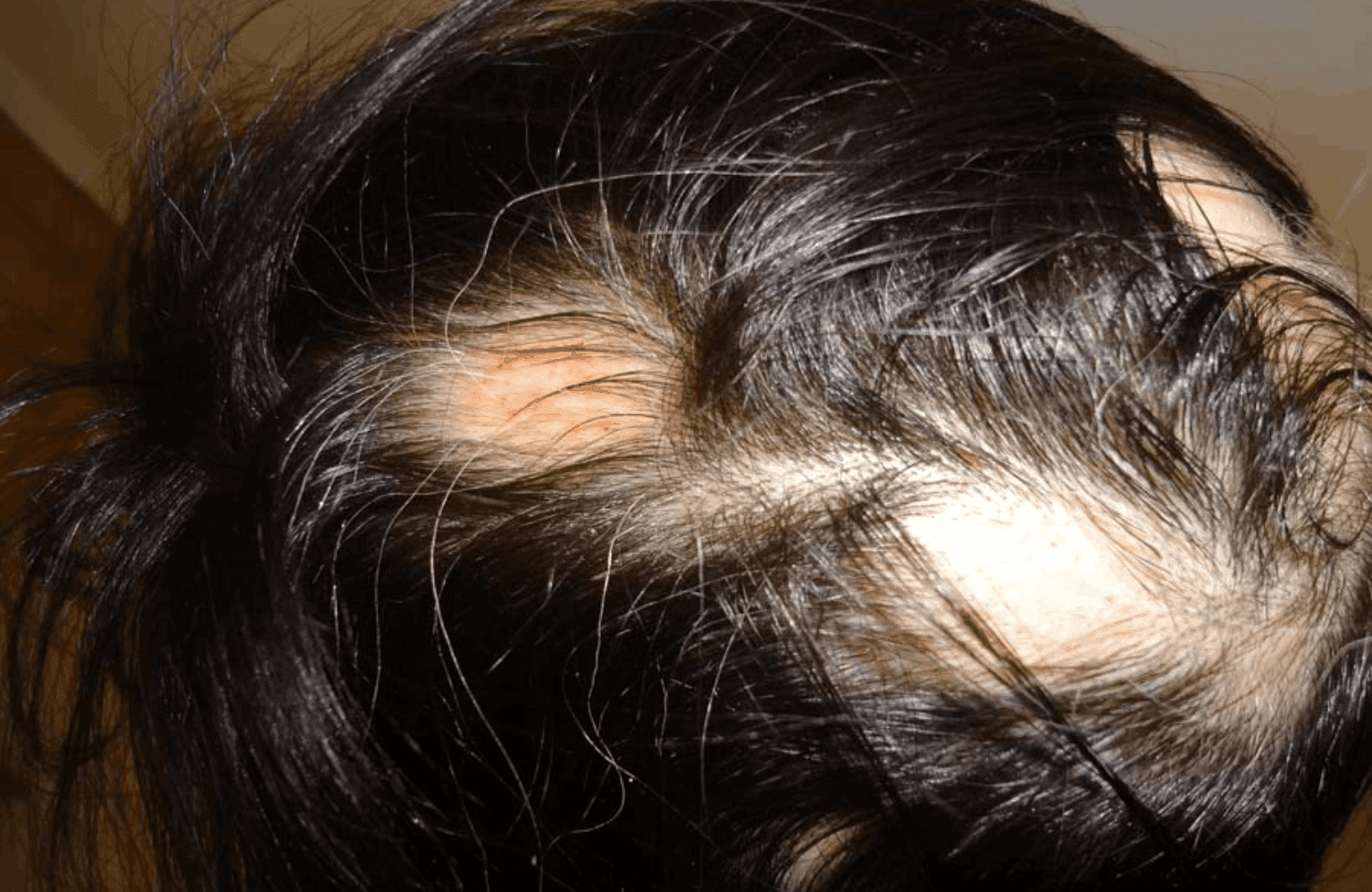
Alopecia, known in Ayurveda as Indralupta (patchy hair loss) or Khalitya (general baldness), is a condition characterized by the loss of hair from the scalp or body. Ayurveda classifies this as a disease of the head (Shiro Roga) or a minor disease (Kshudra Roga). It is fundamentally understood as a disruption in the hair follicles (Romakoopa) caused by an imbalance of the body's internal energies (Doshas), specifically involving improper heat metabolism and obstruction of the pores.
1. Definition
Alopecia refers to the absence or loss of hair, especially from the head (NIH Reference). In Ayurveda, this condition manifests when the Pitta dosha (associated with heat and fire), combined with Vata (air/wind), burns the hair roots. Subsequently, Kapha (phlegm/earth) blocks the hair follicles, preventing new growth.
2. Etymology & Conceptual Meaning
-
Khalitya: Derived from Khalata, meaning baldness or falling of hair.
-
Indralupta: Often translated as "Alopecia Areata," referring to the sudden, patchy disappearance of hair.
-
Ruhya: Another synonym used in classical texts like Madhava Nidana.
Conceptual Interpretation: Ayurveda views hair (Kesha) as a byproduct or waste product (Mala) of the bone tissue (Asthi Dhatu). Therefore, hair health is intrinsically linked to the health of the bones and the nutritive fluids (Rasa Dhatu).
3. Causes (Nidana)
The primary causes are rooted in dietary habits and physiological imbalances that aggravate the Pitta and Vata doshas.
Dietary Causes
-
Excessive Salt Intake: The Charaka Samhita explicitly states that excessive consumption of salt (Lavana) vitiates the blood and Pitta, leading to untimely baldness (Indralupta/Khalitya) and graying of hair (Palita).
-
Alkali (Kshara): Excessive use of alkaline substances can damage hair.
Lifestyle Causes
-
Provocation of Vata and Pitta
-
Suppression of Natural Urges (Vegadharana) — impacts Vata and systemic balance.
4. Journey of the Disease (Samprapti)
-
Dosha:
-
Pitta (Tejas) – Primary aggressor
-
Vata – Weakens hair roots
-
Kapha (Shleshma) – Causes obstruction
-
-
Dushya (Tissues): Rakta (Blood) and Romakoopa (Hair follicles)
-
Adhisthana (Site): Scalp and hair roots
The aggravated Bhrajaka Pitta (cutaneous metabolic fire) penetrates hair roots, scorching them. Following hair fall, Kapha blocks the follicles, preventing regrowth.
5. Symptoms (Lakshana)
-
Hair Loss
-
Smooth Shiny Scalp
-
Skin Discoloration
Clinical correlation:
6. Classification (Bheda)
-
Indralupta → Patchy loss (Alopecia Areata)
-
Khalitya → Pattern baldness
-
Ruhya → Severe hair loss
7. Diagnosis
-
Darshana (Inspection)
-
Differential diagnosis from:
-
Fungal scalp infections
8. Disease Management
Diet (Ahara)
-
Reduce Lavana (Salt)
-
Follow Pitta-pacifying diet
Medicines
-
Gunja (Abrus precatorius) – Phytochemical Study
-
Karanja (Pongamia pinnata) – Dermatological Research
-
Tiktadighrita – Used in skin disorders
Panchakarma Therapies
-
Nasya – AYUSH Reference
-
Raktamokshana – Bloodletting therapy
-
Shirodhara – Stress reduction & scalp cooling
-
Shirolepana – Herbal head application
-
Prachhana – Superficial scraping technique
9. Prognosis
-
Fresh Indralupta → Curable
-
Chronic Khalitya → Difficult to reverse
10. Modern Correlations
-
Alopecia Areata – Autoimmune origin (PubMed Review)
-
Androgenic Alopecia – Linked to DHT (NIH)
Modern medicine attributes causes to:
-
Genetics
-
Dihydrotestosterone (DHT)
-
Autoimmune mechanisms
Ayurveda attributes causes to:
-
Pitta aggravation
-
Excess salt intake
-
Systemic heat imbalance
11. References
-
WHO – ICD-11 Classification
-
Alopecia areata – ICD-11 Code: EA80
-
Other specified alopecia – ICD-11 Code: EA8Y
ICD-11 Browser:
https://icd.who.int/browse11
-
-
Global Burden of Disease Study – Hair Disorders
-
GBD 2019 Diseases and Injuries Collaborators.
Global prevalence and burden of skin diseases.
The Lancet, 2020.
https://doi.org/10.1016/S0140-6736(20)30925-Pratt CH, King LE Jr, Messenger AG, Christiano AM, Sundberg JP.
Alopecia Areata.
Nature Reviews Disease Primers. 2017.
https://doi.org/10.1038/nrdp.2017.11
-
-
Cranwell WC, Lai VW, Photiou L, et al.
Treatment of Alopecia Areata: A Systematic Review.
JAMA Dermatology. 2019.
https://doi.org/10.1001/jamadermatol.2018.4663 -
Islam N, Leung PS, Huntley AC, Gershwin ME.
The Autoimmune Basis of Alopecia Areata.
Autoimmunity Reviews. 2015.
https://doi.org/10.1016/j.autrev.2015.01.006
-
Lolli F, Pallotti F, Rossi A, et al.
Androgenetic Alopecia: A Review.
Endocrine. 2017.
https://doi.org/10.1007/s12020-016-1030-5Gilhar A, Etzioni A, Paus R.
Alopecia Areata.
New England Journal of Medicine (NEJM). 2012.
https://doi.org/10.1056/NEJMra1103442
- Petukhova L, Duvic M, Hordinsky M, et al.
Genome-Wide Association Study in Alopecia Areata.
Nature. 2010.
https://doi.org/10.1038/nature09114
12. FAQ Section
Q: Can eating too much salt cause baldness?
A: Yes. According to Charaka Samhita, excessive intake of salt (Lavana) vitiates the blood and Pitta, directly leading to Khalitya (baldness) and Palita (graying of hair).
Q: What is the Ayurvedic explanation for why hair doesn't grow back in alopecia patches?
A: Ayurveda states that after the hair falls out due to the heat of Pitta and Vata, the Kapha dosha (phlegm) blocks the pores (Romakoopa). This obstruction prevents new hair from sprouting.
Q: Is Nasya (nasal drops) good for hair loss?
A: Yes. Nasya is a primary treatment for all diseases of the head. Regular use of prescribed nasal drops prevents hair fall, graying, and strengthens the hair roots.
Q: What is Indralupta?
A: Indralupta is the Ayurvedic term for patchy hair loss, commonly known as Alopecia Areata. It is considered a minor disease (Kshudra Roga) involving the blockage of hair follicles.
Consult a Doctor
- AK4.8Dr. Amalnath K Viswanathan
Ayurveda4 yrs exp
- AI4.9Dr. Aayush Ishwar
Ayurveda2 yrs exp
- KJ4.6Dr Kruti Jaxesh Bhavsar
Ayurveda1 yrs exp
- MS4.2Midun s kumar
Ayurveda4 yrs exp
Buy Medicine
 Prescribed to you4.5₹14 cashback
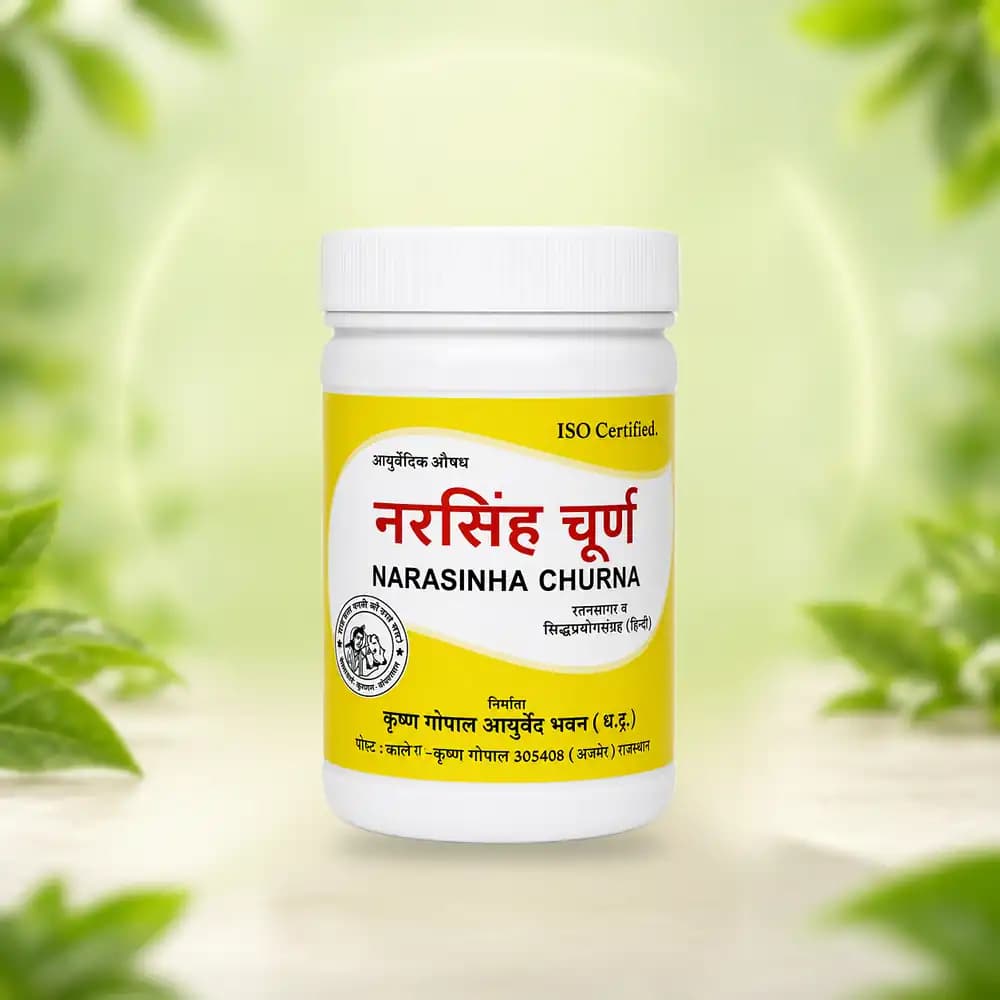
Narasinha Churna (Bhilawa) (Kalera) Kalera
Skin disorders, blood purifier
Container of 100 g
4.5
₹140Get ₹14 Cashback
 Prescribed to you4.7₹12 cashback
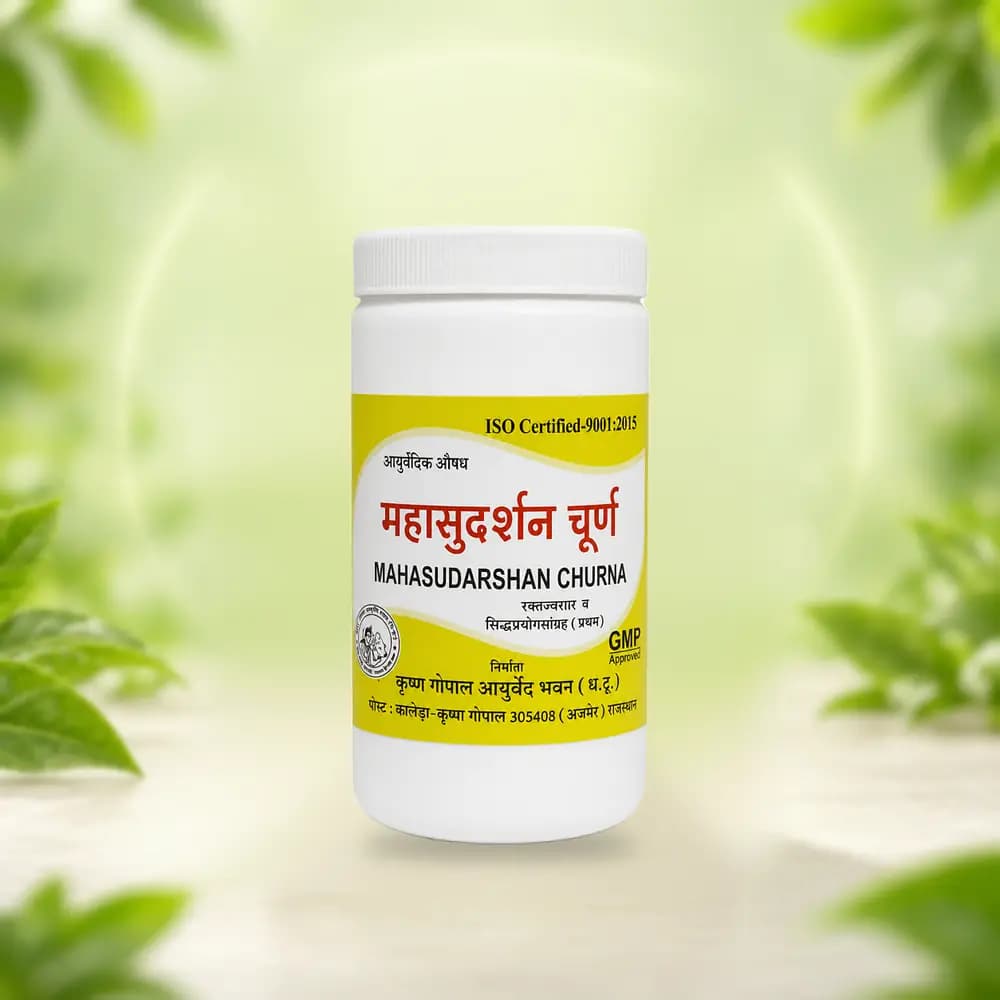
Mahasudarshan Churna (Kalera)KaleraFever remedy, immune support
Container of 50 g
4.7
₹120Get ₹12 Cashback
 Prescribed to you4.7₹31 cashback
Kanchan Hair Oil (Dhootapapeshwar) SDL
SDLHair strength and growth support
Bottle of 100 ml
4.7
₹319Get ₹31 Cashback