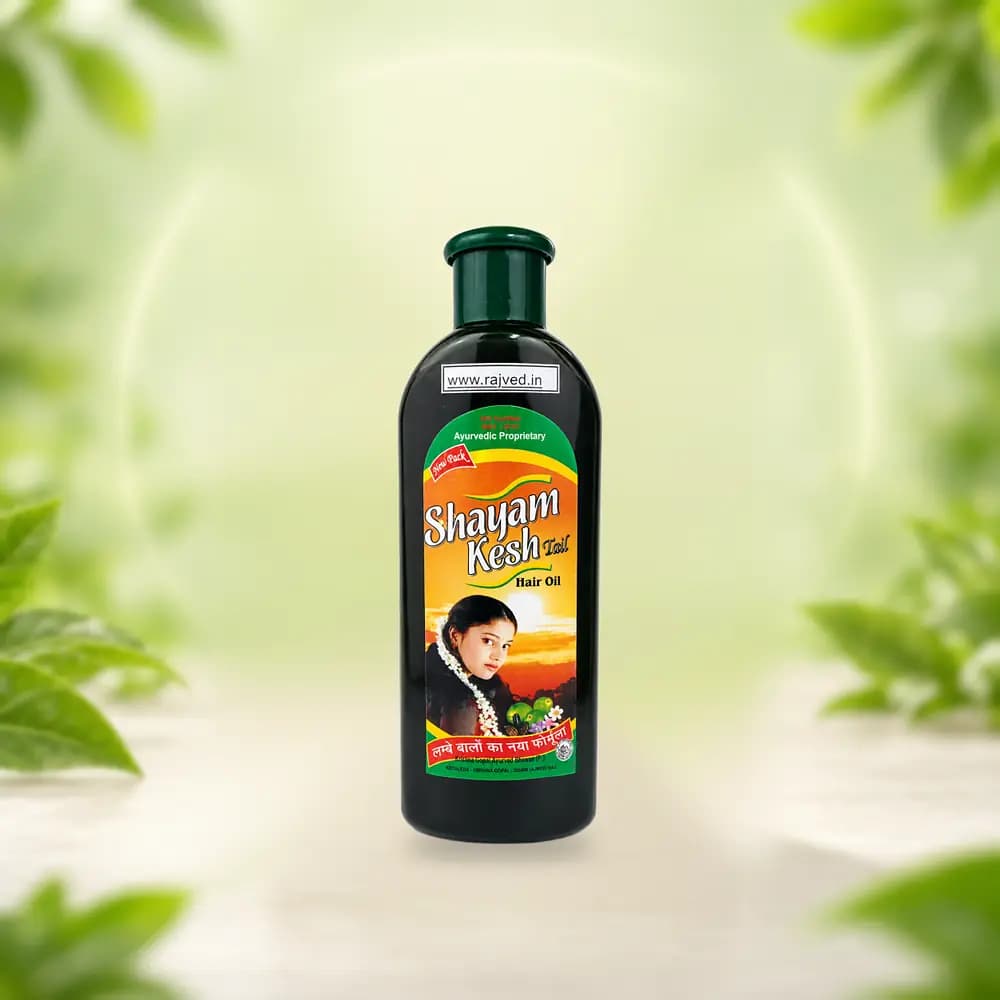
Hair loss
Reviewed by medical experts · For informational purposes only
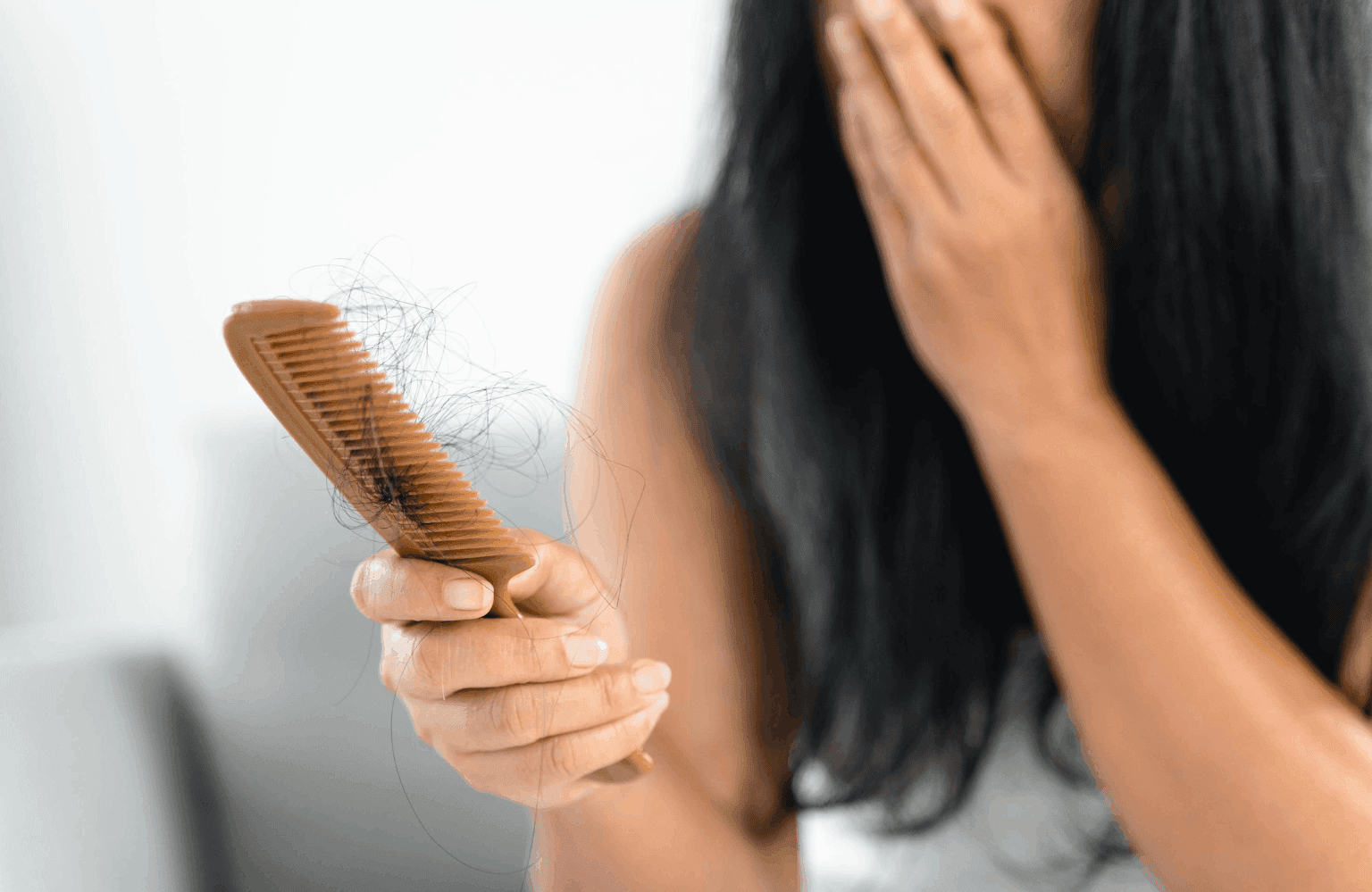
Introductory summary
Ayurveda classifies hair loss as Ke¿a Patana, or Kh¡litya and Indralupta, referring to specific types of alopecia. These conditions are fundamentally linked to the aggravation of Pitta and Vata doshas, often triggered by excessive salt intake or unsuitable dietary habits. Hair health is a direct reflection of body tissues; specifically, the diminution of Asthi Dhatu leads to falling hair, while Rasa Dhatu vitiation results in premature graying. Management focuses on restoring equilibrium through wholesome nutrition and external therapies like Shirobhya¿ga and Nasya. Medicated oils like Bhringaraja and Triphaladi Taila, along with potent herbs like Amalaki and Yashtimadhu, are vital for strengthening hair roots and promoting healthy growth.
Hair Loss
Hair Loss is a condition involving the falling out of hair from the scalp or body. In Ayurveda, this is primarily classified under Shiroroga (Diseases of the Head) or Kshudra Roga (Minor Diseases). It is termed Khalitya when referring to general baldness and Indralupta when referring to patchy hair loss (Alopecia Areata). The condition is deeply linked to the vitiation of Pitta dosha combined with Vata, and the subsequent obstruction of hair follicles by Kapha and vitiated Rakta (blood).
1. Definition
Ayurvedic Definition: A condition where the hair roots are scorched by internal heat (Pitta) and wind (Vata), causing hair to fall out. Subsequently, the pores are blocked by phlegm (Kapha) and blood (Rakta), preventing regrowth.
Modern Definition: Alopecia, commonly known as hair loss or baldness, refers to a loss of hair from part of the head or body.
2. Etymology & Conceptual Meaning
- Khalitya: Refers to baldness, typically gradual or pattern-based.
- Indralupta: Often translated as "Alopecia Areata." It implies hair "cut off" or disappears suddenly, leaving patches.
- Ruhya: A term sometimes used synonymously for total hair loss.
- Conceptual Interpretation: Hair (Kesha) is considered a byproduct or residue (Mala) of the Asthi Dhatu (Bone tissue). Hair health reflects bone health. Pathology occurs in the scalp skin (Kapala).
3. Causes (Nidana)
- Dietary Causes:
- Excessive Salt (Lavana): Leads to baldness (Khalitya) and graying (Palitya).
- Excessive Alkali (Kshara)
- Incompatible Foods (Viruddha Ahara)
- Physiological Factors:
- Asthi Kshaya (Bone Depletion)
- Rakta Dosha (Blood Impurity)
- Lifestyle: Suppression of urges, lack of sleep, stress.
4. Journey of the Disease (Samprapti)
- Samprapti Ghataka:
- Pathogenesis: Doshas lodge in roots, Pitta burns roots causing hair fall (Chyuti), Kapha + Rakta obstruct follicles, preventing nourishment.
5. Symptoms (Lakshana)
- Hair fall, gradual or sudden.
- Scalp texture smooth/shiny due to Kapha blockage.
- Associated symptoms: Premature graying (Palitya), pain/itching depending on dosha.
6. Types / Classification (Bheda)
- Vataja: Dry, rough scalp.
- Pittaja: Sweaty, burning sensation.
- Kaphaja: Thick, oily, whitish scalp.
- Tridoshaja: Features of all three doshas.
- Indralupta = patchy loss; Khalitya = general baldness.
7. Diagnosis
8. Disease Management
Panchakarma
- Pracchana: Gentle scalp pricking.
- Raktamokshana: Leeches on bald spots.
- Nasya: Medicated oils through nose.
- Shirolepana (Thalam): Herbal pastes.
- Shirodhara: Medicated liquids on forehead.
Medicines
- Bhringaraja, Gunja, Hastidanta Masi, Triphala + Loha Bhasma, Snuhyadi Taila
Diet (Ahara)
- Avoid: Excess salt (Lavana), alkalis (Kshara), sour foods.
- Recommended: Nutritious foods for bone/blood health: milk, ghee, green gram.
9. Prognosis
• Curable (Sadhya): If the hair loss is recent and the pores are not fully closed.
• Difficult/Incurable (Krichra/Asadhya): If the scalp has become completely smooth, shiny, and devoid of pores (due to long-term Kapha blockage), regrowth is considered impossible in Ayurveda. Also, total hair loss (Ruhya) is difficult to treat.
10. Modern Correlations
• Khalitya = Androgenic Alopecia (Male/Female Pattern Baldness): The progressive nature matches.
• Indralupta = Alopecia Areata: The patchy, sudden nature matches.
• Pathology: The Ayurvedic concept of "follicular miniaturization" or blockage preventing regrowth parallels modern understanding of DHT sensitivity and follicle dormancy.
11. References
-
Comprehensive overview of why hair loss happens, signs to watch for, and common conditions.
https://www.mayoclinic.org/diseases-conditions/hair-loss/symptoms-causes/syc-20372926 (Mayo Clinic)
-
Mayo Clinic — Hair loss Diagnosis & Treatment
Detailed medical info on how hair loss is diagnosed and treatment options (medications, surgeries).
https://www.mayoclinic.org/diseases-conditions/hair-loss/diagnosis-treatment/drc-20372932 (Mayo Clinic)
-
WebMD — Hair Loss Reference Library
A full library covering causes, symptoms, treatments, prevention, and tips for healthy hair.
https://www.webmd.com/skin-problems-and-treatments/hair-loss/medical-reference/default.htm (WebMD)
-
NDTV Hindi — 6 कारण और समाधान (Hair fall causes & prevention tips)
Hindi article explaining common reasons your hair falls out and what to do about it.
(Hindi) https://www.ndtv.in/lifestyle/6-causes-of-hair-loss-in-men-and-how-to-stop-hair-fall-ndtv-hindi-ndtv-india-3823548 (NDTV India)
-
OnlyMyHealth (Hindi) — बालों का गु़च्छे में झड़ना क्यों होता है
Doc explains why seeing clumps of hair fall out isn’t normal and what could be causing it.
(Hindi) https://www.onlymyhealth.com/clump-hair-loss-causes-doctor-tells-in-hindi-12977840363 (Onlymyhealth)
-
1mg (Hindi) — घरेलू उपाय और Hair fall info
A Hindi guide on causes and home remedies for balancing hair loss.
(Hindi) https://www.1mg.com/hi/patanjali/home-remedies-for-hair-fall-in-hindi/ (1mg)
-
HealthShots Hindi — डायबिटीज़ और Hair fall
Explains how medical issues like diabetes can contribute to hair loss — and what to do.
(Hindi) https://www.healthshots.com/hindi/beauty/diabetes-can-causes-hair-fall-know-how-to-prevent-it/ (Healthshots)
12. FAQ Section
Q: Does eating salt cause baldness?
A: According to Charaka Samhita, excessive intake of salt (Lavana) is a direct cause of hair loss (Khalitya) and graying (Palitya) because it vitiates the blood and increases heat in the body.
Q: What is the best Ayurvedic oil for hair loss?
A: Bhringaraja Taila is the most renowned oil. Chakradatta mentions that massaging with oil processed with Bhringaraja juice creates curly, thick, and black hair.
Q: Can Panchakarma regrow hair?
A: Panchakarma therapies like Nasya (nasal drops) and Raktamokshana (bloodletting via leeches) can be very effective, especially for patchy hair loss (Indralupta), by removing the obstruction in the hair follicles.
Q: Why does Ayurveda recommend "scratching" the scalp?
A: For patchy baldness (Indralupta), Pracchana (gentle scratching/pricking) is advised to mechanically open the pores blocked by Kapha and blood, allowing the medicine to penetrate the hair roots. This should be done by a professional.
Consult a Doctor
- SP4.5Dr Sreelekha P Nair
Ayurveda6 yrs exp
- SJ3.9SUMEDH JOSHI
Ayurveda7 yrs exp
- VH3.9Vaidya Harsh
Ayurveda9 yrs exp
- GG3.0Dr GN Govinda
Ayurveda1 yrs exp
Buy Medicine
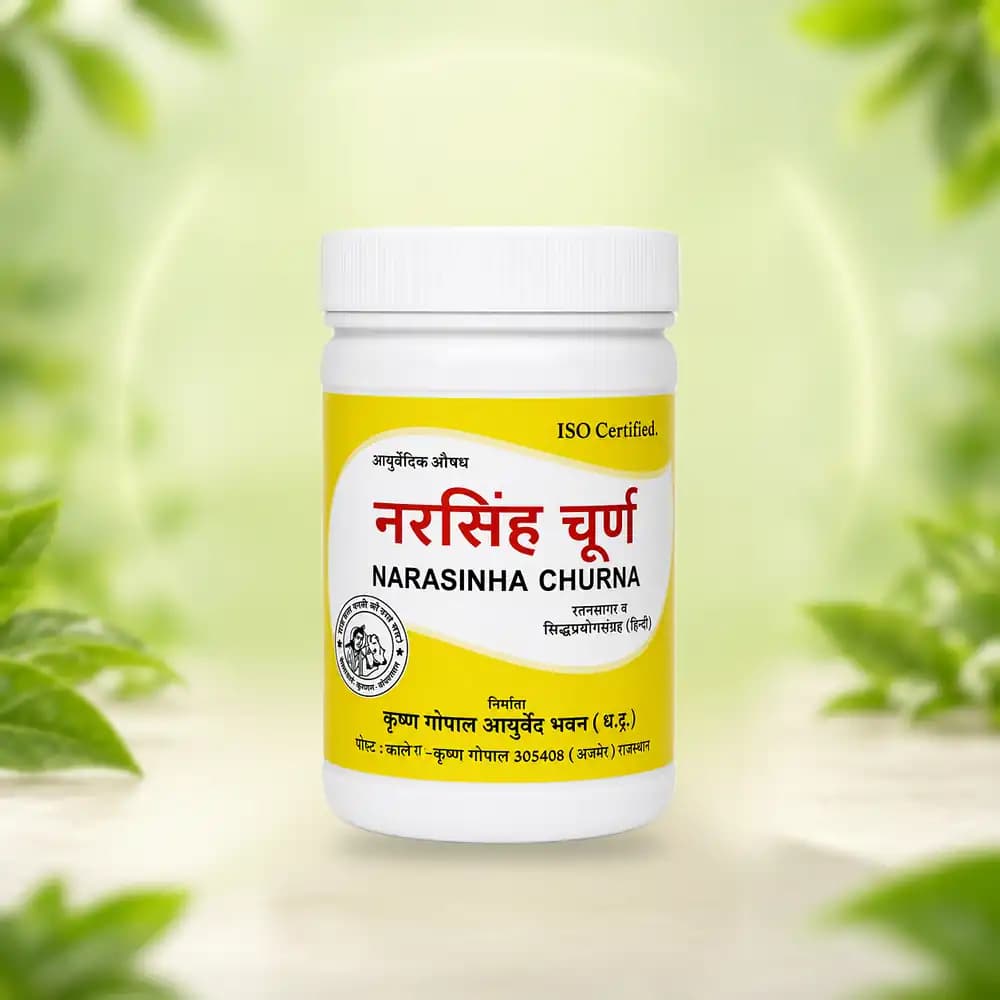 Prescribed to you4.5₹14 cashback
Narasinha Churna (Bhilawa) (Kalera) Kalera
Skin disorders, blood purifier
Container of 100 g
4.5
₹140Get ₹14 Cashback
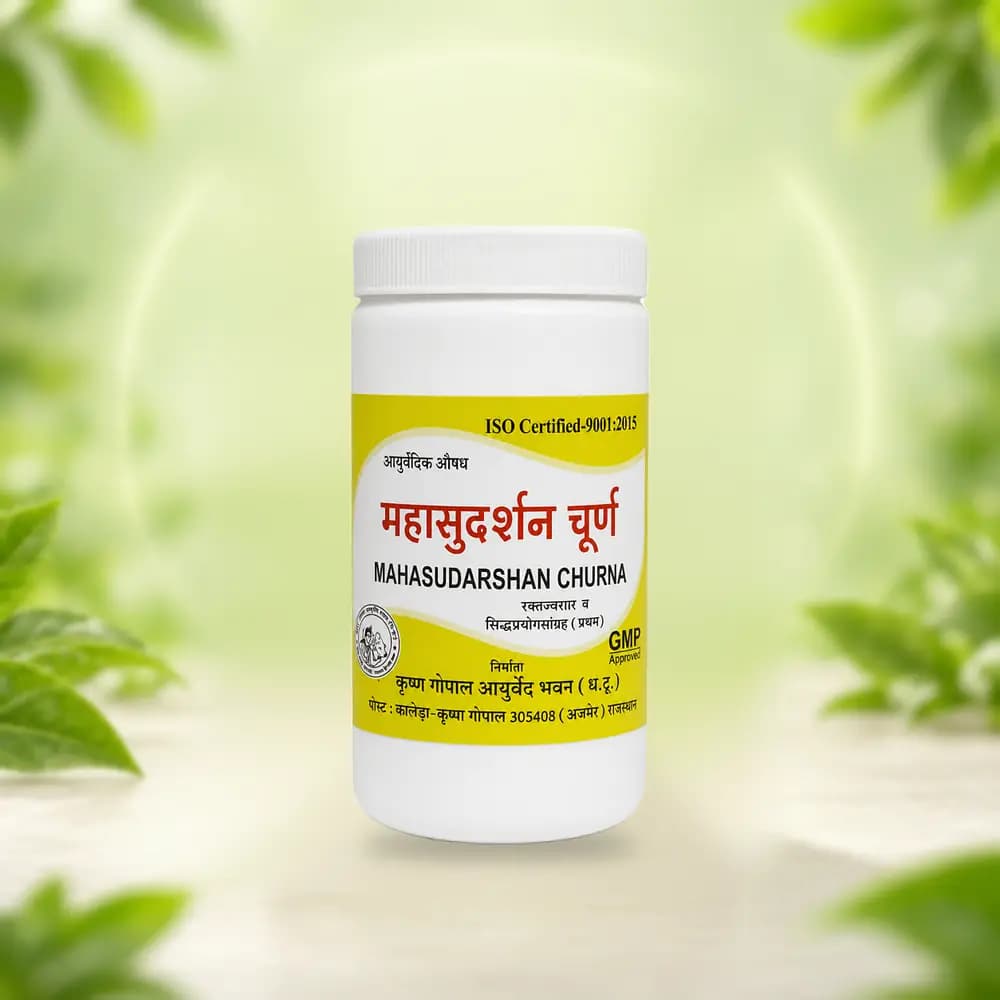 Prescribed to you4.7₹12 cashback
Mahasudarshan Churna (Kalera)KaleraFever remedy, immune support
Container of 50 g
4.7
₹120Get ₹12 Cashback
 Prescribed to you4.7₹31 cashback
Kanchan Hair Oil (Dhootapapeshwar) SDL
SDLHair strength and growth support
Bottle of 100 ml
4.7
₹319Get ₹31 Cashback