

Malaria Symptoms and Causes
Reviewed by medical experts · For informational purposes only
Introductory summary
Malaria correlates with the Ayurvedic condition Vishamajvara representing irregular fevers where vitiated Doshas lodge in deep tissues like bone and marrow. Clinical features include intermittent spikes of temperature often preceded by severe rigors and followed by burning sensations. Ayurveda classifies the disease into types like Tritiyaka and Chaturthaka based on the fevers periodicity mirroring tertian and quartan malaria. Pathogenesis involves the obstruction of channels by Vata and Pitta. Management aims to break the fever cycle using potent bitter herbs such as Saptaparna Kiratatikta and Guduchi. Specialized rejuvenation therapies like Vardhamana Pippali are prescribed to strengthen immunity while purification procedures like Virechana are essential to eliminate deep seated metabolic toxins and prevent recurrence.
Malaria
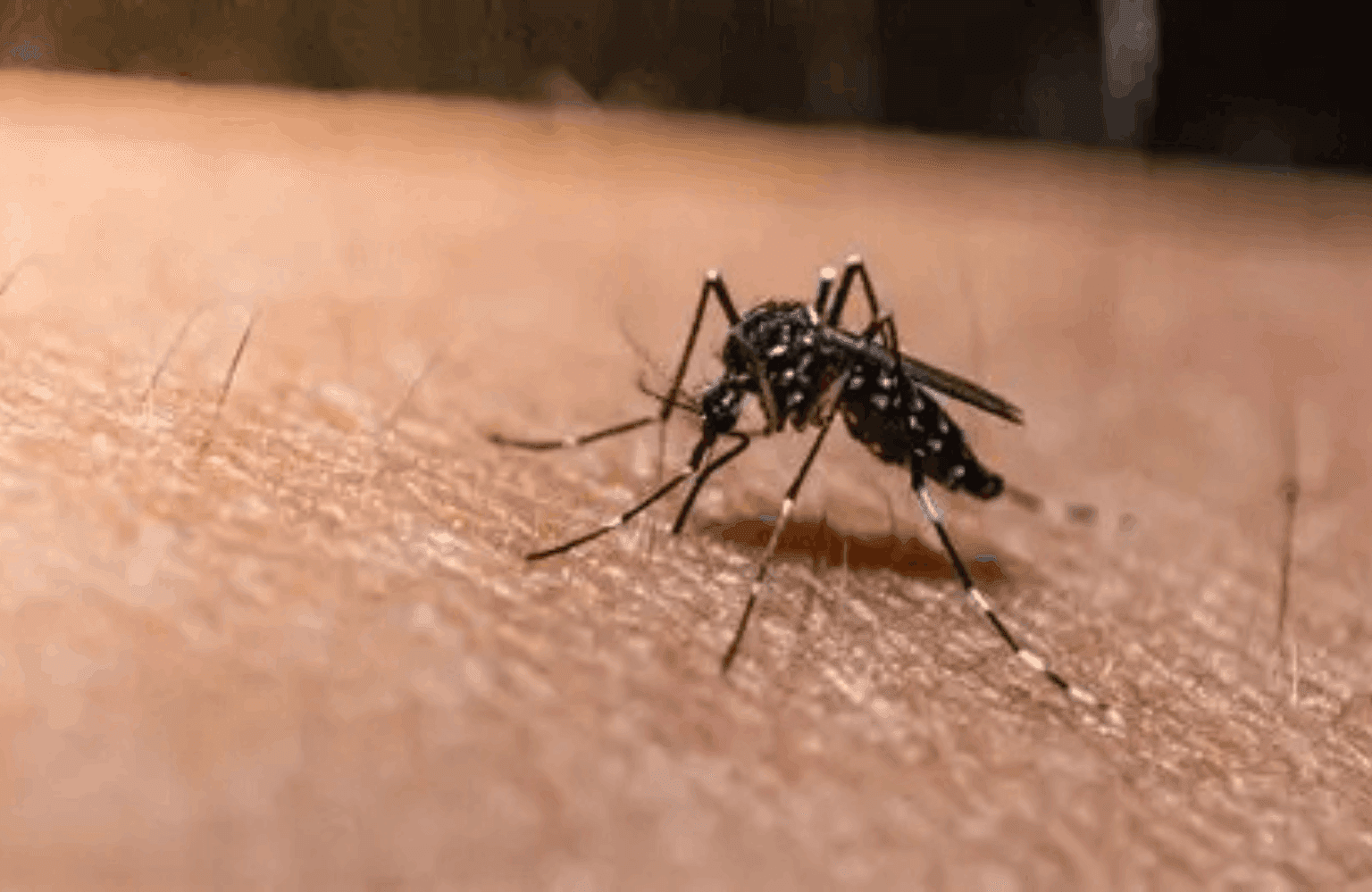
Malaria is a mosquito-borne infectious disease affecting humans and other animals. In Ayurveda, its intermittent fever, shivering, and high temperature are correlated with Vishamajvara (Irregular Fever). It is considered a complex condition where the Doshas lodge deep in the Dhatus, causing fever that appears and disappears at intervals.
1. Definition
Modern Definition: Caused by Plasmodium parasites, transmitted by infected female Anopheles mosquitoes. Characterized by recurring chills and fever.
Ayurvedic Definition: Vishamajvara is fever irregular in onset, duration, and cessation. It possesses the body temporarily and returns later, similar to tidal flow.
2. Etymology & Conceptual Meaning
- Vishama: Irregular, uneven
- Jwara: Fever
Conceptual Interpretation: Doshas remain latent (Lina), becoming active (Prakopa) at specific times, triggering fever.
3. Causes (Nidana)
- Dietary: Unwholesome food (Mithya Ahara), eating before previous meal digests, heavy/cold foods
- Lifestyle: Irregular routines (Mithya Vihara), suppression of urges, improper sleep
- External (Agantu): Bhuta (microbes/spirits), Abhishanga (external infection)
- Environmental: Abnormalities in land, water, air (epidemic factors)
4. Journey of the Disease (Samprapti)
- Components (Samprapti Ghataka):
- Mechanism: Doshas travel through Srotas, lodge in Dhatus, become active intermittently.
5. Symptoms (Lakshana)
- Cardinal Symptom: Vegavath (periodic fever)
- Cold and Heat: Alternation of rigors (shivering) and intense burning (Daha)
- Associated: Body aches, thirst, heaviness, headache, weakness
6. Classification (Bheda)
- Santata (Continuous): Severe, 7–12 days; correlates with Plasmodium falciparum
- Satata (Double Quotidian): Fever twice daily
- Anyedyushka (Quotidian): Fever once daily
- Tritiyaka (Tertian): Fever every third day; Doshas in Meda
- Chaturthaka (Quartan): Fever every fourth day; Doshas in Asthi and Majja
7. Diagnosis
- Ayurvedic (Roga Pariksha):
- Kala (Time of Onset): Observe periodicity
- Symptoms: Rigors followed by heat distinguish it from other fevers
- Differential: Distinguished from Sannipata Jwara (continuous fever with delirium)
8. Disease Management
Medicines
- Saptaparna (Alstonia scholaris): Bark used to break fever cycle
- Kiratatikta (Swertia chirata): Bitter herb for decoctions
- Guduchi (Tinospora cordifolia): Boosts immunity, clears chronic fever
- Vardhamana Pippali: Gradually increasing long pepper dosage
- Panchatikta Ghrita: Medicated ghee with five bitter herbs
- Lashuna (Garlic): Taken with oil/ghee to prevent fever bouts
Panchakarma
- Virechana: Purgation to remove Pitta/toxins
- Niruha Basti: Decoction enema for chronic fevers
Lifestyle & Diet
- Diet: Light foods like green gram soup, old rice; avoid heavy/oily foods
- Spiritual Therapies (Daivavyapashraya): Recommended historically for external agents (Bhuta)
9. Prognosis
• Difficult to Cure (Krichra): Vishamajvara is generally considered difficult to cure because the Doshas have penetrated deep into the structural tissues (Dhatus) like bone and marrow.
• Fatal: Santata (continuous) fever can be fatal if not treated within the critical period of 7-12 days
10. Modern Correlations
- Tritiyaka Jwara = Tertian Malaria: Plasmodium vivax/ovale, fever every 48 hrs
- Chaturthaka Jwara = Quartan Malaria: Plasmodium malariae, fever every 72 hrs
- Santata Jwara = Malignant Malaria: Severe Plasmodium falciparum infection
- Cold Stage/Hot Stage (Sheetadi): Matches malaria rigors and fever
11. References
-
World Health Organization (WHO) – Malaria Overview
Comprehensive global facts about malaria — how it spreads, who’s at risk, and basic information you need to know.
https://www.who.int/health-topics/malaria (who.int) (World Health Organization)
-
World Health Organization (WHO) – Malaria Fact Sheet
Official details on symptoms, causes, prevention strategies, and treatment recommendations.
https://www.who.int/news-room/fact-sheets/detail/malaria (who.int) (World Health Organization)
-
Mayo Clinic – Malaria: Symptoms & Causes
Trusted medical guide on what malaria is, how it’s transmitted, and what signs to watch for.
https://www.mayoclinic.org/diseases-conditions/malaria/symptoms-causes/dxc-20167987 (mayoclinic.org) (Mayo Clinic)
-
Mayo Clinic – Malaria: Diagnosis & Treatment
Details on how malaria is tested and treated, including various antimalarial medications.
https://www.mayoclinic.org/diseases-conditions/malaria/diagnosis-treatment/drc-20351190 (mayoclinic.org) (Mayo Clinic)
-
CDC – Malaria Diagnosis & Treatment Quick Reference
Practical clinical information on diagnosing and treating malaria early to prevent complications.
https://www.cdc.gov/malaria/php/surveillance/diagnosis-treatment-quick-reference.html (cdc.gov) (CDC)
-
मलेरिया – लक्षण, कारण, बचाव और इलाज (Hindi Guide)
Hindi article explaining symptoms (बुखार, कंपकंपी, सिर दर्द) and what you should know about malaria infection.
(Hindi) https://www.ganeshdiagnostic.com/blog/malaria-in-hindi (ganeshdiagnostic.com) (Ganesh Diagnostic & Imaging Centre)
-
मलेरिया के लक्षण/उपाय – Heartzindagi (Hindi)
Hindi health article focusing on signs of malaria and why early detection matters.
(Hindi) https://www.herzindagi.com/hindi/health/what-is-malaria-causes-symptoms-and-treatment-article-1036353 (herzindagi.com) (Herzindagi)
-
मलेरिया: क्यों जानलेवा और कैसे बचाव (Hindi)
Hindi explainer on malaria causes, risks, prevention tips, and what puts people at higher risk.
(Hindi) https://www.timesnowhindi.com/health/malaria-causes-symptoms-and-prevention-tips-in-hindi-article-152968452 (timesnowhindi.com) (Times Now Navbharat)
12. FAQ Section
Q: Does Ayurveda have a cure for Malaria?
A: Ayurveda describes specific treatments for Vishamajvara (Malaria) using potent herbs like Saptaparna, Kiratatikta, and Guduchi. These are used to break the fever cycle and cleanse the body. However, severe cases (like Santata) are recognized as dangerous and require immediate and intensive care.
Q: What is the significance of "Long Pepper" (Pippali) in Malaria?
A: Vardhamana Pippali (gradually increasing dosage of Long Pepper) is a famous Ayurvedic therapy for chronic and intermittent fevers. It is believed to penetrate deep tissues and revive the metabolic fire (Agni) to destroy the latent infection.
Q: Why does the fever come and go?
A: According to Madhava Nidana, the Doshas in Vishamajvara are "latent" or hiding in the deep tissues. They only become active and manifest symptoms when they gain strength at specific times of the day or after a specific number of days.
Q: Is garlic good for Malaria?
A: Yes, Chakradatta mentions the use of garlic (Lashuna) mixed with oil or ghee, taken before the expected time of the fever attack, as a method to prevent or check the fever bout.
Consult a Doctor
- KC5.0Dr. Kamesh chand sharma
Ayurveda2 yrs exp
- PP4.4Dr prince patel
Ayurveda22 yrs exp
- AG4.6Dr. Abhishek Gupta
Ayurveda1 yrs exp
- AB4.5Dr. Atul Bharadava
Ayurveda4 yrs exp