Elaichi Benefits and Uses
Reviewed by medical experts · For informational purposes only
Introductory summary
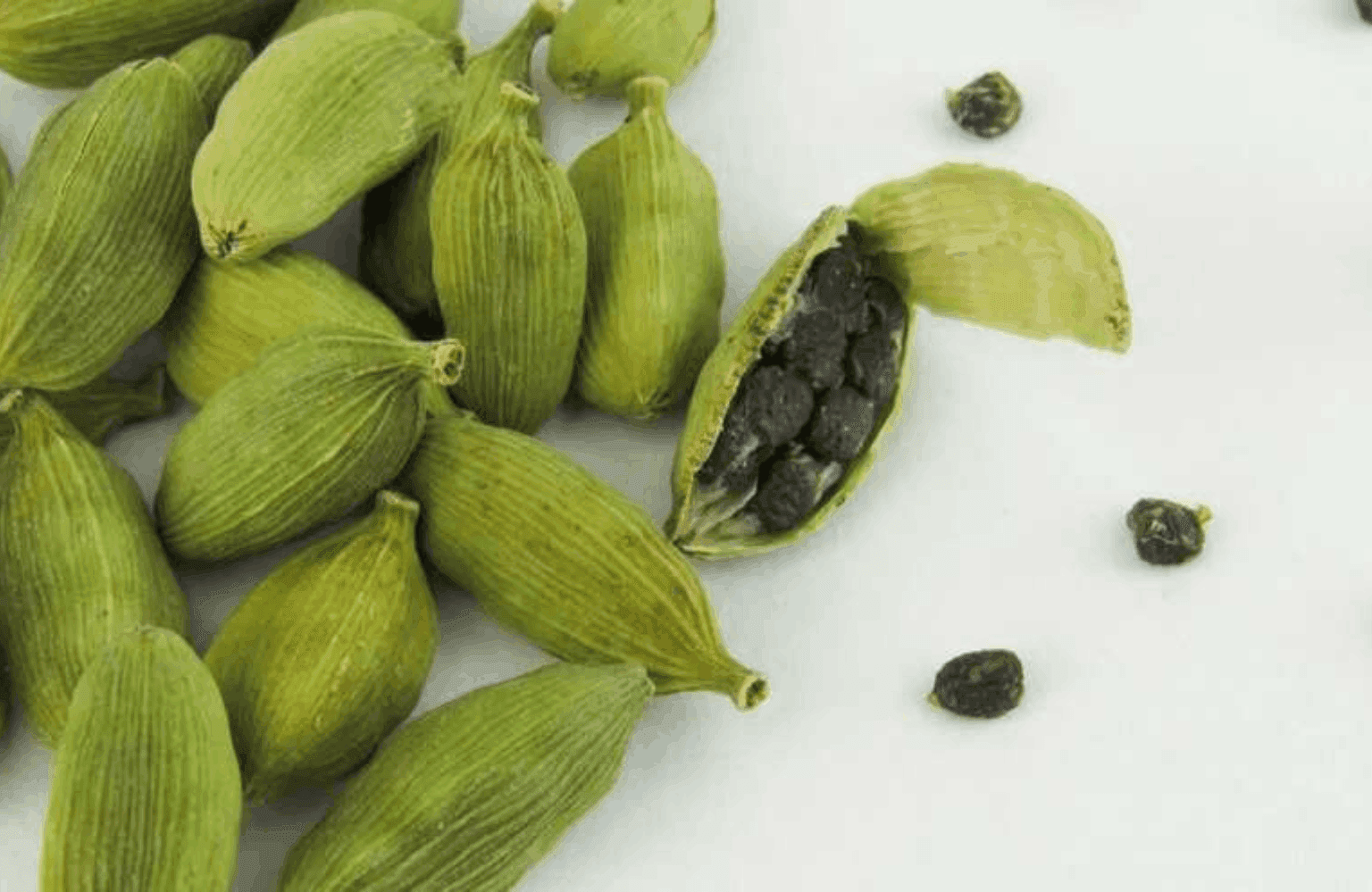
Elaichi scientifically known as Elettaria cardamomum is referred to as Sukshmaila in Ayurveda. It acts as a cooling aromatic herb with Sweet and Pungent tastes and Light quality. Unlike the larger variety Sthulaila which is hot Sukshmaila possesses a Cold potency making it effective for burning sensations and thirst. It is highly valued as a cardiac tonic known as Hridya and a diuretic known as Mutrala. Clinically it is indicated for respiratory conditions like cough and asthma digestive disorders including vomiting and anorexia and painful urination. It also cleanses the mouth and head. Commonly found in formulations like Eladi Churna the Ayurvedic Pharmacopoeia of India recommends a dosage of 250 to 500 milligrams of the seed powder.
Elaichi
Elaichi, known scientifically as Elettaria cardamomum, is often referred to as the "Queen of Spices." In Ayurveda, it is known as Sūkṣmailā or Truṭi. It is a highly valued herb used not only as a flavoring agent but also for its ability to treat respiratory conditions, digestive disorders, and urinary issues. It is considered a Hridya (heart tonic) and a breath freshener.
1. Name of the Herb
- Common Name: Cardamom, Green Cardamom.
- Scientific Name: Elettaria cardamomum (Linn.) Maton.
- Sanskrit Names: Elā, Sūkṣmailā, Truṭi.
- Other Names: Chota elaich (Hindi/Bengali), Velchi (Marathi), Elakki (Kannada), Elam (Malayalam), Siruelam (Tamil), Chinne Elakulu (Telugu).
- Note: There is a larger variety known as Sthūlailā (Greater/Black Cardamom - Amomum subulatum), which has slightly different properties.
2. Brief Description
The plant is a stout, large perennial herb growing naturally in moist forests (Western Ghats). The medicinal part consists of the dried seeds found within the greenish to pale-buff capsules. In Ayurveda, it is highly regarded for its aromatic, cooling, and appetizing properties. It acts as a tonic for the heart and is frequently used to check vomiting and relieve thirst.
3. Source / Part Used
- Plant Source: Herbal / Plant-based.
- Part Used: Dried Seed (Bija).
4. Ayurvedic Properties
According to the Ayurvedic Pharmacopoeia of India (for Sūkṣmailā / Small Cardamom):
- Rasa (Taste): Madhura (Sweet) and Katu (Pungent).
- Guna (Qualities): Laghu (Light).
- Virya (Potency): Shita (Cold).
- Contrast: Large Cardamom (Sthūlailā) is Ushna (Hot) in potency.
- Vipaka (Post-digestive effect): Madhura (Sweet).
- Dosha Effect: Tridoshashamaka (Balances Vata, Pitta, and Kapha), specifically mentioned as Kaphavataghna (alleviates Kapha and Vata) in some contexts.
5. Key Benefits
- Improves Digestion: Acts as Dipana (appetizer) and Rochana (taste enhancer).
- Respiratory Health: Beneficial for Kasa (cough) and Shvasa (asthma/dyspnea).
- Relieves Nausea: Highly effective in treating Chardi (vomiting).
- Heart Health: Acts as Hridya (beneficial for the heart/cordial).
- Urinary Support: Acts as Mutrala (diuretic), helping in painful urination.
6. Uses / Indications
Elaichi is indicated in Ayurveda for the following conditions:
- Respiratory Disorders: Asthma (Shvasa), Cough (Kasa), and Pulmonary weakness (Kshaya).
- Digestive Disorders: Anorexia (Aruchi), Vomiting (Chardi), and Thirst (Trishna).
- Urinary Disorders: Painful urination (Mutrakrcchra).
- Oral Health: Bad breath/Halitosis (Mukha Daurgandhya).
- General: Weakness (Daurbalya) and Heart disease (Hridroga).
7. How It Works
- Carminative & Digestive: It acts through Anulomana (directing Vata downward), which helps clear gas and aids digestion.
- Cooling Action: Being Shita (cold) in potency, it helps soothe burning sensations (Daha) and thirst, unlike many other spices which are heating.
- Aromatic: Its strong aroma helps in masking bad breath and improving the sense of taste (Rochana).
8. Dosage
The recommended dosage according to the Ayurvedic Pharmacopoeia of India is:
- Powder (Churna): 250 mg to 500 mg.
- Note: For the larger variety (Sthūlailā), the dosage is higher, typically 1 to 3 grams.
9. Safety Information
Small Cardamom (Sūkṣmailā) is generally considered safe when consumed in culinary amounts and prescribed therapeutic doses. It is a key ingredient in many safe and common formulations like Sitopaladi Churna (used for cough) and Eladi Gutika.
10. Side Effects
- No significant side effects are reported in the texts when taken in proper dosage.
- However, due to its essential oils, very high doses might cause gastric irritation in sensitive individuals.
11. Precautions
- Pregnancy: While it is used in formulations for vomiting in pregnancy (Garbhini chardi), it should be taken under medical supervision.
- Large vs. Small: One must differentiate between Small (Green) and Large (Black) cardamom. Green is cooling, while Black is heating. For acidity or burning sensations, Green Cardamom is preferred.
12. Storage Instructions
- Store in a cool, dry place.
- Keep in an air-tight container to preserve the volatile oils and aroma.
13. References
- Antibacterial Activity Study – In-vitro evaluation of antibacterial potential of dry fruit extracts of Elettaria cardamomum (Chhoti Elaichi). Demonstrates antimicrobial properties of cardamom seed extracts. (PubMed)
Purshotam Kaushik et al., Iran J Pharm Res, 2010 – In Vitro Evaluation of Antibacterial Potential of Dry Fruit Extracts of Elaichi (PMCID available). (PMC) - Botanical & Chemical Description – Cardamom fruit morphology, essential oil composition (1,8-cineole, α-terpineol, terpinyl acetate) and cultivation details. (McCormick Science Institute)
- Pharmacological Review – Review comparing Elettaria cardamomum with related cardamoms (including traditional uses such as digestive, antiseptic, antispasmodic and stimulatory effects). (matjournals.co.in)\
- Ayurvedic Uses & General Info – Elaichi (इलायची) is used traditionally to support digestion, oral health, nausea relief, and more. (Dabur)
- Herbal Properties & Uses – Details on traditional applications of cardamom seeds for digestive support, nausea, pulmonary conditions, and antimicrobial action. (hashmidawakhana.co.in)
- Bioactive Composition Summary – Lists chemical constituents and common uses in herbal medicine and dietary practices. (Polycare Herbals)
- Cardamom Origin & Common Names – Botanical, linguistic and geographic notes on Elettaria cardamomum, including vernacular names like “Elaichi” in Hindi/Urdu. (journalcra.com)
- Health & Culinary Benefits Summary – Overview of elaichi’s role in diet, aroma, and traditional health contexts. (Netmeds)
14. FAQs
** **Q. Can it be taken daily?
Yes, it is commonly used as a spice in tea and food. In small quantities, it aids digestion and freshens breath.
Q. When should it be taken?
It is often taken after meals as a mouth freshener and digestive aid. For respiratory issues, it is often taken with honey.
Q. Can it be taken with milk/water?
Yes. Formulations like Eladya Modaka are recommended to be taken with milk (Payasa). It can also be boiled in water or tea.
Consult a Doctor
- NG5.0Dr Nandini gaur
Ayurveda1 yrs exp
- KC5.0Dr. Kamesh chand sharma
Ayurveda2 yrs exp
- PP4.4Dr prince patel
Ayurveda22 yrs exp
- KH4.4Dr Kowshalya H S
Ayurveda3 yrs exp
Buy Medicine
 Prescribed to you4.8₹4 cashback
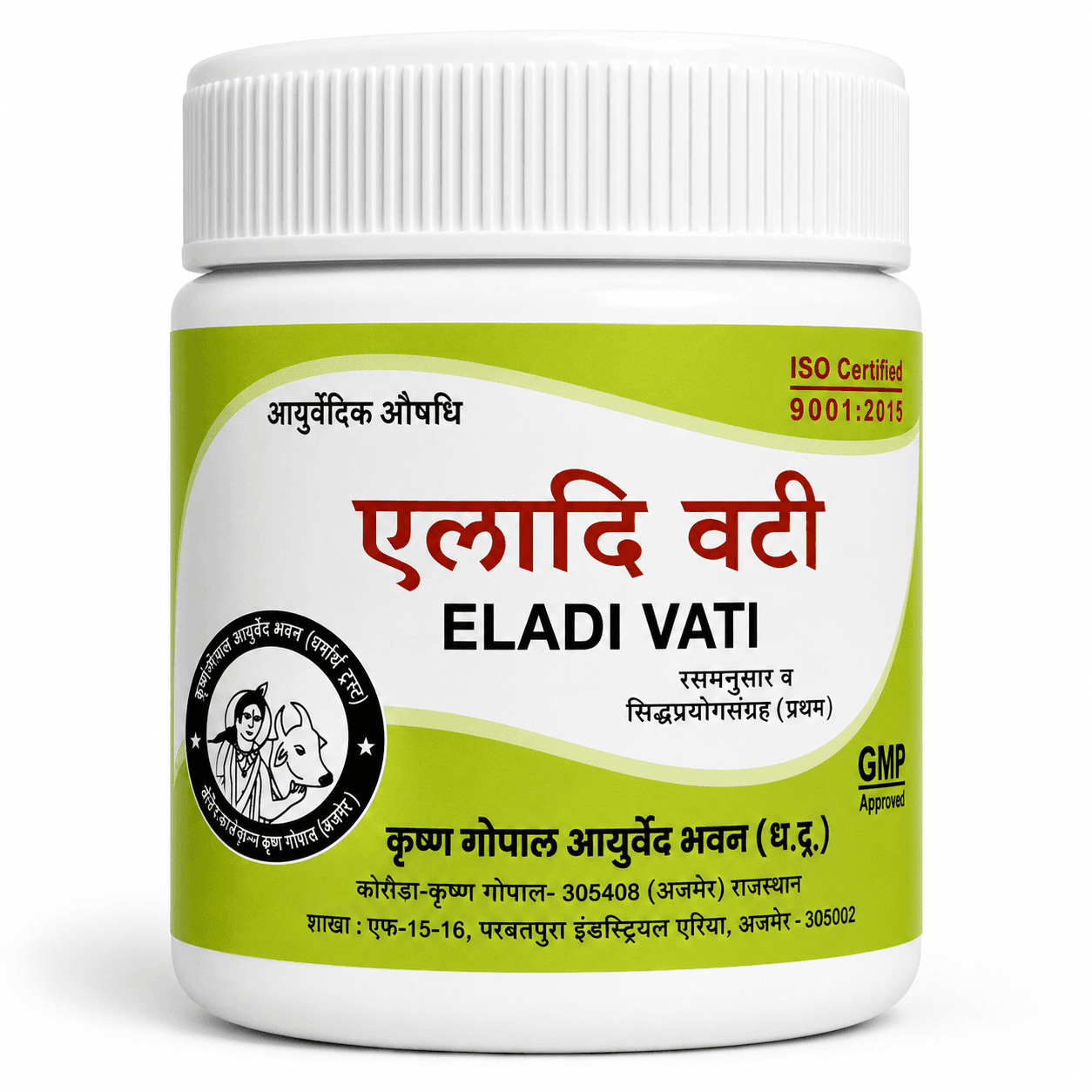
Eladi Vati (Kalera) Kalera
Supports cough & throat comfort
Strip of 30 Tablets
4.8
₹40Get ₹4 Cashback
₹4613% off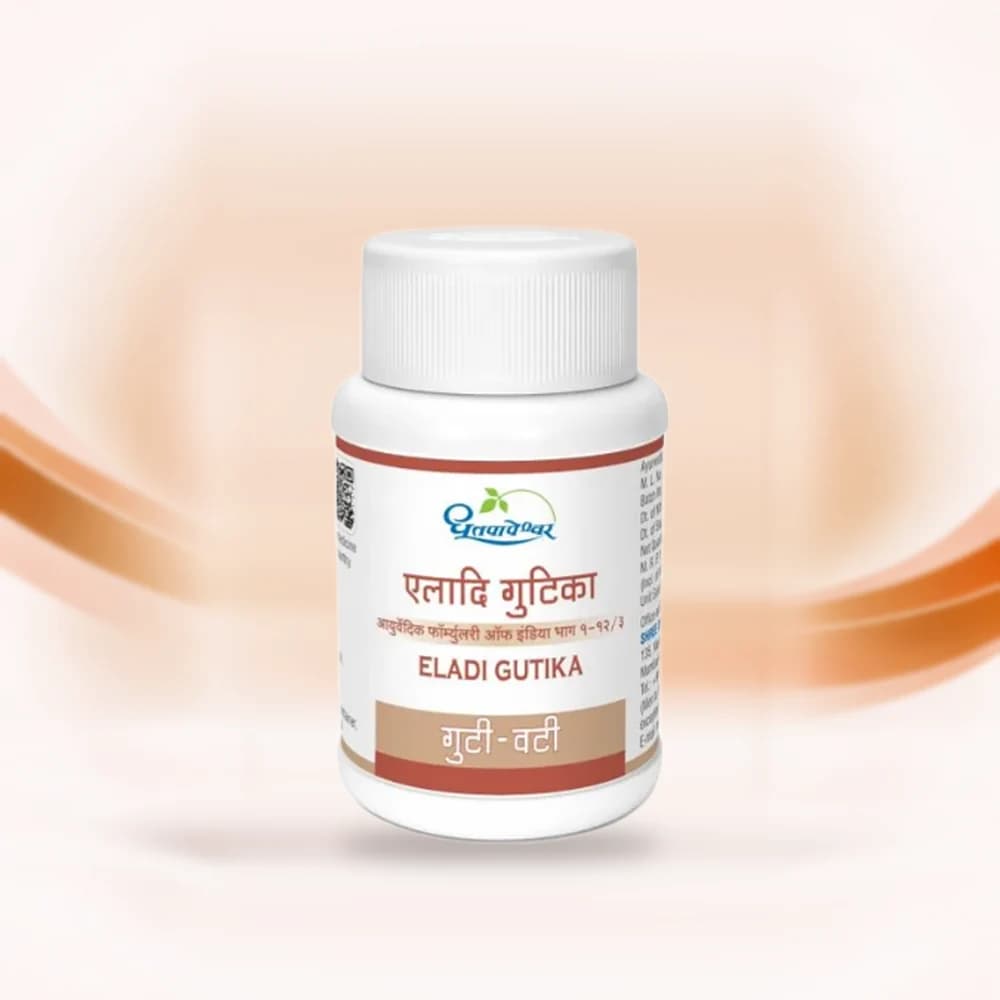 Prescribed to you4.6₹22 cashback
Eladi Gutika (Dhootapapeshwar) SDL
SDLThroat and cough comfort
Strip of 60 Tablets
4.6
₹222Get ₹22 Cashback
₹25112% off