Mulethi
Reviewed by medical experts · For informational purposes only
Introductory summary
Mulethi scientifically known as Glycyrrhiza glabra and called Yashtimadhu in Ayurveda consists of the dried roots and stolons. It possesses a Sweet taste with Heavy and Unctuous qualities. Due to its Sweet post digestive effect and Cold potency it effectively pacifies Vata and Pitta doshas. It is revered as a Rasayana or rejuvenator and is specifically classified as Kanthya beneficial for the throat and voice and Caksusya good for the eyes. Therapeutically it acts as Raktaprasadana soothing the blood and Sandhaniya promoting the healing of ulcers and fractures. It is indicated for respiratory disorders like cough asthma hoarseness of voice and conditions like hyperacidity and general debility. The Ayurvedic Pharmacopoeia of India recommends a dosage of 2 to 4 grams of the root powder.
Mulethi
Mulethi, scientifically known as Glycyrrhiza glabra, is one of the most revered herbs in Ayurveda. Known as Yashtimadhu (meaning "sweet stick"), it is a perennial herb valued for its sweet roots. In Ayurvedic tradition, it is classified as a Rasayana (rejuvenator) and Jivaniya (vitalizer), known to promote longevity and strength. It is distinctively recognized for its Kanthya (throat-soothing) and Chakshushya (eye-strengthening) properties.
1. Name of the Herb
- Common Name: Mulethi, Liquorice root, Sweet wood.
- Scientific Name: Glycyrrhiza glabra Linn..
- Sanskrit Names: Yaṣṭī, Yaṣṭimadhu, Madhuka, Madhuyaṣṭī, Yaṣṭyāhva.
- Regional Names: Jesthamadh (Marathi), Jethimadhu (Hindi/Gujarati), Atimadhuram (Telugu/Tamil), Irattimadhuram (Malayalam).
2. Brief Description
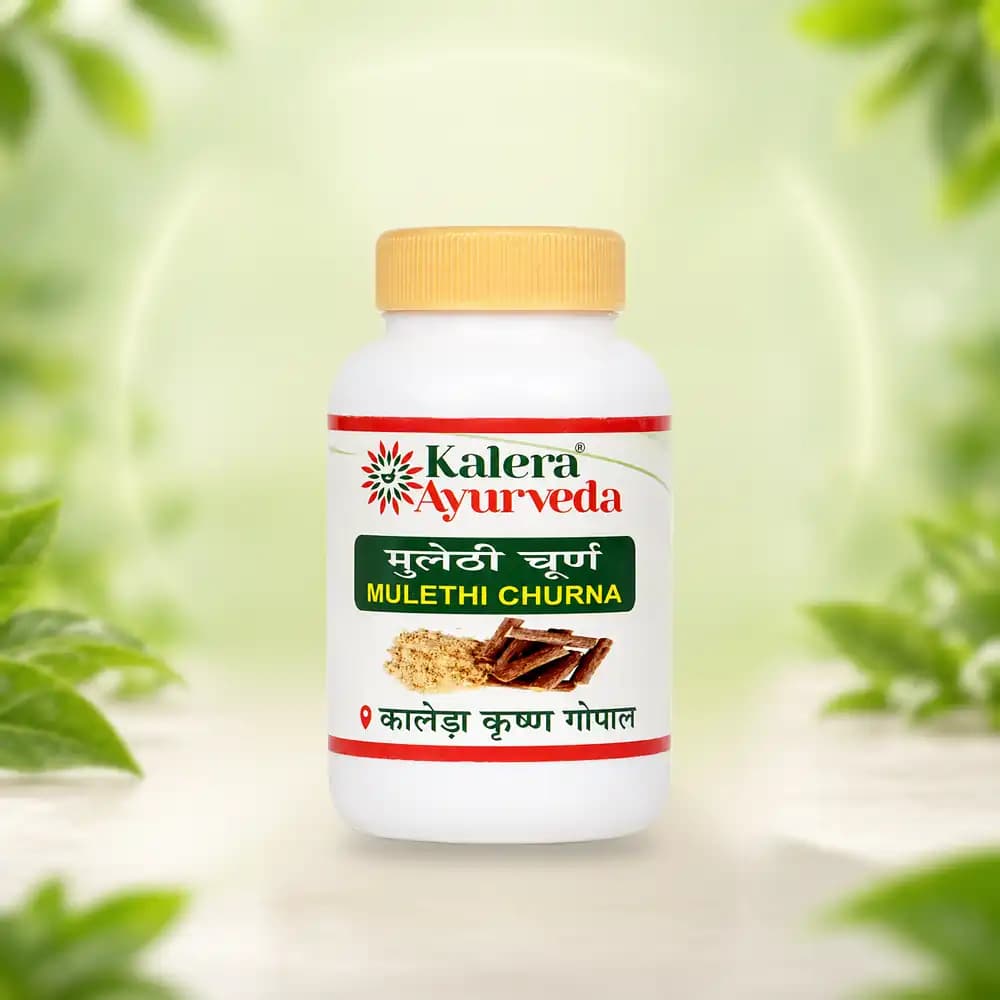
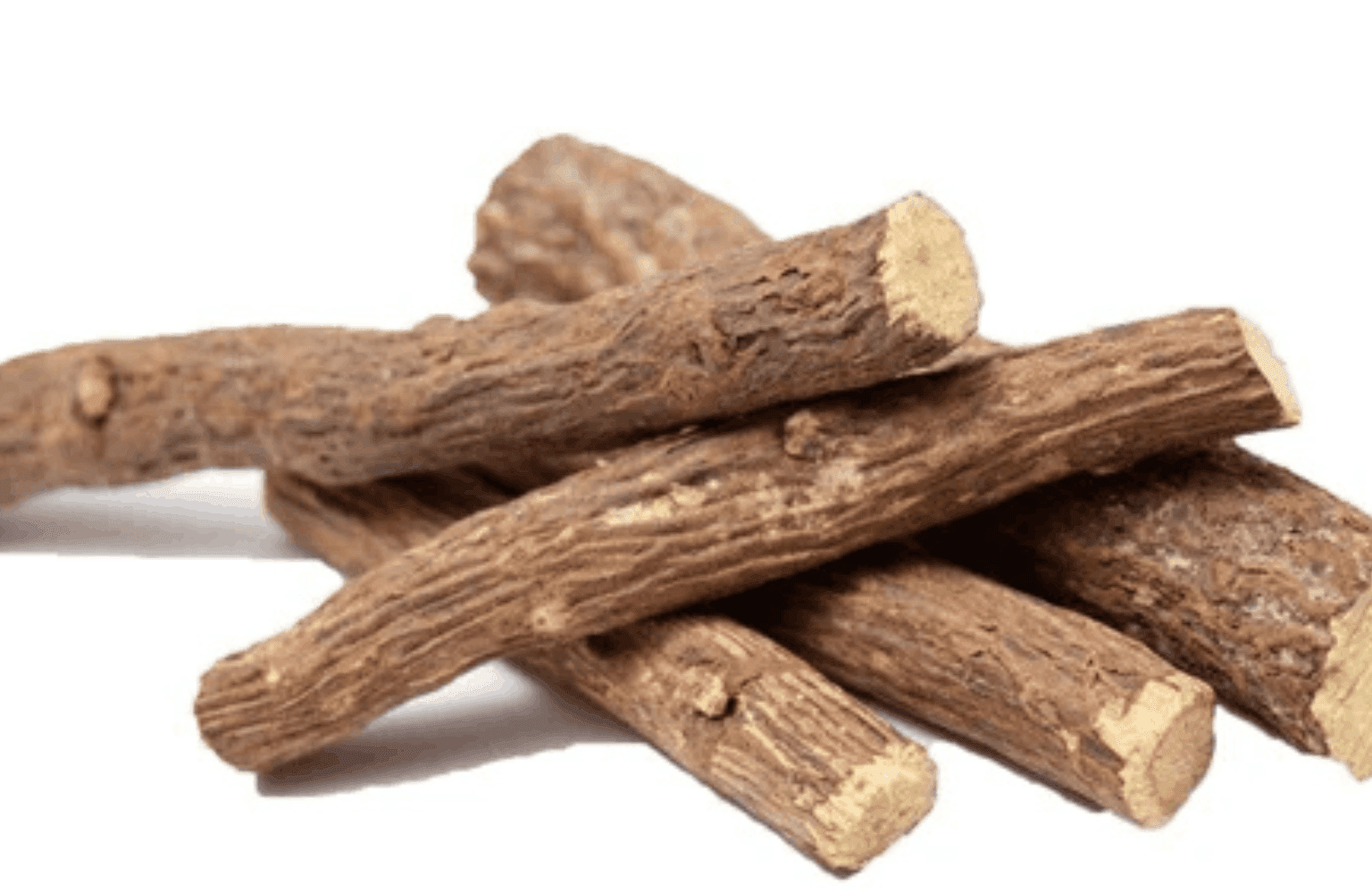
Mulethi is a tall perennial herb that grows up to 2 meters high. The medicinal part consists of the dried, unpeeled stolon and root. These roots are yellowish-brown externally and yellowish internally, possessing a characteristic sweet taste. Ayurveda regards it as a Sandhaniya herb (promotes the union of fractured or divided body tissues) and a Varnya herb (promotes complexion).
3. Source / Part Used
- Plant Source: Herbal / Plant-based.
- Part Used: Root and Stolon (Dried, unpeeled).
4. Ayurvedic Properties
According to the Ayurvedic Pharmacopoeia of India (Vol. I):
- Rasa (Taste): Madhura (Sweet).
- Guna (Qualities): Guru (Heavy) and Snigdha (Unctuous/Oily).
- Virya (Potency): Śīta (Cold).
- Vipaka (Post-digestive effect): Madhura (Sweet).
- Dosha Effect: Vātapittajit (Pacifies Vata and Pitta doshas).
5. Key Benefits
- Enhances Voice & Throat: Acts as Kanthya and Svaraya, improving voice quality and treating hoarseness.
- Promotes Vitality: Classified as Jivaniya (promoting life) and Balya (promoting strength).
- Supports Eye Health: Described as Cakṣuṣya, beneficial for vision.
- Improves Complexion: Acts as Varnya, enhancing skin tone and health.
- Heals Wounds: Possesses Vranaropana (wound healing) and Sandhaniya (healing fractures) properties.
- Reproductive Health: Acts as Vrishya (Aphrodisiac) and increases Shukra (semen).
6. Uses / Indications
Mulethi is indicated in Ayurveda for the following conditions:
- Respiratory Disorders: Kāsa (Cough), Śvāsa (Asthma/Dyspnoea), Svarabheda (Hoarseness of voice), and Yakṣmā (Tuberculosis).
- Digestive Disorders: Vraṇa (Ulcers/Gastritis), Chardi (Vomiting), Tṛṣṇā (Excessive Thirst), and Amlapitta (Hyperacidity).
- Circulatory & Blood: Raktapitta (Bleeding disorders) and Raktaprasādana (Soothing/purifying blood).
- General Health: Kṣaya (General debility/wasting), Daurbalya (Weakness), and Vātarakta (Gout).
- Hair Care: Used in oils like Madhuyaṣṭyādi Taila for Kesya (beneficial for hair) and treating Palita (graying of hair).
7. How It Works
- Soothing Action: Its Snigdha (unctuous) and Madhura (sweet) properties act as a demulcent, soothing irritated mucous membranes in the throat and stomach, making it effective for coughs and ulcers.
- Cooling Effect: Its Śīta (Cold) potency pacifies Pitta (heat), alleviating burning sensations (Daha) and acidity (Amlapitta).
- Immune & Brain Support: It acts as a Medhya (brain tonic) and Rasayana (rejuvenator), supporting the immune system and mental function.
- Gut Health: Research indicates it has significant prebiotic properties, impacting gut microbiota composition.
8. Dosage
The recommended dosage according to the Ayurvedic Pharmacopoeia of India is:
- Powder (Churna): 2 to 4 grams.
9. Safety Information
Mulethi is generally considered safe and is often used in formulations for children and pregnant women (as part of Garbhasthapana or pregnancy-maintaining drugs). It is described as Saumya (mild/gentle) in nature.
10. Side Effects
- While generally safe, excessive use of Madhura (sweet) substances can potentially lead to Kapha aggravation, resulting in heaviness or obesity if taken in very large quantities.
- However, specific toxic side effects for Mulethi are not explicitly listed in the standard Ayurvedic texts provided, where it is mostly praised for removing toxicity (Vishaghna).
11. Precautions
- Kapha Disorders: While it treats cough, pure sweet substances are generally contra-indicated in diseases caused by excess Kapha (like obesity or certain types of diabetes) if used excessively, though Mulethi specifically treats respiratory Kapha issues.
- Diet: It is often advised to be taken with a proper vehicle (Anupana) like milk or water to optimize its effect.
12. Storage Instructions
- Store the dried root powder in a cool, dry place.
- Keep in a well-closed container protected from light and moisture to prevent infestation or loss of potency.
13. References
-
WHO Monographs on Selected Medicinal Plants – Radix Glycyrrhizae
https://apps.who.int/iris/handle/10665/42052
-
WHO Global Report on Traditional and Complementary Medicine
https://www.who.int/publications/i/item/9789241515436
-
ESCOP Monographs – Liquorice Root
https://escop.com
-
Commission E Monographs – Licorice Root
https://www.herbal-ahp.org
-
Ayurvedic Pharmacopoeia of India (API) – Yashtimadhu
https://www.ayush.gov.in
-
PubMed – Glycyrrhiza glabra Research Articles
https://pubmed.ncbi.nlm.nih.gov/?term=Glycyrrhiza+glabra
-
NCBI Taxonomy Database – Glycyrrhiza glabra
https://www.ncbi.nlm.nih.gov
-
ScienceDirect – Licorice Phytochemistry & Pharmacology
https://www.sciencedirect.com/topics/pharmacology-toxicology-and-pharmaceutical-science/glycyrrhiza-glabra
-
SpringerLink – Clinical & Experimental Studies on Licorice
https://link.springer.com
-
Wiley Online Library – Licorice Research
https://onlinelibrary.wiley.com
-
Kew Science – Plants of the World Online (Glycyrrhiza glabra)
https://powo.science.kew.org
-
World Flora Online – Glycyrrhiza glabra
https://www.worldfloraonline.org
14. FAQs
** **Q. Can it be taken daily?
Yes, in recommended doses (2-4g), it acts as a Rasayana (tonic) for eyes, hair, and voice.
Q. When should it be taken?
It can be taken as needed for ailments like cough or acidity. As a tonic, it is often included in formulations taken daily.
Q. Can it be taken with milk/water?
Yes. It is frequently prescribed with warm milk or warm water to enhance its tonic and soothing effects.
Consult a Doctor
- MS4.2Midun s kumar
Ayurveda4 yrs exp
- SP4.5Dr Sreelekha P Nair
Ayurveda6 yrs exp
- VR4.2Vaidya Rohit Kumar
Ayurveda3 yrs exp
- V4.1Vairamuthu
Ayurveda8 yrs exp