Yashtimadhu
Reviewed by medical experts · For informational purposes only
Introductory summary
Yashtimadhu scientifically known as Glycyrrhiza glabra is a vital Ayurvedic herb renowned for its sweet taste and rejuvenating properties. Possessing Heavy Unctuous and Cold qualities it effectively pacifies Vata and Pitta doshas. It is a premier Kanthya drug improving voice quality and treating respiratory conditions like cough and hoarseness. Therapeutically it acts as a powerful ulcer healer known as Vranaropana and promotes the union of fractured tissues. It supports eye health enhances complexion and boosts reproductive vigor as a Vrishya agent. Commonly used in formulations like Yashtimadhuka Taila and Eladi Gutika the recommended dosage for the root powder is 2 to 4 grams to support general strength and immunity.
Yashtimadhu
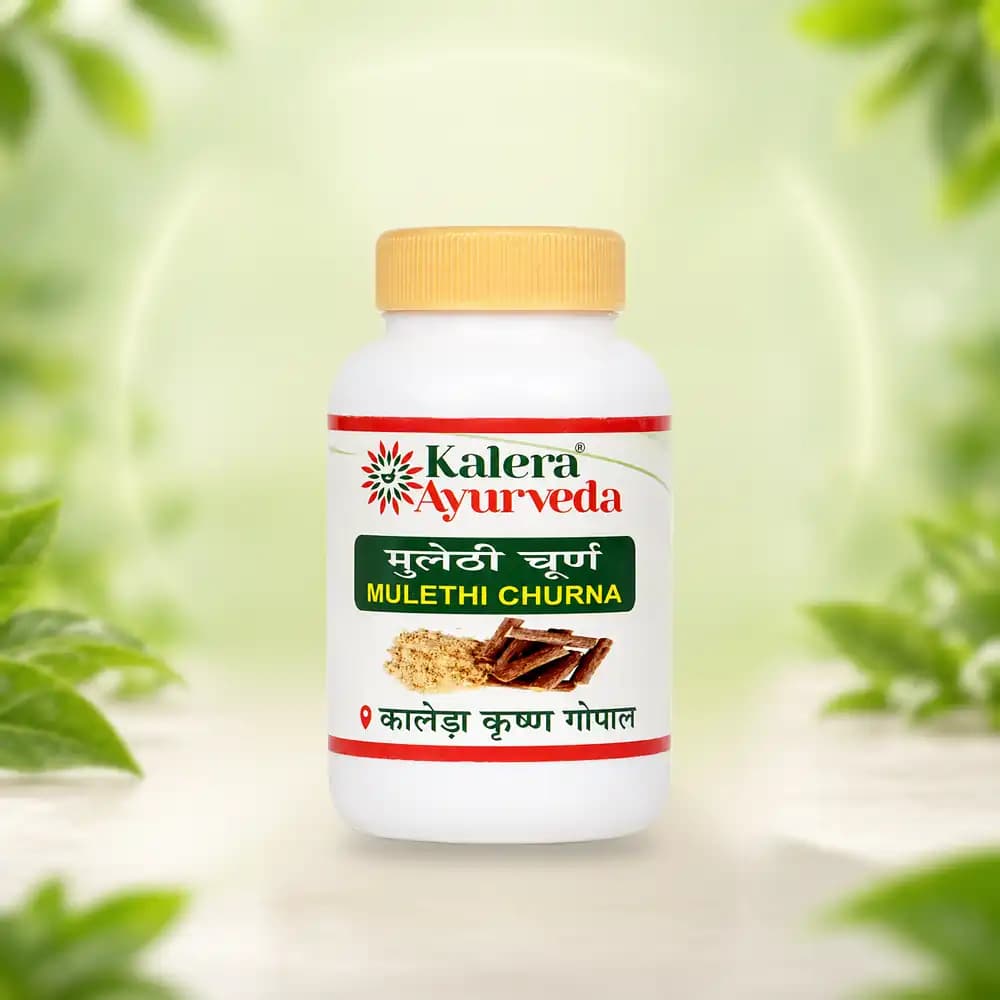
Yashtimadhu, scientifically known as Glycyrrhiza glabra, is one of the most vital herbs in Ayurveda. Often referred to simply as Yasti or Licorice, it is a sweet root that acts as a powerful tonic and rejuvenator. It is highly valued for its soothing effects on the throat, its ability to improve the voice, and its capacity to heal wounds and ulcers. It is classified as a Rasayana (rejuvenator) and is a key ingredient in numerous Ayurvedic formulations for treating respiratory, digestive, and eye disorders.
1. Name of the Herb
- Common Name: Liquorice root, Licorice.
- Scientific Name: Glycyrrhiza glabra Linn. (Family: Leguminosae).
- Sanskrit Names: Yaṣṭī, Yaṣṭīmadhu, Madhuka, Madhukā, Yaṣṭyāhvā, Madhuvallī.
- Regional Names: Mulethi (Hindi), Jesthamadh (Marathi), Atimadhuram (Telugu), Yashtimadhu (Bengali), Jethimadha (Gujarati).
2. Brief Description
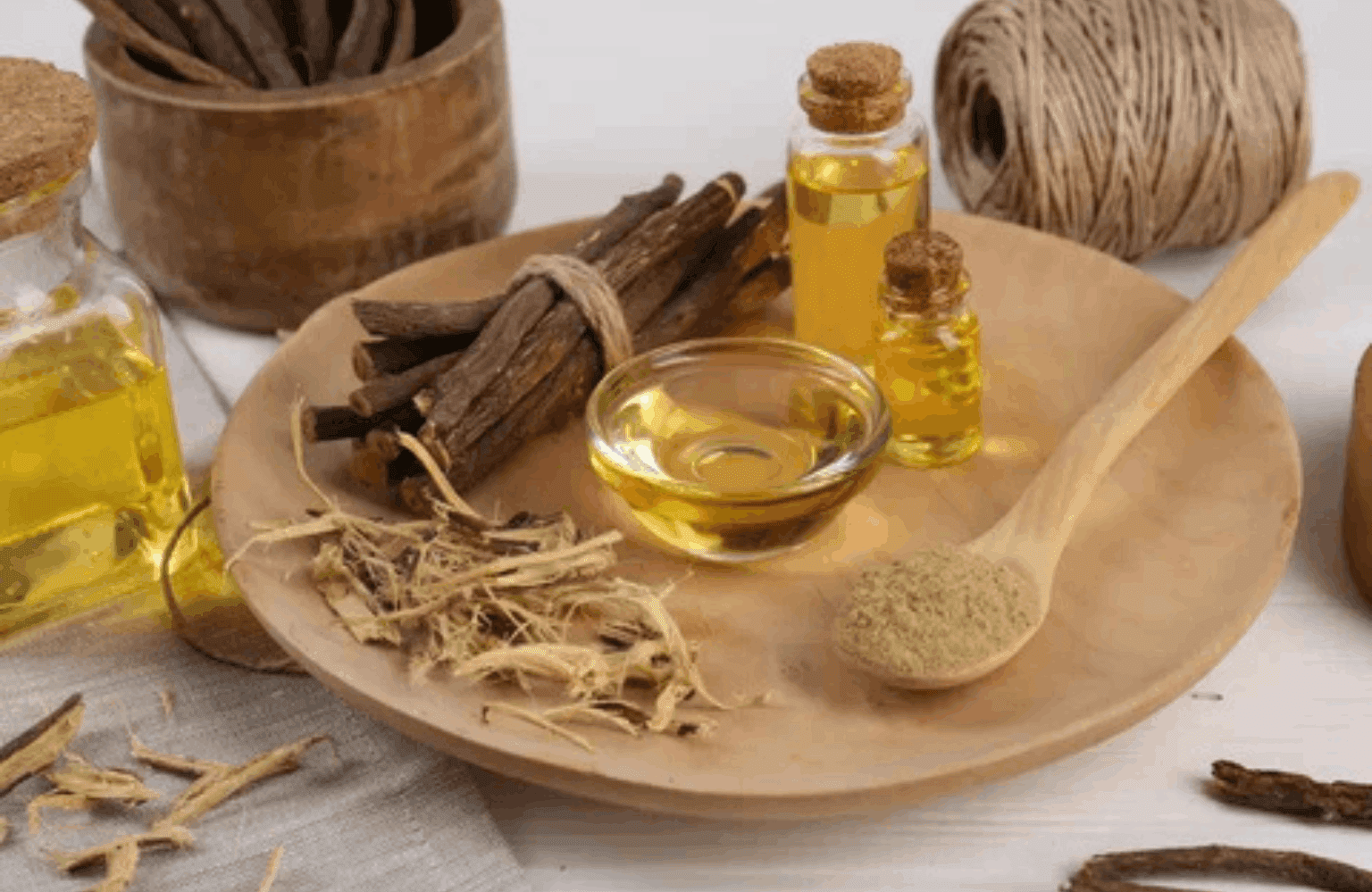
Yashtimadhu is a tall perennial herb that grows up to 2 meters high. The medicinal part is the dried, unpeeled stolon and root. It is famous for its naturally sweet taste. In Ayurveda, it is described as Chakshushya (beneficial for eyes), Kanthya (beneficial for the throat), and Varnya (enhances complexion),. It is considered a "Medhya Rasayana," a specific tonic to improve intellect and memory.
3. Source / Part Used
- Plant Source: Herbal / Plant-based.
- Part Used: Stolon and Root (Mula).
4. Ayurvedic Properties
According to the Ayurvedic Pharmacopoeia of India:
- Rasa (Taste): Madhura (Sweet).
- Guna (Qualities): Guru (Heavy) and Snigdha (Unctuous/Oily).
- Virya (Potency): Śīta (Cold).
- Vipaka (Post-digestive effect): Madhura (Sweet).
- Dosha Effect: Vata-Pitta jit (Pacifies Vata and Pitta doshas). due to its cold and heavy nature.
5. Key Benefits
- Promotes Strength: Acts as a Balya (tonic) and strengthens the body.
- Enhances Voice: Classified as Kanthya, it improves voice quality and treats hoarseness.
- Supports Eyes: Acts as Chakshushya, promoting vision and eye health.
- Heals Wounds: Possesses Vranaropana (wound healing) and Sandhaniya (union-promoting) properties, helping to heal fractures and ulcers,.
- Improves Complexion: Acts as Varnya, enhancing skin color and health.
- Reproductive Health: Acts as Vrishya (aphrodisiac) and increases semen (Shukra),.
- Soothing: It is an effective Dahaprashamana (reliever of burning sensation).
6. Uses / Indications
Yashtimadhu is indicated in Ayurveda for the following conditions:
- Respiratory: Kasa (Cough), Svarabheda (Hoarseness of voice), Shvasa (Asthma), and Yakshma (Tuberculosis/Consumption),.
- Digestive: Chardi (Vomiting), Trishna (Excessive thirst), and Vrana (Ulcers/Wounds),.
- Circulatory: Raktapitta (Bleeding disorders like nosebleeds) and Vatarakta (Gout).
- General: Kshaya (General debility/wasting) and Daurbalya (Weakness).
- Hair: Used in oils like Yashtimadhuka Taila to treat Palita (Graying of hair) and Keshapatana (Hair fall).
7. How It Works
- Demulcent & Expectorant: Its Snigdha (unctuous) quality and sweet taste lubricate the throat, making it highly effective for dry cough and hoarseness (Svarabheda).
- Cooling Action: Being Sheeta (cold) in potency, it pacifies the heat of Pitta, relieving burning sensations (Daha) and checking bleeding (Raktapitta).
- Intellect Promoter: When taken with milk, it acts as a Medhya Rasayana, enhancing memory and mental clarity.
- Anti-Toxic: It acts as Vishaghna (anti-poison).
8. Dosage
(General guidance based on Ayurvedic Pharmacopoeia of India):
- Powder (Churna): 2 to 4 grams.
9. Safety Information
Yashtimadhu is widely used in Ayurvedic formulations and is considered safe when taken in therapeutic doses. It is a key ingredient in safe formulations like Cyavanaprasha.
10. Side Effects
- Heaviness: Due to its Guru (heavy) and Snigdha (oily) qualities, excessive use might cause heaviness or sluggish digestion in Kapha-dominant individuals.
- Note: While specific side effects like hypertension are mentioned in modern literature, the provided Ayurvedic texts emphasize its role in pacifying Vata and Pitta but note that sweet/heavy substances can increase Kapha if used in excess.
11. Precautions
- Kapha Disorders: As a sweet and heavy herb, it may aggravate Kapha dosha if used alone in large quantities without balancing herbs.
- Pregnancy: It is generally considered Garbhasthapana (beneficial for maintaining pregnancy) in Ayurveda, but professional consultation is always advised.
12. Storage Instructions
- Store the dried roots or powder in a cool, dry place away from moisture to prevent spoilage.
13. References
-
World Health Organization – WHO Monographs on Selected Medicinal Plants (Volume 1 – Glycyrrhizae Radix)
https://apps.who.int/iris/handle/10665/42052
-
WHO Guidelines on Good Agricultural and Collection Practices (GACP) for Medicinal Plants
https://apps.who.int/iris/handle/10665/42783
-
Pastorino, G. et al. (2018). Glycyrrhiza glabra: A Phytochemical and Pharmacological Review. Phytotherapy Research
https://pubmed.ncbi.nlm.nih.gov/30035324/
-
Wang, L. et al. (2015). Licorice: A comprehensive review of phytochemistry and pharmacology. Journal of Ethnopharmacology
https://pubmed.ncbi.nlm.nih.gov/26187160/
-
Ministry of AYUSH – Ayurvedic Pharmacopoeia of India (API)
https://www.ayush.gov.in/site/ayurveda-pharmacopoeia
-
Ministry of AYUSH – Ayurvedic Formulary of India (AFI)
https://www.ayush.gov.in/site/ayurveda-formulary
14. FAQs
Q. Can it be taken daily?
Yes, it can be taken daily as a Rasayana (tonic) to improve strength and eyesight, typically in small doses.
Q. When should it be taken?
It is often taken in the morning. For intellect (Medhya), it is prescribed to be taken with milk.
Q. Can it be taken with milk/water?
Yes. Milk is a preferred vehicle (Anupana) when using Yashtimadhu for mental strength and sexual vigor. It can also be taken with warm water or honey.
Consult a Doctor
- DS4.2Deeksha sharma
Ayurveda4 yrs exp
- MS4.2Midun s kumar
Ayurveda4 yrs exp
- DR4.3Dr.Prajwal Raj Biradar
Ayurveda1 yrs exp
- BY4.3Bapodara yash kanabhai
Ayurveda3 yrs exp