

Dental caries Causes and Symptoms
Reviewed by medical experts · For informational purposes only
Introductory summary
Dental caries correlates with the Ayurvedic condition Krimidanta categorized under Mukha Rogas. It results from the vitiation of Vata dosha and the activity of Krimi or parasitic organisms which erode the tooth structure. Causes include consuming sweet sticky foods and neglecting oral hygiene leading to symptoms like black discoloration known as Krsna cavities or Chidra looseness and intense pain. The pathology involves deep damage to the Danta and Majja dhatus. Management focuses on eliminating parasites and pacifying Vata through local therapies. Classical treatments include Gandusha or oil pulling with medicated oils like Irimedadi Taila fumigation with Vidanga and filling cavities with Hingu to neutralize infection and strengthen the teeth.
Dental Caries
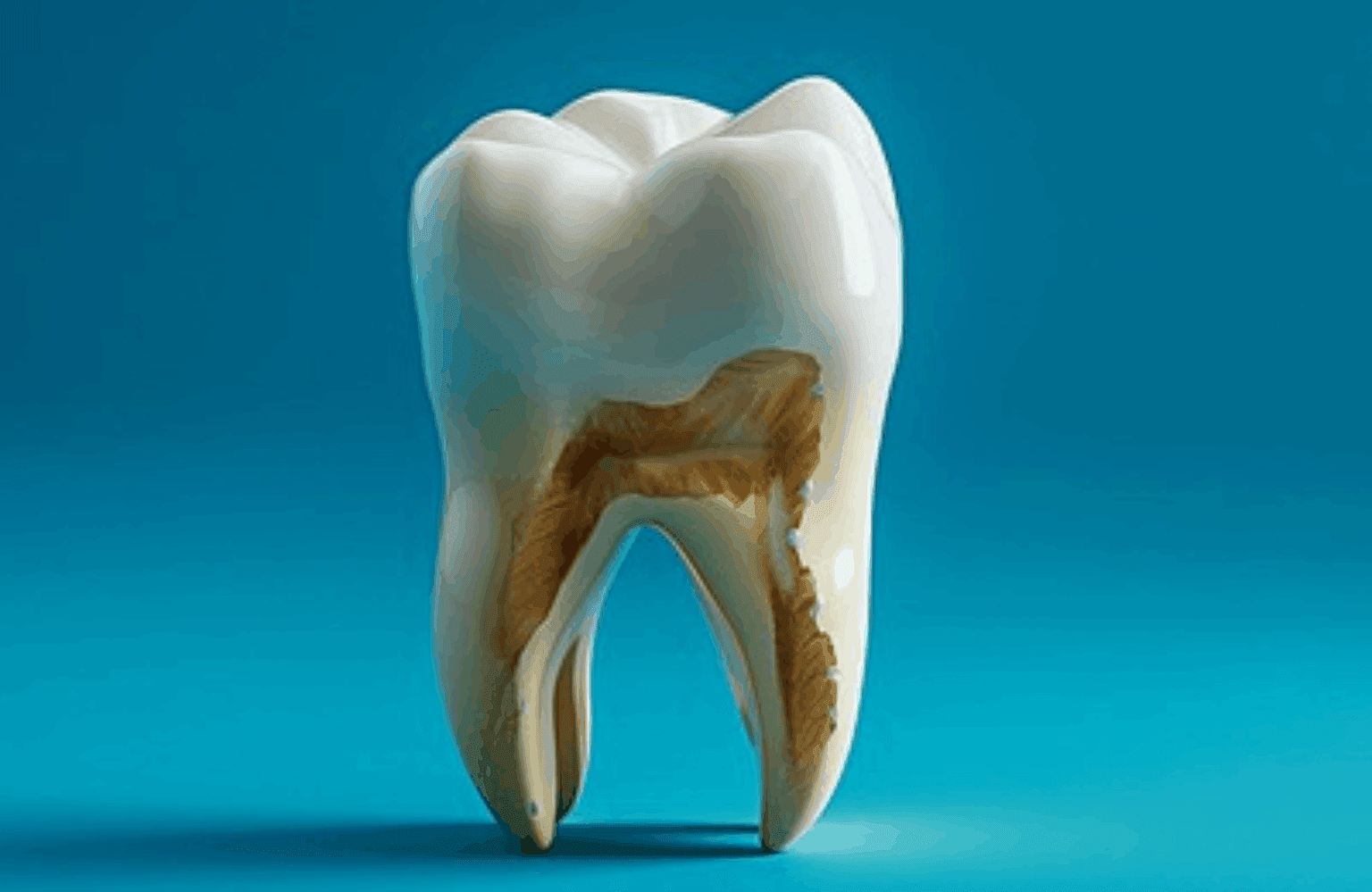
Dental Caries, commonly known as tooth decay or cavities, is the breakdown of teeth due to the activity of bacteria. In Ayurveda, this condition is known as Krimidanta (Worm-infested Tooth). It is classified under Mukha Rogas (Diseases of the Oral Cavity), specifically affecting the Danta (Teeth). It involves the vitiation of the Vata Dosha and the presence of Krimi (visible or invisible organisms/parasites) that erode the tooth structure.
1. Definition
Modern Definition: Dental caries is a chronic disease where acid produced by bacteria dissolves the hard tissues of the teeth (enamel and dentin), creating holes or cavities (WHO – Oral Health).
Ayurvedic Definition: Krimidanta is a disease where the tooth becomes black (Krsna), perforated with holes (Chidra), and loose (Chala). It is characterized by intense pain, swelling, and the discharge of pus or blood due to the action of Krimi (organisms).
2. Etymology & Conceptual Meaning
-
Literal Meaning: The term is a compound of Krimi (worm/parasite/microbe) and Danta (tooth).
-
Conceptual Interpretation: Ayurveda attributes the physical destruction of the tooth to pathogenic agents described as "worms." The concept of Krimi encompasses visible parasites as well as invisible microbes (bacteria) that consume tissue, as described in classical texts like Charaka Samhita and Madhava Nidana.
3. Causes (Nidana)
-
Dietary Causes: Excess intake of sweet, sticky foods and Viruddha Ahara.
-
Lifestyle Causes:
-
Dantadhavana neglect leading to accumulation of Mala.
-
Divaswapna causing Kapha aggravation.
-
-
Biological Factors: Proliferation of Krimi (bacteria).
4. Journey of the Disease (Pathogenesis/Samprapti)
-
Dosha: Vata and Kapha Dosha.
-
Dushya: Asthi Dhatu, Majja Dhatu, Rakta Dhatu.
-
Adhisthana: Danta and Dantamula.
-
Process: Aggravated Vata weakens tooth structure, while Krimi proliferate in food debris, producing cavities (Chidra) and pain.
5. Symptoms (Lakshana)
-
Krsna: Black discoloration of tooth.
-
Chidra: Cavities.
-
Chala: Mobility of tooth.
-
Srava: Pus and blood discharge (Puyarudhiram).
-
Samrambha: Swelling and inflammation.
-
Ruja: Severe pain.
-
Durgandha: Halitosis.
6. Different Types or Classification (Bheda)
Madhava Nidana describes Danta Rogas as:
- Krimidanta
- Dalana
- Danta Harsha
- Bhanjanaka
- Danta Sharkara
- Kapalika
- Shyavadanta
- Karala
7. Diagnosis
• Ayurvedic Diagnosis (Pariksha):
◦ Darshana (Observation): Checking for black spots (Krsna) and holes (Chidra).
◦ Prashna (Questioning): Asking about the nature of pain (throbbing/breaking) and sensitivity.
• Differential Diagnosis:
◦ Distinguished from Danta Harsha (Sensitivity), where the primary symptom is inability to tolerate cold/wind without the presence of a cavity.
◦ Distinguished from Danta Sharkara (Tartar), which is a hardened accumulation on the tooth surface rather than a hole within it.
8. Disease Management
Diet (Ahara)
- Avoid sweet, sticky, and very cold foods.
Lifestyle (Vihara)
-
Dantadhavana: Herbal twigs like Karanja, Arka, Khadira.
-
Jihva Nirlekhana using copper or silver scrapers.
Medicines & Procedures
-
Gandusha (Oil Pulling) with Irimedadi Taila.
-
Purana: Filling cavity with warmed Hingu.
-
Lepa: Application of Bhadramusta and Haritaki.
Panchakarma
-
Nasya with Anu Taila.
-
Raktamokshana in severe cases.
9. Prognosis
• Curable: Early-stage Krimidanta can be managed, and pain relieved through proper hygiene and herbal applications.
• Incurable (Asadhya): If the decay reaches the root and causes severe looseness or loss of the tooth structure, the tooth may need extraction. Conditions like Shyavadanta (deep discoloration) are often considered difficult to cure.
10. Modern Correlations
• Similarities:
◦ Krimidanta directly correlates with Dental Caries.
◦ The Ayurvedic concept of Krimi aligns with the modern understanding of cariogenic bacteria (e.g., Streptococcus mutans).
◦ Danta Sharkara correlates with Dental Calculus/Tartar.
◦ Danta Harsha correlates with Dentin Hypersensitivity.
• Differences: Modern dentistry focuses on drilling and filling with synthetic materials or root canal therapy. Ayurveda focuses on prevention through oil pulling, herbal twigs, and treating the infection with antimicrobial herbs (Krimighna).
11. References
-
दंत क्षय विश्व भर में सबसे व्यापक गैर-संचारी रोगों (NCDs) में से एक है, जिसका प्रभाव लगभग 2.5 बिलियन लोगों पर देखा गया है। (World Health Organization)
-
WHO के अनुसार मुक्त शर्करा (free sugars) का उच्च सेवन दंत क्षय का प्रमुख जोखिम-कारक है, और इसे कम करने से रोग का जोखिम घटाया जा सकता है। (World Health Organization)
-
PubMed Primer (2025):
यह शोध बताता है कि दंत क्षय एक biofilm-mediated, multifactorial disease है जिसमें कार्बोहाइड्रेट/चीनी-जनित एसिड और स्कैलिंग बैक्टीरिया के बीच जटिल संबंध होता है। Fluoride toothpaste के नियमित उपयोग से पिछले दशकों में मामलों में कमी आई है। (PubMed) -
Decay-Missing-Filled index (DMF/DMFT) एक क्लासिक शोध-उत्पादक उपाय है जो आबादी में दंत क्षय की प्रचलन दर का आकलन करने के लिए उपयोग किया जाता है। यह 75+ वर्षों से वैश्विक दंत स्वास्थ्य अध्ययनों में मानक उपकरण रहा है। (Wikipedia)
12. FAQ Section
Q: Can Ayurvedic oil pulling prevent cavities?
A: Yes. According to Charaka Samhita, daily oil gargling (Gandusha) prevents dryness, pain, and the formation of cavities. It makes the teeth strong and firm-rooted.
Q: What natural items act as a toothbrush in Ayurveda?
A: Ayurveda recommends using fresh twigs of plants with astringent, pungent, or bitter tastes. Common examples include Karanja, Arka, and Khadira (Acacia catechu). The tip is crushed to form a brush.
Q: What is the home remedy for tooth pain caused by cavities?
A: Chakradatta suggests placing warmed Hingu (Asafoetida) or a paste of Vidanga into the cavity. These herbs are Krimighna (anti-parasitic) and help relieve pain and kill the infection.
Q: Why does Ayurveda blame "worms" for cavities?
A: The term Krimi in Ayurveda refers to all parasites and microbes. The description of Krimidanta (holes, blackness, decay) perfectly describes bacterial decay. The "worm" concept was the ancient way of describing the invisible biological agents eating the tooth.
Consult a Doctor
- KC5.0Dr. Kamesh chand sharma
Ayurveda2 yrs exp
- PP4.4Dr prince patel
Ayurveda22 yrs exp
- KH4.4Dr Kowshalya H S
Ayurveda3 yrs exp
- AK4.8Dr. Amalnath K Viswanathan
Ayurveda4 yrs exp
More on Dental caries Causes and Symptoms
Buy Medicine
 Prescribed to you4.5₹9 cashback
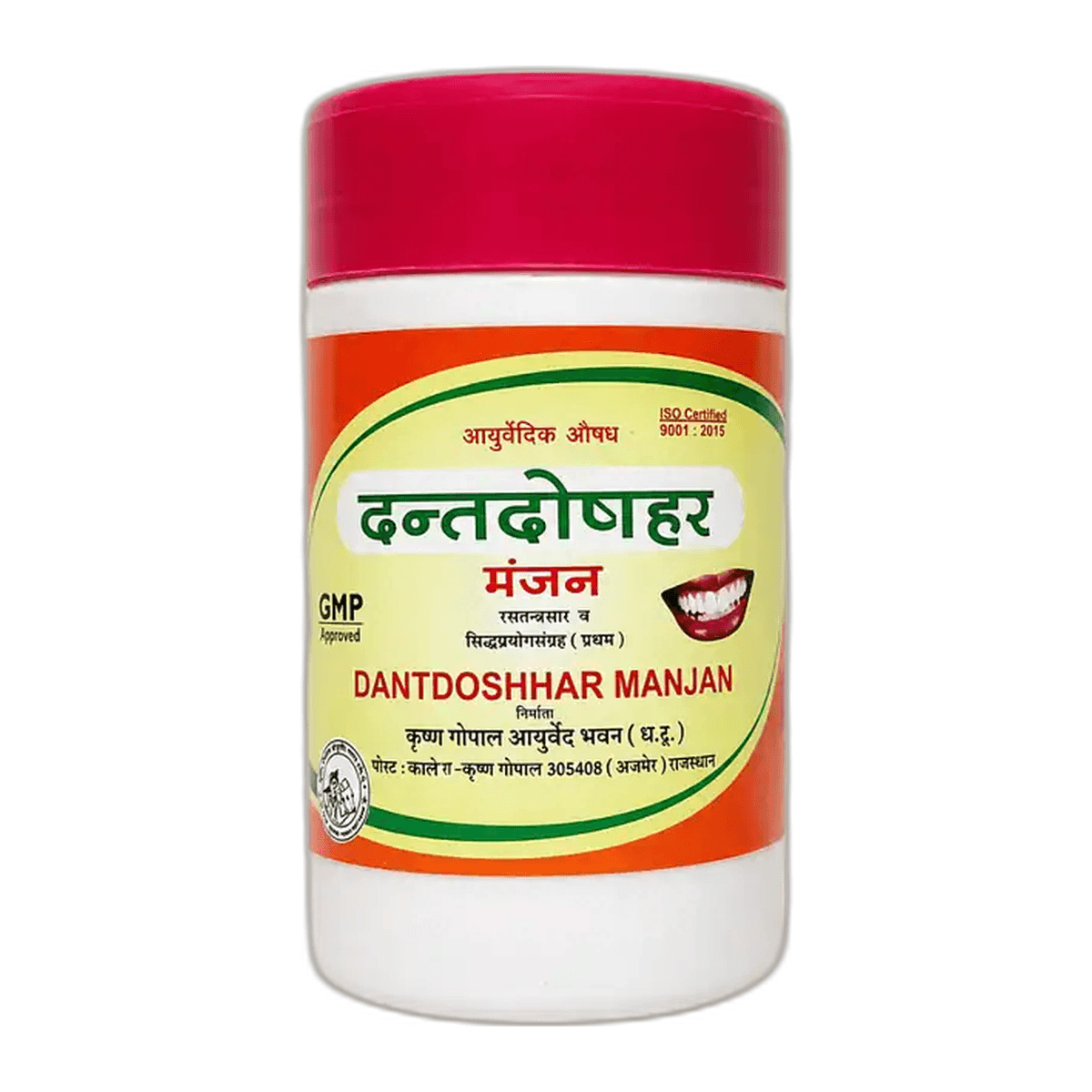
Dantadosh-har Manjan (Kalera) Kalera
Supports gum disease and tooth
Container of 100 g
4.5
₹90Get ₹9 Cashback
₹10212% off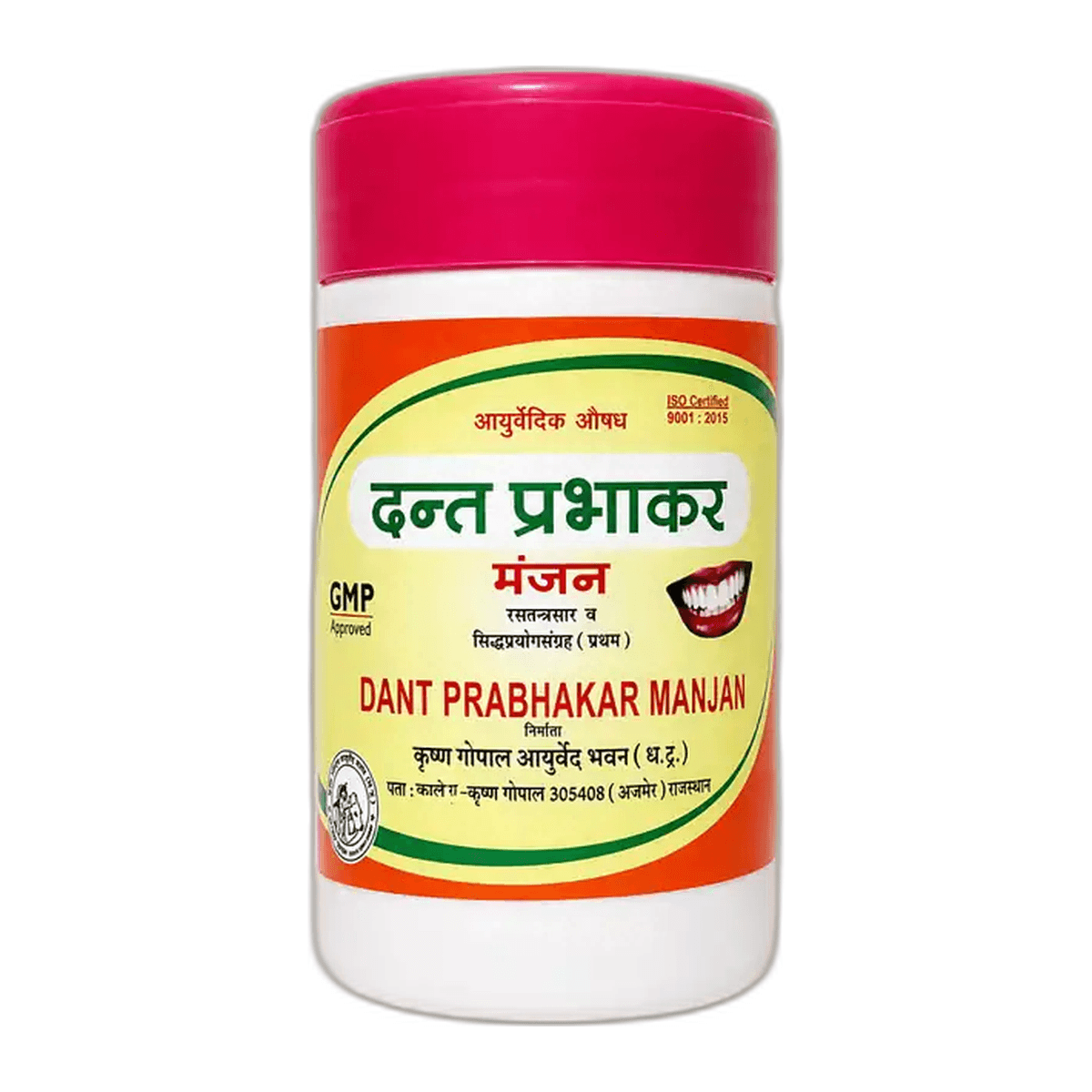 Prescribed to you4.5₹15 cashback
Dant-Prabhakar Manjan (Kalera)KaleraDaily support for tooth strengthener
Container of 100 g
4.5
₹150Get ₹15 Cashback
₹16710% off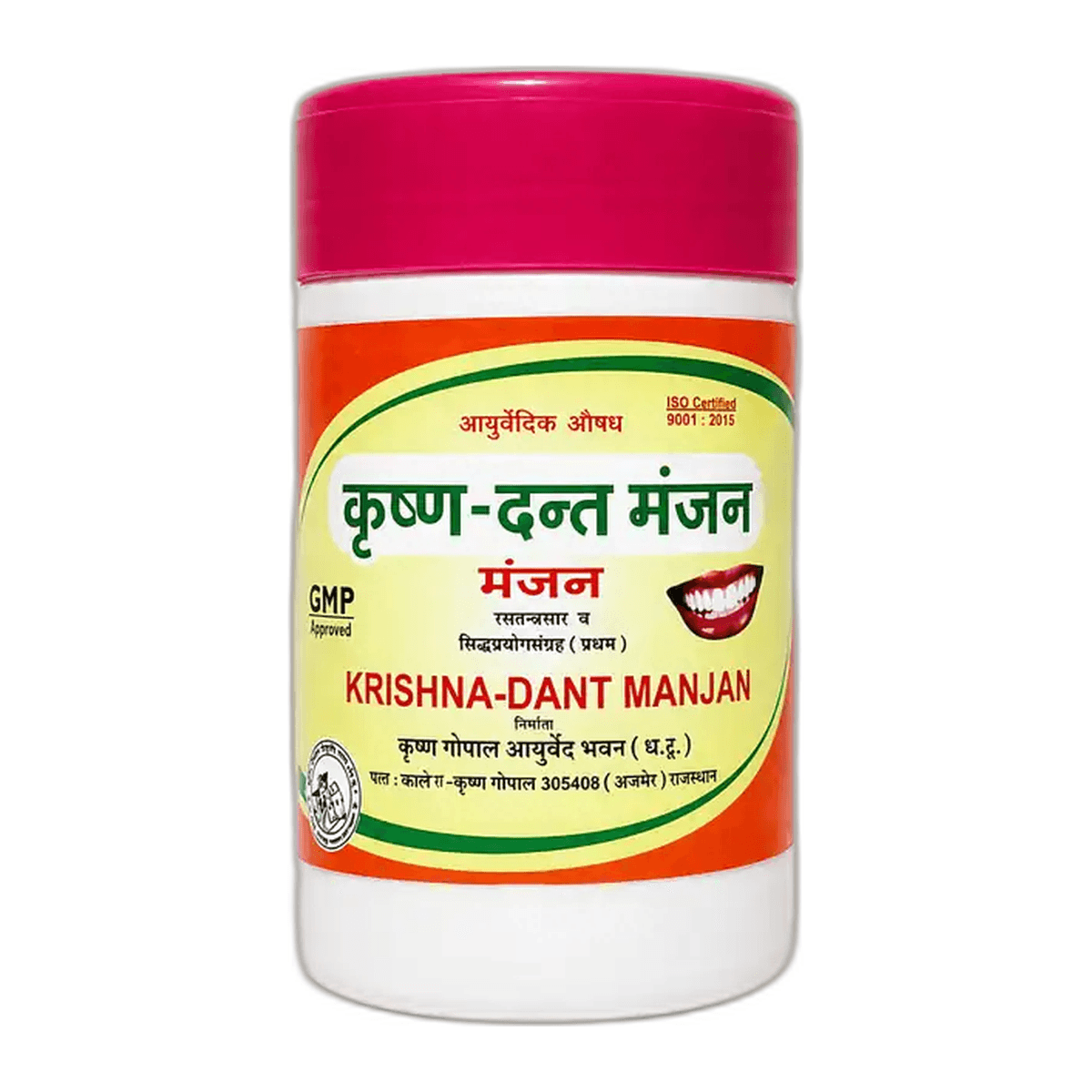 Prescribed to you4.6₹15 cashback
Krishna-Dant Manjan (Kalera)KaleraBlack herbal tooth powder
Container of 100 g
4.6
₹150Get ₹15 Cashback
₹17514% off
