
Fungal infection
Reviewed by medical experts · For informational purposes only
Introductory summary
Fungal infections correlate with the Ayurvedic condition Dadru which is classified under Kushtha or skin diseases. This condition arises from the vitiation of Kapha and Pitta doshas leading to symptoms such as intense itching known as Kandu circular elevated patches called Mandala and redness. Ayurveda identifies Dadru as a contagious disease or Aupasargika Roga that spreads through physical contact. Management focuses on bio-purification particularly Virechana to expel excess Pitta and toxins from the blood. Classical treatments involve topical pastes made from Chakramarda seeds mixed with sour gruel or buttermilk which are highly effective. Internal use of sulfur preparations like Gandhaka and avoiding incompatible foods are also crucial for a complete cure.
Fungal Infection
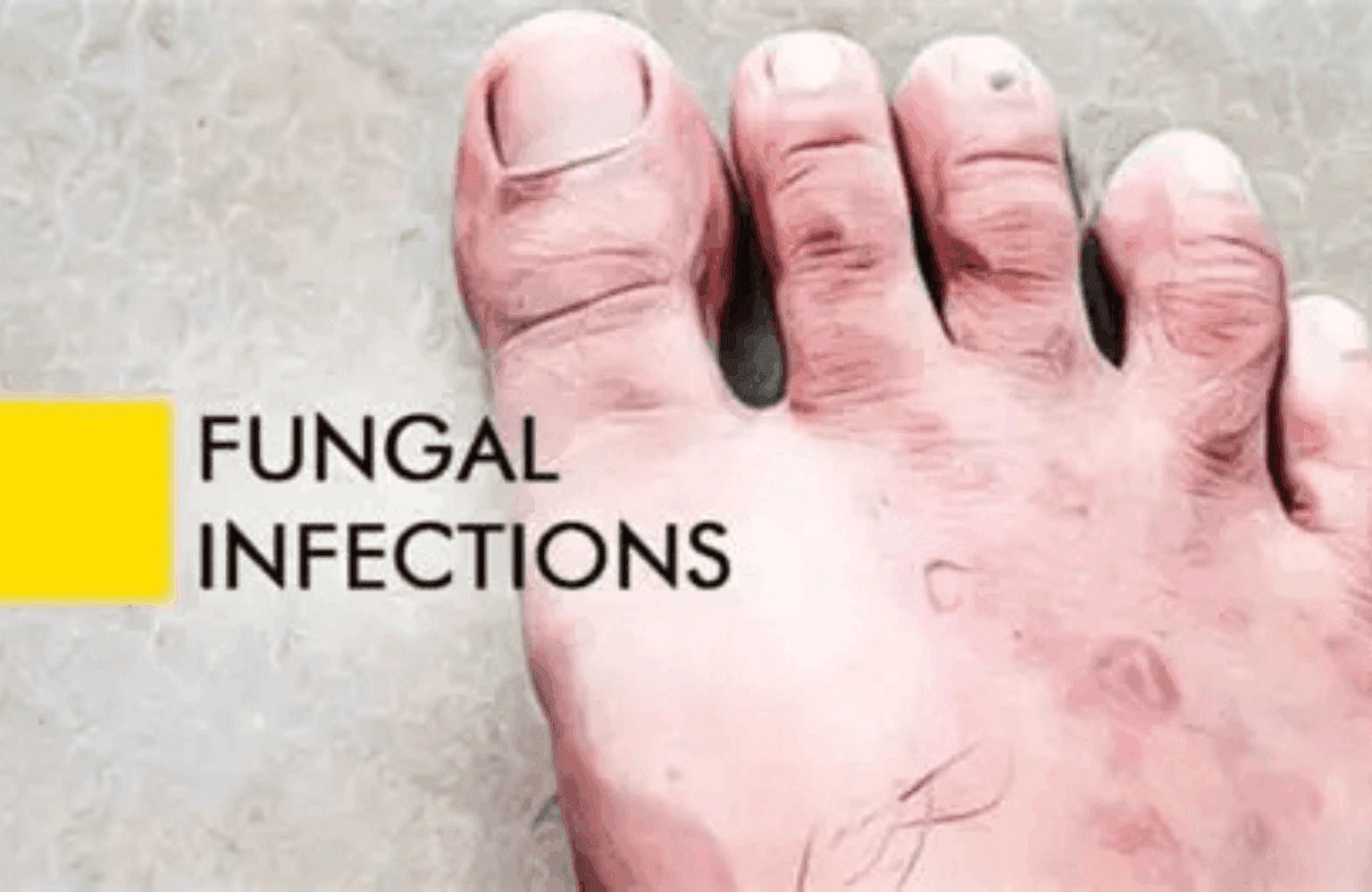
Fungal infections are common skin diseases caused by fungi. In Ayurveda, these conditions are primarily classified under the broad category of Kushtha (Skin disorders). Specifically, the condition known as Dadru (Ringworm) is the most accurate Ayurvedic correlation for fungal infections like Tinea. It is characterized by elevated, circular lesions with itching. Another condition, Sidhma, correlates with superficial fungal infections like Tinea versicolor. These are often categorized as Kshudra Kushtha (Minor Skin Diseases) or Krimi (Parasitic/Infectious) disorders.
1. Definition
Modern Definition: A fungal infection (mycosis) is a skin disease caused by a fungus, leading to itching, redness, and scaling (e.g., Athlete's foot, Ringworm) .
Ayurvedic Definition:
- Dadru: A type of skin disease characterized by Kandu (itching), Mandala (circular patches/lesions), Pidaka (pimples/pustules), and Utsanna (elevated edges). It resembles the flower of the Atasi (flax) or copper in color.
- Kushtha: A general term for diseases that despise or disfigure the skin (Tvak).
2. Etymology & Conceptual Meaning
- Literal Meaning:
- Conceptual Interpretation: Ayurveda views skin diseases as a systemic disturbance involving the Tridosha. Dadru is specifically associated with aggravation of Kapha and Pitta. It is also described as an Aupasargika Roga (contagious disease).
3. Causes (Nidana)
Dietary Causes
- Viruddha Ahara: Incompatible foods such as fish with milk.
- Specific Foods: Excess intake of oily, heavy foods; sour (Amla), salty (Lavana), and pungent (Katu) tastes.
- New Grains and Curd: New grains and Dadhi aggravate Kapha and Pitta.
Lifestyle Causes
- Vega Dharana: Suppression of natural urges.
- Divaswapna: Daytime sleep increases Kapha.
- Hygiene: External parasites (Bahya Krimi) and lack of cleanliness.
Social/Contact Factors
- Contagion: Spread through Gatrasamsparsha, sharing clothes and towels.
4. Journey of the Disease (Pathogenesis/Samprapti)
- Samprapti Ghataka:
- Pathogenesis: Doshas contaminate blood and lodge in skin tissues causing discoloration, itching, and Mandala formation.
5. Symptoms (Lakshana)
- Kandu – itching
- Mandala – circular patches
- Raga – redness
- Pidaka – pustules
- Anusangina – chronic persistence
Sidhma: White/copper patches with fine scaling (Rajoghrista).
6. Classification (Bheda)
Ayurveda classifies Kushtha into two main groups:
-
Maha Kushtha (Major Skin Diseases): 7 types (deep-seated, difficult to cure).
-
Kshudra Kushtha (Minor Skin Diseases): 11 types. Dadru and Sidhma fall under this category.
Functional Types:
• Kapha-Pitta Dominant: Most fungal infections (Dadru) fall here due to itching (Kapha) and redness (Pitta).
• Vata Dominant: If the lesion is dry, rough, and blackish (Kapala Kushtha).
7. Diagnosis
• Ayurvedic Diagnosis (Roga Pariksha):
◦ Darshana (Observation): Observing the circular nature (Mandala) and color of the lesion.
◦ Prashna (Interrogation): Asking about itching (Kandu) and contagion history.
◦ Sparshana (Touch): Checking for roughness (Parushya) or elevation.
• Differential Diagnosis: Differentiated from Visarpa (Erysipelas), which spreads rapidly and has more burning/inflammation, whereas Dadru is more itchy and circular..
8. Disease Management
Medicines
- Chakramarda
- Gandhaka
- Aragvadha
- Manashila
- Tuvaraka oil
Panchakarma
- Virechana
- Vamana
- Raktamokshana
Diet
- Avoid: Viruddha Ahara, curd, jaggery, sesame
- Recommended: Bitter foods (Neem, Karela)
9. Prognosis
• Curable (Sadhya): Dadru and other Kshudra Kushtha are generally curable, especially if they involve only one or two Doshas and are treated early.
• Difficult (Krichra): If the infection becomes chronic or involves all three Doshas (Tridosha), it becomes difficult to cure.
• Factors: Negligence in diet (Apathya Sevana) leads to recurrence.
10. Modern Correlations
• Similarities:
◦ Dadru = Tinea Corporis (Ringworm): The description of circular, itchy, elevated lesions matches perfectly.
◦ Sidhma = Pityriasis Versicolor: The description of fine scaling and hypopigmentation matches.
◦ Contagion: Both systems recognize the infectious nature of these conditions.
• Differences: Modern medicine focuses on the fungal pathogen (dermatophytes). Ayurveda focuses on the internal Doshic terrain (Kapha-Pitta imbalance) that allows the pathogen (Krimi) to thrive.
11. References
- Emerging Fungal Infections: New Species, New Names, and Antifungal Resistance — Reviews emerging fungal pathogens including Candida auris, Blastomyces, Emergomyces, and discusses antifungal resistance and clinical significance of fungal infections. (OUP Academic)
- Molecular Pathway, Epidemiological Data and Treatment Strategies of Fungal Infection (Mycoses) — Comprehensive PubMed review referencing classic and modern studies on fungal infection epidemiology, pathogenesis, diagnosis & treatment. (PubMed)
- Clinical mycology: Understanding pathogenesis, diagnosis, and antifungal strategies for invasive fungal infections — Review emphasizing mechanisms of infection, diagnostic challenges, resistance and new therapeutic strategies for invasive mycoses. (EKB Journals)
- Invasive fungal infections: a review of epidemiology and management options — Early classic paper on invasive mycoses (e.g., Candida, Aspergillus) and associated risk factors like immunosuppression. (PubMed)
- Fungal infections diagnosis – Past, present and future — Review of standard vs modern diagnostic methods, highlighting limitations of culture and need for improved rapid diagnostics. (ScienceDirect)
- Human Fungal Infections: Diagnostic and Therapeutic Challenges — Comprehensive review covering clinical challenges in diagnosing and treating human mycoses, including skin and systemic forms. (MDPI)
- Clinico-mycological profile of fungal infections in a tertiary care hospital — Indian hospital study documenting the distribution of fungal isolates and antifungal susceptibility patterns in real clinical cases. (ijirm.org)
- A Study of Fungal Isolates in Clinically Diagnosed Patients of Tinea Incognito — Clinical analysis of dermatophytosis cases showing common fungal species causing skin infection in Central Uttar Pradesh. (iabcr.org)
12. FAQ Section
Q: Is fungal infection contagious according to Ayurveda?
A: Yes. Ayurveda classifies skin diseases (Kushtha) as Aupasargika Roga (contagious diseases). They spread through physical contact (Gatrasamsparsha), sharing clothes, and ornaments.
Q: What is the best Ayurvedic herb for Ringworm?
A: Chakramarda (Cassia tora) is the most celebrated herb for ringworm (Dadru). Its seeds are typically ground with sour liquids like lemon juice or buttermilk and applied to the patch.
Q: Should I avoid Curd (Yogurt) if I have a fungal infection?
A: Yes. According to Ayurvedic texts, curd (Dadhi) is heavy and aggravates Kapha and Pitta, which can worsen skin infections and itching. It is generally listed as Apathya (unwholesome) for skin patients.
Q: Can Panchakarma help with chronic fungal infections?
A: Yes. Virechana (therapeutic purgation) is specifically indicated for skin diseases to purify the blood and remove excess Pitta, which helps prevent recurrence.
Q: What is "Dadru" in Ayurveda?
A: Dadru is the Ayurvedic term for Ringworm. It is described as having elevated, circular lesions with itching and pimples, caused by Kapha and Pitta doshas.
Consult a Doctor
- MS4.2Midun s kumar
Ayurveda4 yrs exp
- SP4.5Dr Sreelekha P Nair
Ayurveda6 yrs exp
- VR4.2Vaidya Rohit Kumar
Ayurveda3 yrs exp
- V4.1Vairamuthu
Ayurveda8 yrs exp
Buy Medicine
 Prescribed to you4.5₹17 cashback
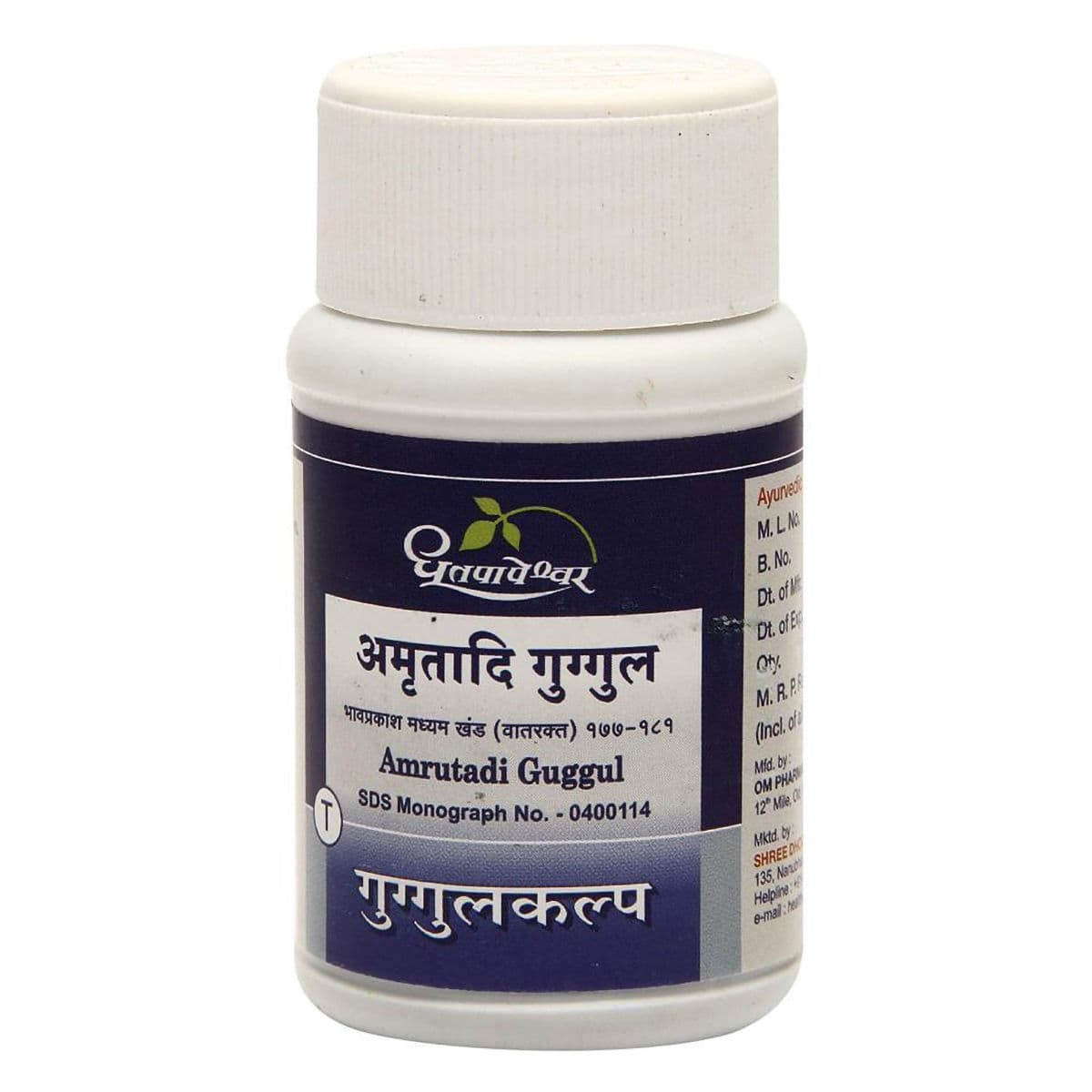
Amrutadi Guggul (Dhootapapeshwar) SDL
SDLPhysician-guided Ayurvedic care
Strip of 60 Tablets
4.5
₹178Get ₹17 Cashback
 Prescribed to you4.5₹10 cashback
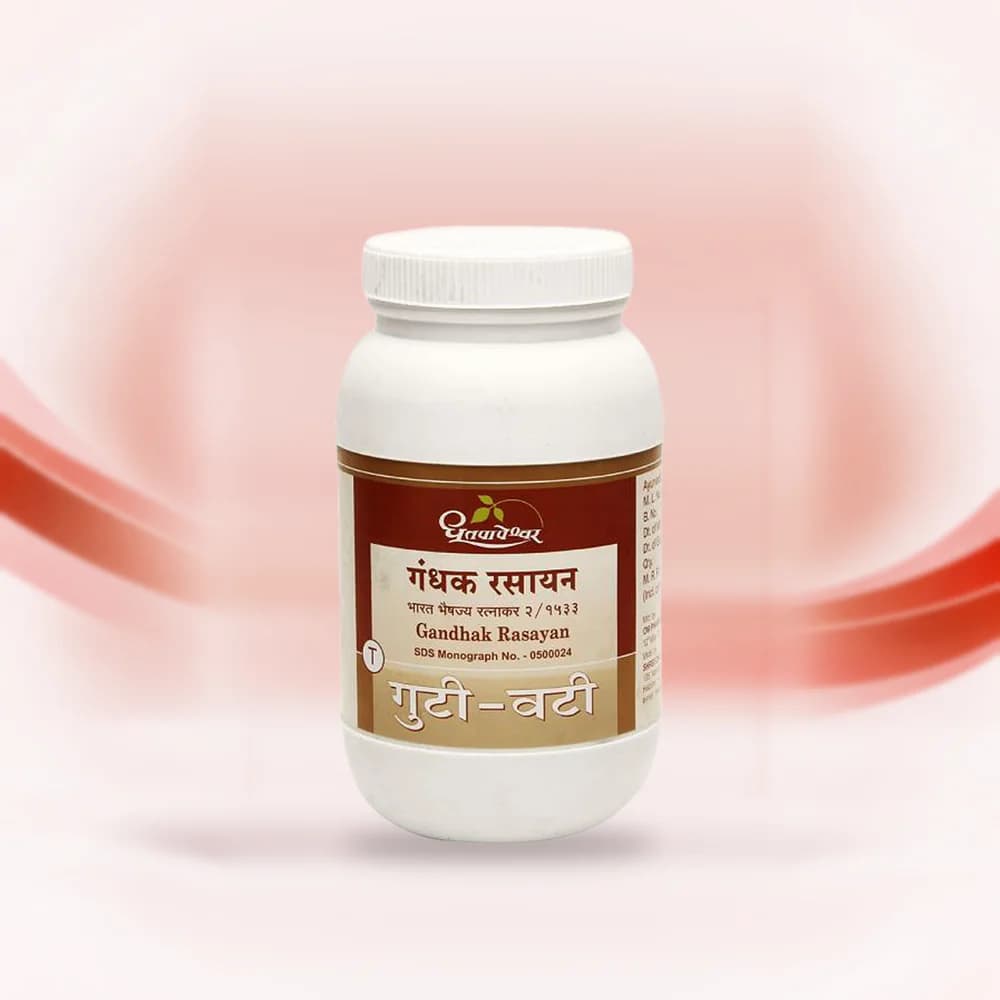
Gandhak Rasayan (Dhootapapeshwar)SDLSkin and burning comfort
Strip of 30 Tablets
4.5
₹101Get ₹10 Cashback
 Prescribed to you4.2₹11 cashback
Krumikuthar Rasa (Dhootapapeshwar)SDLSupports intestinal worm care
Strip of 30 Tablets
4.2
₹115Get ₹11 Cashback
