

Magnesium deficiency Symptoms and Causes
Reviewed by medical experts · For informational purposes only
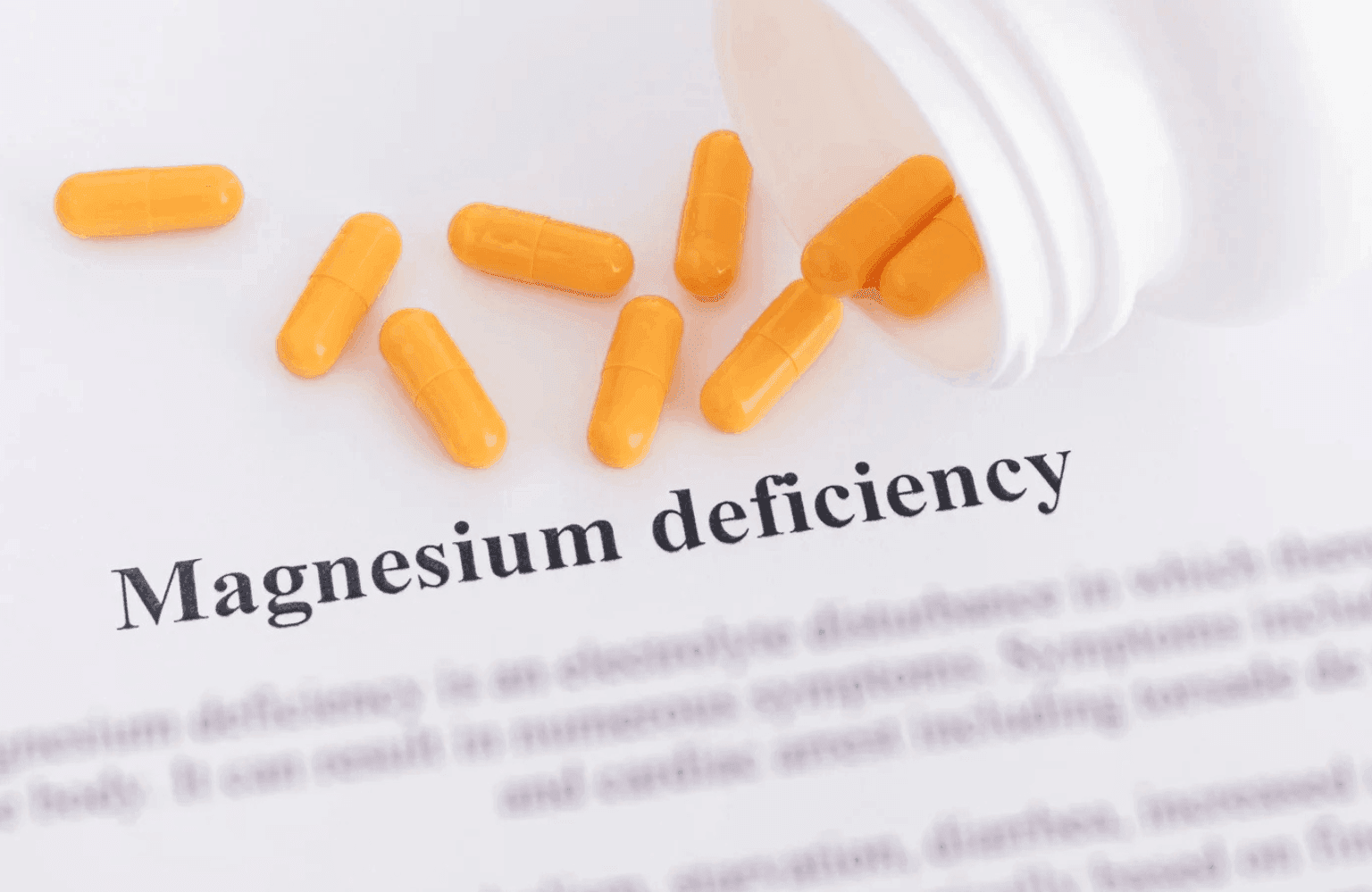
Introductory summary
Magnesium deficiency correlates with the Ayurvedic concept of Vata Prakopa specifically Snayugata Vata and Khalli. It arises from the depletion of bodily tissues or Dhatu Kshaya often due to a dry diet overexertion or chronic diarrhea. The condition manifests as muscle cramps particularly in the calf muscles known as Pindikodveshtana tremors fatigue and cardiac palpitations or Hridroga. The pathology involves the aggravation of Vata dosha which dries up the unctuousness of muscles and nerves causing constriction and stiffness. Management focuses on pacifying Vata through the use of nourishing herbs like Ashwagandha and Bala along with mineral preparations such as Shankha Bhasma and Pravala Pishti. External oleation with medicated oils like Mahanarayana Taila is essential to relieve spasms.
Magnesium Deficiency
Magnesium Deficiency (Hypomagnesemia) is a condition characterized by low levels of magnesium in the blood, leading to muscle cramps, tremors, fatigue, and irregular heart rhythms. Classical Ayurveda does not identify "magnesium" as an isolated chemical element. However, the cluster of symptoms associated with its deficiency—specifically muscle spasms, tremors, anxiety, and heart palpitations—correlates directly with the aggravation of Vata Dosha (the air/ether element) affecting the Mamsa (muscle) and Snayu (ligament/nerve) tissues. It is often treated as a form of Vatavyadhi (nervous system disorder) or Dhatu Kshaya (depletion of tissues).
1. Definition
- Modern Definition: An electrolyte disturbance caused by low magnesium levels, essential for nerve transmission and muscle contraction.
- Ayurvedic Definition: A condition of Dhatu Saithilya (laxity of tissues) and Vata Prakopa (aggravation of wind), where the stabilizing earth and water elements (Kapha) are depleted. This leads to Akshepa (convulsions/spasms), Pindikodveshtana (cramps in the calf muscles), and Hridroga (cardiac distress) due to the drying and mobile qualities of Vata [Charaka Samhita, Su20; Madhava Nidana, 22].
2. Etymology & Conceptual Meaning
- Literal Meaning: There is no direct Sanskrit term for Magnesium.
- Conceptual Interpretation:
- Khalli: A specific Vata disorder characterized by severe twisting pain and cramps in the feet, shanks, thighs, and hands, closely mimicking the tetany of magnesium deficiency [Madhava Nidana, 22].
- Snayugata Vata: Vata invading the ligaments and nerves, causing pain, convulsions, and stiffness [Madhava Nidana, 22].
- Pindikodveshtana: A cardinal symptom described as "twisting pain in the calf muscles," a hallmark of mineral (magnesium/potassium) depletion [Charaka Samhita, Su20].
3. Causes (Nidana)
Ayurveda attributes the symptoms of mineral depletion to factors that provoke Vata and deplete the body's essence (Ojas).
- Dietary Causes:
- Consumption of Ruksha (dry), Laghu (light), and Sheeta (cold) foods that lack nourishment.
- Alpashana (Eating too little) or Vishamashana (Irregular eating habits) leads to tissue depletion (Dhatu Kshaya) [Madhava Nidana, 22].
- Excessive intake of pungent, bitter, and astringent tastes which increase Vata.
- Lifestyle Causes:
- Ati-Vyayama: Excessive physical exertion which depletes muscle integrity.
- Prajagara: Excessive wakefulness or insomnia, which dries out the body.
- Chinta/Shoka: Excessive worry or grief, which aggravates Prana Vata [Charaka Samhita, Su20].
- Biological Factors:
- Atisara: Chronic diarrhea, which washes away essential body fluids and nutrients, a known cause of electrolyte imbalance [Madhava Nidana, 3].
4. Journey of the Disease (Pathogenesis/Samprapti)
- Samprapti Ghataka (Components):
- Dosha: Vata (Primary), specifically Vyana Vata (circulation) and Apana Vata (elimination).
- Dushya (Tissues): Rasa (Nutrient plasma), Mamsa (Muscle), Snayu (Nerves/Ligaments).
- Srotas (Channels): Mamsavaha and Rasavaha Srotas.
- Agni: Vishamagni (Variable digestive fire).
- Adhisthana (Site): Muscles, Heart, Colon.
- Pathogenesis:
- Due to dry diet and overexertion, Vata Dosha increases.
- This aggravated Vata creates dryness (Rukshata) in the body, depleting the unctuousness (Sneha) of the muscles and nerves.
- The Vayu enters the empty channels (Rikta Srotas) of the muscles.
- It causes constriction (Sankocha) and stiffness (Stambha), manifesting as cramps, tremors, and palpitations [Madhava Nidana, 22].
5. Symptoms (Lakshana)
The symptoms of Magnesium deficiency mirror the 80 types of Vata disorders described in Charaka Samhita:
- Early Symptoms:
- Klama: Fatigue without exertion.
- Gatra-Vepathu: Mild tremors or twitching of the body [Madhava Nidana, 22].
- Anidra: Insomnia or disturbed sleep [Charaka Samhita, Su20].
- Advanced Symptoms:
- Pindikodveshtana: Severe cramps in the calf muscles [Charaka Samhita, Su20].
- Hrid-drava: Palpitations or tachycardia (racing heart) [Charaka Samhita, Su20].
- Khalli: Shooting pain and twisting sensation in extremities [Madhava Nidana, 22].
- Vibandha: Constipation (magnesium is needed for bowel movement) [AFI, Vol 1].
6. Different Types or Classification (Bheda)
While not classified as a distinct disease, the presentation falls under:
- Akshepa (Convulsive): Dominated by spasms and tremors.
- Khalli (Painful): Dominated by cramping pain in extremities.
- Hridroga (Cardiac): Dominated by palpitations and chest pressure (Vataja Hridroga) [Madhava Nidana, 29].
7. Diagnosis
- Ayurvedic Diagnosis (Roga Pariksha):
- Differential Diagnosis:
- Must be distinguished from Amavata (Rheumatoid Arthritis), where swelling and heaviness are present. Magnesium deficiency (Vata) presents with dryness and lightness, not swelling [Madhava Nidana, 25].
8. Disease Management
Management focuses on Vata Shamana (pacifying wind) through Brimhana (nourishing) and Snehana (oleation/lubrication).
Diet (Ahara)
- Beneficial: Sweet, sour, and salty tastes pacify Vata.
- Milk and Ghee: High in nourishment and calcium/minerals.
- Meat Soups (Mamsarasa): Highly recommended for wasting and muscle weakness [Chakradatta, Rajayakshma Chikitsa].
- Fruits: Grapes (Draksha) and Pomegranate (Dadima) [Chakradatta, Pandu Chikitsa].
- Avoid: Dry grains, excessive pulses (like Chana), and cold foods.
Lifestyle (Vihara)
- Abhyanga: Massage with medicated oils is the most effective treatment for Vata-induced cramps.
- Rest: Adequate sleep to restore biological rhythms.
Medicines
- Mineral Preparations (Bhasmas): While Magnesium is not isolated, Ayurveda uses calcium and mineral-rich marine sources to treat Vata/Pitta tremors and weakness.
- Shankha Bhasma: Conch shell ash, used for digestion and colic pain [AFI, 18:18].
- Pravala Pishti: Coral calcium, used for weakness (Daurbalya) and pitta disorders [AFI, 17:2].
- Godanti Bhasma: Gypsum (Calcium Sulfate), used for weakness and fever [AFI, 18:4].
- Formulations for Strength & Cramps:
- Ashwagandharishta: Used for Murcha (fainting), Apasmara (epilepsy/seizures), and Karshya (emaciation). It strengthens the nervous system [AFI, 1:6].
- Balarishta: Specifically indicated for Vata-roga and strengthening muscles (Balya) [AFI, 1:26].
- Narayana Taila: An oil used for massage in Gatra Kampa (tremors), Manyastambha (neck rigidity), and Ekanga Sosha (wasting of limbs) [AFI, 8:23].
- Karpasasthyadi Taila: Specific for Vata disorders affecting the nerves and muscles [AFI, 8:6].
Panchakarma
- Snehana (Oleation): Internal and external application of oils to combat dryness.
- Basti (Enema): Matra Basti (oil enema) is highly effective for deep-seated Vata disorders, constipation, and muscle spasms [Panchakarma Handbook].
9. Prognosis
- Sadhya (Curable): If the deficiency is dietary, it is easily curable with nutrition and Vata-pacifying herbs.
- Yapya (Manageable): If associated with chronic malabsorption (Grahani), it requires long-term management.
10. Modern Correlations
- Similarities:
- Khalli correlates with the tetany and carpopedal spasms seen in hypomagnesemia.
- Vataja Hridroga (heart disease with palpitations) correlates with arrhythmias caused by low magnesium.
- Vepathu correlates with tremors.
- Differences: Modern medicine treats with Magnesium salts (Mg Oxide/Citrate). Ayurveda treats with Vata-pacifying herbs (Ashwagandha, Bala) and mineral-rich ashes (Bhasmas).
- Limitations: Ancient texts do not identify "Magnesium" as an element; they treat the syndrome of deficiency rather than the chemical lack.
11. References
-
World Health Organization (WHO) – Micronutrient deficiencies
https://www.who.int/teams/nutrition-and-food-safety/micronutrients
-
National Institutes of Health (NIH) – Magnesium Fact Sheet for Health Professionals
https://ods.od.nih.gov/factsheets/Magnesium-HealthProfessional/
-
National Institute of Diabetes and Digestive and Kidney Diseases (NIDDK – NIH) – Electrolyte disorders
https://www.niddk.nih.gov/health-information/kidney-disease
-
Mayo Clinic – Magnesium deficiency
https://www.mayoclinic.org/symptoms/magnesium-deficiency/basics/definition/sym-20050614
-
StatPearls (NCBI Bookshelf) – Hypomagnesemia
https://www.ncbi.nlm.nih.gov/books/NBK500003/
-
National Health Portal of India – मैग्नीशियम की कमी (Magnesium Deficiency)
https://www.nhp.gov.in/disease/nutritional-disorders/magnesium-deficiency
-
Ministry of Health & Family Welfare, Government of India – पोषण संबंधी रोग
https://www.mohfw.gov.in/
12. FAQ Section
Q: Can Ayurvedic herbs replace magnesium supplements?
A: Ayurveda uses herbs like Ashwagandha and Bala, and mineral preparations like Shankha Bhasma (Conch shell) and Pravala Pishti (Coral) to treat symptoms like cramps and tremors. While they provide minerals, they are not isolated magnesium. Consult a doctor for severe deficiency.
Q: What is the Ayurvedic cure for calf cramps (Charley horse)?
A: This condition is called Pindikodveshtana. Ayurveda recommends massaging the legs with Mahanarayana Taila or Kshirabala Taila and applying heat (Swedana) [AFI, 8:23].
Q: Does constipation relate to magnesium deficiency in Ayurveda?
A: Yes. Low magnesium causes constipation. In Ayurveda, this is Vibandha, caused by Vata Dosha drying out the colon. Oils and mild laxatives like Triphala are used to treat it.
Q: Which Ayurvedic oil is best for tremors and spasms?
A: Narayana Taila and Karpasasthyadi Taila are specifically indicated in the Ayurvedic Formulary of India for Gatra Kampa (body tremors) and nerve disorders [AFI, 8:6, 8:23].
Consult a Doctor
- AI4.9Dr. Aayush Ishwar
Ayurveda2 yrs exp
- SJ3.9SUMEDH JOSHI
Ayurveda7 yrs exp
- VH3.9Vaidya Harsh
Ayurveda9 yrs exp
- GG3.0Dr GN Govinda
Ayurveda1 yrs exp