
Neuropathy
Reviewed by medical experts · For informational purposes only
Introductory summary
Neuropathy correlates with the Ayurvedic condition Vatavyadhi specifically manifesting as Supti meaning numbness or Majjagata Vata where the air element affects nervous tissue,. It arises when aggravated Vata dosha obstructs the sensory channels often due to improper diet suppression of urges or complications from diabetes known as Prameha. Symptoms include loss of sensation tingling known as Chimchimayana and burning sensations termed Padadaha,. Ayurvedic management focuses on restoring nerve function through Snehana and Swedana therapies,. Key treatments include Abhyanga using medicated oils like Mahanarayana Taila and specialized procedures like Patra Pinda Sweda and Basti to nourish the deep tissues,,. Strengthening herbs such as Ashwagandha are also essential for regenerating nerve health.
Neuropathy
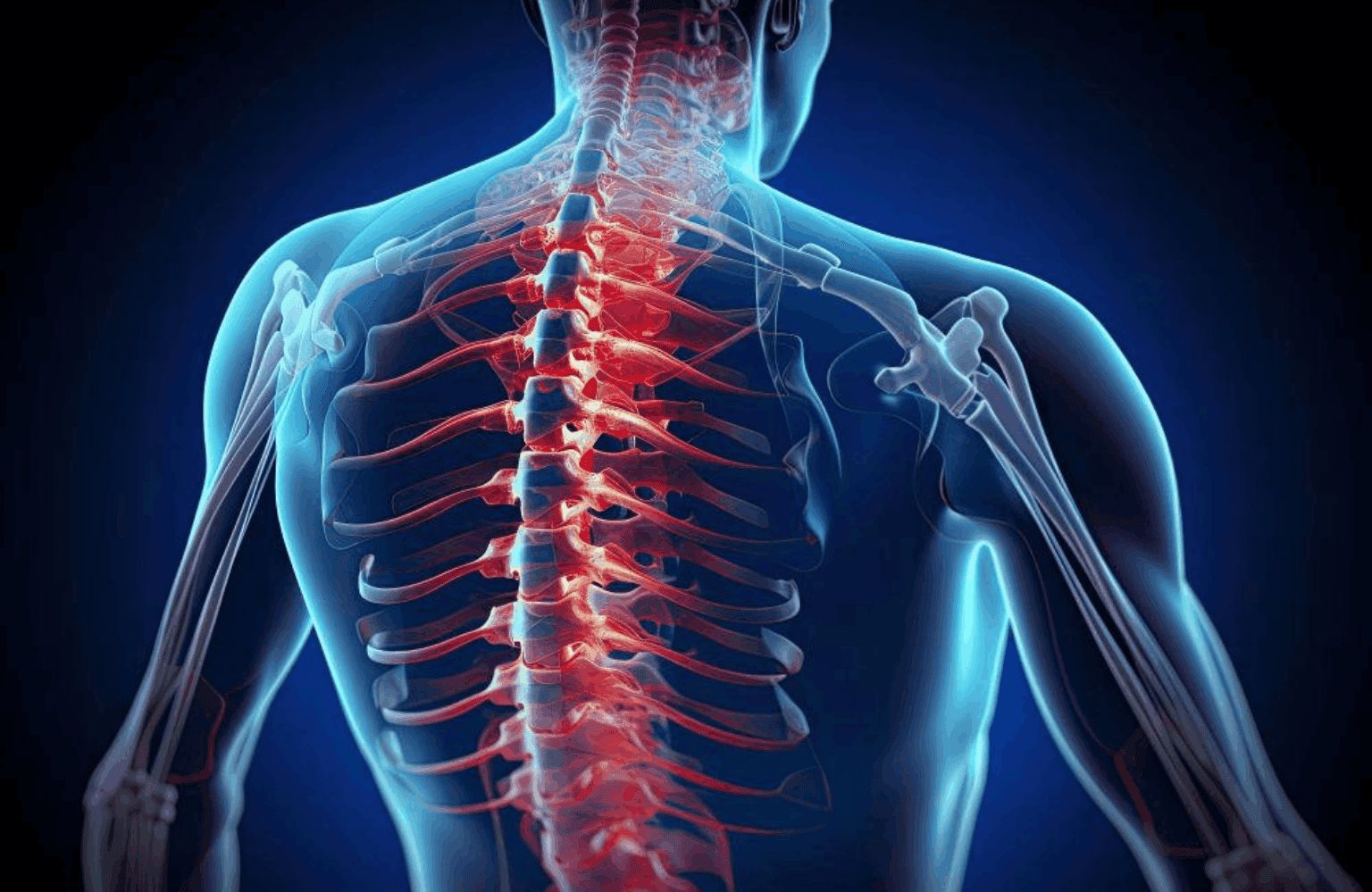
Neuropathy (Peripheral Neuropathy) refers to weakness, numbness, and pain caused by nerve damage, usually affecting the hands and feet. In Ayurveda, this condition is not a single disease but a range of symptoms classified under Vatavyadhi (diseases of the Vata Dosha). It specifically manifests when the biological air humor (Vata) affects the skin (Twak), blood (Rakta), or marrow/nervous tissue (Majja), often leading to Supti (loss of sensation/numbness), Harsha (tingling), or Daha (burning).
1. Definition
Modern Definition:
A result of damage to the peripheral nerves, often causing weakness, numbness, and pain, usually in the hands and feet.
Ayurvedic Definition:
Neuropathy is often described as Supti (numbness) or Gatrasada (weakness of the limbs). It occurs when aggravated Vata enters the channels of the skin and flesh, drying up the sensation. If burning is present, it involves Pitta or Rakta (blood), termed Padadaha (burning of feet). If tingling occurs, it is termed Padaharsha or Chimchimayana (sensation of ants crawling).
2. Etymology & Conceptual Meaning
- Supti: Literally means "sleep" or "numbness."
- Majja-gata Vata: Vata dosha lodged in Majja.
- Chimchimayana: Tingling or pins-and-needles sensation.
- Conceptual Interpretation: Neuropathy is a disruption of Prana due to Avarana (obstruction) or Dhatukshaya (tissue depletion).
3. Causes (Nidana)
Primary Causes (Vata Aggravation)
- Dry, cold, light foods
- Ativyayama
- Vegadharana
- Abhighata to Marma
Secondary Causes
- Prameha (Diabetes) – neuropathy described with Supti and Daha
- Vatarakta – obstruction of Vata by blood
- Madatyaya – alcoholism
4. Journey of the Disease (Samprapti)
- Dosha: Vata (Vyana Vayu), Pitta, Kapha
- Dushya: Tvacha, Rakta, Majja
- Srotas: Vatavaha Srotas, Majjavaha Srotas
5. Symptoms (Lakshana)
The symptoms depend on the tissue involved and the dominant Dosha.
• Sensory Symptoms:
◦ Supti: Loss of sensation or numbness in the skin.
◦ Chimchimayana: Tingling sensation.
◦ Daha: Burning sensation (common in diabetic and alcoholic neuropathy).
◦ Harsha: Horripilation or tingling (pins and needles).
• Motor Symptoms:
◦ Gatrasada: Weakness or heaviness in the limbs.
◦ Kampa: Tremors or involuntary twitching.
◦ Chesta-nasha: Loss of movement/function.
6. Different Types (Bheda)
Neuropathy is not a single entity but manifests as:
-
Twak-gata Vata: Manifests primarily as numbness (Supti).
-
Rakta-gata Vata: Manifests as severe pain and burning.
-
Majja-gata Vata: Deep-seated neuropathy with constant pain and insomnia.
-
Padadaha: Specifically burning feet syndrome, often associated with Pitta and Rakta.
-
Padaharsha: Tingling in the feet, associated with Vata and Kapha.
7. Diagnosis
• Ayurvedic Diagnosis:
◦ Sparshana (Touch): The physician tests for Supti (numbness) by touching or pricking the skin to see if sensation is delayed or absent.
◦ Prashna (Questioning): Inquiry about history of Diabetes (Prameha) or alcohol use.
• Differential Diagnosis:
◦ Vatarakta: Burning and pain are more severe and often accompanied by joint inflammation, unlike simple neuropathy.
◦ Urustambha: Stiffness of thighs with numbness, but strictly without severe pain in the early stage.
8. Disease Management
Panchakarma
- Abhyanga – Mahanarayana Taila
- Basti
- Swedana
- Seka
Medicines
- Mahanarayana Taila
- Yogaraja Guggulu
- Kaishora Guggulu
- Ashwagandha
- Shatadhauta Ghrita
- Guduchi
9. Prognosis
• Yapya (Manageable): Chronic neuropathy, especially associated with Diabetes (Prameha), is often considered manageable but difficult to cure completely if the tissue damage is deep.
• Krichrasadhya (Difficult): If the condition involves deep tissues like Marrow (Majja), it is difficult to treat.
• Sadhya (Curable): Early-stage numbness caused by simple Vata aggravation (e.g., compression) is easily curable with oil and heat.
10. Modern Correlations
- Diabetic Neuropathy
- Peripheral Neuropathy
- Burning Feet Syndrome
11. References
Mayo Clinic – Peripheral Neuropathy
https://www.mayoclinic.org/diseases-conditions/peripheral-neuropathy/symptoms-causes/syc-20352061
Authoritative guide on symptoms, causes (diabetes, infections, toxins), diagnosis, and treatment.
Cleveland Clinic – Peripheral Neuropathy
https://my.clevelandclinic.org/health/diseases/14737-peripheral-neuropathy
Clear explanation of types of neuropathy, warning signs, complications, and management.
NIH – National Institute of Neurological Disorders and Stroke (NINDS)
https://www.ninds.nih.gov/health-information/disorders/peripheral-neuropathy
Research-based information on nerve disorders, mechanisms, and ongoing studies.
AIIMS Neurology Department (India)
https://www.aiims.edu/en/departments-and-centers/neurology.html
Indian clinical and research reference for neurological disorders including neuropathy.
Tata 1mg Hindi – न्यूरोपैथी
https://www.1mg.com/hi/diseases/peripheral-neuropathy-454
Hindi explanation of symptoms, causes, diagnosis, and treatment options.
NDTV Health Hindi – न्यूरोपैथी के लक्षण और कारण
https://www.ndtv.in/health/neuropathy-causes-symptoms-treatment-in-hindi
Simple Hindi resource for public health education.
12. FAQ Section
Q: Can Ayurveda cure numbness in the feet?
A: Ayurveda can effectively manage and reverse numbness (Supti) in many cases, especially if treated early. Therapies like Abhyanga with Mahanarayana Taila and Basti (enema) are specifically designed to restore sensation and nerve function.
Q: What is the best Ayurvedic oil for burning feet?
A: For burning feet (Padadaha), cooling oils or fats are used. Shatadhauta Ghrita (ghee washed 100 times) or Pinda Taila are often recommended to pacify the heat (Pitta) and Vata.
Q: Is Ashwagandha good for neuropathy?
A: Yes. Ashwagandha is a premier Rasayana (rejuvenator) for the Mamsa (muscle) and Majja (nerve/marrow) tissues. It helps reduce weakness and improves nerve impulse conduction.
Q: How does Ayurveda view Diabetic Neuropathy?
A: It is viewed as a complication of Prameha where the Doshas (Kapha and Vata) obstruct the blood vessels and nerves, leading to Supti (numbness) and Daha (burning). Treatment involves managing the diabetes while nourishing the nerves.
Consult a Doctor
- AG4.5Dr Anshuman Gupta
Ayurveda8 yrs exp
- MS4.2Midun s kumar
Ayurveda4 yrs exp
- SP4.5Dr Sreelekha P Nair
Ayurveda6 yrs exp
- D4.3Dr Divya
Ayurveda2 yrs exp