Alcoholism
Reviewed by medical experts · For informational purposes only
Introductory summary
Alcoholism known as Madatyaya or Panatyaya in Ayurveda results from the excessive or improper consumption of alcohol which opposes the vital essence called Ojas. It is classified as a Tridoshaja condition involving all three bio energies but manifests based on the dominant Dosha. Symptoms include confusion tremors thirst and burning sensations. Ayurvedic texts describe specific stages such as Panajirna or alcoholic indigestion and Paramada. Management focuses on restoring Ojas and pacifying Doshas through therapies like Vamana and Basti alongside specific diets including meat soups and medicated ghees like Punarnavadyam Ghrita. Global health organizations aim to significantly reduce harmful alcohol consumption by 2030 as it remains a major risk factor for noncommunicable diseases and injuries.
Alcoholism
Alcoholism, referred to in Ayurveda as Madatyaya or Panatyaya, is a clinical condition resulting from the excessive or improper consumption of alcohol (Madya). It encompasses acute intoxication, chronic addiction, and withdrawal symptoms. Ayurveda considers alcohol to be a substance with qualities directly opposite to Ojas (the vital essence of immunity and strength). While alcohol is used therapeutically in small doses, its misuse leads to the obstruction of mental and physical channels, causing severe systemic disorders.
1. Definition
Madatyaya is defined as a disorder caused by the toxicity of alcohol (Madya) when consumed in excess or in violation of proper rules. It involves the agitation of the Hridaya (heart/mind) and the vitiation of all three [Doshas] (bio-energies). It represents a state where the intoxicating properties of alcohol overcome the natural stability of the mind and body.
2. Etymology & Conceptual Meaning
-
Literal Meaning:
-
Mada: Intoxication, exhilarating, or arrogance.
-
Atyaya: Transgression, excess, or calamity.
-
Thus, Madatyaya means "disorder resulting from excessive intoxication."
-
Synonyms include Panatyaya (disorder of drinking) and Panavibhrama (derangement due to drink).
-
-
Conceptual Interpretation:
- Alcohol vs. Ojas: Ayurveda states that Ojas (vital essence) has ten qualities (heavy, cool, soft, smooth, slimy, etc.). Alcohol (Madya) possesses ten qualities that are exactly opposite (light, hot, sharp, rough, subtle, etc.). When alcohol enters the body, its sharp and hot properties destroy or suppress the Ojas in the heart, leading to mental confusion and physical instability.
3. Causes (Nidana)
The causes are categorized into dietary errors, lifestyle factors, and the nature of the substance itself.
Dietary Causes
-
Improper Eating: Drinking alcohol without eating food (Abhakshya) or eating unwholesome food while drinking.
-
Malnutrition: Drinking when physically weak or hungry.
Lifestyle Causes
-
Vidhibhrashta: Drinking against the prescribed rules or rituals.
-
Excessive Intake: Drinking alcohol in excessive quantities (Atimatra).
-
Psychological Triggers: Drinking while afflicted by fear (Bhaya), grief (Shoka), or anger (Krodha).
-
Physical Strain: Drinking after carrying heavy loads, excessive exercise, or exhaustion.
Substance Factors
- Consuming alcohol that is very new (freshly fermented), very strong (Tikshna), or of bad quality.
4. Journey of the Disease (Pathogenesis/Samprapti)
The disease progresses through the systemic spread of the sharp qualities of alcohol.
-
Dosha: It is a Tridoshaja condition (involving Vata, Pitta, and Kapha), though one Dosha may be dominant based on the individual and the type of drink.
-
Dushya (Tissues): Ojas, Rasa (plasma), Rakta (blood), and Samjna (consciousness).
-
Srotas (Channels): Manovaha Srotas, Rasavaha Srotas, and Samjnavaha Srotas.
-
Agni (Digestion): Jatharagni (digestive fire) is impaired, often leading to Ama (toxins).
-
Adhisthana (Site): Hridaya (The Heart/Mind).
-
Process: Upon ingestion, the alcohol enters the heart (Hridaya), which is the seat of consciousness and Ojas. Due to its subtle (Sukshma) and sharp (Tikshna) nature, it penetrates the channels, agitates the mind, and suppresses intellect (Buddhi), leading to intoxication and subsequent disease.
5. Symptoms (Lakshana)
Symptoms vary by the dominant Dosha and the specific stage of the disorder.
General Symptoms
-
Confusion of the mind (Moha).
-
Tremors and giddiness (Bhrama).
-
Thirst (Trishna) and burning sensation (Daha).
Dosha-Specific Symptoms
-
Vataja Madatyaya: Hiccup (Hikka), asthma (Shvasa), tremors in the head (Sirahkampa), pain in the flanks, insomnia (Prajagara), and incoherent speech.
-
Pittaja Madatyaya: Excessive thirst, burning sensation, fever, sweating, fainting, diarrhea, and green/yellow discoloration of the body.
-
Kaphaja Madatyaya: Vomiting (Chardi), anorexia (Aruchi), nausea (Hrillasa), drowsiness (Tandra), heaviness in the body (Gaurava), and feeling cold.
-
Tridoshaja: A combination of all the above symptoms, indicating a severe condition.
6. Different Types or Classification (Bheda)
According to Madhava Nidana, alcohol-related disorders are classified into four distinct types:
- Panatyaya (Madatyaya): The general syndrome of alcoholism described above (Vataja, Pitta, Kaphaja, Tridoshaja).
- Paramada: Characterized by excessive heaviness, slime/phlegm accumulation, bad taste in the mouth, and retention of stool and urine.
- Panajirna: A condition of "Alcoholic Indigestion." Symptoms include flatulence, acid eructation, vomiting, and a burning sensation in the stomach. The person feels bloated.
- Panavibhrama: Characterized by a piercing pain in the heart, vomiting, fever, a feeling of smoke in the throat, and salivation. The patient hates the sight of food and wine.
7. Diagnosis
-
Ayurvedic Diagnosis: Based on Prashna (questioning about drinking habits) and Darshana (observation of symptoms like tremors, delirium, or skin color).
-
Differential Diagnosis: Differentiating between simple intoxication (Mada), fainting (Murcha), and true Alcoholism (Madatyaya).
8. Disease Management
Management focuses on pacifying the aggravated Doshas and restoring Ojas.
Panchakarma
-
Vamana (Emesis)
-
Virechana (Purgation)
-
Basti (Enema)
-
Nasya
9. Prognosis
• Curable: New cases and those involving a single Dosha are generally curable.
• Critical Signs: If the patient exhibits severe complications like hiccup, fever, tremors, pain in the sides, cough, and dizziness, the condition is difficult to treat.
• Fatal Signs (Arishta): If the patient has cold skin but complains of internal burning, has an oily face, black or blue lips/tongue, and red or yellow eyes, the prognosis is fatal.
10. Modern Correlations
-
Madatyaya: Correlates with Alcohol Use Disorder (AUD) and Alcohol Withdrawal Syndrome.
-
Panajirna: Correlates with Alcoholic Gastritis.
-
Tremors and Delirium: Ayurvedic Vataja symptoms match Delirium Tremens.
11. References
1. WHO Global Status Report on Alcohol and Health
A comprehensive WHO publication detailing alcohol consumption trends, health effects, disease burden, and treatment capacities for substance use disorders worldwide. This is one of the most authoritative global sources on alcohol-related harm. (World Health Organization)
2. WHO Alcohol Fact Sheet (2024)
Summary of key global facts on alcohol, including the number of alcohol-attributable deaths (~2.6 million annually), prevalence of alcohol use disorders, and contribution to the global burden of disease. (World Health Organization)
3. WHO Alcohol Consumption Impact Overview
WHO notes that harmful use of alcohol accounts for ~4.7 % of the global burden of disease and millions of deaths annually worldwide. (World Health Organization)
4. Global Epidemiology of Alcohol-Related Disease
This PubMed-indexed study uses Global Burden of Disease data to show increasing global prevalence of Alcohol Use Disorder (AUD), alcohol-related liver disease, and cancer over the past two decades. (PubMed)
5. Alcohol Use Disorder Healthcare Burden
Examines the epidemiology, societal costs, and healthcare burden of AUD, underscoring its public health impact. (PubMed)
6. Narrative Review: Alcohol and Global Burden of Disease
This comprehensive review article discusses alcohol consumption as a risk factor for disease and mortality globally, including policies and epidemiological findings. SpringerLink
12. FAQ Section
Q: What is the best Ayurvedic remedy for a hangover?
A: Ayurveda describes a condition called Panajirna (alcoholic indigestion). A common remedy is Ashtangalavana, a mixture of salts and digestive spices like ginger and ajwain, or Kharjuradi Mantha, a drink made from dates, grapes, and tamarind to restore hydration and balance.
Q: Can Ayurveda help with alcohol withdrawal tremors?
A: Yes. Tremors are a symptom of Vata aggravation. Treatments involving medicated ghee (like Punarnavadyam Ghrita) and Basti (enema therapy) are specifically designed to calm the nervous system and stop tremors.
Q: Why does Ayurveda consider alcohol harmful to immunity?
A: According to Charaka Samhita, alcohol possesses ten qualities (light, hot, sharp, etc.) that are exactly opposite to the ten qualities of Ojas (the essence of immunity). Therefore, excessive alcohol directly counteracts and depletes the body's vital strength.
Q: Is milk recommended for alcoholics?
A: Yes, particularly in the recovery phase. Milk (Dugdha) is considered a cooling and nourishing antidote to the hot and drying nature of alcohol. However, it should not be taken with alcohol, as that is an incompatible combination (Viruddha Ahara), but rather as a restorative food.
Consult a Doctor
- MS4.2Midun s kumar
Ayurveda4 yrs exp
- SP4.5Dr Sreelekha P Nair
Ayurveda6 yrs exp
- VR4.2Vaidya Rohit Kumar
Ayurveda3 yrs exp
- V4.1Vairamuthu
Ayurveda8 yrs exp
Buy Medicine
 Prescribed to you4.3₹22 cashback
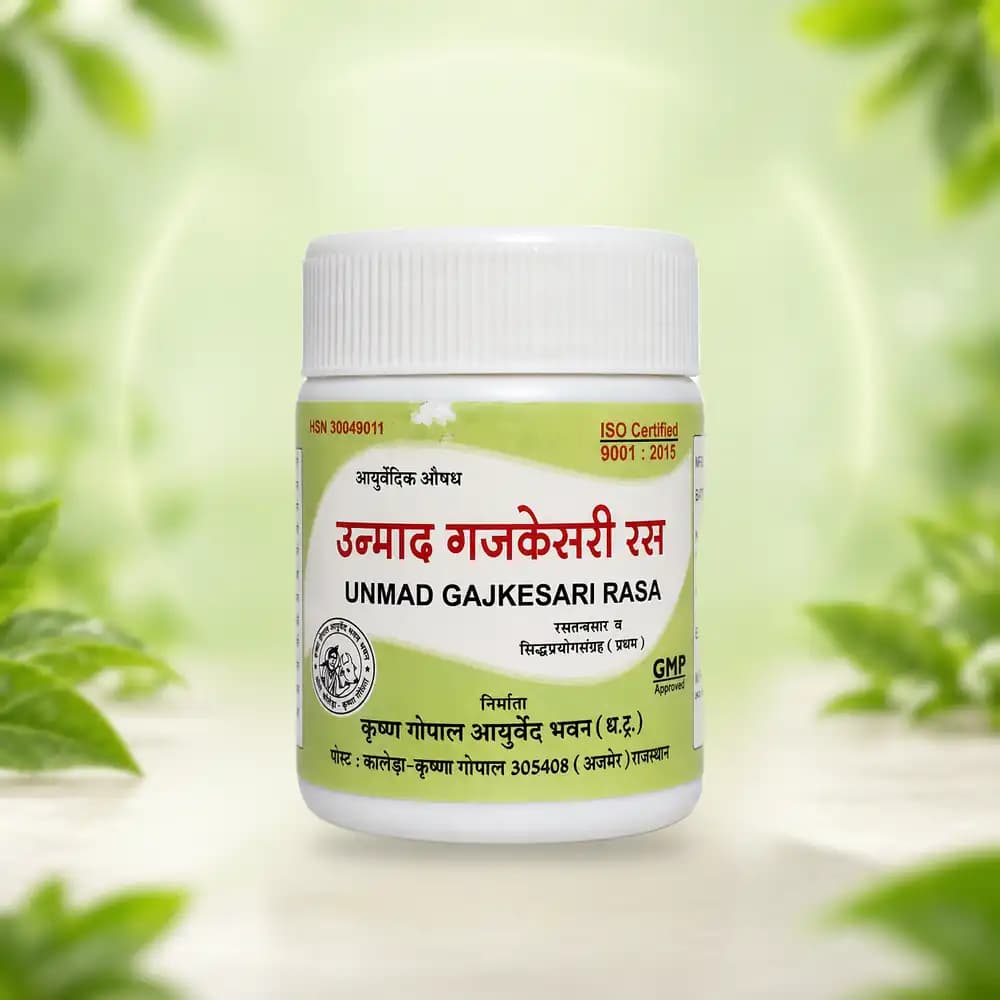
Unmadagaja Kesari Ras (Kalera) Kalera
Mental disorders, anxiety
Strip of 30 Tablets
4.3
₹224Get ₹22 Cashback
 Prescribed to you4.4₹20 cashback
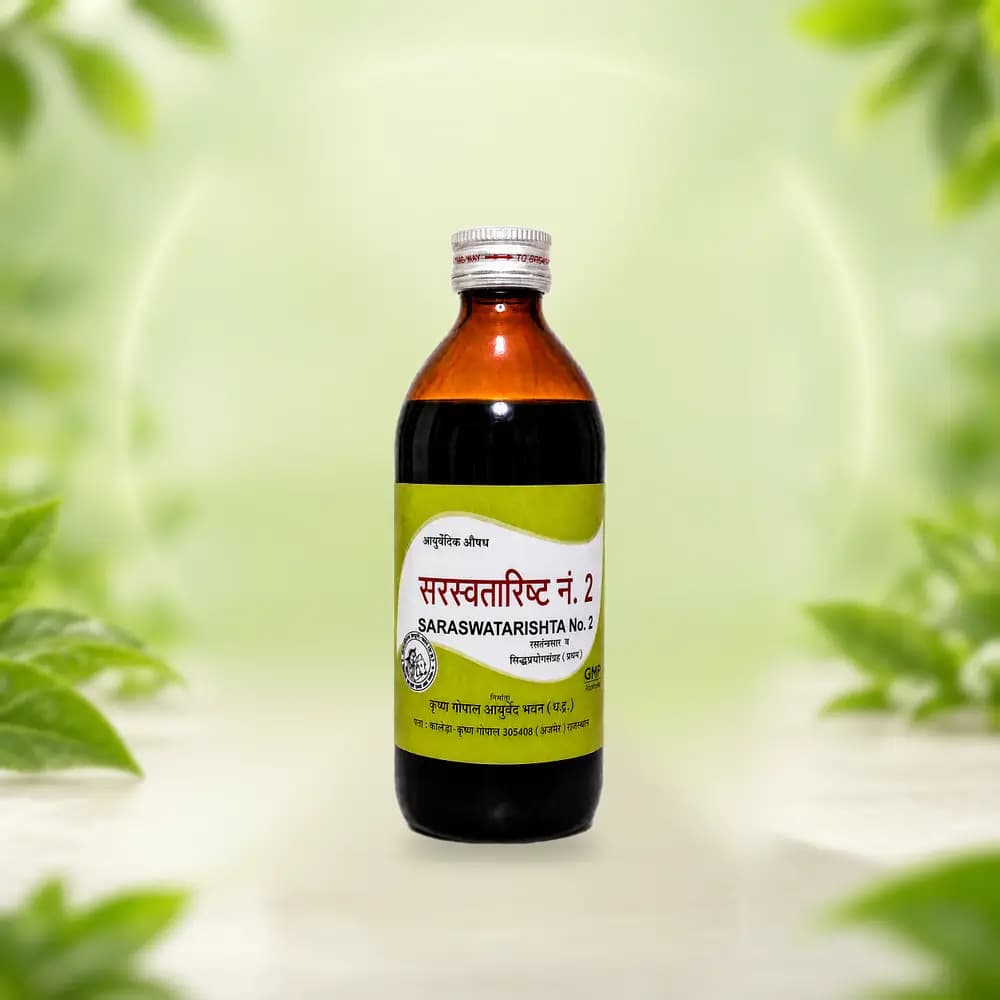
Saraswatarishta No. 2 (Kalera)KaleraMemory booster, nerve tonic
Bottle of 450 ml
4.4
₹205Get ₹20 Cashback