Stroke
Reviewed by medical experts · For informational purposes only
Introductory summary
Stroke correlates with the Ayurvedic condition Pakshaghata classified as a major Vata Vyadhi. It occurs when aggravated Vata dosha obstructs the internal channels and dries up the vessels and tendons on one side of the body leading to hemiplegia. Key symptoms include loss of motor function sensation and speech known as Vakstambha often accompanied by facial deviation. The pathology involves the drying of Sira and Snayu rendering joints loose and nonfunctional. Management prioritizes internal and external oleation using medicated oils like Masha Taila followed by Swedana or fomentation. Virechana or therapeutic purgation is specifically prescribed to clear obstructions while Basti or enema therapy is considered the most effective treatment to pacify Vata and restore neuromuscular function.
Stroke
Stroke, known in Ayurveda as Pakshaghata or Pakshavadha, is a neurological condition characterized by the sudden loss of function in one side of the body. It is classified as one of the 80 types of Vata Vyadhi (diseases caused by the Vata dosha). The condition involves the vitiation of Vata dosha which affects the vessels (Siras) and ligaments (Snayu), leading to the drying up or constriction of these channels and resulting in the inability to move one half of the body.
1. Definition
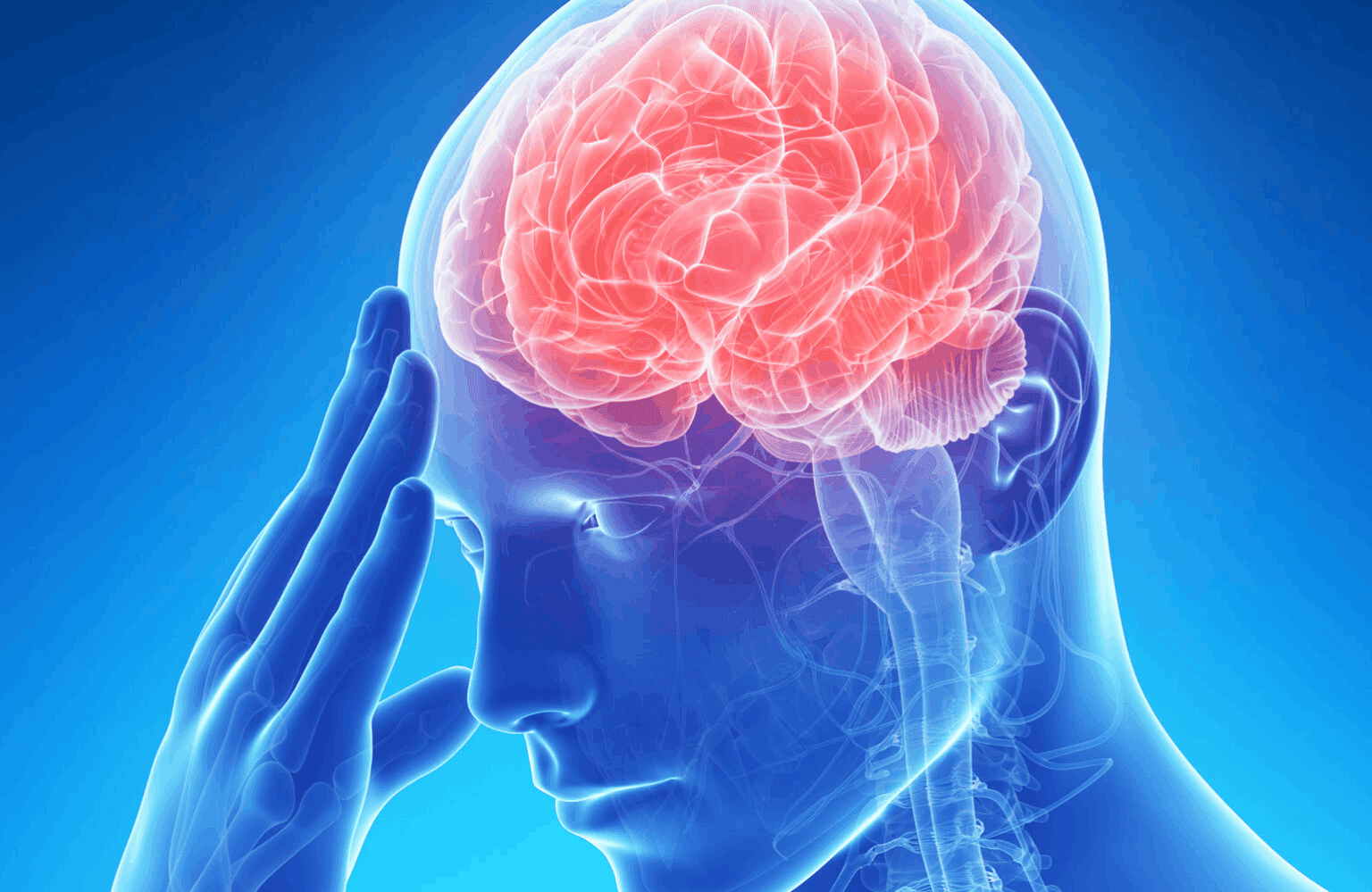
Modern Definition: A stroke is a medical emergency that occurs when the blood supply to part of the brain is interrupted or reduced, preventing brain tissue from getting oxygen and nutrients. This results in the rapid loss of brain function.
Ayurvedic Definition: Pakshaghata is defined as a condition where the aggravated Vata dosha seizes one side of the body (Paksha), drying up the vessels (Sira) and tendons (Snayu), causing looseness (Shithilata) of joints and inability to function or move that side of the body.
2. Etymology & Conceptual Meaning
- Literal Meaning: The term is a compound of Paksha (flank, side, or half of the body) and Aghata (blow, strike, or paralysis) or Vadha (killing/destruction). It literally translates to "paralysis of one side of the body".
- Conceptual Interpretation: Ayurveda views movement as the primary function of Vata. When Vata is obstructed or aggravated, it can "strike" the channels of movement in a specific part of the body. If this strike affects the major channels carrying sensation and motor impulses to one half of the body, it results in Pakshaghata.
3. Causes (Nidana)
The causes of Pakshaghata are primarily those that aggravate Vata dosha.
- Dietary Causes: Consumption of dry (Ruksha), cold (Sheeta), and light (Laghu) foods; excessive fasting; and irregular eating habits.
- Lifestyle Causes:
- Ativyayama: Excessive physical exertion.
- Abhighata: Trauma or injury to the vital points (Marmas) or head.
- Vegadharana: Suppression of natural urges (like sleep, urine, or feces).
- Prajnaparadha: Intellectual errors leading to unwholesome behavior.
- Psychological Factors: Excessive worry (Chinta), grief, and fear are general aggravators of Vata.
4. Journey of the Disease (Pathogenesis/Samprapti)
- Samprapti Ghataka (Components):
- Dosha: Vata (specifically Prana Vayu and Vyana Vayu) is the primary cause. Pitta and Kapha may be associated.
- Dushya (Tissues): Sira (Blood Vessels), Snayu (Tendons/Nerves), Rakta (Blood), and Mamsa (Muscle).
- Srotas (Channels): Raktavaha (Blood-carrying), Mamsavaha (Muscle-carrying), and Majjavaha (Nervous system).
- Adhisthana (Site): One half of the body (Vama or Dakshina Paksha) and the Head (Shira).
- Pathogenesis:
- Due to etiological factors, Vata becomes aggravated.
- This vitiated Vata travels through the body's channels.
- It lodges in the Siras (vessels) and Snayu (ligaments) of one side of the body.
- It "dries up" (Vishoshya) these channels and loosens the joints (Sandhi bandhan vimoksha), leading to the loss of movement and sensation in that half of the body.
5. Symptoms (Lakshana)
- Cardinal Symptoms:
- Chestahani: Loss of movement/motor function in one half of the body.
- Ruja: Pain in the affected side (specifically in Vata-dominant type).
- Vak-stambha: Loss of speech or difficulty speaking.
- Acetana: Loss of sensation or consciousness in the affected part.
- Associated Symptoms:
- Deviation of the face or facial paralysis (Ardita) is often associated with stroke.
- Tremors (Kampa) or stiffness (Stambha) depending on the dosha involved.
6. Different Types or Classification (Bheda)
Madhava Nidana classifies Pakshaghata based on the association of other Doshas with Vata:
- Shuddha Vataja (Pure Vata): Characterized by severe pain (Ruja) and is considered difficult to cure.
- Pitta-Anubandha (Pitta associated): Characterized by a burning sensation (Daha), fainting (Murcha), and inflammation (Santapa).
- Kapha-Anubandha (Kapha associated): Characterized by coldness (Shaityam), heaviness (Gaurava), and swelling/oedema (Shopha).
7. Diagnosis
- Ayurvedic Diagnosis (Roga Pariksha):
- Darshana (Observation): Observing the gait (limping), facial deviation, and inability to move limbs.
- Sparshana (Touch): Checking for coldness (Kapha) or heat (Pitta) in the limbs, and muscle tone.
- Prashna (Questioning): History of high blood pressure (often correlated with Rakta disorders) or sudden trauma.
- Differential Diagnosis:
- Ardita (Facial Palsy): Affects primarily the face, causing deviation of the mouth, inability to close eyes, and speech difficulties. While it can coexist with Pakshaghata, it is a distinct entity.
- Sarvanga Vata: Paralysis or weakness affecting the entire body, not just one side.
8. Disease Management
The management of Pakshaghata generally follows the protocol for Vata Vyadhi, with a special focus on Snehana (Oleation) and Virechana (Purgation).
Diet (Ahara)
- Pathya (Wholesome): Warm, unctuous (oily), and easily digestible foods. Usage of garlic (Lashuna), asafoetida (Hingu), and meat soup (Mamsarasa) is beneficial.
- Apathya (Unwholesome): Dry, cold, and fermented foods; peas, potatoes, and excessive pungent spices.
Medicines
- Maha Lakshmivilasa Rasa: Indicated for Pakshaghata and other difficult Vata disorders.
- Rasnadi Kvatha Curna: A decoction powder used for Pakshaghata and Sarvanga Kampa (tremors).
- Karpasasthyadi Taila: A specific oil used internally and externally for paralysis (Pakshaghata) and facial palsy (Ardita).
- Masha Taila: Mentioned in Chakradatta specifically for the cure of Pakshaghata and strengthening the limbs.
- Prabhanjana Vimardana Taila: Used for massage in cases of Vata disorders, including paralysis and hernia.
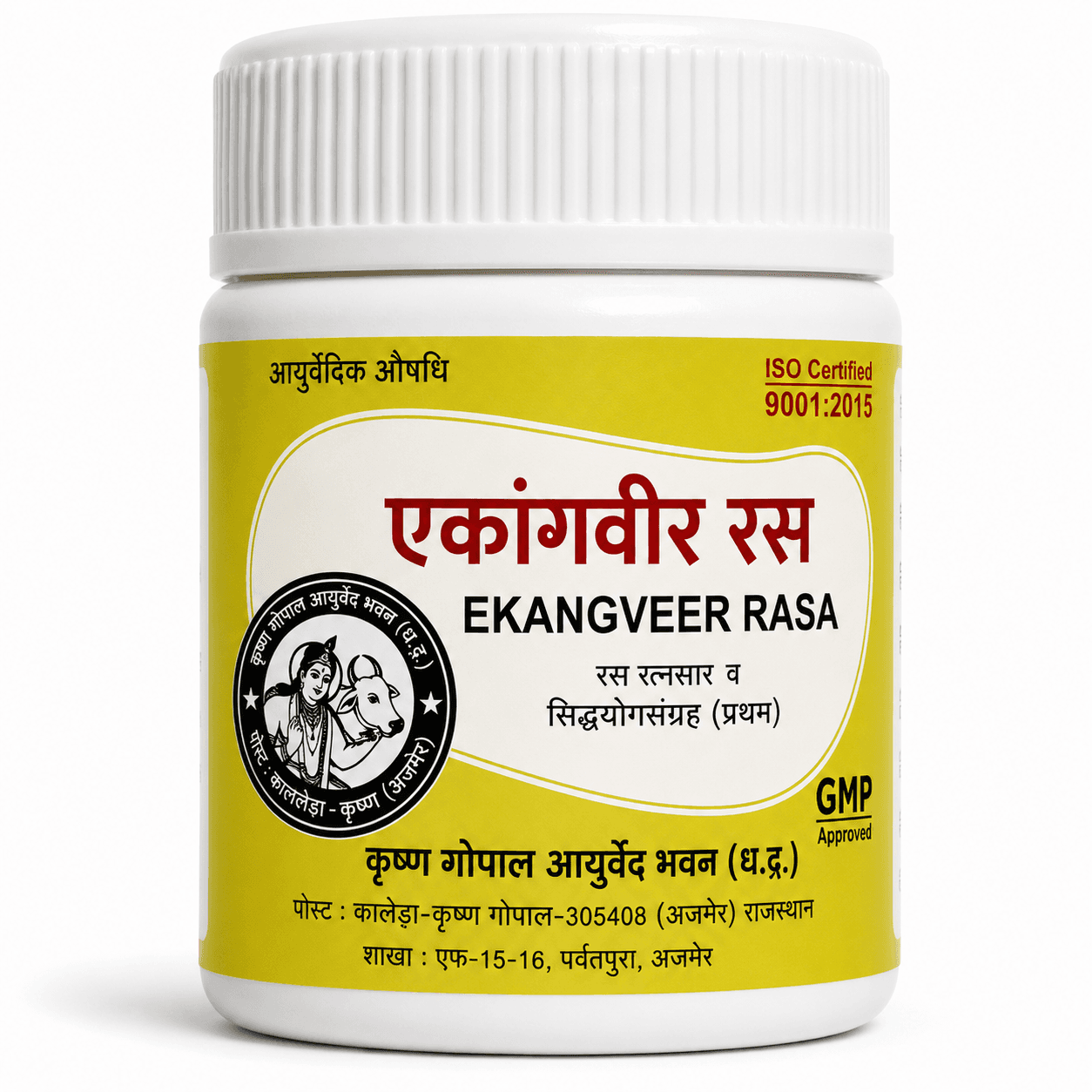
- Ekangavir Rasa: (Often used in practice for hemiplegia, though implied in Vata formulations lists).
Panchakarma (Therapies)
- Snehana (Oleation): Internal and external application of medicated oils (Abhyanga) is crucial to counteract the dry and rough qualities of Vata.
- Swedana (Fomentation): Therapies like Pinda Sweda (bolus fomentation with rice and milk) or Kayaseka (pouring warm oil) are highly effective.
- Virechana (Purgation): Chakradatta states that "Virechana" is the best treatment for Pakshaghata as it eliminates the Pitta and Vata obstruction.
- Basti (Enema): Medicated enemas (Anuvasana and Niruha) are the prime treatment for Vata disorders.
- Shirodhara/Shirovasti: Pouring oil on the forehead or retaining oil on the head is indicated for neurological disorders and hemiplegia.
9. Prognosis
- Krichrasadhya (Difficult to Cure): Shuddha Vataja Pakshaghata (caused by Vata alone) is considered the most difficult to treat due to the severity of channel drying.
- Sadhya (Curable): Cases associated with Pitta or Kapha are generally considered easier to manage compared to the pure Vata type.
- Asadhya (Incurable): If the patient is very weak, old, or if the tissues have severely wasted away (Dhatukshaya), the condition may be incurable.
10. Modern Correlations
- Cerebrovascular Accident (CVA): The sudden onset and the specific symptoms of Pakshaghata (hemiplegia) directly correlate with CVA or Stroke.
- Hemiplegia: The term Pakshaghata literally translates to paralysis of one side, which is the definition of hemiplegia.
- Facial Palsy: The condition Ardita described in Ayurveda covers Facial Palsy, which can be a symptom of stroke or a separate condition (Bell's Palsy).
11. References
-
WHO – Stroke (Fact Sheet)
🔗 https://www.who.int/news-room/fact-sheets/detail/the-top-10-causes-of-death
Stroke listed as a leading global cause of death and disability.
-
WHO – Cardiovascular Diseases (Stroke Included)
🔗 https://www.who.int/news-room/fact-sheets/detail/cardiovascular-diseases-(cvds)
Public-health perspective on stroke burden, prevention, and risk factors.
-
The Lancet – Global Burden of Stroke
🔗 https://www.thelancet.com/journals/lancet/article/PIIS0140-6736(19)31670-5/fulltext
Epidemiology, mortality, and disability trends.
-
NHP India – स्ट्रोक
🔗 https://www.nhp.gov.in/disease/cardiovascular/stroke
Government of India health portal (Hindi & English).
-
AIIMS – पक्षाघात (Stroke)
🔗 https://www.aiims.edu/aiims/healthinfo/stroke.htm
Patient education from a premier Indian institute.
12. FAQ Section
Q: Can Ayurveda cure paralysis after a stroke?
A: Ayurveda considers Pakshaghata (paralysis) treatable, especially if it is associated with Pitta or Kapha. Pure Vata types are harder to treat. Success depends on the patient's strength and how early treatment begins. Therapies like Virechana and Basti are key.
Q: What is the best oil for stroke patients?
A: Masha Taila is highly praised in Chakradatta for curing paralysis. Karpasasthyadi Taila and Prabhanjana Vimardana Taila are also specifically indicated for restoring movement in Vata disorders.
Q: Why is "purgation" (Virechana) recommended for paralysis?
A: Chakradatta specifically mentions Snehana (oil application) followed by Virechana (purgation) as a primary treatment. This helps clear the obstructed channels and expel the morbid Vata and Pitta doshas involved in the stroke.
Q: Is facial paralysis the same as stroke in Ayurveda?
A: Not exactly. While facial paralysis can be a symptom of stroke, Ayurveda describes a separate condition called Ardita which specifically affects the face, causing deviation and speech issues. The treatments, however, often overlap.
Consult a Doctor
- MS4.2Midun s kumar
Ayurveda4 yrs exp
- SP4.5Dr Sreelekha P Nair
Ayurveda6 yrs exp
- VR4.2Vaidya Rohit Kumar
Ayurveda3 yrs exp
- V4.1Vairamuthu
Ayurveda8 yrs exp
Buy Medicine
 Prescribed to you4.6₹45 cashback
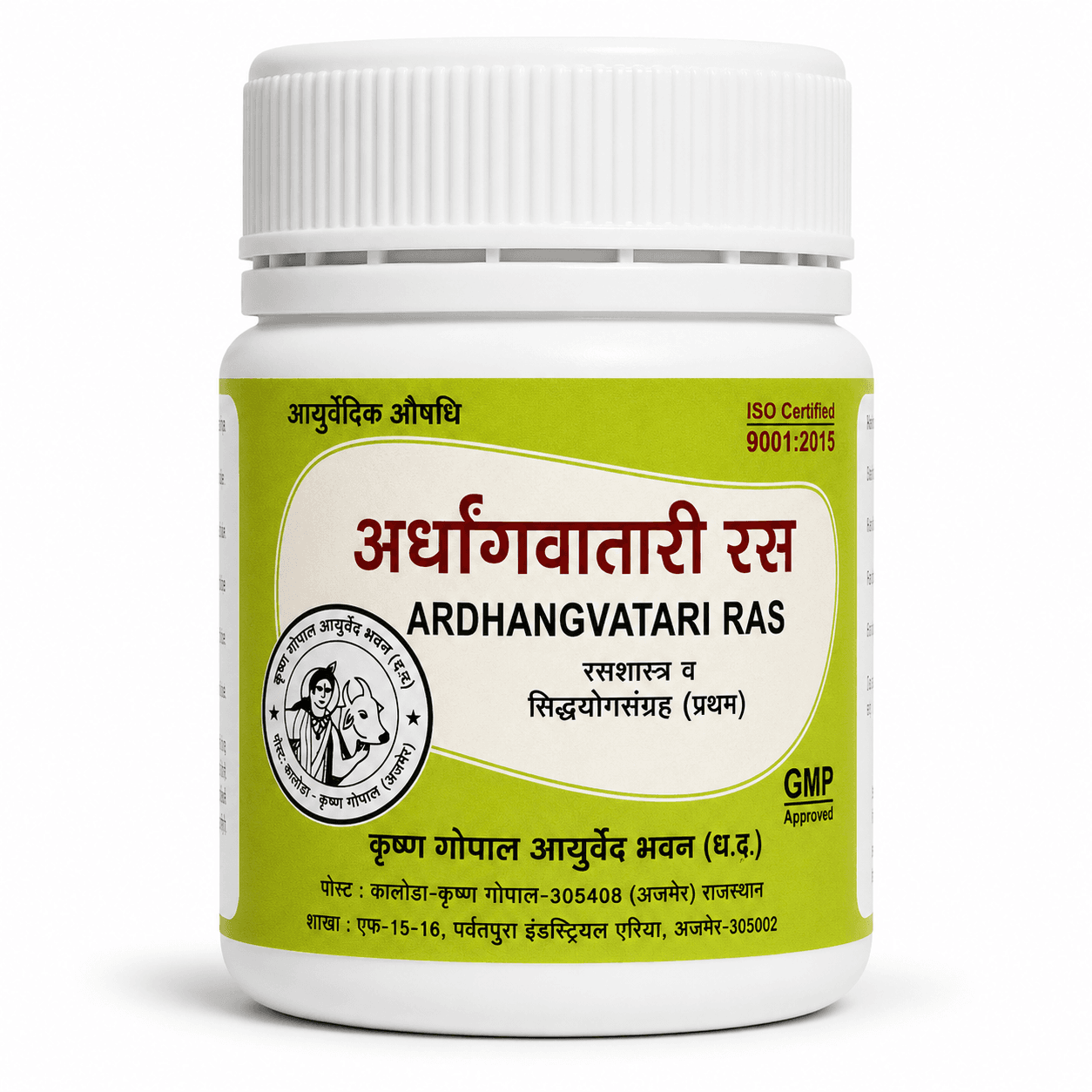
Ardhangavatari Ras (Kalera) Kalera
Hemiplegia, paralysis recovery
Container of 5 g
4.6
₹455Get ₹45 Cashback
 Prescribed to you4.3₹12 cashback
Ekangveer Ras (Kalera)KaleraParalysis, hemiplegia recovery
Strip of 15 Tablets
4.3
₹129Get ₹12 Cashback
 Prescribed to you4.5₹40 cashback
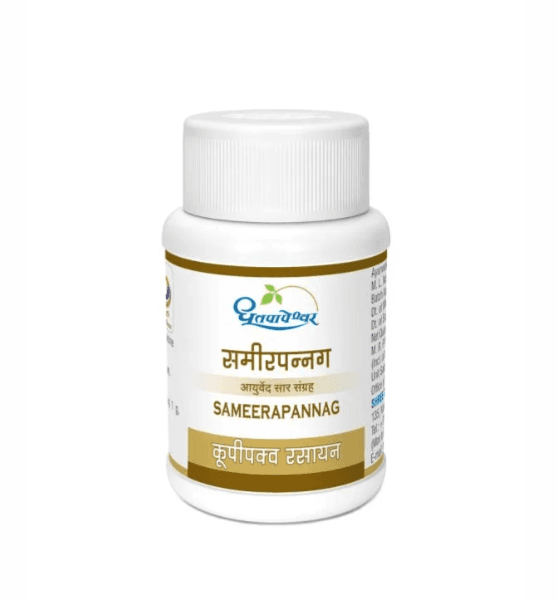
Sameerapannag (Dhootapapeshwar) | SAMIRPANNAG SDL
SDLवात विकारों में सहायक
Container of 5 g
4.5
₹400Get ₹40 Cashback