High Blood Pressure
Reviewed by medical experts · For informational purposes only

Introductory summary
In Ayurveda diabetes is known as Prameha or Madhumeha a condition arising from a sedentary lifestyle excessive sleep and the overconsumption of milk curds and sweets which vitiate Kapha dosha and fat tissue. Madhava Nidana classifies Prameha into twenty varieties based on the dominant Dosha including ten Kaphaja six Pittaja and four Vataja types with Madhumeha being a Vata-predominant stage characterized by sweet astringent urine that attracts ants. Symptoms include excessive turbid urination thirst burning sensations and complications like diabetic carbuncles or Pidaka.
High Blood Pressure
High Blood Pressure, medically known as Hypertension, is a condition where the force of the blood against the artery walls is too high. The World Health Organization (WHO) describes hypertension as a “silent killer” and a major global health challenge that requires constant monitoring and treatment.
In Ayurveda, this condition is understood through the imbalance of the Doshas affecting the blood (Rakta) and circulation channels (Sira and Dhamani). It is often correlated with Raktagata Vata, Siragata Vata, and varieties of Hridroga.
1. Definition
From a modern perspective, hypertension is a major risk factor for cardiovascular diseases, stroke, and kidney failure. In Ayurveda, it is defined as a disturbance in the flow of the vital life force (Vata) within the blood vessels (Dhamani and Sira). It manifests when the Vyana Vata (the sub-dosha responsible for circulation) becomes obstructed or aggravated, leading to increased pressure in the Raktavaha Srotas (blood-carrying channels),.
2. Etymology & Conceptual Meaning
-
Literal Meaning: The Ayurvedic understanding involves Rakta (blood) and Vata (air/propulsive energy). When Vata enters the blood (Rakta), it is termed Raktagata Vata.
-
Conceptual Interpretation: The arteries (Dhamani) are named so because of their pulsating nature (Dhmanat). In a healthy state, Vyana Vata circulates blood effortlessly. In hypertension, this movement is hampered by constriction (due to Vata) or blockage by metabolic waste (Ama), causing the vessels to become hard or pressurized. It is often correlated with Siragata Vata (Vata moving in veins/arteries) or Hridroga (Heart Disease) in its advanced stages,.
3. Causes (Nidana)
The causes of high blood pressure in Ayurveda are classified into dietary, lifestyle, and psychological factors that vitiate blood and Vata.
Dietary Causes
-
Salt and Sodium: Excessive intake of salty (Lavana) tastes is a primary cause of blood impurities and Pitta aggravation.
-
Pungent and Sour Foods: Habitual intake of sharp (Tikshna), hot, sour, and pungent substances disturbs the blood chemistry.
-
Incompatible Foods: Consuming incompatible food combinations (Viruddha Ahara), such as fish with milk, leads to the formation of toxins that block channels.
-
Alcohol and Meat: Excessive consumption of alcohol (Madya) and heavy meats,.
Lifestyle Causes
-
Suppression of Urges: Suppressing natural urges like sleep, urine, or tears (Vegadharana) aggravates Vata and strains the heart.
-
Day Sleep: Sleeping during the day (Divaswapna) leads to blockage of channels.
-
Overexertion: Excessive physical strain beyond one's capacity.
Psychological Factors
-
Emotional Stress: Mental disturbances such as excessive anger (Krodha), grief (Shoka), and fear (Bhaya) are explicitly listed as causes for the aggravation of Vata and Pitta, which directly impact the heart (Hridaya),.
-
Intellectual Error: Prajnaparadha (crimes against wisdom), such as knowing what is bad for health but doing it anyway, is considered a root cause of all disease.
4. Journey of the Disease (Pathogenesis/Samprapti)
The pathogenesis follows the trajectory of Vata vitiation affecting the vascular system.
-
Dosha: Primarily Vyana Vata (circulation) and Prana Vata (mind/nervous system), often accompanied by Pitta (heat/blood) and Kapha (blockage),.
-
Dushya (Tissues): Rakta (Blood) and Rasa (Plasma).
-
Srotas (Channels): Raktavaha Srotas (Blood channels) and Pranavaha Srotas.
-
Agni (Metabolism): Jatharagni (Digestive fire) is often impaired, leading to Ama production.
-
Ama (Toxin): Metabolic waste clogs the channels, increasing resistance to blood flow.
-
Adhisthana (Site): Dhamani (Arteries), Sira (Veins), and Hridaya (Heart).
The vitiated Vata moves through the blood vessels, and if obstructed by Kapha or Ama (fatty deposits/cholesterol), it exerts force against the vessel walls, leading to high pressure.
5. Symptoms (Lakshana)
Hypertension is often asymptomatic, but Ayurveda describes symptoms associated with Vata and Rakta disturbances.
Early Symptoms
-
Shiroroga: Headache or heaviness in the head.
-
Klama: Fatigue or exhaustion without exertion.
-
Anidra: Insomnia or disturbed sleep.
Advanced Symptoms
-
Bhrama: Giddiness, vertigo, or feeling of spinning.
-
Hrid-Spandana: Palpitations or irregular heartbeat.
-
Netra Roga: Visual disturbances or bloodshot eyes due to Pitta/Rakta pressure.
-
Krodha: Irritability and excessive anger.
-
Pakshaghata: Hemiplegia (paralysis) is a severe consequence of untreated Vata in the vessels.
6. Different Types or Classification (Bheda)
While not strictly classified as "Hypertension types" in classical texts, the condition varies by the dominant Dosha:
- Vataja: Characterized by irregular pulse, severe headache, anxiety, and tremors. Related to Siragata Vata.
- Pittaja: Characterized by burning sensation, red eyes, anger, nosebleeds (Raktapitta), and headaches sensitive to light.
- Kaphaja: Associated with obesity (Sthoulya), lethargy, high cholesterol, and heaviness,.
- Raktaja: Caused specifically by impure blood, leading to burning and skin flushing.
7. Diagnosis
Ayurvedic Diagnosis (Roga–Rogi Pariksha)
-
Nadi Pariksha (Pulse Diagnosis): The physician assesses the pulse for Vata (movement), Pitta (force/heat), and Kapha (heaviness) qualities. Hardness in the pulse indicates arterial stiffness.
-
Darshana (Observation): Checking for redness in the eyes and skin complexion.
-
Prashna (Questioning): Inquiring about salt intake, stress levels, sleep patterns, and digestion.
Differential Diagnosis
It must be distinguished from simple headaches (Shiroroga) or specific heart diseases (Hridroga) caused by other factors like parasites or structural defects.
8. Disease Management
The goal is to pacify Vata, purify the blood (Rakta-Prasadana), and strengthen the heart.
Diet (Ahara)
• Avoid: Excessive salt, sour foods, pickles, alcohol, and red meat.
• Recommended:
◦ Vegetables: Pointed gourd (Patola), bitter gourd (Karvellaka), and leafy greens,.
◦ Grains: Barley and old rice are light and beneficial.
◦ Dairy: Milk is considered beneficial for calming Vata and Pitta and supports the heart.
◦ Water: Boiled water processed with coriander or cooling herbs.
Lifestyle (Vihara)
• Stress Management: Meditation and avoidance of anger (Krodha) and grief.
• Sleep: Regular sleep patterns are crucial. Day sleeping is generally prohibited, but rest is essential.
• Exercise: Moderate exercise (Vyayama) is recommended to reduce fat (Meda), but excessive exertion must be avoided.
Medicines
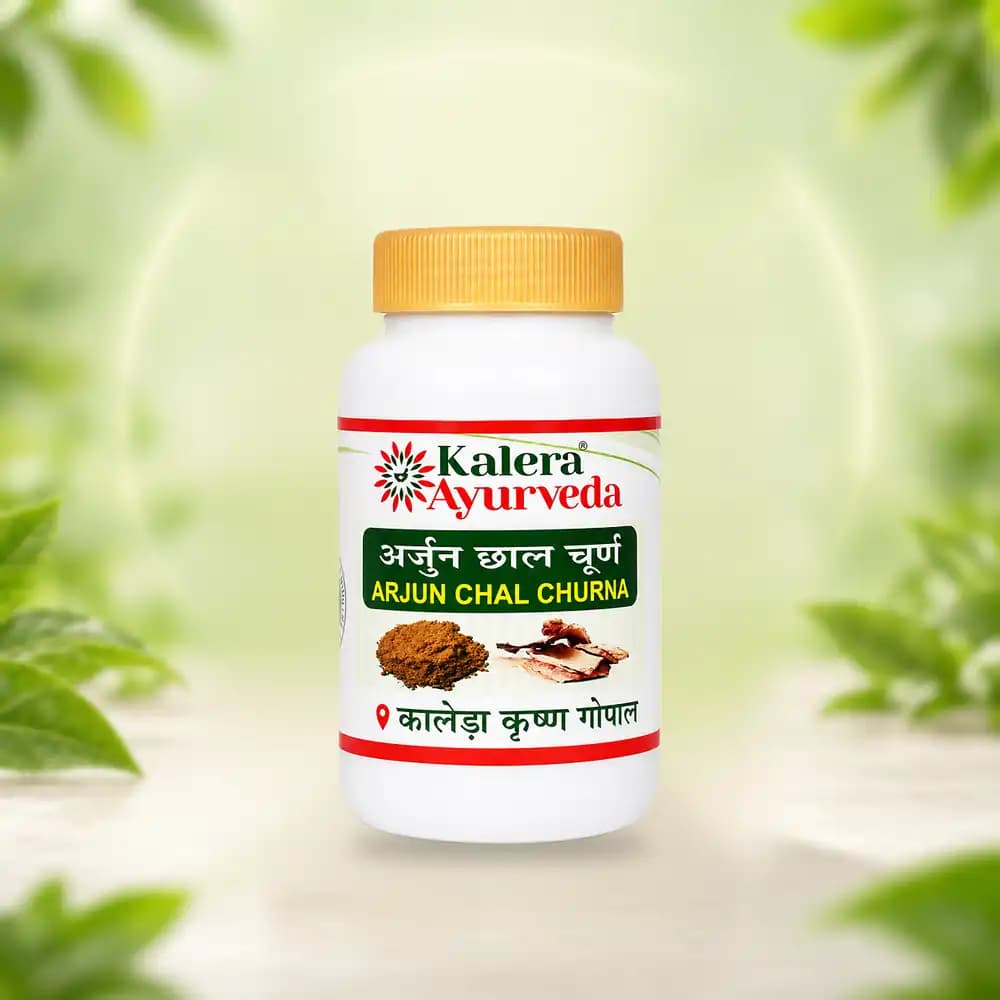
• Arjuna: Terminalia arjuna is a key herb for strengthening the heart (Hridya) and managing circulation.
• Punarnava: Used as a diuretic to reduce swelling and fluid retention (Shotha), thereby lowering pressure.
• Guggulu: Used to scrape away fat and cholesterol (Meda) and treat Vata disorders.
• Brahmi & Shankhapushpi: Used for mental calmness, insomnia, and stress reduction,.
• Prabhakara Vati: A formulation containing Arjuna and iron, used for heart conditions.
Panchakarma
• Shirodhara: Pouring medicated oil/liquids on the forehead. It is indicated for headaches, insomnia, and stress, which are directly linked to hypertension.
• Virechana (Purgation): Therapeutic purgation is used to eliminate excess Pitta and impure blood.
• Basti (Enema): Lekhana Basti (scraping enema) helps in reducing obesity and clearing channels.
• Raktamokshana: Bloodletting is sometimes indicated to relieve immediate pressure in conditions of impure blood,.
9. Prognosis
• Early Prognosis: If treated early with diet and lifestyle changes (avoiding salt/stress), it is manageable and often reversible (Curable/Sadkhya).
• Chronic Prognosis: If neglected, it becomes Yapya (manageable but not curable) and can lead to severe complications like Stroke (Pakshaghata) or Heart Failure, which may be fatal.
• Factors: Obesity and strong digestion affect prognosis. Weak patients with severe complications have a poor prognosis.
10. Modern Correlations
• Similarities: The Ayurvedic concept of Raktagata Vata (pressure in blood vessels) closely mirrors the hemodynamic mechanics of hypertension. The "Silent Killer" aspect correlates with the Ayurvedic view that symptoms often only appear when complications (like Pakshaghata/stroke) arise.
• Differences: Modern medicine relies heavily on numerical blood pressure readings (mm Hg) for diagnosis. Ayurveda relies on pulse character (Nadi), symptoms, and body constitution (Prakriti).
• Limitations: While Ayurveda offers management, acute hypertensive crises often require immediate emergency interventions that traditional texts address through drastic measures like bloodletting, which may not be feasible in a home setting.
11. References
- International Journal of AYUSH: Conceptual Understanding of Raktagata Vata & Hypertension — Ayurvedic pathophysiology correlated with modern hypertension.
https://internationaljournal.org.in/journal/index.php/ijayush/article/view/1469 (internationaljournal.org.in) - Ayurvedic Review and Meta‑Analysis on Hypertension (Essential Hypertension) — Compilation of Ayurvedic perspectives on etiology and srotas involvement.
https://www.jneonatalsurg.com/index.php/jns/article/view/5759 (jneonatalsurg.com) - An Ayurvedic Management of Hypertension through Herbo‑Mineral Formulations (Case Study) — Investigational report linking Raktagata Vata and clinical intervention.
https://www.jaims.in/jaims/article/view/3330 (Jaims) - Beneficial effects of Terminalia arjuna bark extract in experimental pulmonary hypertension — PubMed article on antihypertensive potential of Arjuna.
https://pubmed.ncbi.nlm.nih.gov/27401289/ (PubMed) - Plants Used as Antihypertensive: Traditional Medicinal Herbs Review — Overview of several botanicals with blood pressure lowering effects.
https://pubmed.ncbi.nlm.nih.gov/33174095/ (PubMed) - Effectiveness and safety of Ayurvedic interventions in essential hypertension: systematic review — Meta-analysis of clinical trials on Ayurvedic treatment for hypertension.
https://pubmed.ncbi.nlm.nih.gov/41487502/ (PubMed) - Ayurveda Dietetics in the Management of Hridroga — Discussion of diet and pathya in cardiovascular disease management.
https://www.granthaalayahpublication.org/Arts-Journal/ShodhKosh/article/view/2485 (Granthaalayah Publication)
12. FAQ Section
Q: Can Ayurvedic herbs cure high blood pressure? A: Ayurveda can effectively manage high blood pressure, especially in early stages, by addressing the root cause (diet and stress). Herbs like Arjuna and Punarnava are widely used to support heart health and fluid balance,.
Q: Is salt completely forbidden? A: Excessive salt (Lavana) is considered a major cause of blood impurities and Pitta aggravation. It should be significantly reduced, though not necessarily eliminated if the patient is weak or Vata-aggravated. Rock salt (Saindhava) is often preferred in small quantities.
Q: What is the best Ayurvedic treatment for stress-related high blood pressure? A: Shirodhara, a therapy involving the pouring of warm medicated oil on the forehead, is highly effective for stress, insomnia, and headaches associated with hypertension.
Q: Can I stop my modern medicine and switch to Ayurveda? A: You should never stop medication abruptly. Ayurveda can be used as a complementary therapy. Any changes to medication should only be done under the supervision of a qualified physician, as improper management can lead to stroke or heart issues.
Q: Does digestion affect blood pressure? A: Yes. Poor digestion leads to the formation of Ama (toxins), which can block blood vessels (Dhamani), increasing resistance to blood flow and causing pressure to rise.
Consult a Doctor
- AG4.5Dr Anshuman Gupta
Ayurveda8 yrs exp
- MS4.2Midun s kumar
Ayurveda4 yrs exp
- SP4.5Dr Sreelekha P Nair
Ayurveda6 yrs exp
- D4.3Dr Divya
Ayurveda2 yrs exp
More on High Blood Pressure
Buy Medicine
 Prescribed to you4.5₹15 cashback
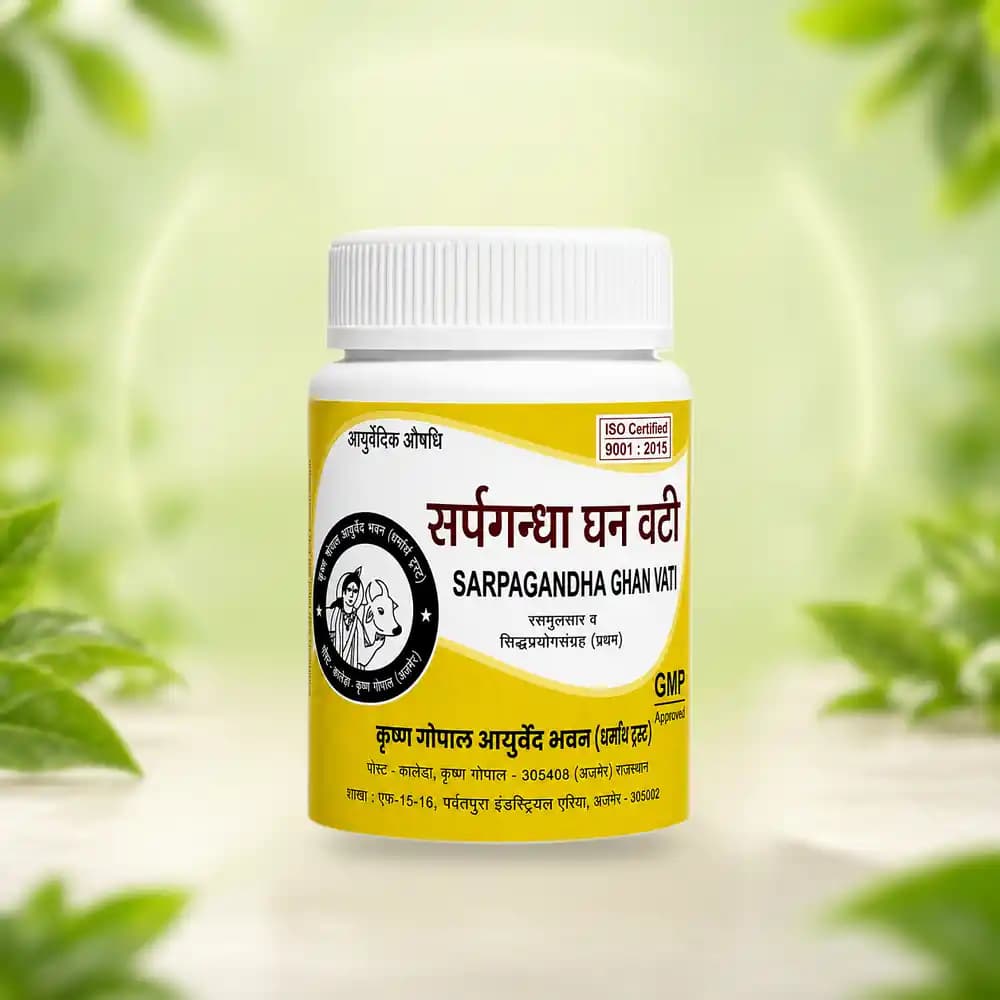
Sarpgandha Ghan Vati (Kalera) Kalera
Lowers high blood pressure
Strip of 30 Tablets
4.5
₹154Get ₹15 Cashback
 Prescribed to you4.5₹12 cashback
Arjuna Tablets (Dhootapapeshwar) SDL
SDLPhysician-guided Ayurvedic care
Strip of 60 Tablets
4.5
₹120Get ₹12 Cashback