Heart Failure
Reviewed by medical experts · For informational purposes only
Introductory summary
In Ayurveda heart failure is understood within the context of Hridroga which covers various heart conditions caused by factors such as the suppression of natural urges like panting after exercise or parasitic infestations known as Krimi. The condition often involves Vata vitiation leading to symptoms like palpitations chest pain and breathlessness. Management focuses on strengthening the cardiac muscle using tonics particularly the bark of the Arjuna tree consumed with milk ghee or jaggery and formulations involving Nagabala root or wheat cooked with goat milk. For symptom relief specific recipes like Hingvadi Churna and Dashamula decoction are prescribed while advanced treatments may utilize processed minerals like Copper or Diamond.
Heart Failure
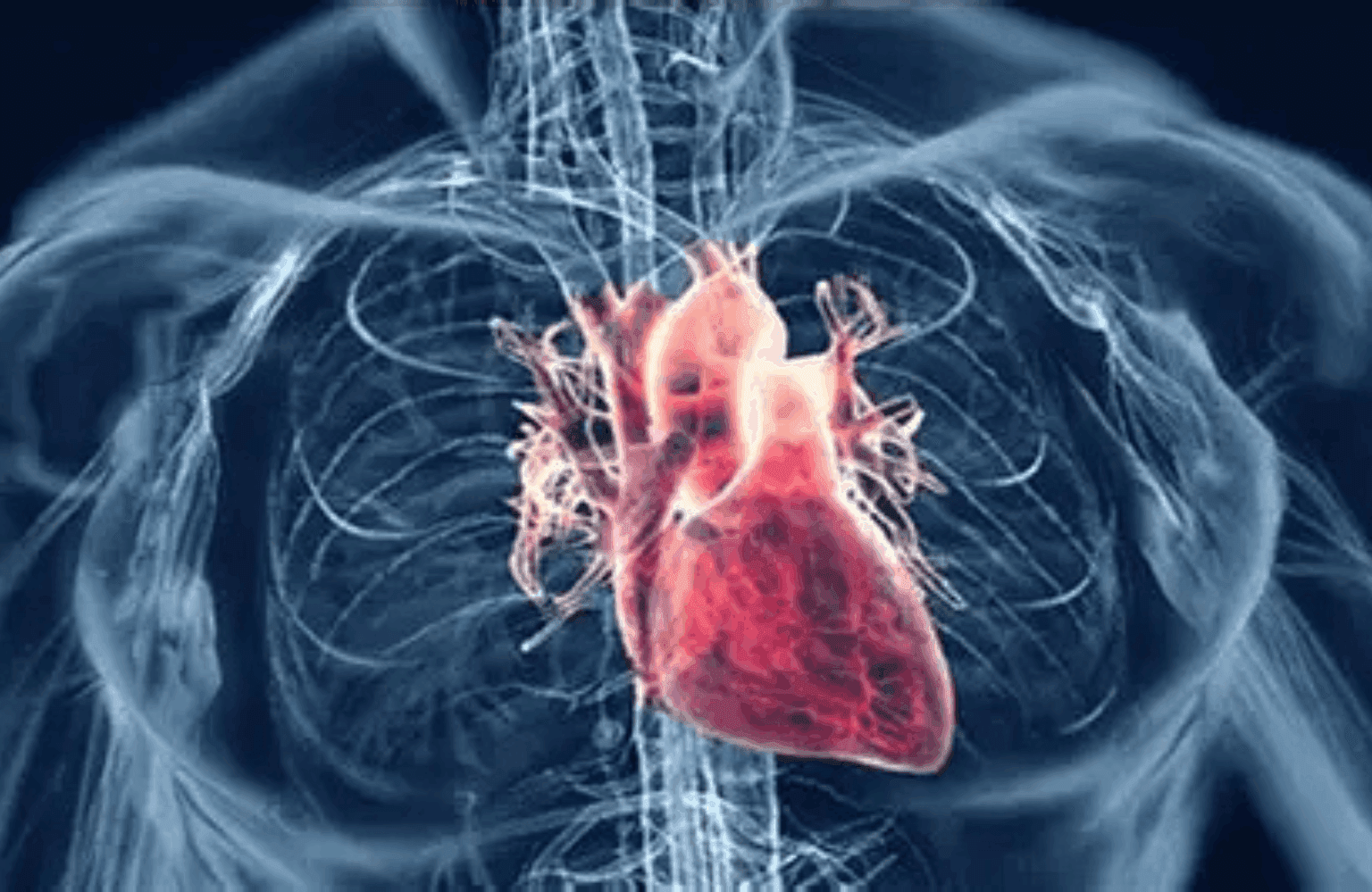
Heart Failure, a condition where the heart muscle does not pump blood effectively, is not described as a standalone disease in classical Ayurveda. However, its clinical features—such as fluid retention (edema), shortness of breath (Shvasa), and fatigue—are detailed under the complications of Hridroga (Heart Disease), Shotha (Edema/Swelling), and Shvasa (Dyspnea/Breathing difficulty) [1][2]. Ayurvedic texts also mention the risk of heart failure as a critical complication of improper treatments or advanced disease states [3].
1. Definition
Hridroga encompasses angina, ischemic heart disease, and heart failure. It is defined as the disturbance of normal heart function due to vitiation of the three biological humors (Vata, Pitta, Kapha) and corruption of Rasa Dhatu (nutrient plasma). As the heart houses Ojas, any affliction directly impacts vitality and consciousness.
2. Etymology & Conceptual Meaning
-
Literal Meaning: Hridaya = Hr (to receive), Da (to give), Ya (to move) → describes blood reception, pumping, and circulation.
-
Conceptual Interpretation: The heart is a Marma (vital organ) and seat of Atma (soul), Manas (mind), and Ojas. Hridroga is thus a disruption of the central life-support system, not merely mechanical failure.
3. Causes (Nidana)
Dietary Causes
-
Heavy & Hot Foods: Excessive consumption of heavy, hot, astringent, bitter foods.
-
Overeating: Eating before prior meal is digested (Adhyashana) → Ama formation → blocked heart channels.
-
Incompatible Foods: Combinations like fish + milk vitiate blood and heart tissues.
Lifestyle Causes
-
Suppression of Urges (Vegadharana): Suppressing coughing, panting, vomiting stresses the heart.
-
Physical Strain: Excess exertion or trauma to chest.
Psychological Factors
- Mental Stress: Deep anxiety (Chinta), fear (Bhaya), terror (Trasa).
4. Journey of the Disease (Pathogenesis/Samprapti)
-
Dosha: Vata, Pitta, Kapha.
-
Dushya: Rasa (plasma/lymph), Rakta.
-
Srotas: Pranavaha Srotas, Rasavaha Srotas.
-
Agni: Impaired digestion → Ama.
-
Process: Vitiated Doshas corrupt Rasa Dhatu → heart obstruction → pain & dysfunction.
5. Symptoms (Lakshana)
Early Symptoms
-
Palpitations: Abnormal heartbeat.
-
Fatigue: Exhaustion without exertion.
-
Emptiness: Chest numbness.
Advanced Symptoms
-
Vataja Hridroga: Cutting/stretching chest pain, trembling, sensation of heart stopping.
-
Pittaja Hridroga: Burning chest, thirst, fainting, sweating, fatigue.
-
Kaphaja Hridroga: Chest heaviness, stiffness, salivation, drowsiness.
-
Krimija (Parasitic/Infectious): Itching, pain, dark eye circles, wasting.
6. Classification (Bheda)
- Vataja: Vata dominant.
- Pittaja: Pitta dominant.
- Kaphaja: Kapha dominant.
- Tridoshaja: All three Doshas.
- Krimija: Worms/pathogens.
7. Diagnosis
Ayurvedic Diagnosis
-
Pulse Diagnosis (Nadi Pariksha).
-
Observation (Darshana): Discoloration, swelling, emaciation.
-
Questioning: Stress, diet, suppressed urges.
Differential Diagnosis
Distinguished from Shula (chest pain), Amlapitta (acid reflux), Shwasa (respiratory distress) by localization and systemic signs.
8. Disease Management
Diet (Ahara)
-
Meat Soup: Deer/wild meat soup strengthens heart.
-
Grains: Old rice, wheat.
-
Avoid: Heavy, oily foods, water immediately after meals.
Medicines
-
Arjuna (Terminalia arjuna): Bark boiled with milk (Arjuna Ksheera Paka) or with ghee/jaggery.
-
Dashamula: Decoction of 10 roots for Vata-type heart pain.
-
Nagabala: Root powder with milk.
-
Pippalyadi Churna: Herbal mix for Kapha-associated heart disease.
Panchakarma
-
Caution: Vamana (Emesis), Virechana (Purgation) generally contraindicated.
-
Allowed: Gentle external therapies, Shamana (palliative herbs).
9. Prognosis
-
Curable: Early-stage, single Dosha heart conditions.
-
Incurable/Critical: Tridoshaja, Krimija.
-
Fatal Signs: Cold skin, dilated eyes, severe radiating pain.
10. Modern Correlations
-
Similarities: Vataja heart disease ↔ Angina Pectoris; Kaphaja ↔ Congestive Heart Failure. Arjuna validated for cardioprotection.
-
Differences: Modern medicine focuses on structural/arterial blockage; Ayurveda on Doshas and mental state.
-
Limitations: Acute heart failure → emergency support needed; Ayurveda uses prognostic signs.
11. References
-
Various Ayurvedic reviews articulate that Hridroga (cardiovascular disease) involves Vata aggravation and can include symptoms akin to congestive heart failure. (Ayurvedic Review on Diagnosis & Management of Hridroga) (ayushdhara.in)
-
Clinical research shows benefits of rasayana and basti therapies in Hridroga and ischemic heart disease. (Rasayana Chikitsa in Reduced Ejection Fraction and Hridroga (IHD)) (ayushdhara.in)
-
Ayurvedic dietetics offers heart‑healthy food recommendations such as wholesome, easily digestible diets in Hridroga management. (Ayurveda Dietetics in the Management of Hridroga) (Granthaalayah Publication)
-
Case reports demonstrate potential integrative Ayurveda approaches in managing congestive cardiac failure. (Integrative Management of Congestive Cardiac Failure with Ayurveda + Modern Medicine) (Jaims)
12. FAQ Section
Q: Is "Arjuna" really effective for heart failure?
A: Yes, in Ayurveda, Arjuna bark is considered the supreme tonic for the heart. It is described in Chakradatta as a remedy that promotes longevity and strengthens the heart muscle when taken with milk or ghee.
Q: Can I do Panchakarma if I have heart disease?
A: You must be very careful. Intense vomiting (Vamana) and purgation (Virechana) therapies are strictly prohibited (Contraindicated) for heart patients because the strain is too dangerous,. Only gentle, physician-supervised therapies should be done.
Q: Does digestion affect the heart?
A: Yes. Ayurveda states that poor digestion creates Ama (toxins), which blocks the channels. This forces the heart to work harder. Treating indigestion is often the first step in treating heart disease.
Q: What emotion damages the heart the most?
A: Anxiety (Chinta) and Fear (Bhaya). Ayurveda explicitly lists deep worry and stress as root causes of heart disease, as the heart is the seat of the mind and consciousness,.
Consult a Doctor
- AG4.5Dr Anshuman Gupta
Ayurveda8 yrs exp
- MS4.2Midun s kumar
Ayurveda4 yrs exp
- SP4.5Dr Sreelekha P Nair
Ayurveda6 yrs exp
- D4.3Dr Divya
Ayurveda2 yrs exp
More on Heart Failure
Buy Medicine
 Prescribed to you4.6₹252 cashback
Hrudroga Chintamani Rasa (Dhootapapeshwar) SDL
SDLSupports heart health
Strip of 30 Tablets
4.6
₹2,525.03Get ₹252 Cashback