
Reviewed by medical experts • For informational purposes only
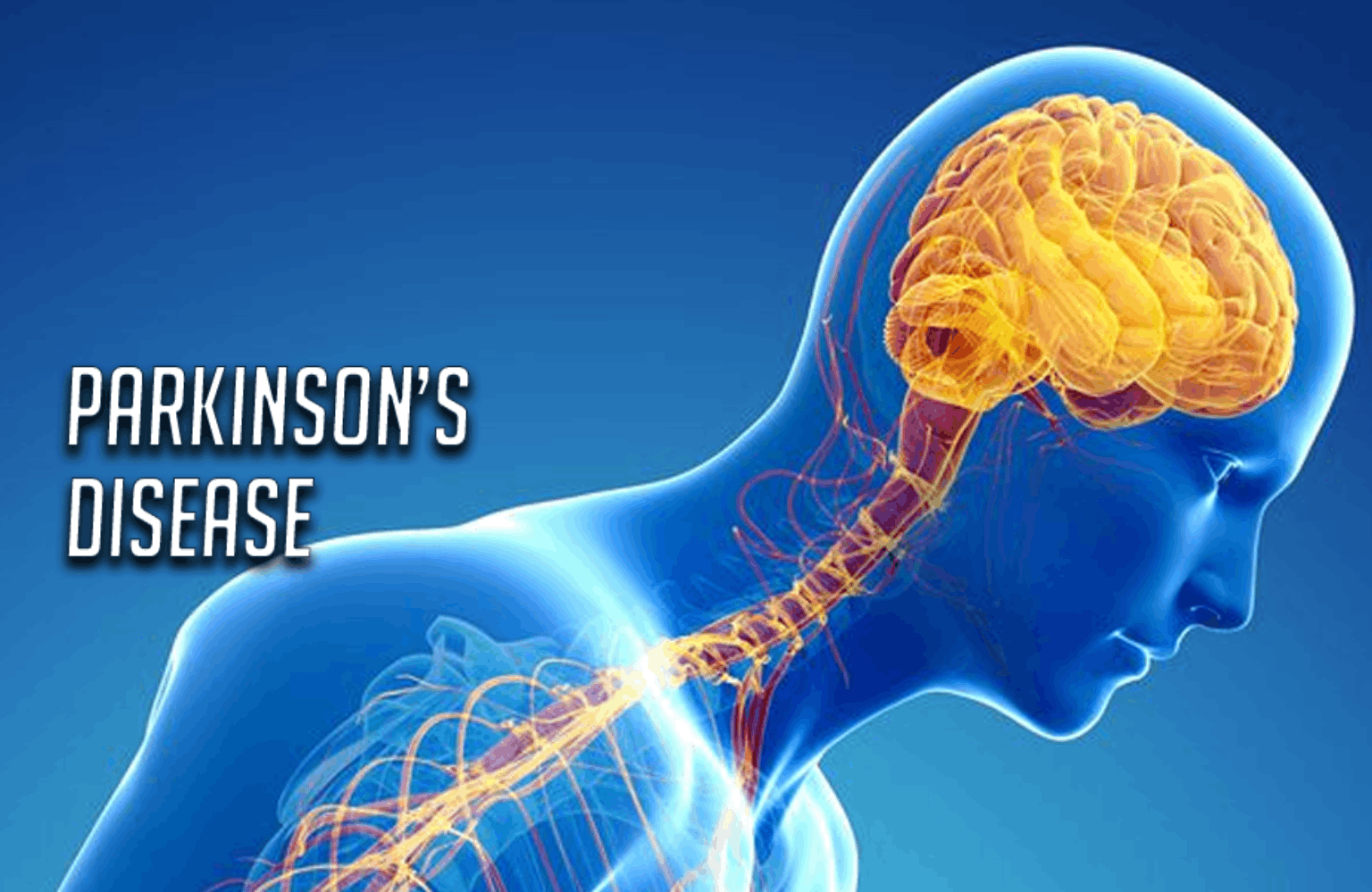
Parkinson's disease correlates with the Ayurvedic condition Kampa Vata characterized by the aggravation of Vata dosha which governs movement and nerve impulses. This imbalance often stems from tissue depletion leading to symptoms like tremors stiffness and bradykinesia. Ayurvedic management focuses on pacifying Vata through Snehana and Swedana therapies. Basti or medicated enema is considered the primary treatment for such neurological disorders as it eliminates toxins and nourishes the body. Additional therapies include Abhyanga application of medicated oils and Pizhichil which involves pouring warm oil over the body to stimulate the neuromuscular system. Herbs like Atmagupta are also utilized as natural nerve tonics to restore stability and strength to the affected motor functions.
Parkinson's disease is a progressive disorder of the nervous system that affects movement. In Ayurveda, this condition is understood as a Vatavyadhi (disease caused by Vata dosha). It is specifically correlated with conditions described as Vepathu (shaking/trembling) or Kampa (tremors), where the aggravated Vata Dosha (air bio-energy) affects the nerves and muscles, leading to loss of control over movement. Modern Ayurvedic clinical handbooks explicitly list Parkinson's disease as a condition treatable with Panchakarma therapies.
Modern Definition: A long-term degenerative disorder of the central nervous system that mainly affects the motor system, characterized by shaking, rigidity, and difficulty with walking.
Ayurvedic Definition: The condition is defined as a manifestation of aggravated Vata, characterized by Vepathu (trembling) or Kampa (tremors). It occurs when the Vata dosha circulates improperly in the body, causing instability and involuntary movements. It is often classified under the 80 specific disorders of Vata (Nanatmaja Vata Vyadhi).
The primary cause is the aggravation of Vata Dosha, which governs the nervous system.
The cardinal symptoms described in ancient texts closely mirror Parkinsonian features:
While not always classified into subtypes, the presentation can vary:
The treatment focuses on Vata Shamana (pacifying Vata) and Brimhana (nourishing the nervous tissue).
World Health Organization (WHO)
Parkinson’s disease – global burden, epidemiology, and care
https://www.who.int/news-room/fact-sheets/detail/parkinsons-disease
National Institute of Neurological Disorders and Stroke (NINDS – NIH)
Parkinson’s disease overview and research
https://www.ninds.nih.gov/health-information/disorders/parkinsons-disease
Centers for Disease Control and Prevention (CDC)
Parkinson’s disease – symptoms, risk factors, and statistics
https://www.cdc.gov/parkinsons-disease/index.html
Mayo Clinic
Parkinson’s disease: symptoms, causes, diagnosis, and treatment
https://www.mayoclinic.org/diseases-conditions/parkinsons-disease/symptoms-causes/syc-20376055
Parkinson’s Foundation
Living with Parkinson’s and care resources
https://www.parkinson.org/understanding-parkinsons
Kampavata (Ayurvedic correlation of Parkinson’s disease)
https://www.ncbi.nlm.nih.gov/pmc/articles/PMC5452224/
Q: Can Ayurveda cure Parkinson's disease?
A: Ayurveda classifies Parkinson's as a Vatavyadhi, which is often considered difficult to cure (Krichrasadhya) but manageable (Yapya). Treatments like Basti (enema) and specific herbs can significantly reduce symptoms and slow progression.
Q: What is the best Ayurvedic therapy for tremors?
A: Basti (medicated enema) is cited as the most important therapy for Vata disorders, including Parkinson's. Additionally, Shirodhara (oil pouring on head) and Pizhichil (oil bath) are highly recommended to calm the nervous system.
Q: Are there natural sources of L-dopa in Ayurveda?
A: Yes. Atmagupta (also known as Kapikacchu or Mucuna pruriens), which is used in formulations like Mahamasha Taila, is a natural source of L-dopa and is traditionally used to treat tremors (Kampa).
Q: What diet should a Parkinson's patient follow?
A: A Vata-pacifying diet is essential. This includes warm, cooked foods, healthy fats (ghee, sesame oil), milk, and sweet fruits. Dry, cold, and raw foods should be avoided.
Written By
Sathyaprek
BDS
Reviewed By
Dr. Varun Gupta
MD Pharmacology, MBBS
Last updated on
Jun 15, 2026 • 06:23 PM (IST)
Read Our Editorial Policy
Want to know more?
Have issue with the content?
Report Problem