

Urinary tract infection Causes and Symptoms
Reviewed by medical experts · For informational purposes only
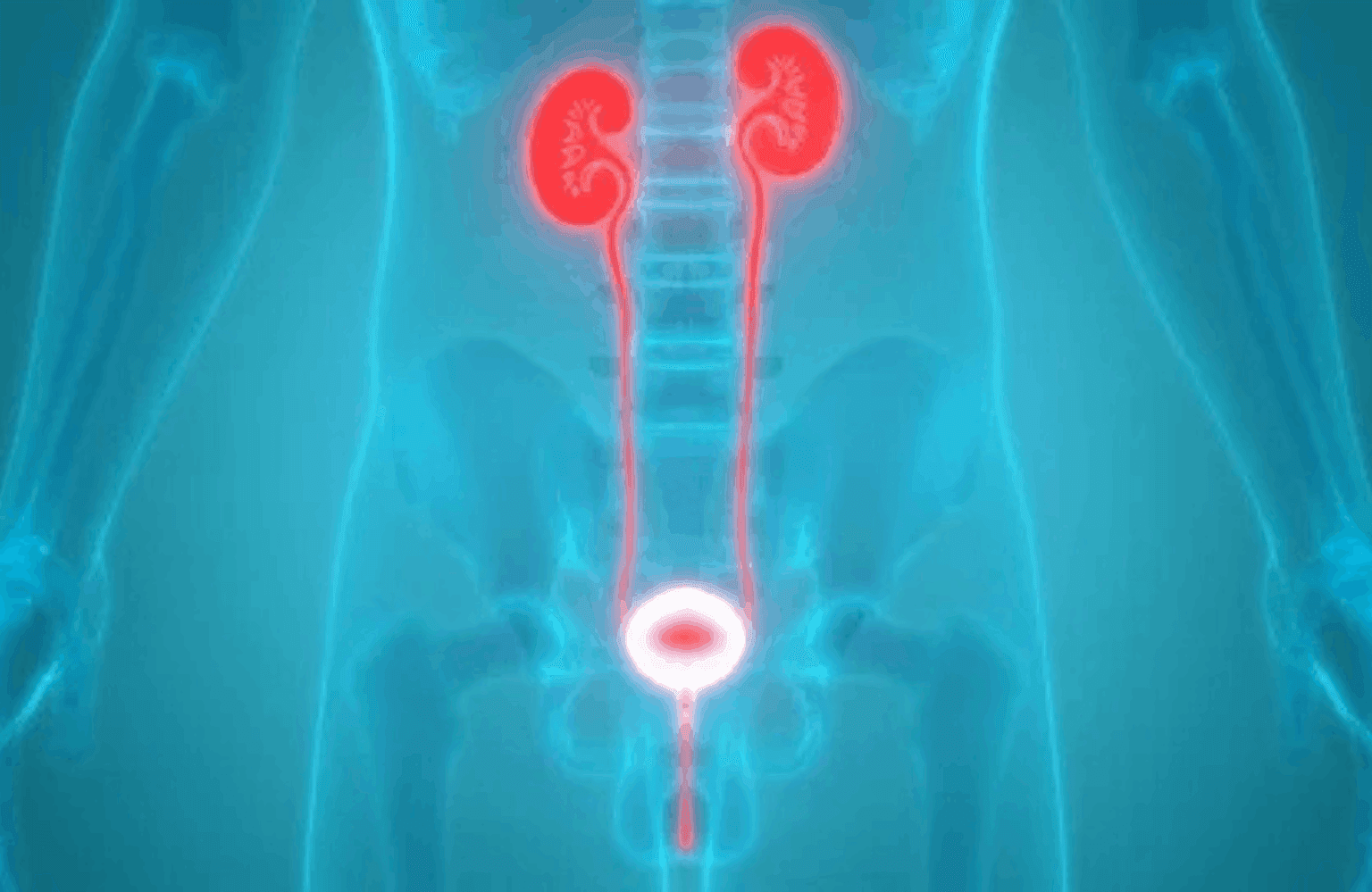
Introductory summary
Urinary tract infection correlates with the Ayurvedic diagnosis of Mutrakrcchra characterized by difficulty and pain in passing urine. It results from the vitiation of Pitta and Vata doshas affecting the bladder and urinary channels often triggered by consuming spicy foods alcohol and suppressing natural urges. Symptoms include intense burning sensation known as Daha frequent urge and discoloration of urine. Ayurvedic management focuses on cleansing the tract and pacifying heat using cooling diuretics like Gokshura Punarnava and Chandana. Potent formulations such as Gokshuradi Guggulu and Chandraprabha Vati are standard treatments. Therapies like Avagaha Sweda or sitz bath and Uttara Basti are highly effective for relieving local inflammation and obstruction.
Urinary Tract Infection
Urinary Tract Infection (UTI) is a common infection that affects any part of the urinary system, including the kidneys, bladder, and urethra. In Ayurveda, the symptoms of UTI—such as burning sensation, pain, and difficulty in urination—are primarily described under the disease heading Mutrakrcchra (difficulty in urination). It is also closely related to Mutraghata (suppression or obstruction of urine) and Mutra-dosa (urinary disorders).
1. Definition
Modern Definition: An infection involving the kidneys, ureters, bladder, or urethra, characterized by pelvic pain, an increased urge to urinate, and burning micturition.
Ayurvedic Definition: Mutrakrcchrais defined as a condition where a patient urinates with great difficulty ( Krcchra) and pain. The vitiated Doshas (bio-energies) affect the urinary channels (Mutravaha srotas), leading to frequent, painful, and obstructed urination.
2. Etymology & Conceptual Meaning
- Mutrakrcchra: Derived from two Sanskrit words: Mutra (Urine) and Krcchra (Difficulty/Pain). It literally translates to "difficulty in passing urine".
- Conceptual Interpretation: Ayurveda views this not merely as an infection but as a structural or functional derangement of the Doshas (Vata, Pitta, Kapha) within the Basti(bladder) . While Vata causes the pain and retention, Pitta is responsible for the burning sensation and infection (inflammation), and Kapha contributes to heaviness and swelling.
3. Causes (Nidana)
The classical text Madhava Nidanaoutlines specific dietary and lifestyle factors that vitiate the Doshas and lead to urinary disorders .
- Dietary Causes:
- Excessive intake of Tikshna (sharp) and Ruksha (dry) foods.
- Consumption of Madya (Alcohol) and meats of marshy animals (Anupa mamsa).
- Adhyashana: Eating before the previous meal has been digested.
- Drinking insufficient water or contaminated water.
- Lifestyle Causes:
- Vegadharana: Suppression of natural urges, specifically the urge to urinate or defecate.
- Ativyayama: Excessive physical exercise or exertion.
- Yana-gamana: Riding on fast-moving animals (like horses) or vehicles excessively.
- Trauma (Abhighata) to the pelvic region.
Global Epidemiology: Globally, UTIs affect approximately 3 million individuals visiting health services each year, with a lifetime incidence of 50-60% in adult women. From 1990 to 2021, the number of UTI cases increased by 66.45%, reaching 4.49 billion cases globally.
4. Journey of the Disease (Pathogenesis/Samprapti)
- Samprapti Ghataka (Components):
- Dosha: Primarily Pitta (infection/burning) and Vata(pain/flow), often involving Kapha .
- Dushya (Tissues): Mutra (Urine) and Rakta (Blood).
- Srotas (Channels): Mutravaha Srotas(Urinary system) .
- Agni: Mandagni (impaired digestion) leading to toxins (Ama) is a contributing factor.
- Adhisthana (Site): Basti (Bladder) and Mehana (Urethra).
- Pathogenesis:
- Due to the etiological factors (like alcohol, spicy food, or suppression of urine), the Doshas get aggravated.
- They enter the Basti(bladder) and pollute the urinary passages ( Mutramarga).
- This leads to inflammation, obstruction, and pain, resulting in the condition known as Mutrakrcchra.
Modern Pathogenesis: UTIs are characterized by bacterial colonization and tissue invasion of urinary tract structures, with E. coli responsible for approximately 68% of infections.
5. Symptoms (Lakshana)
- General Symptoms:
- Ruja: Pain in the bladder region and urethra.
- Muhurmuhur: Frequent urge to urinate.
- Daha: Burning sensation (specifically in Pittaja type).
- Specific Symptoms by Dosha:
- Vataja: Severe pain in the groin and bladder; urine is passed slowly and in small quantities.
- Pittaja: Burning sensation, heat, reddish or yellowish urine, and sometimes hematuria (blood in urine).
- Kaphaja: Swelling (Shopha) in the bladder region, heaviness, and passing of white, slimy urine.
- Raktaja: Passing of blood with urine along with severe burning and pain (Hematuria).
Modern Clinical Presentation: Global studies show UTIs lead to significant economic burden and inconvenience in daily life, with approximately 0.26 million deaths associated with bacterial antimicrobial resistance in UTIs in 2019.
6. Different Types or Classification (Bheda)
Madhava Nidana classifies Mutrakrcchrainto eight types :
- Vataja (Due to Vata)
- Pittaja (Due to Pitta)
- Kaphaja (Due to Kapha)
- Sannipataja (Due to all three Doshas)
- Abhighataja (Due to trauma/injury)
- Shakrtja (Due to suppression of feces/constipation causing pressure)
- Ashmarija (Due to urinary stones/calculi)
- Shukraja (Due to suppression of semen)
(Note: Mutraghata, which refers to urinary retention/obstruction, is classified separately into 13 types such as Vatakundalika and Mutratita)
Modern Classification: UTIs encompass pyelonephritis, cystitis, and urethritis, with the global lifetime risk of developing UTI at 93.70% in 2021, with higher risks in females (96.05%) compared to males (77.27%).
7. Diagnosis
- Ayurvedic Diagnosis (Roga Pariksha):
- Darshana (Observation): Observing the color of urine. Red/Yellow indicates Pitta/Infection; White/Slimy indicates Kapha; Frothy/Scanty indicates Vata.
- Prashna (Questioning): Inquiry about burning sensation, history of holding urine, or recent trauma.
- Differential Diagnosis:
- Distinguished from Ashmari (Calculus/Stones), where pain is severe and stops the flow of urine suddenly.
- Distinguished from Prameha (Diabetes/Polyuria), where urine quantity is generally excessive (Prabhuta), whereas in Mutrakrcchra, it is scanty and painful.
Modern Diagnosis: Diagnosis is based on clinical symptoms (urinary frequency, urgency, and dysuria) and laboratory findings including urine culture. Healthcare-associated UTIs (HAUTIs) are the most common form of healthcare-acquired infection globally.
8. Disease Management
Medicines
Classical Ayurvedic Formulations:
- Gokshuradi Guggulu: A famous preparation used for dysuria, stones, and urinary infections, with strong antimicrobial activity demonstrated in research.
- Chandraprabha Vati: Highly effective for all types of urinary disorders (Mutra roga), inflammation (Shopha), and weakness, with antimicrobial properties and ability to reduce UTI-related discomfort.
- Ushirasava: A cooling fermented preparation used for bleeding disorders (Raktapitta) and burning sensation; beneficial in Pittaja UTI.
- Chandanasava: Used for burning sensation, pus in urine (Shukrameha), and dysuria.
- Punarnavadi Kvatha: A decoction used to reduce swelling (Shopha) and improve kidney function, known for its diuretic properties and anti-inflammatory effects.
- Varunadi Kvatha: Indicated for Ashmari (stones) and severe dysuria.
- Shatavari Ghrita: Medicated ghee used to soothe the urinary tract and cure Pittaja Mutrakrcchra.
- Trinapanchamula: A decoction of five grass roots (like Kusha, Kasha) boiled in milk or water is a specific remedy for burning urination.
Research-Validated Herbs
Clinical studies demonstrate the efficacy of several Ayurvedic herbs:
- Gokshura (Tribulus terrestris): Shows strong antimicrobial activity (Journal of Ethnopharmacology) and helps reduce inflammation, alleviating burning sensation during urination.
- Punarnava (Boerhavia diffusa): Reduces swelling and improves kidney function (PubMed), with proven diuretic and anti-inflammatory properties.
- Chandana (Sandalwood): Provides cooling, anti-inflammatory effects.
Modern Integration
The World Health Organization (WHO) recognizes Ayurveda as a valuable complementary system for managing chronic and recurrent urinary disorders. Ayurveda can be safely combined with modern UTI management—using antibiotics in acute cases and Ayurvedic herbs for recurrence prevention.
Panchakarma
- Basti (Enema): Specifically Uttara Basti(enema administered through the urethra) is considered the most effective treatment for chronic urinary disorders and pain .
- Virechana (Purgation): To eliminate excess Pitta from the body.
- Avagaha Sweda: Sitz bath in warm medicated decoctions to relieve local pain and muscle spasm.
Diet (Ahara)
- Pathya (Beneficial): Old rice, mudga (green gram), milk (Kshira), buttermilk (Takra), grapes (Draksha), dates, and sugarcane juice. Drinking water boiled with coriander (Dhanyaka) is beneficial.
- Apathya (Avoid): Alcohol, excessive salt, sour foods, hot spices, and meats of marshy animals.
9. Prognosis
- Sadhya (Curable): Acute cases (Navina) and those caused by a single Dosha are generally easily curable with proper hydration and medication. Mild UTIs may show improvement within 3-5 days.
- Krichrasadhya (Difficult): Chronic cases or those involving all three Doshas (Sannipataja) are difficult to treat and may require 2-4 weeks of consistent herbal treatment.
- Complications: Untreated Mutrakrcchra can lead to Mutraghata (complete retention) or the formation of Ashmari(stones) .
Global Health Impact: The global deaths due to UTIs were 236,790 in 2019, which increased by 140.18% from 98,590 deaths in 1990. UTIs impose approximately $3.5 billion in annual societal costs.
10. Modern Correlations
- Cystitis/Urethritis: The symptoms of Pittaja Mutrakrcchra(burning, redness) correlate strongly with lower urinary tract infections like cystitis .
- Hematuria: Raktaja Mutrakrcchra correlates with UTIs causing blood in the urine.
- Dysuria: The general term Mutrakrcchra is the direct ayurvedic equivalent of Dysuria.
- Benign Prostatic Hyperplasia (BPH): Some types of Mutraghata (like Ashtila) correlate with BPH, which can predispose patients to UTIs.
11. References
-
PMC - Disease burden and long-term trends of urinary tract infections - Global burden analysis from 1990-2019
-
Nature Scientific Reports - Epidemiological trends of UTIs in GBD 2021 - Comprehensive global epidemiological study
-
PMC - An introduction to epidemiology and burden of UTIs - Healthcare-associated infections analysis
-
Journal of Ayurveda - Case study of UTI and Ayurveda management - Clinical case study on Mutrakrcchra
-
International Research Journal - Mutrakrichchhra Ayurvedic perspective - Traditional Ayurvedic understanding
-
Journal of Ayurvedic Medicine - Mutrakruchha in Ayurvedic literature - Classical text analysis
-
PMC - Epidemiological trends and predictions of UTIs - Global Burden of Disease Study 2021
12. FAQ Section
Q: What is the best Ayurvedic herb for burning urination?
A: Gokshura (Tribulus terrestris) and Chandana (Sandalwood) are highly effective. Ushirasava is a liquid preparation often prescribed for burning sensation. Gokshura shows strong antimicrobial activity according to Journal of Ethnopharmacology studies.
Q: Can Ayurveda cure chronic UTI?
A: Yes, Ayurveda manages chronic UTI by treating the root cause, usually through Panchakarma (like Uttara Basti) and immune-boosting herbs like Chandraprabha Vati and Shilajatu to prevent recurrence. Clinical studies show improvements can be seen within a few days to a couple of weeks with consistent treatment.
Q: Is drinking milk good for UTI?
A: Yes, milk is cooling and helps pacify Pitta. Formulations like Trinapanchamula (grass roots) boiled in milk are specifically prescribed for Pittaja Mutrakrcchra to relieve pain and burning.
Q: What lifestyle change is most important to prevent UTI according to Ayurveda?
A: Avoiding Vegadharana (suppression of the urge to urinate) is the most critical preventative measure. Holding urine aggravates Vata and leads to infection and stones.
Q: What is the global burden of UTIs?
A: Globally, UTIs affect approximately 4.49 billion cases as of 2021, with cases increasing by 66.45% from 1990. The global lifetime risk of developing UTI is 93.70%, with significantly higher risks in females (96.05%) compared to males (77.27%).
Q: How effective are Ayurvedic treatments compared to antibiotics?
A: WHO recognizes Ayurveda as valuable for managing chronic and recurrent urinary disorders. Studies show Ayurveda can be safely combined with modern UTI management—using antibiotics in acute cases and Ayurvedic herbs for recurrence prevention. Research demonstrates antimicrobial and anti-inflammatory properties of herbs like Punarnava and Gokshura.
Q: What are the most commonly prescribed Ayurvedic medicines for UTI?
A: Chandraprabha Vati, Punarnava Mandoor, and Gokshura capsules are commonly prescribed by Ayurvedic doctors. These formulations help by balancing pitta and vata, providing antibacterial and pain relief effects, and repairing the urinary tract.
Q: How long does Ayurvedic treatment take to cure UTI?
A: Mild UTIs may show improvement within 3-5 days, while chronic infections may require 2-4 weeks of consistent herbal treatment and lifestyle changes. The duration varies based on severity of infection and individual health conditions, with improvements generally visible within a few days to a couple of weeks.
Q: What are the future projections for UTI burden globally?
A: Age-standardized incidence, prevalence, and disability-adjusted life years rates are projected to increase until 2050. This emphasizes the importance of preventive strategies and integrated approaches combining traditional and modern medicine.
Consult a Doctor
- AI4.9Dr. Aayush Ishwar
Ayurveda2 yrs exp
- SJ3.9SUMEDH JOSHI
Ayurveda7 yrs exp
- VH3.9Vaidya Harsh
Ayurveda9 yrs exp
- GG3.0Dr GN Govinda
Ayurveda1 yrs exp
More on Urinary tract infection Causes and Symptoms
Buy Medicine
 Prescribed to you4.5₹12 cashback
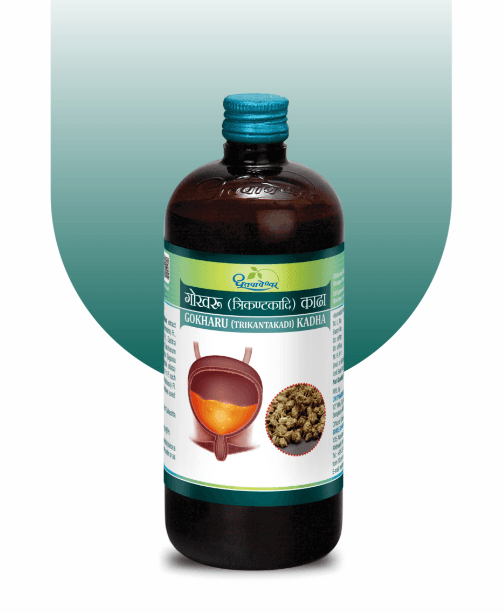
Gokharu Kadha (Dhootapapeshwar) SDL
SDLUrinary comfort and flow
Bottle of 200 ml
4.5
₹125Get ₹12 Cashback
₹13910% off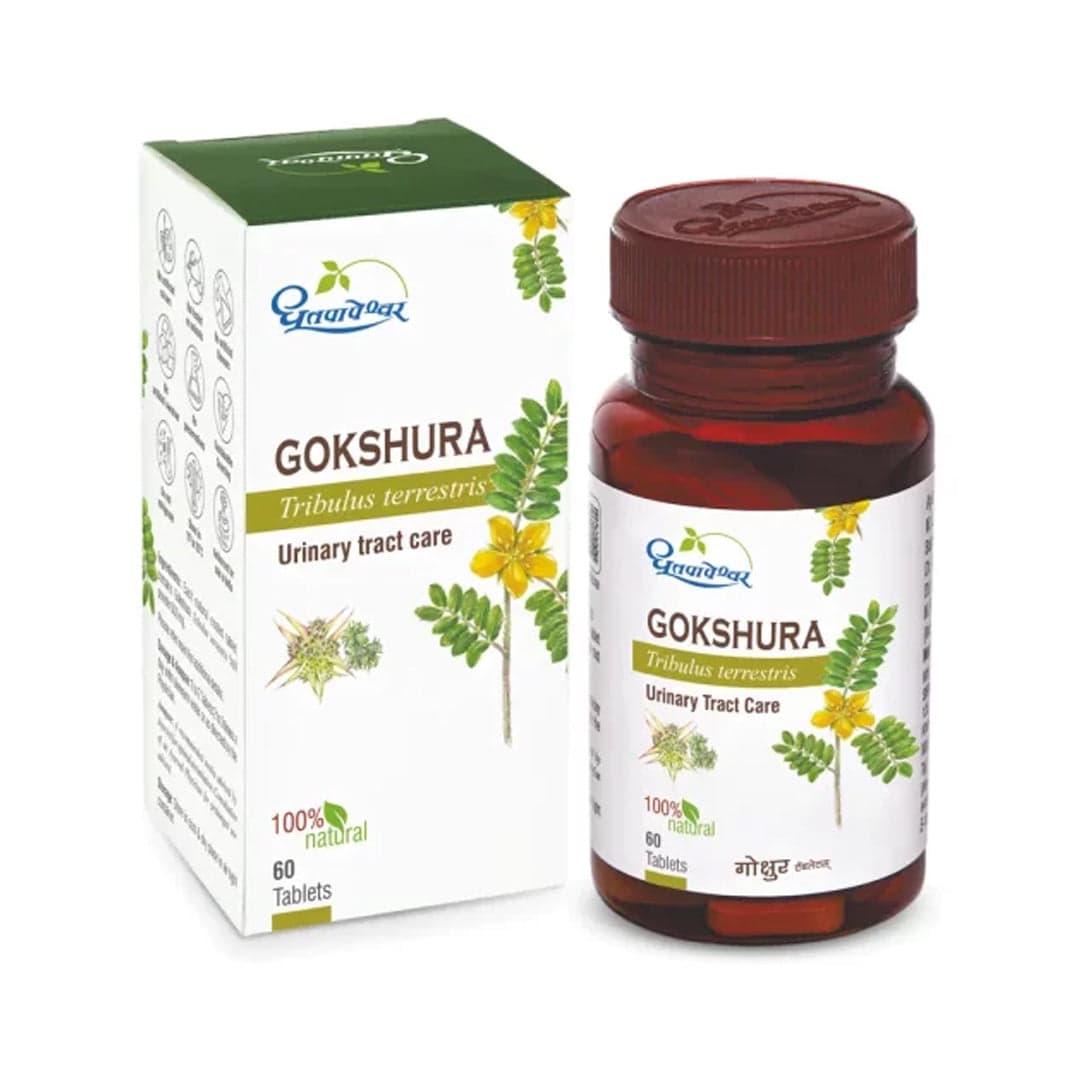 Prescribed to you4.6₹15 cashback
Gokshura Tablets (Dhootapapeshwar)SDLUrinary and joint support
Strip of 60 Tablets
4.6
₹156Get ₹15 Cashback
₹18214% off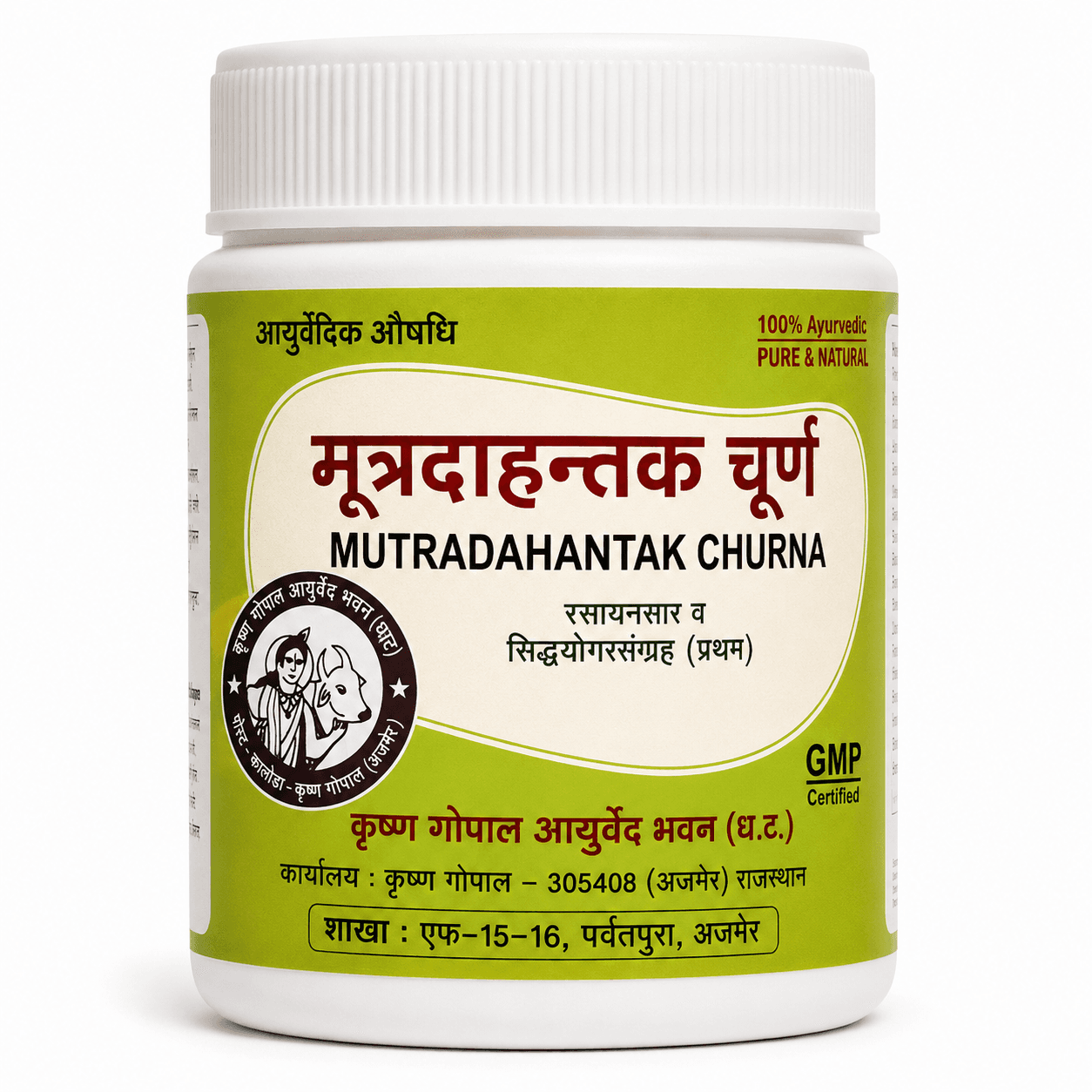 Prescribed to you4.5₹6 cashback
Mutradahantak Churna (Kalera) Kalera
Daily support for urinary burning
Container of 10 g
4.5
₹60Get ₹6 Cashback
₹6913% off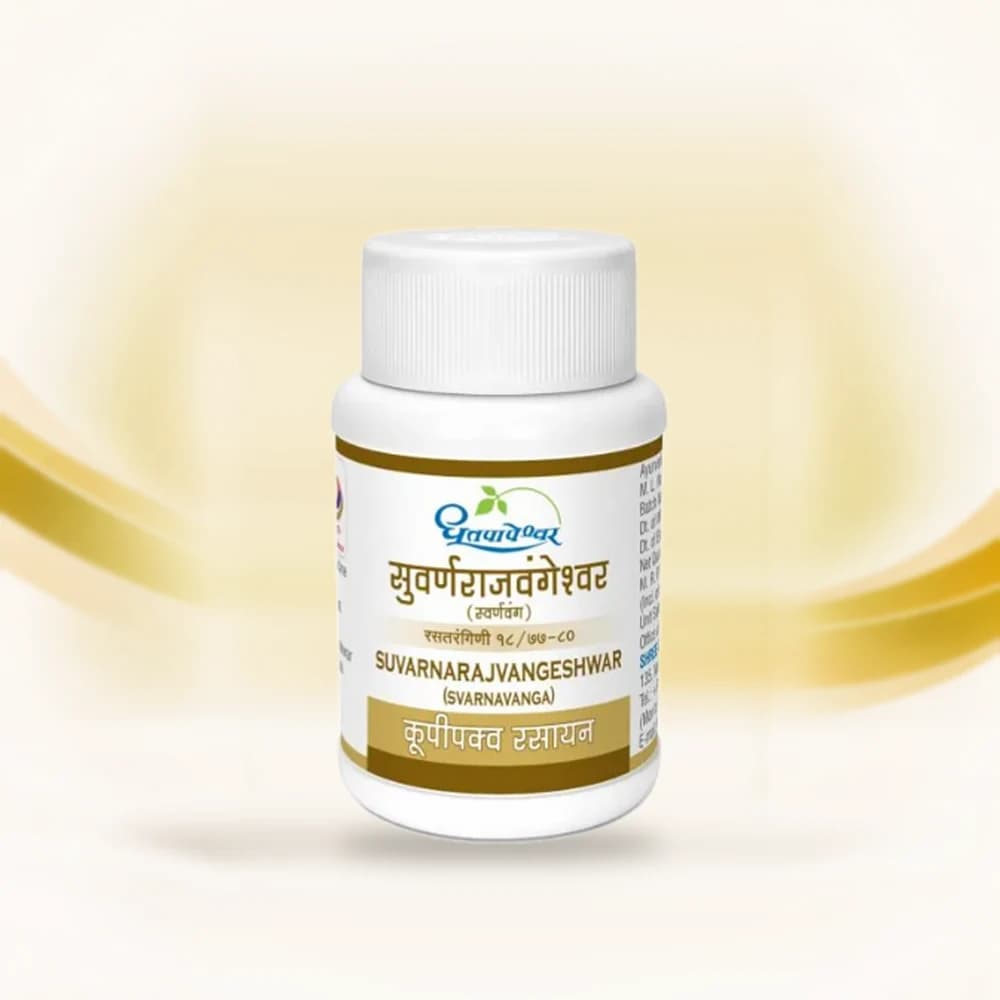 Prescribed to you4.5₹52 cashback
Suvarnarajvangeshwar (Svarnavanga) (Dhootapapeshwar) | SUVARNARAJ VANGESHWARSDLSupports urinary system
Container of 5 g
4.5
₹522.01Get ₹52 Cashback
₹60714% off
