Kapur Kachri Benefits and Uses
Reviewed by medical experts · For informational purposes only
Introductory summary
Kapur Kachri known as Sati in Ayurveda consists of the dried rhizome of Hedychium spicatum. It possesses Pungent Bitter and Astringent tastes with Light and Sharp qualities. Due to its Hot potency and Pungent post digestive effect it effectively pacifies Kapha and Vata doshas. It is a potent Mukhasodhana or mouth cleanser often used to treat bad breath and oral diseases. Therapeutically it acts as Sulahara relieving colic and abdominal pain and is highly valued for respiratory disorders like cough asthma and hiccup due to its ability to cut through mucus. It also aids digestion and treats diarrhea. Common formulations include Chyavanaprash and Agastyaharitaki Rasayana with a recommended dosage of 1 to 3 grams of the powder.
Kapur Kachri
Kapur Kachri, scientifically known as Hedychium spicatum, is a rhizomatous aromatic herb. In Ayurveda, it is known as Sati or Gandhamulika. It is highly valued for its camphoraceous aroma and its ability to treat respiratory and digestive disorders. It is a key ingredient in several famous Ayurvedic formulations, including Chyavanaprash and Agastyaharitaki Rasayana, utilized for its heating and penetrating properties to clear blockages in the body.
1. Name of the Herb
- Common Name: Spiked Ginger Lily, Kapur Kachri.
- Scientific Name: Hedychium spicatum Ham. ex Smith.
- Sanskrit Names: Śa¶h¢, Gandham£lik¡, Palaº¢, Suhimal¢.
- Regional Names: Kapurkachri (Hindi/Gujarati), Kachri (Bengali), Kapurakachari (Marathi), Poolankizangu (Tamil), Gandha Kachuralu (Telugu), Kachur (Punjabi).
2. Brief Description
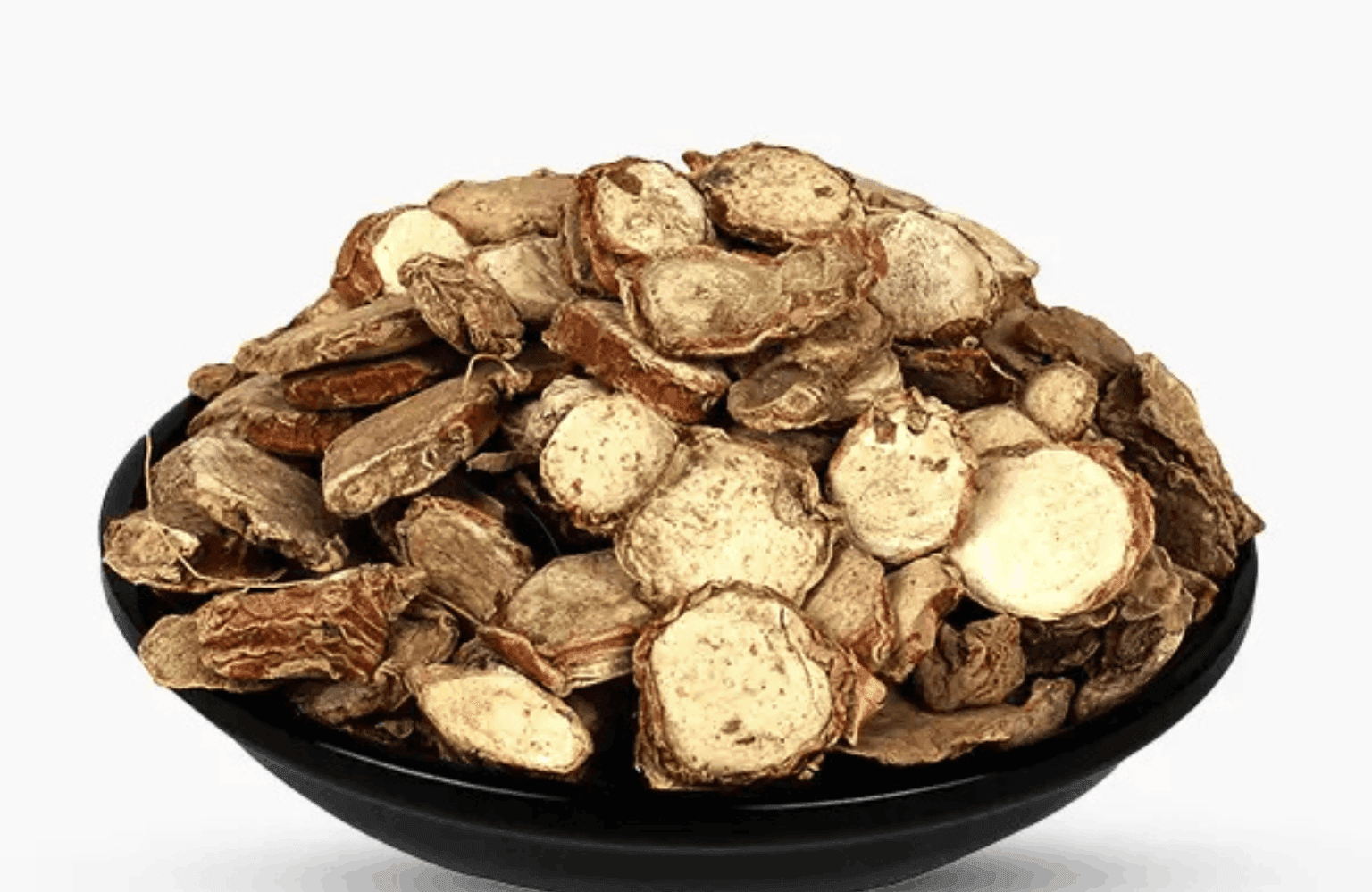
Kapur Kachri is a perennial rhizomatous herb that grows in the Himalayan region. The medicinal part is the rhizome, which is about 15-20 cm long, externally yellowish-brown, and marked with circular rings. It possesses a strong, camphor-like (camphoraceous) odor and a bitter taste. In Ayurveda, it is considered a powerful Mukhaśodhana (mouth cleanser) and Śūlahara (colic reliever). It is extensively used to treat respiratory ailments like asthma and cough due to its hot potency.
3. Source / Part Used
- Plant Source: Herbal / Plant-based.
- Part Used: Rhizome (Dried).
4. Ayurvedic Properties
According to the Ayurvedic Pharmacopoeia of India (Vol. I):
- Rasa (Taste): Katu (Pungent), Tikta (Bitter), and Kaṣāya (Astringent).
- Guna (Qualities): Laghu (Light) and Tīkṣṇa (Sharp/Penetrating).
- Virya (Potency): Uṣṇa (Hot).
- Vipaka (Post-digestive effect): Katu (Pungent).
- Dosha Effect: Kaphavātaghna (Pacifies Kapha and Vata doshas).
5. Key Benefits
- Relieves Pain: It acts as Śūlahara, effectively relieving colic and abdominal pain.
- Respiratory Support: Beneficial for Śvāsa (Asthma) and Kāsa (Cough).
- Digestive Aid: Acts as Grāhī (absorbent/binder), helping in diarrhea, and relieves Chardi (vomiting).
- Oral Health: Acts as Mukhaśodhana, cleansing the mouth and removing bad breath.
- Skin Health: Useful in treating Kandu (Itching).
6. Uses / Indications
Kapur Kachri is indicated in Ayurveda for the following conditions:
- Respiratory Disorders: Kāsa (Cough), Śvāsa (Dyspnoea/Asthma), and Hikkā (Hiccup).
- Digestive Disorders: Śūla (Colic/Pain), Aruci (Anorexia/Tastelessness), Chardi (Vomiting), and Atisāra (Diarrhea).
- Oral Conditions: Mukharoga (Diseases of the mouth) and Durgandha (Bad breath/Halitosis).
- Skin: Kandu (Itching) and Vraṇa (Ulcers).
7. How It Works
- Kapha-Vata Pacification: Due to its Uṣṇa (Hot) potency and Tīkṣṇa (Sharp) quality, it cuts through thick mucus (Kapha) in the respiratory tract, making it effective for asthma and cough.
- Digestive Action: Its Katu (Pungent) and Tikta (Bitter) tastes stimulate appetite (Dīpana) and clear the throat.
- Absorbent Action: As a Grāhī agent, it helps bind loose stools, making it useful in diarrhea.
- Mouth Cleansing: Its aromatic and sharp qualities help remove bad breath and cleanse the oral cavity.
8. Dosage
The recommended dosage according to the Ayurvedic Pharmacopoeia of India is:
- Powder (Churna): 1 to 3 grams.
9. Safety Information
Kapur Kachri is generally considered safe when used in the recommended dosage. It is a standard ingredient in safe, widely consumed formulations like Chyavanaprash and Agastyaharitaki Rasayana.
10. Side Effects
- No specific severe side effects are reported in the provided Ayurvedic texts when used in therapeutic doses.
- Due to its Uṣṇa (Hot) and Tīkṣṇa (Sharp) nature, excessive intake might cause sensation of heat in people with high Pitta.
11. Precautions
- Pitta Prakriti: Individuals with high body heat or Pitta constitution should use it with caution due to its heating nature.
- Pregnancy: Always consult an Ayurvedic physician before using medicinal rhizomes during pregnancy.
12. Storage Instructions
- Store the dried rhizomes or powder in air-tight containers.
- Keep in a cool, dry place to preserve its volatile essential oils and camphoraceous aroma.
13. References
-
WHO Monographs on Selected Medicinal Plants
(World Health Organization – General medicinal plant monographs)
https://apps.who.int/iris/handle/10665/42052
-
WHO Global Report on Traditional and Complementary Medicine
https://www.who.int/publications/i/item/9789241515436
-
Ayurvedic Pharmacopoeia of India (API) – Shati
https://www.ayush.gov.in
-
PubMed – Hedychium spicatum Research Articles
https://pubmed.ncbi.nlm.nih.gov/?term=Hedychium+spicatum
-
NCBI Taxonomy Database – Hedychium spicatum
https://www.ncbi.nlm.nih.gov
-
ScienceDirect – Hedychium spicatum Phytochemistry & Pharmacology
https://www.sciencedirect.com
-
SpringerLink – Research on Shati / Kapur Kachri
https://link.springer.com
-
Kew Science – Plants of the World Online (Hedychium spicatum)
https://powo.science.kew.org
-
World Flora Online – Hedychium spicatum
https://www.worldfloraonline.org
-
Bhavaprakasha Nighantu – Shati Description
https://niimh.nic.in/ebooks
-
Dhanvantari Nighantu – Shati Reference
https://niimh.nic.in/ebooks
14. FAQs
** **Q. Can it be taken daily?
It is generally taken as part of formulations (like Chyavanaprash) daily. As a single herb powder, it is used for specific periods to treat respiratory or digestive issues.
Q. When should it be taken?
For respiratory issues, it is often taken with honey or warm water. For oral health, it can be chewed or used in gargles.
Q. Can it be taken with milk/water?
Yes, the powder can be taken with warm water or honey.
Consult a Doctor
- KC5.0Dr. Kamesh chand sharma
Ayurveda2 yrs exp
- PP4.4Dr prince patel
Ayurveda22 yrs exp
- KH4.4Dr Kowshalya H S
Ayurveda3 yrs exp
- AK4.8Dr. Amalnath K Viswanathan
Ayurveda4 yrs exp