Thyme Benefits and Uses
Reviewed by medical experts · For informational purposes only
Introductory summary
Thyme known in Ayurveda as the source of Yavani Satva or Thymol refers to the crystalline phenolic extract obtained from the volatile oil of Thymus vulgaris or Trachyspermum ammi. It appears as colourless crystals with a pungent aromatic odour. According to the Ayurvedic Pharmacopoeia of India it possesses Pungent and Bitter tastes with Light Dry and Sharp qualities. It has a Hot potency and Pungent post digestive effect acting as a powerful digestive stimulant carminative and analgesic. Its sharp nature helps balance Vata and Kapha doshas. Therapeutically it is indicated for digestive disorders like indigestion abdominal colic and worm infestations including hookworms. It is also used for rheumatism skin diseases and toothache due to its antimicrobial properties with a dosage of 25 to 125 mg,,,.
Thyme
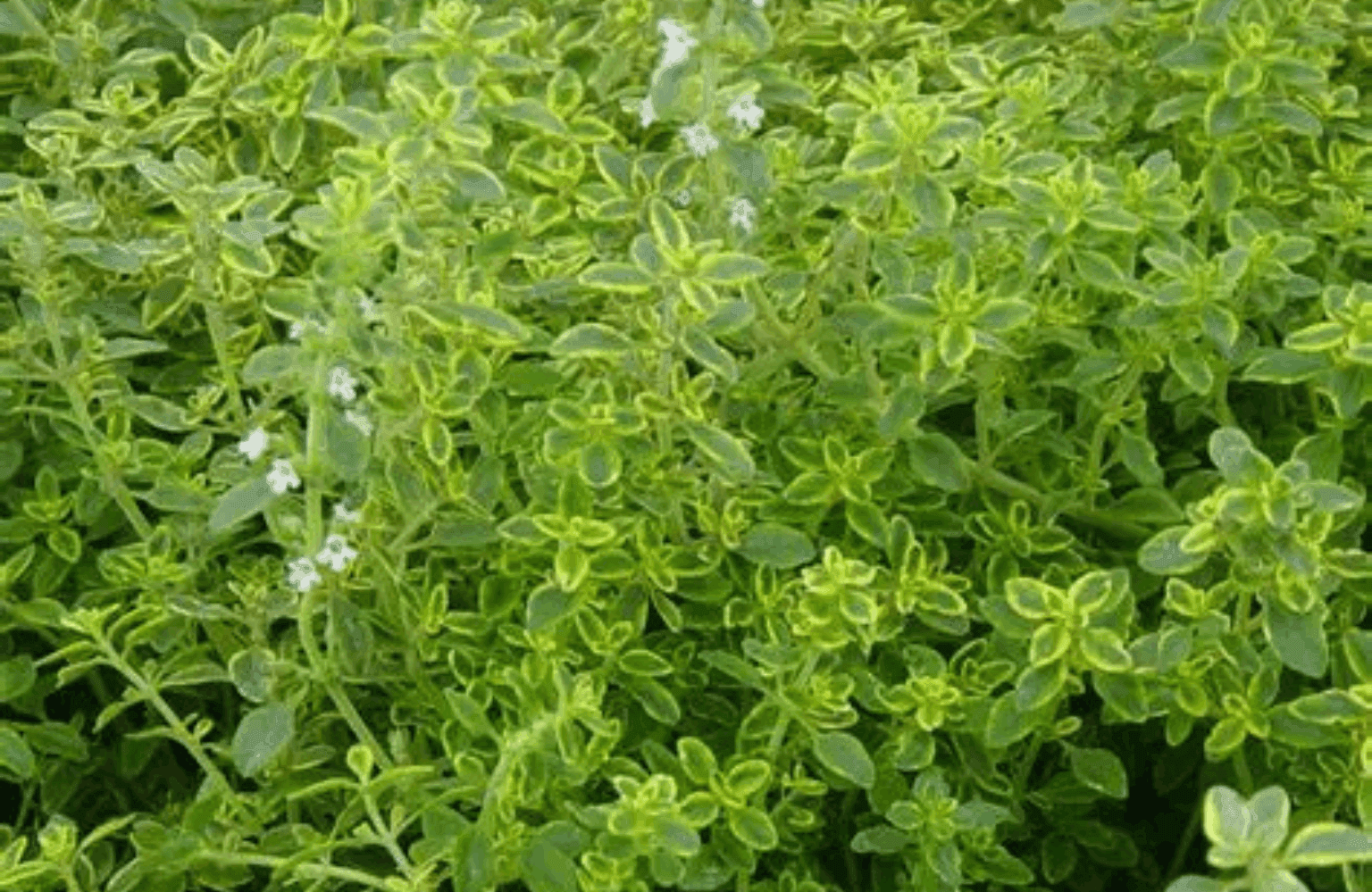
Thyme (Thymus vulgaris) is a celebrated aromatic herb used globally. In Ayurveda, it is valued for its volatile oil, which yields a crystalline phenolic component known as Yavani Satva (Thymol). This concentrated extract is a potent antimicrobial and analgesic agent, highly effective in treating digestive disorders, skin infections, and severe pain conditions like rheumatism and toothache.
1. Name of the Herb
- Common Name: Thyme (yielding Thymol), Bishop's Weed extract.
- Scientific Name: Thymus vulgaris L. (also obtained from Trachyspermum ammi (L.) Sprague).
- Ayurvedic Name: Yavānī Satva, Yamāni Ghanasāra.
- Regional Names: Sat-ajavayan (Urdu), Ajvaayan kaa Sat (Punjabi), Ovaa phul (Marathi).
2. Brief Description
The drug Yavani Satva consists of colourless crystals or white crystalline powder obtained from the volatile oil of Thymus vulgaris. It possesses a pungent, aromatic, thyme-like odour and a pungent taste. In Ayurveda, it is not used merely as a spice but as a powerful medicine (Ausadha) for acute conditions involving pain, worms, and indigestion. It is considered a "sharp" and "hot" remedy that quickly penetrates tissues to clear obstruction and infection.
3. Source / Part Used
- Plant Source: Herbal / Plant-based.
- Part Used: Satva (Crystalline extract/Thymol obtained from the volatile oil of the plant).
4. Ayurvedic Properties
According to the Ayurvedic Pharmacopoeia of India:
- Rasa (Taste): Kaṭu (Pungent) and Tikta (Bitter).
- Guna (Qualities): Laghu (Light), Rūkṣa (Dry), and Tīkṣṇa (Sharp).
- Virya (Potency): Uṣṇa (Hot).
- Vipaka (Post-digestive effect): Kaṭu (Pungent).
- Dosha Effect: Kapha-Vatahara (Pacifies Kapha and Vata doshas). Due to its hot and sharp nature, it increases Pitta.
5. Key Benefits
- Relieves Pain: Acts as a potent Śūlaghna (analgesic) and Vedanāśāmaka (pain reliever), effective for joint and organ pain.
- Destroys Worms: Possesses strong Kṛmighna (anthelmintic) properties, useful against intestinal worms like hookworms.
- Supports Digestion: Acts as Dīpana (appetizer) and Pācana (digestive), clearing toxic waste (Ama).
- Clears Respiratory Congestion: Acts as Śleṣmaghna, reducing mucus and phlegm.
- Antiseptic: Known as Viṣaghna (anti-poison/anti-toxin) and Pratidūṣaka (anti-infective).
6. Uses / Indications
Yavani Satva (Thyme extract) is indicated in Ayurveda for the following conditions:
- Digestive Disorders: Ajīrṇa (Indigestion), Aruci (Tastelessness), Chardi (Vomiting), Gulma (Abdominal lump), and Udaraśūla (Abdominal pain).
- Joint & Muscle Issues: Āmavāta (Rheumatism), Sandhiśūla (Joint pain), and Kaṭiśūla (Lower back pain).
- Oral Health: Dantaśūla (Toothache) — often applied locally.
- Worm Infestation: Kṛmi and Aṅkuśa kṛmi (Hookworms).
- Urinary: Mūtrakṛcchra (Dysuria/painful urination).
- Skin: Tvakroga (Skin diseases) due to its antiseptic nature.
7. How It Works
- Stimulant & Carminative: It acts as an Uttejaka (stimulant) and Vātānulomana (carminative), moving stagnant Vata (gas/wind) downward to relieve bloating and distension.
- Scraping Action: Its Lekhana (scraping) property helps remove excess mucus and fat from the channels.
- Counter-Irritant: When applied or ingested, its Tīkṣṇa (sharp) and Uṣṇa (hot) qualities immediately counter cold, stagnated Vata and Kapha, providing relief from pain and stiffness.
8. Dosage
(General guidance for the Crystalline Extract/Satva):
- Crystals/Powder: 25 to 125 mg.
- Note: Because this is a concentrated extract (Satva), the dosage is significantly lower than standard herbal powders.
9. Safety Information
- Yavani Satva is highly potent. It should be used strictly within the recommended dosage.
- It sinks in cold water but melts when the temperature is raised to about 45°C.
10. Side Effects
- Burning Sensation: Due to its Uṣṇa (Hot) and Tīkṣṇa (Sharp) nature, overdosing can cause a burning sensation in the stomach or throat.
- Skin Irritation: Direct application of undiluted crystals on the skin or mucous membranes can be caustic and cause irritation.
11. Precautions
- Pitta Prakriti: Individuals with high body heat (Pitta constitution) should use it with caution.
- Pregnancy: Consult an Ayurvedic physician before use, as strong heating emmenagogues are generally restricted.
12. Storage Instructions
- Store in a well-filled, well-closed container.
- Keep in a cool place and protect from light to prevent the crystals from liquefying or losing potency.
13. References
-
WHO Monographs on Selected Medicinal Plants – Thymus vulgaris
https://apps.who.int/iris/handle/10665/42052
-
WHO Global Report on Traditional and Complementary Medicine
https://www.who.int/publications/i/item/9789241515436
-
European Medicines Agency (EMA) – Thymi herba / Thymi aetheroleum
https://www.ema.europa.eu/en/medicines/herbal/thymi-herba
-
ESCOP Monographs – Thyme Herb & Oil
https://escop.com
-
German Commission E Monographs – Thyme
https://www.herbal-ahp.org
-
FAO Ecocrop Database – Thymus vulgaris
https://ecocrop.fao.org
-
British Pharmacopoeia – Thymus vulgaris
https://www.pharmacopoeia.com
-
PubMed – Thymus vulgaris Research Articles
https://pubmed.ncbi.nlm.nih.gov/?term=Thymus+vulgaris
-
NCBI Taxonomy Database – Thymus vulgaris
https://www.ncbi.nlm.nih.gov
-
ScienceDirect – Thyme Phytochemistry & Pharmacology
https://www.sciencedirect.com/topics/pharmacology-toxicology-and-pharmaceutical-science/thymus-vulgaris
14. FAQs
** **Q. Can it be taken daily?
No, Yavani Satva (Thymol) is a potent medicinal extract usually prescribed for specific acute conditions (like colic or toothache) rather than as a daily nutritional supplement.
Q. When should it be taken?
It is typically taken when symptoms of indigestion, pain, or worm infestation are present.
Q. Can it be taken with milk/water?
It is often administered with suitable vehicles like honey or warm water. For local application (e.g., toothache), a small crystal is placed directly on the affected area or dissolved in oil.
Consult a Doctor
- NG5.0Dr Nandini gaur
Ayurveda1 yrs exp
- KC5.0Dr. Kamesh chand sharma
Ayurveda2 yrs exp
- PP4.4Dr prince patel
Ayurveda22 yrs exp
- KH4.4Dr Kowshalya H S
Ayurveda3 yrs exp