Vasaka Uses and Properties
Reviewed by medical experts · For informational purposes only
Introductory summary
Vasaka scientifically known as Adhatoda vasica is a potent Ayurvedic herb extensively used for respiratory and bleeding disorders. Known as Vasa or Vrsa in Sanskrit it possesses Bitter and Astringent tastes with Light qualities. Its Cold potency and Pungent post digestive effect make it highly effective in pacifying Kapha and Pitta doshas. It is a premier remedy for Raktapitta or bleeding disorders acting as a haemostatic agent. Therapeutically it treats cough asthma and phthisis by liquefying sputum and clearing air passages. It is also beneficial for heart health and skin diseases. Key formulations include Vasakarishta and Vasavaleha. The recommended dosage for fresh leaf juice is 10 to 20 ml to support respiratory health and blood purification.
Vasaka
Vasaka, scientifically known as Adhatoda vasica, is a prominent medicinal plant in Ayurveda, renowned for its effectiveness in treating respiratory and bleeding disorders. It is a powerful expectorant and bronchodilator, making it a primary herb for managing cough, asthma, and bronchitis. In Ayurvedic texts, it is often referred to as Vasa or Vrsa and is classified as a specific remedy for Raktapitta (bleeding disorders) due to its cooling and astringent properties.
1. Name of the Herb
- Common Name: Vasaka, Malabar Nut.
- Scientific Name: Adhatoda vasica Nees (Synonym: Adhatoda zeylanica Medic.) (Family: Acanthaceae).
- Sanskrit Names: Vāsā, Vṛṣa, Ātarūṣa, Vāsaka, Siṃhāsya, Vājidanta.
- Regional Names: Adulso (Gujarati), Adusa/Arusa (Hindi/Punjabi), Adusoge (Kannada), Atalotakam (Malayalam), Adulsa (Marathi), Adathodai (Tamil), Addasaramu (Telugu).
2. Brief Description
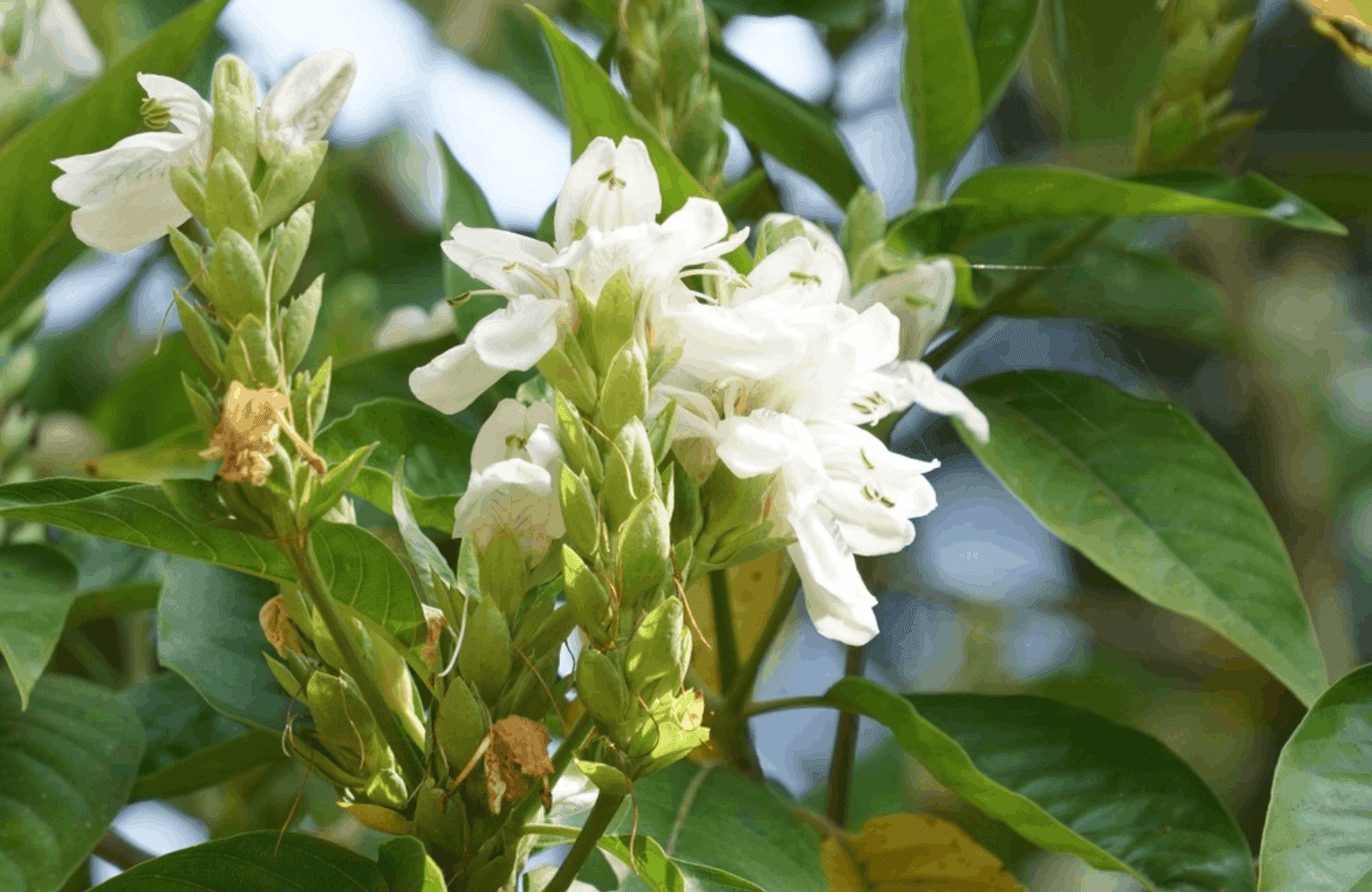
Vasaka is a sub-herbaceous bush that grows throughout the plains and sub-Himalayan tracts of India, ascending up to 1200 meters. It has lanceolate leaves and white flowers. In Ayurveda, it is highly valued as a Hrdya (beneficial for the heart) and Kasaghna (destroyer of cough) agent. It is considered a premier herb for clearing the respiratory passages and stopping internal hemorrhage.
3. Source / Part Used
- Plant Source: Herbal / Plant-based (Bush).
- Part Used:
4. Ayurvedic Properties
According to the Ayurvedic Pharmacopoeia of India:
- Rasa (Taste): Tikta (Bitter) and Kaṣāya (Astringent).
- Guna (Qualities): Laghu (Light).
- Virya (Potency): Śīta (Cold).
- Vipaka (Post-digestive effect): Kaṭu (Pungent).
- Dosha Effect: Kapha-Pitta Hara (Pacifies Kapha and Pitta doshas).
5. Key Benefits
- Stops Bleeding: Acts as Raktasangrahika, checking bleeding from the nose, mouth, and other orifices.
- Relieves Cough: A potent Kasaghna, effective against chronic and acute coughs.
- Supports Heart Health: Classified as Hrdya, serving as a tonic for the heart.
- Treats Skin Disorders: Beneficial in managing Kushtha (skin diseases).
- Aids Breathing: Helps alleviate Svasa (Asthma/Dyspnoea) by clearing airways.
6. Uses / Indications
Vasaka is indicated in Ayurveda for the following conditions:
- Respiratory Disorders: Kasa (Cough), Svasa (Asthma/Dyspnoea), and Kshaya (Phthisis/Tuberculosis).
- Bleeding Disorders: Raktapitta (Bleeding disorders such as epistaxis or heavy menstruation).
- Metabolic & Liver Issues: Prameha (Urinary disorders/Diabetes) and Kamala (Jaundice).
- Skin Health: Kushtha (Leprosy/Skin diseases).
- Fever: Used in conditions like Jvara (Fever) and Sannipata Jvara (High-grade fever due to vitiation of all doshas) when combined with other herbs.
7. How It Works
- Expectorant & Bronchodilator: The Tikta (Bitter) taste and Katu (Pungent) post-digestive effect help liquefy and expel thick Kapha (mucus) from the respiratory tract, relieving congestion and asthma.
- Haemostatic: Its Sheeta (Cold) potency and Kashaya (Astringent) taste cool the blood and constrict capillaries, making it highly effective in stopping internal and external bleeding (Raktapitta).
- Anti-Inflammatory: It pacifies Pitta and Kapha, reducing inflammation in the respiratory lining and skin.
8. Dosage
(General guidance based on Ayurvedic Pharmacopoeia of India):
- Fresh Juice (Svarasa): 10 to 20 ml.
- Dried Drug (for Decoction): 10 to 20 grams.
- Fermented Tonic (Vasakarishta): 12 to 24 ml.
9. Safety Information
Vasaka is considered safe when taken in recommended doses. It is a key ingredient in many standard Ayurvedic formulations such as Vasakarishta and Vasavaleha, which are widely used for respiratory health.
10. Side Effects
- Gastric Upset: Large doses of fresh juice may cause vomiting or nausea in people with sensitive stomachs due to its emetic properties (in high concentrations).
- Dryness: Prolonged excessive use may cause dryness due to its astringent nature.
11. Precautions
- Pregnancy: Vasaka is included in formulations like Phala Ghrita, which is indicated for Garbhini Roga (disorders during pregnancy), suggesting it can be used under medical supervision. However, as with all potent herbs, professional advice is recommended.
- Dosage: Adhere to the specific dosage, especially when using fresh juice, as it is potent.
12. Storage Instructions
- Leaves should be stripped off from older stems and dried in drying sheds.
- Store in a cool, dry place away from moisture to prevent mold growth.
13. References
-
Ayurvedic Pharmacopoeia of India (API) – Vasaka Monograph
https://pcimh.gov.in
-
WHO Monographs on Selected Medicinal Plants
https://apps.who.int/iris/handle/10665/42052
-
WHO Global Report on Traditional and Complementary Medicine
https://www.who.int/publications/i/item/9789241515436
-
USDA Plants Database – Justicia adhatoda
https://plants.sc.egov.usda.gov
-
PubMed – Justicia adhatoda Research
https://pubmed.ncbi.nlm.nih.gov/?term=Justicia+adhatoda
-
PubMed – Adhatoda vasica
https://pubmed.ncbi.nlm.nih.gov/?term=Adhatoda+vasica
-
ScienceDirect – Vasaka pharmacology
https://www.sciencedirect.com
-
Wiley Online Library – Vasaka research
https://onlinelibrary.wiley.com
-
Google Scholar – Vasaka medicinal properties
https://scholar.google.com
14. FAQs
** **Q. Can it be taken daily?
It is typically taken therapeutically for specific conditions like cough or bleeding rather than as a daily supplement for healthy individuals.
Q. When should it be taken?
It is often taken with honey or sugar to mask the bitter taste, usually during respiratory distress or bleeding episodes.
Q. Can it be taken with milk/water?
Yes, decoctions are made with water. In some formulations like Vasaghrita, it is processed with ghee. Fresh juice is often taken with honey.
Consult a Doctor
- NG5.0Dr Nandini gaur
Ayurveda1 yrs exp
- KC5.0Dr. Kamesh chand sharma
Ayurveda2 yrs exp
- PP4.4Dr prince patel
Ayurveda22 yrs exp
- KH4.4Dr Kowshalya H S
Ayurveda3 yrs exp
Buy Medicine
 Prescribed to you4.5₹27 cashback
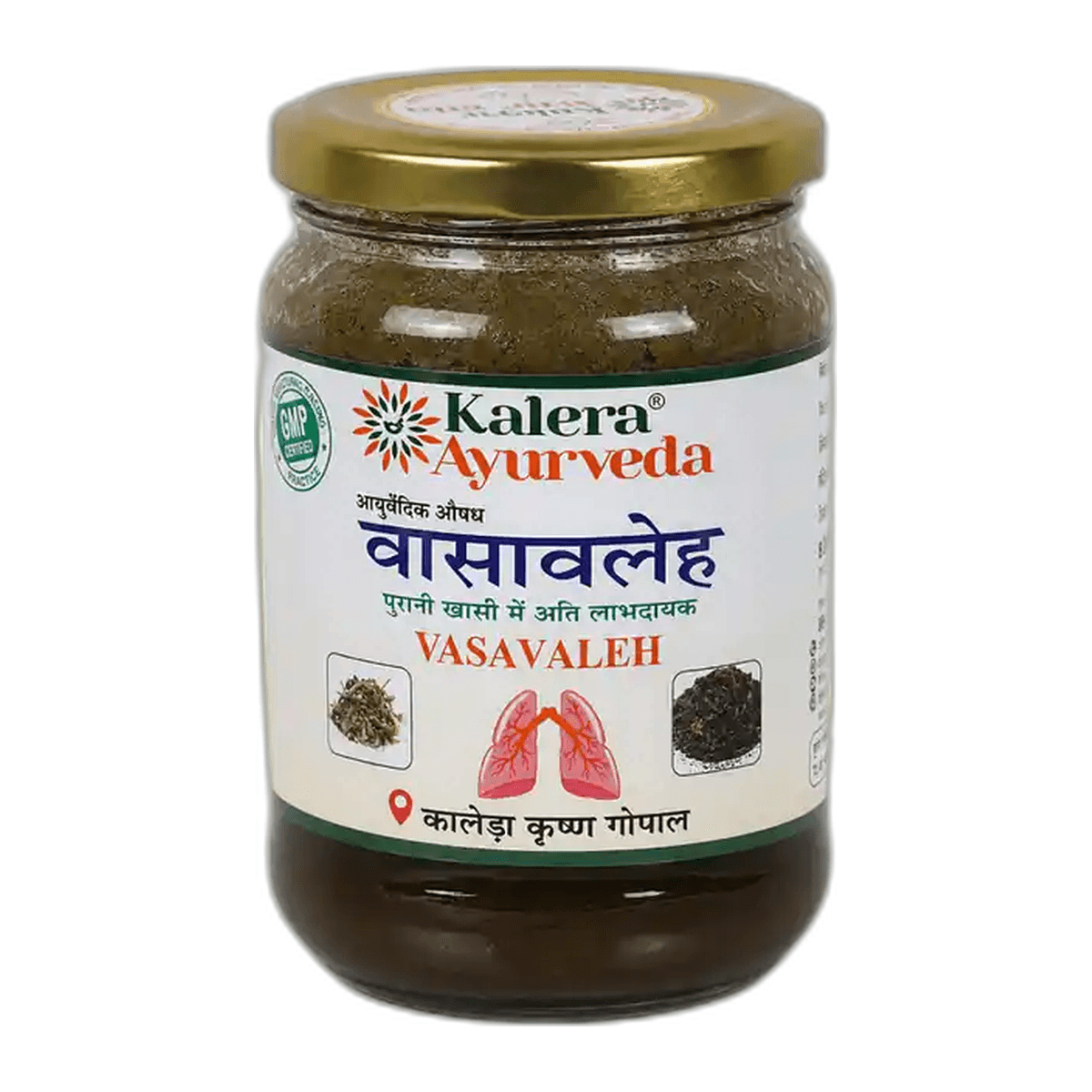
Vasavaleha (Kalera) Kalera
Supports cough & throat comfort
Container of 250 g
4.5
₹275Get ₹27 Cashback
₹32114% off