Wintergreen Uses and Properties
Reviewed by medical experts · For informational purposes only
Introductory summary
Wintergreen known in Ayurveda as Gandhapura refers to the aromatic volatile oil extracted from the fresh leaves of Gaultheria fragrantissima. It possesses Sweet Bitter and Pungent tastes with Sharp and Unctuous qualities. Its Hot potency and Pungent post digestive effect make it a powerful agent for pacifying Vata dosha. It is highly valued as a Vedanasthapana or analgesic and stimulant making it effective for severe pain in rheumatism sciatica and neuralgia. Therapeutically it acts as a Krmighna agent against hookworms and treats toothache. Additionally it acts as a diaphoretic to induce sweating. Due to its intense potency the internal dosage is restricted to 0.1 to 0.5 ml while external application is common for relieving joint stiffness and inflammation.
Wintergreen
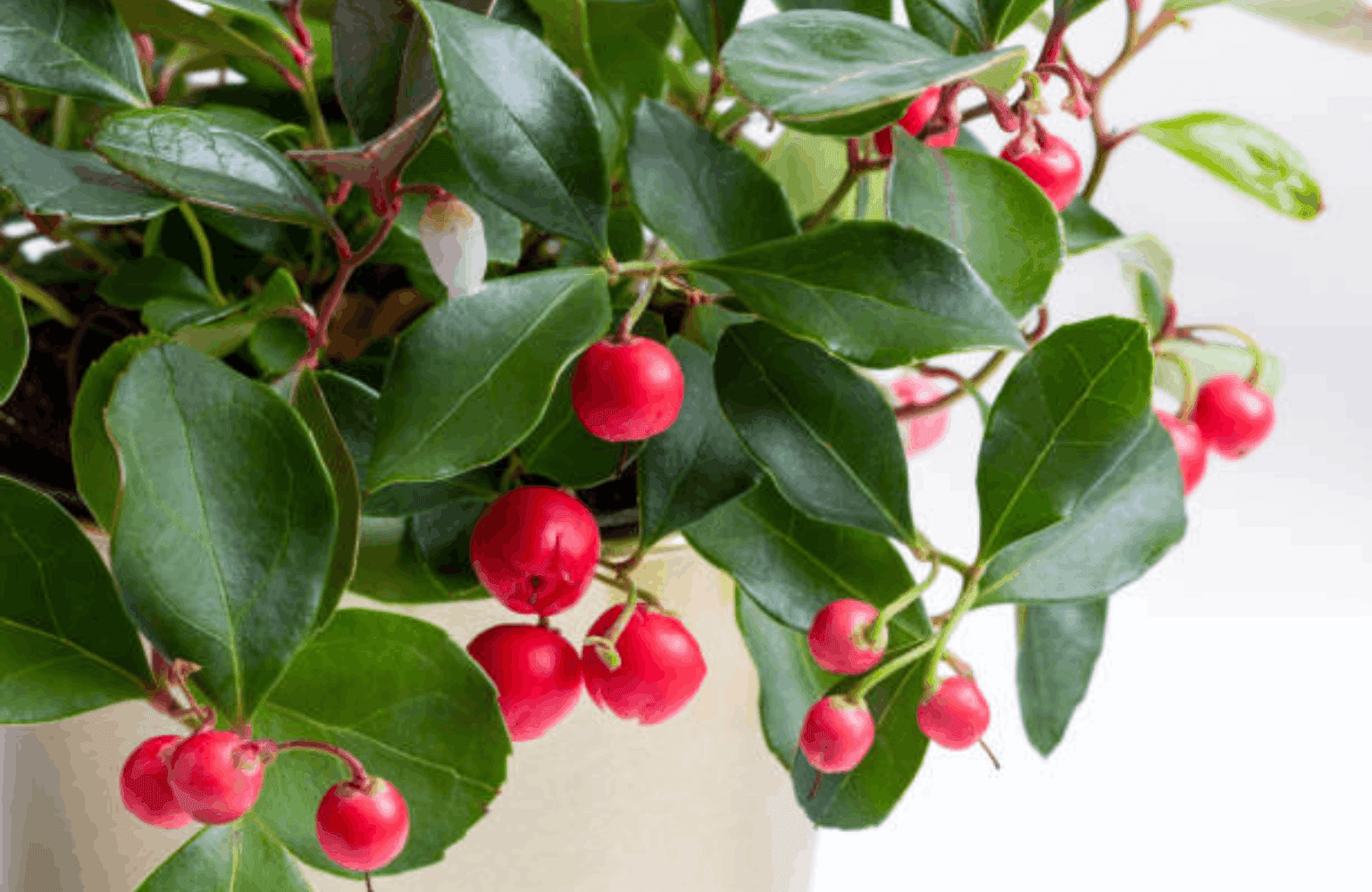
Wintergreen, known in Ayurveda as Gandhapūra, is primarily used in the form of its volatile oil (Gandhapūra Patra Taila). It is derived from the fresh leaves of the plant Gaultheria fragrantissima. In Ayurveda, this aromatic oil is highly valued for its penetrating (Teekshna) and heating (Ushna) qualities, making it a premier remedy for severe pain, nerve issues, and vata-related disorders like sciatica and rheumatism.
1. Name of the Herb
- Common Name: Wintergreen, Indian Wintergreen.
- Scientific Name: Gaultheria fragrantissima Wall. (Fam. Ericaceae).
- Ayurvedic Name: Gandhapūra, Gandhapūrṇa, Carmapatra.
- Regional Names: Gandhapuro (Gujarati/Bengali), Gandpuro (Hindi), Gandhapura (Marathi/Kannada).
- Latin Name (Oil): Oleum Gaultheriale.
2. Brief Description
Gandhapura refers to the oil obtained by steeping and fermentation of the fresh leaves of the Wintergreen plant. It is a colourless or yellowish oil with a strong, penetrating, aromatic odour. In Ayurveda, it is classified as a powerful Vedanāsthāpana (pain reliever) and Vātahara (Vata pacifier). It is primarily used to treat painful inflammatory conditions of the joints and nerves due to its stimulating and heating nature.
3. Source / Part Used
- Plant Source: Herbal / Plant-based.
- Part Used: Oil (Taila) distilled from fresh leaves.
4. Ayurvedic Properties
According to the Ayurvedic Pharmacopoeia of India:
- Rasa (Taste): Madhura (Sweet), Tikta (Bitter), and Kaṭu (Pungent).
- Guna (Qualities): Tīkṣṇa (Sharp/Penetrating) and Snigdha (Unctuous/Oily).
- Virya (Potency): Uṣṇa (Hot).
- Vipaka (Post-digestive effect): Kaṭu (Pungent).
- Dosha Effect: Vatahara (Pacifies Vata dosha).
5. Key Benefits
- Relieves Pain: Acts as a potent Vedanāsthāpana (analgesic), specifically for nerve and joint pain.
- Pacifies Vata: It is Vātānulomaka, helping to regulate the flow of Vata dosha.
- Stimulates Nerves: Acts as an Uttejaka (stimulant).
- Induces Sweating: Acts as Svedala (diaphoretic), helping to clear channels through sweat.
- Anti-Parasitic: Acts as Kṛmighna (destroys worms), specifically hookworms.
- Stops Diarrhea: Possesses Saṅgrāhī (astringent/binding) properties.
6. Uses / Indications
Wintergreen oil is indicated in Ayurveda for the following conditions:
- Joint & Muscle Disorders: Āmavāta (Rheumatism), Sandhivāta (Osteoarthritis), and Vātarakta (Gout).
- Nerve Pain: Gṛdhrasī (Sciatica) and Nāḍīśūla (Acute pain of nerve origin).
- Dental: Dantaśūla (Toothache).
- Digestive: Atisāra (Diarrhea) and Udarakṛmi (Intestinal worms/Hookworms).
- General: Jvara (Fever).
7. How It Works
- Pain Relief: Its Ushna (hot) and Teekshna (sharp) qualities allow it to penetrate deep into the tissues to relieve stiffness and pain associated with cold and stagnated Vata.
- Counter-Irritant: As an Uttejaka (stimulant), it increases local blood flow when applied, reducing inflammation and pain in deeper tissues (like joints).
- Anti-Putrefactive: It acts as Pūtihara, preventing sepsis and infection.
8. Dosage
(General guidance based on Ayurvedic Pharmacopoeia of India for the Oil):
- Liquid (Oil): 0.1 to 0.5 ml.
- Note: This refers to the pure oil, often used in drops or diluted for external application.
9. Safety Information
- Wintergreen oil is highly potent.
- It acts as a Svedala (induces sweating), which can be depleting if used largely in weak patients.
10. Side Effects
- Heat Sensation: Due to its Ushna (hot) and Teekshna (sharp) nature, it may cause a burning sensation if applied undiluted on sensitive skin or taken internally in excess.
11. Precautions
- Dosage: Internal administration should be strictly within the minute dosage (0.1 to 0.5 ml) and under medical supervision.
- External Use: Often used externally; care should be taken to avoid contact with eyes or mucous membranes.
12. Storage Instructions
- Store in a well-filled, well-closed container.
- Keep in a cool place and protect from light to preserve the volatile oil components.
13. References
-
World Health Organization (WHO) – WHO Monographs on Selected Medicinal Plants (General Herbal Standards Reference)
https://apps.who.int/iris/handle/10665/42052
-
WHO Guidelines on Good Agricultural and Collection Practices (GACP) for Medicinal Plants
https://apps.who.int/iris/handle/10665/42783
-
Michel, P., & Olszewska, M.A. (2024). Phytochemistry and Biological Profile of Gaultheria procumbens L. and Wintergreen Essential Oil. International Journal of Molecular Sciences
https://www.mdpi.com/1422-0067/25/1/565
-
PubMed Indexed Record – Gaultheria procumbens and methyl salicylate pharmacology
https://pubmed.ncbi.nlm.nih.gov/38203735/
-
Review on Methyl Salicylate (Major constituent of Wintergreen oil) – National Center for Biotechnology Information (NCBI)
https://www.ncbi.nlm.nih.gov/books/NBK537177/
-
eFlora of India – Gaultheria fragrantissima (Indian Wintergreen / Gandhapura)
https://efloraofindia.com/efi/gaultheria-fragrantissima/
-
Encyclopaedia Britannica – Wintergreen plant
https://www.britannica.com/plant/wintergreen-plant
14. FAQs
** **Q. Can it be taken daily?
No, it is a potent therapeutic oil used for specific conditions like pain or worms, not as a daily supplement.
Q. When should it be taken?
It is used when symptoms of rheumatism, sciatica, or severe colic are present.
Q. Can it be taken with milk/water?
The pharmacopoeia does not specify a vehicle, but oils are typically taken with warm water or sugar; however, external application is the most common usage for pain relief.
Consult a Doctor
- KC5.0Dr. Kamesh chand sharma
Ayurveda2 yrs exp
- PP4.4Dr prince patel
Ayurveda22 yrs exp
- KH4.4Dr Kowshalya H S
Ayurveda3 yrs exp
- AK4.8Dr. Amalnath K Viswanathan
Ayurveda4 yrs exp