Cataract
Reviewed by medical experts · For informational purposes only
Introductory summary
Cataract correlates with the Ayurvedic condition Timira which progresses to Linganasha characterized by the obstruction of vision. It occurs when vitiated Vata and Kapha doshas lodge in the eye layers causing blurred vision and eventual opacity. Management focuses on strengthening the eyes and clearing channel obstructions through Panchakarma therapies particularly Virechana and Nasya. A specialized procedure called Akshi Tarpana where medicated ghee like Triphala Ghrita is retained over the eyes is highly effective for nourishing the intraocular structures and arresting disease progression. While early stages are manageable through these bio cleansing and rejuvenating measures mature cases often result in total loss of vision requiring surgical intervention.
Cataract
Cataract is a progressive clouding of the eye's natural lens, leading to a decrease in vision. In Ayurveda, this condition is primarily understood under the umbrella of Timira (darkness of vision) which, if untreated, progresses to Linga Nasha (complete destruction of vision). It is classified as a Netra Roga (Eye Disease) involving the vitiation of the body's bio-energies (Doshas) affecting the intraocular structures.
1. Definition
Ayurvedic Definition:
Ayurveda defines the early stage of vision loss as Timira, characterized by blurring or darkening of vision. As the disease advances and the Doshas penetrate deeper into the layers (Patalas) of the eye, it can lead to Kacha (glassy eye) and finally Linga Nasha, where the lens becomes opaque, resulting in the loss of the ability to see.
2. Etymology & Conceptual Meaning
-
Literal Meaning:
-
Timira: Derived from Sanskrit, meaning "darkness" or "gloom," referring to the patient's subjective experience of darkening vision.
-
Linga Nasha: "Linga" refers to the attribute or sign (in this case, the ability to see), and "Nasha" means destruction. It implies the total loss of the visual function.
-
-
Conceptual Interpretation:
- Vision (Drishti) is a function of the Pitta Dosha (specifically Alochaka Pitta). When Kapha (which has heavy, unctuous, and clouding qualities) or Vata (which causes drying and degeneration) obstructs the clear quality of the eye, vision becomes "covered" or cloudy.
3. Causes (Nidana)
The causes of cataract are multifactorial, involving diet, lifestyle, and aging.
-
Dietary Causes: Excessive consumption of foods that aggravate Vata and Kapha can lead to blockage in the channels.
-
Lifestyle Causes:
-
Misuse of Eyes: Straining the eyes or exposure to intense heat/light.
-
Suppression of Urges: Suppressing natural urges (Vegadharana) particularly tears or sleep, can vitiate Vata and affect the eyes.
-
Sleep Disturbances: Abnormal sleep patterns (insomnia or excessive sleep) are linked to eye disorders.
-
-
Aging: While not explicitly a "cause," the condition is often associated with the natural decline of tissues (Dhatu Kshaya) in old age.
4. Journey of the Disease (Pathogenesis/Samprapti)
The pathogenesis involves the movement of vitiated Doshas from the head to the eyes.
-
Samprapti Ghataka (Components):
-
Dosha: Vata and Kapha are primarily involved.
-
Dushya (Tissues): Rasa, Rakta, and Majja.
-
Srotas (Channels): Rupavaha Srotas and Majjavaha Srotas.
-
Adhisthana (Site): Netra (Eye), specifically the Drishti (Lens/Pupil).
-
-
Process: The aggravated Doshas lodge in the upper body (Urdhvajatrugata) and travel through the channels to the eyes. They settle in the Patalas. As the Doshas accumulate, they obstruct the path of light, causing the vision to become hazy (Timira) and eventually opaque.
5. Symptoms (Lakshana)
-
Early Symptoms (Timira):
-
Blurred vision.
-
Distortion of images.
-
Seeing floating spots, nets, or hairs before the eyes.
-
-
Advanced Symptoms (Linga Nasha):
-
Complete obstruction of vision.
-
The pupil may appear white, pearly, or discolored depending on the dominant Dosha (e.g., Kaphaja Linganasha appears white).
-
Kacha stage described in Chakradatta.
-
6. Different Type or Classification (Bheda)
Chakradatta and Madhava Nidana classify eye diseases based on the Dosha involved:
- Vataja Timira
- Pittaja Timira
- Kaphaja Timira
- Sannipataja
- Parimlayin
8. Disease Management
Diet (Ahara)
Lifestyle (Vihara)
- Regular application of Anjana (Collyrium).
Medicines
-
Triphala Ghrita
-
Maha Triphala Ghrita
-
Saptamrita Lauha
Panchakarma
-
Virechana
-
Tarpana
-
Nasya
9. Prognosis
• Curable (Sadhya): Timira (early stage) is considered curable with proper Rasayana (rejuvenation) and Panchakarma therapy.
• Manageable (Yapya): Kacha (intermediate stage) may be managed but is difficult to reverse completely.
• Incurable (Asadhya): Once Linga Nasha (mature cataract) sets in, medical treatment cannot reverse the opacity; it requires surgical removal (ancient Ayurveda practiced Couching).
10. Modern Correlations
-
Incipient Cataract
-
Mature Cataract
-
Phacoemulsification
11. References
Mayo Clinic — Cataracts (Symptoms & Causes)
Detailed overview of what cataracts are, how they form, common symptoms (clouded, blurred vision; difficulty seeing at night; glare and halos), and causes such as aging, diabetes, injury, and medication use. (Mayo Clinic)
National Eye Institute (NEI) — Cataract Overview
Explains cataracts as cloudy areas in the eye lens, how they develop gradually with age, symptoms such as faded colors and poor night vision, diagnosis with dilated eye exam, and surgical treatment. (nei.nih.gov)
WebMD — Cataracts: Causes, Symptoms, Diagnosis & Treatment
Provides a comprehensive lay-friendly explanation of how cataracts affect vision, causes including environmental and medical factors, and what to expect from evaluation and surgery. (WebMD)
MSD Manual Professional Edition — Cataract (Clinical Reference)
Clinical summary including cataract pathology, typical presentation (painless gradual blurring), and treatment recommendations such as surgical extraction and intraocular lens placement. (MSD Manuals)
Mayo Clinic — Cataract Diagnosis & Treatment
Details practical aspects of managing cataracts — from symptomatic relief (stronger glasses, lighting) to when cataract surgery is recommended if vision loss interferes with daily activities. (Mayo Clinic)
Infant congenital cataract surgery success: A six-week-old baby underwent early cataract surgery in Bengaluru, highlighting the importance of early diagnosis in congenital cases to prevent lifelong visual impairment. (The Times of India)
Post-surgery infection investigation: In Chhattisgarh, several patients developed infections after cataract surgery, underscoring the need for diligent surgical care and infection control. (Navbharat Times)
12. FAQ Section
Q: Can Ayurvedic ghee remove cataracts?
A: Ayurvedic medicated ghees, such as Triphala Ghrita, are highly effective in the early stages (Timira) to halt progression and clarify vision. However, fully mature cataracts (Linga Nasha) typically require surgical intervention. The procedure Tarpana (retaining ghee over the eyes) is specifically designed to nourish the eye and treat early vision loss.
Q: Is Panchakarma safe for eye patients?
A: Specific Panchakarma procedures like Virechana (purgation) and Nasya (nasal administration) are recommended and beneficial. However, Vamana (vomiting) is explicitly listed as contraindicated (not allowed) for patients with Timira (cataract) because the pressure can harm the eyes.
Q: What is the best daily habit for preventing cataracts according to Ayurveda?
A: Charaka Samhita recommends the daily application of Sauvira Anjana (a medicinal collyrium). It states that just as gold shines after polishing, the eyes become bright and clear with the regular use of Anjana.
Q: Why does Ayurveda mention "digestion" for an eye disease?
A: Ayurveda views the body as an interconnected system. The Pitta Dosha, which governs digestion (Pachaka Pitta), also governs vision (Alochaka Pitta). Disturbances in digestion and systemic heat can migrate to the head and eyes, causing inflammation or opacity. Therefore, treatments often involve digestive correction and purgation (Virechana).
Consult a Doctor
- MS4.2Midun s kumar
Ayurveda4 yrs exp
- SP4.5Dr Sreelekha P Nair
Ayurveda6 yrs exp
- VR4.2Vaidya Rohit Kumar
Ayurveda3 yrs exp
- V4.1Vairamuthu
Ayurveda8 yrs exp
Buy Medicine
 Prescribed to you4.7₹40 cashback
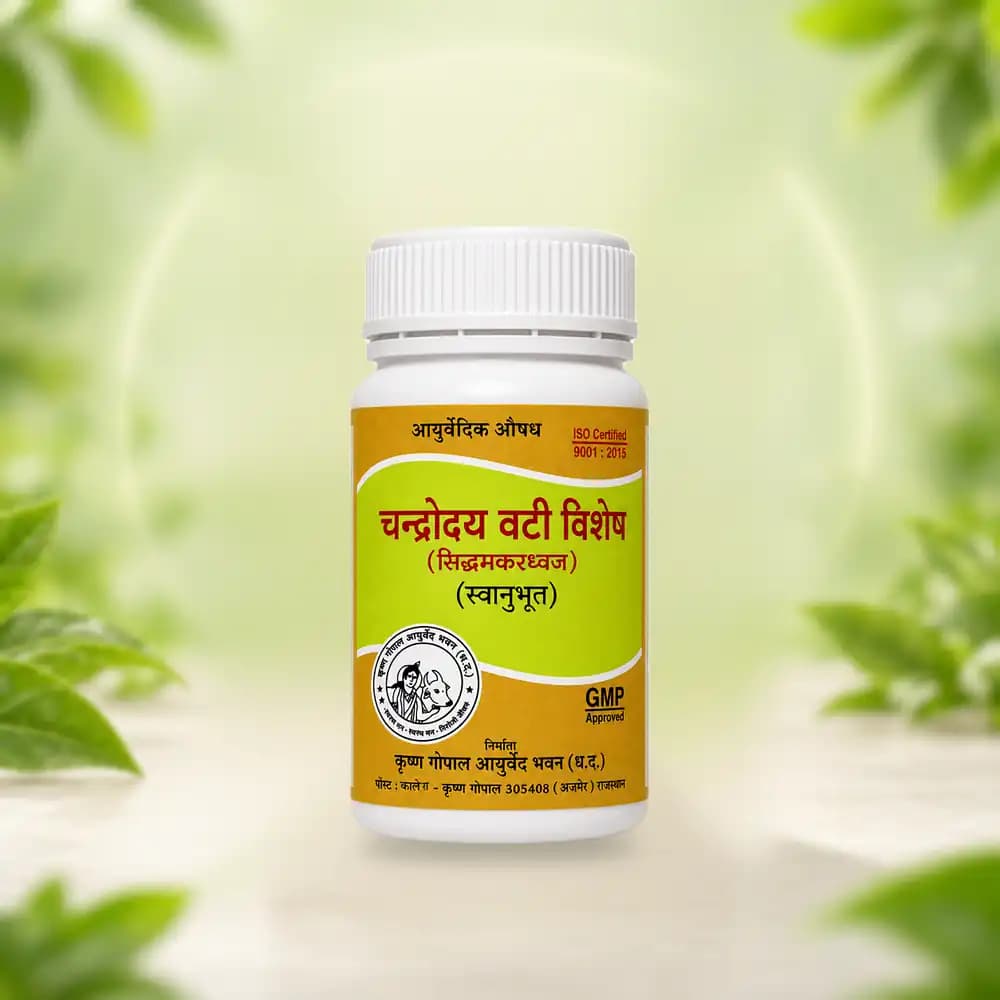
Chandrodaya (Siddha Makaradhwaja) Vati (Vishesh) (Kalera) Kalera
Makaradhwaja, sexual vitality
Strip of 8 Tablets
4.7
₹400Get ₹40 Cashback