
Dandruff Home Remedies and the Ayurvedic View
Reviewed by medical experts · For informational purposes only
Introductory summary
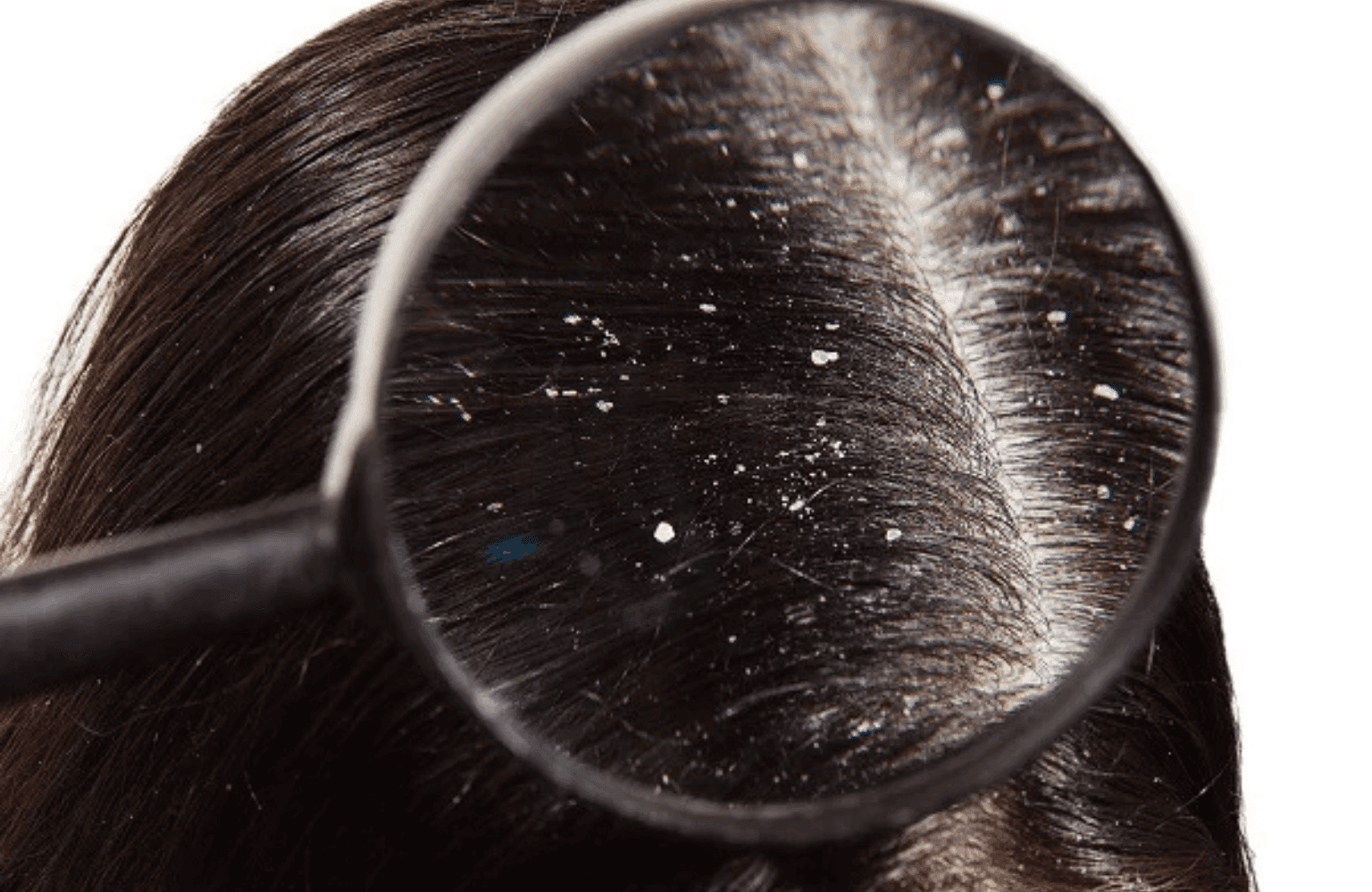
Dandruff correlates with the Ayurvedic condition Darunaka which is classified as a Kshudra Roga or minor disease affecting the scalp. It arises from the vitiation of Kapha and Vata doshas where Vata causes dryness and cracking of the skin while Kapha leads to intense itching and the accumulation of white scales. Symptoms often include a rough scalp texture and hair loss. Management focuses on pacifying these doshas through external applications and purification therapies. Classical texts recommend washing the hair with decoctions of Triphala or Kustha to remove flakes and reduce itching. Application of medicated oils and the use of Nasya or nasal administration of herbal oils are also essential treatments to nourish the scalp and clear the head channels.
Dandruff
Dandruff, medically correlated with Pityriasis capitis, is a common scalp condition marked by the shedding of dead skin cells in the form of flakes. In Ayurveda, this condition is termed Darunaka. It is classified under Kshudra Rogas (Minor Diseases) or Kapala Gata Rogas (Diseases of the Scalp). It occurs due to the vitiation of Kapha and Vata doshas, leading to itching, dryness, and hardening of the scalp skin.
1. Definition
Modern Definition: Dandruff (Pityriasis capitis) is a chronic scalp condition characterized by flaking of the skin and itchiness.
Ayurvedic Definition: Darunaka is defined as a condition where the scalp (Keshabhumi) becomes hard (Daruna), dry (Ruksha), and itchy (Kandura). It is caused by the aggravation of Kapha and Vata doshas and often leads to hair fall (Keshachyuti).
2. Etymology & Conceptual Meaning
-
Literal Meaning: The term Darunaka is derived from the word Daruna, which means "hard," "harsh," or "rough." This refers to the characteristic texture of the scalp skin in this condition.
-
Conceptual Interpretation: Ayurveda views the scalp as a site rich in sebaceous activity (Kapha). When Vata (dryness) interacts with Kapha (oiliness/stickiness) on the scalp, it dries up the natural oily secretions, resulting in cracked, hard skin that flakes off as dandruff.
3. Causes (Nidana)
The root cause is the imbalance of Kapha and Vata doshas.
-
Dietary Causes: Excessive consumption of dry, cold, or incompatible foods (Viruddha Ahara) that aggravate Vata, or heavy, oily, and sweet foods that increase Kapha.
-
Lifestyle Causes:
-
Suppression of Urges: Suppressing natural urges (Vegavarodha) is a general cause of head diseases.
-
Lack of Hygiene: Accumulation of sweat (Sweda) and dirt (Mala) on the scalp promotes fungal/bacterial growth (Krimi), though Darunaka is primarily doshic.
-
Day Sleep: Sleeping during the day (Divaswapna) increases Kapha.
-
Environmental: Exposure to dust, smoke, and cold wind.
-
4. Journey of the Disease (Pathogenesis / Samprapti)
The disease progresses through the localization of vitiated doshas in the scalp tissues.
-
Samprapti Ghataka (Components):
-
Pathogenesis:
Due to etiological factors, Kapha and Vata become aggravated and lodge in the scalp. Vata dries up the moisture, creating hardness and cracks (Sphutana). Kapha causes itching (Kandu) and produces the white scales. This blockage at the hair roots can eventually lead to hair loss.
5. Symptoms (Lakshana)
According to Madhava Nidana, the cardinal symptoms of Darunaka are:
-
Kandu
-
Keshachyuti
-
Twak Sphutana
-
Rukshata
-
Daruna
-
Sukshma Tvak
6. Different Types or Classification (Bheda)
Darunaka is generally treated as a single entity under Kshudra Rogas. However, clinical presentations vary:
- Vata Dominant: Dry flakes, intense cracking, and pain.
- Kapha Dominant: Oily/sticky flakes, intense itching, and heaviness.
7. Diagnosis
-
Ayurvedic Diagnosis (Roga Pariksha):
-
Darshana
-
Prashna
-
Sparshana
-
-
Differential Diagnosis: Distinguished from Indralupta and Arumshika.
8. Disease Management
Treatment focuses on Kapha-Vata Shamana.
Diet (Ahara)
- Avoid: Excessive salt (Lavana). Charaka Samhita notes excess salt causes baldness and graying.
Medicines (External Application)
-
Kustha
-
Prapunnada
-
Bhrngaraja
Panchakarma
-
Shirodhara
-
Shirolepana
-
Nasya
-
Sira Vedha
9. Prognosis
-
Curable (Sadhya): Darunaka is generally considered a curable condition (Sadhya) if treated early with proper hygiene and Ayurvedic remedies.
• Recurrence: It tends to recur if the underlying Kapha-Vata imbalance is not corrected or if hygiene is neglected.
• Complications: If untreated, it can lead to severe hair loss (Khalitya) or secondary infections like Arumshika.
10. Modern Correlations
-
**Seborrheic Dermatitis **The symptoms of Darunaka (itching, scaling, oily/dry skin) correlate strongly with Seborrheic Dermatitis.
◦ Pityriasis Capitis: Simple dandruff falls under this category.
◦ Fungal Etiology: While Ayurveda focuses on Doshas, the treatment with herbs like Nimba (Neem) and Kustha (which have antifungal properties) aligns with the modern understanding of Malassezia yeast involvement.
• Differences: Modern medicine relies on antifungal shampoos (ketoconazole). Ayurveda emphasizes internal metabolic balance and oil therapies (Sneha) to cure dryness, which might seem contradictory to modern advice for "oily" dandruff but addresses the Vata (dryness) root cause.
11. References
-
डैंड्रफ दुनिया भर में वयस्कों का लगभग आधा हिस्सा जीवन में किसी समय अनुभव करता है। (PMC)
-
बच्चों और युवाओं में भी यह प्रचलित है, हालाँकि गंभीर रूप से बच्चों में शिशुओं का cradle cap (Cradle Cap) अलग लेकिन संबंधित स्थिति होती है। (Wikipedia
-
WHO-संबंधित मरीज सूचना पत्रों में seborrhoeic dermatitis (सीबोरहाइक डर्माटाइटिस) जैसा वर्णन मिलता है, जहां डैंड्रफ को स्कैल्प की रूखी/स्केलिंग त्वचा के रूप में सूचीबद्ध किया गया है — यह दर्शाता है कि WHO भी इसे त्वचा की सामान्य विकृति/विशेष लक्षण के रूप में मानता है। (WHO Extranet)
-
“Dandruff: the most commercially exploited skin disease” — यह समीक्षा बताती है कि डैंड्रफ एक बहुत सामान्य स्कैल्प विकार है और दुनिया भर के कई लोगों को प्रभावित करता है। (PubMed)
-
Seborrheic Dermatitis & Dandruff Review — यह शोध बताता है कि डैंड्रफ और seborrhoeic dermatitis वास्तव में एक ही रोग के निरंतर स्पेक्ट्रम के हिस्से हैं, अलग-अलग गंभीरता के साथ। (PMC)
12. FAQ Section
Q: What causes dandruff according to Ayurveda?
A: It is caused by an imbalance of Kapha and Vata doshas. Kapha causes the itching and accumulation of skin cells, while Vata causes the dryness, cracking, and flaking of the scalp.
Q: Can oil massage help dandruff?
A: Yes. Unlike some modern advice that suggests avoiding oil, Ayurveda recommends specific medicated oils (like Bhrngaraja or Nimba taila) to pacify the Vata dosha (dryness) which is a root cause of the flaking. Shirodhara (oil pouring) is also effective.
Q: Are there natural washes for dandruff?
A: Chakradatta recommends washing the hair with a decoction of Triphala, Kustha, or the ash water of Kodrava grains to remove dandruff and reduce itching.
Q: Does salt intake affect dandruff?
A: Yes. Charaka Samhita states that excessive intake of salt (Lavana) can lead to hair loss (Khalitya), graying (Palitya), and skin diseases, which may aggravate scalp conditions like dandruff.
Consult a Doctor
- KC5.0Dr. Kamesh chand sharma
Ayurveda2 yrs exp
- PP4.4Dr prince patel
Ayurveda22 yrs exp
- PJ5.0Dr. P. JOTEENDRA
Ayurveda2 yrs exp
- S4.6Dr. Shan
Ayurveda4 yrs exp
More on Dandruff Home Remedies and the Ayurvedic View
Buy Medicine
 Prescribed to you4.5₹21 cashback
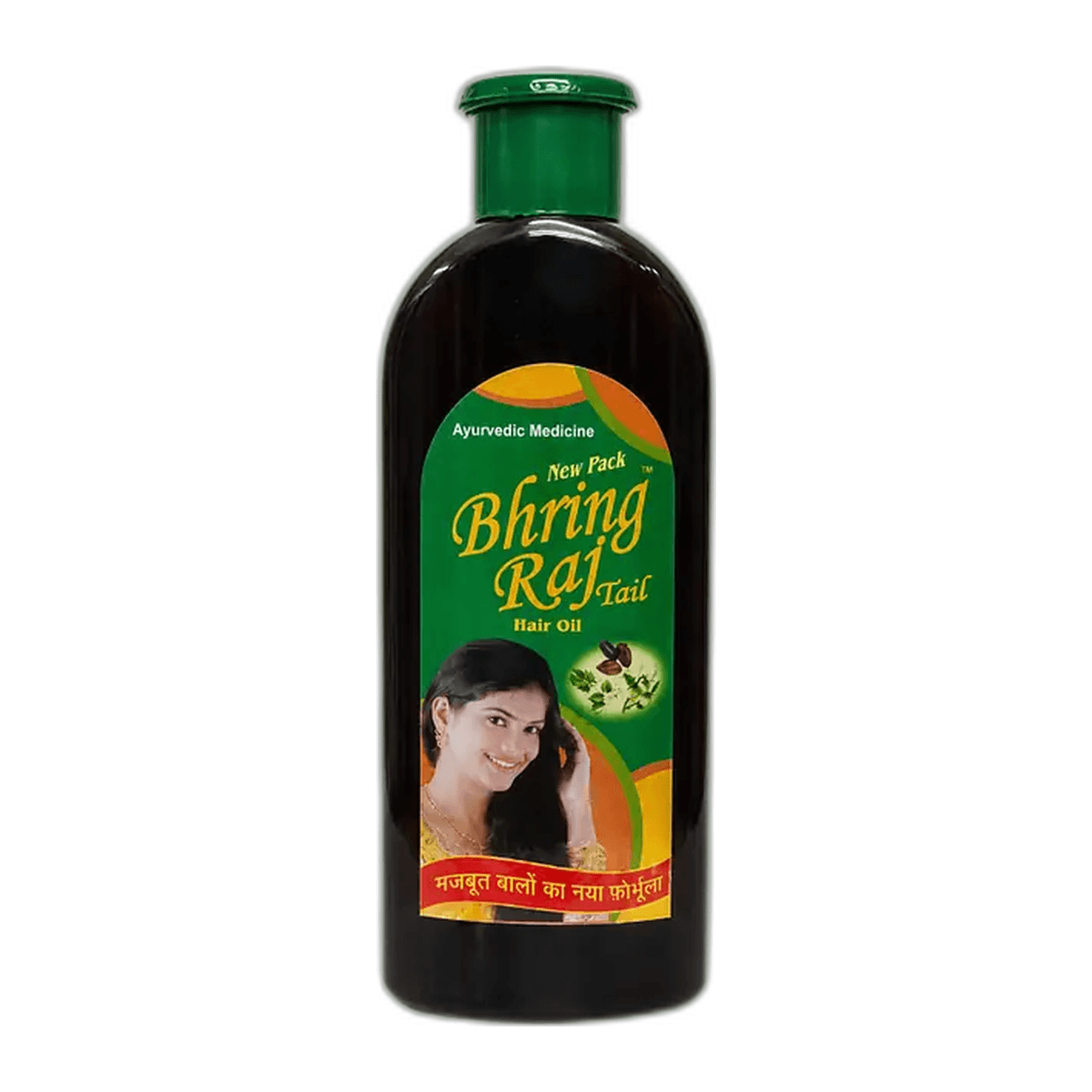
Bhringraj Taila (Kalera) Kalera
Daily support for hair growth
Bottle of 100 ml
4.5
₹210Get ₹21 Cashback
₹23912% off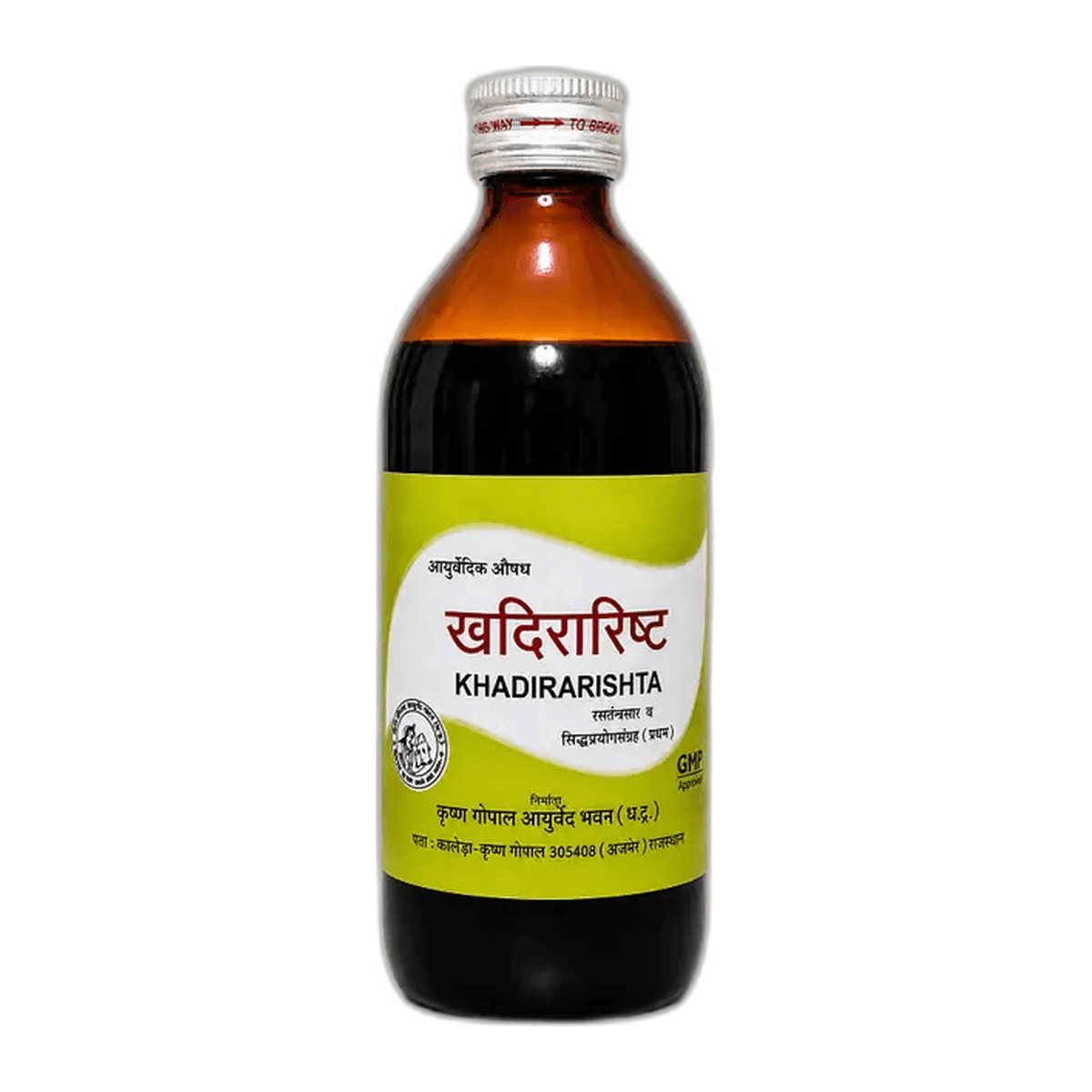 Prescribed to you4.6₹21 cashback
Khadirarishta (Kalera)KaleraDaily support for blood purification
Bottle of 450 ml
4.6
₹210Get ₹21 Cashback
₹23912% off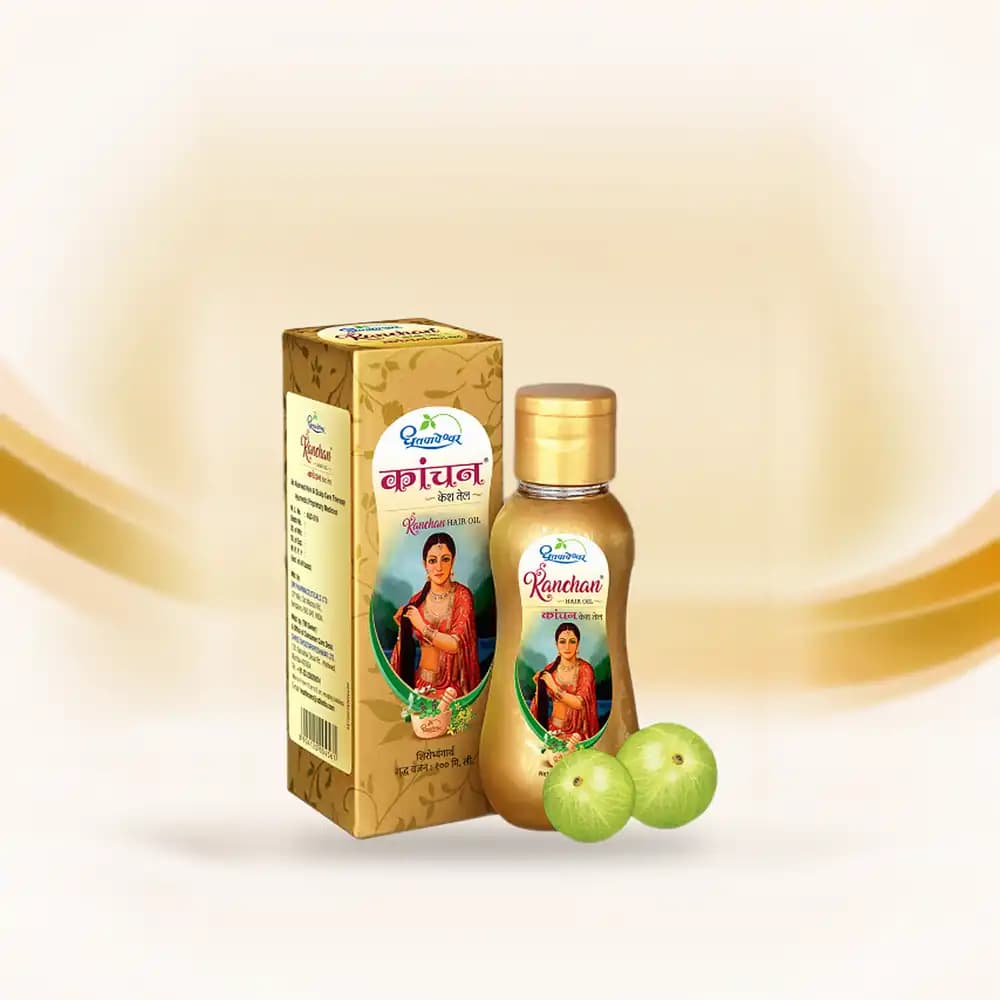 Prescribed to you4.7₹31 cashback
Kanchan Hair Oil (Dhootapapeshwar) SDL
SDLHair strength and growth support
Bottle of 100 ml
4.7
₹319Get ₹31 Cashback
₹35711% off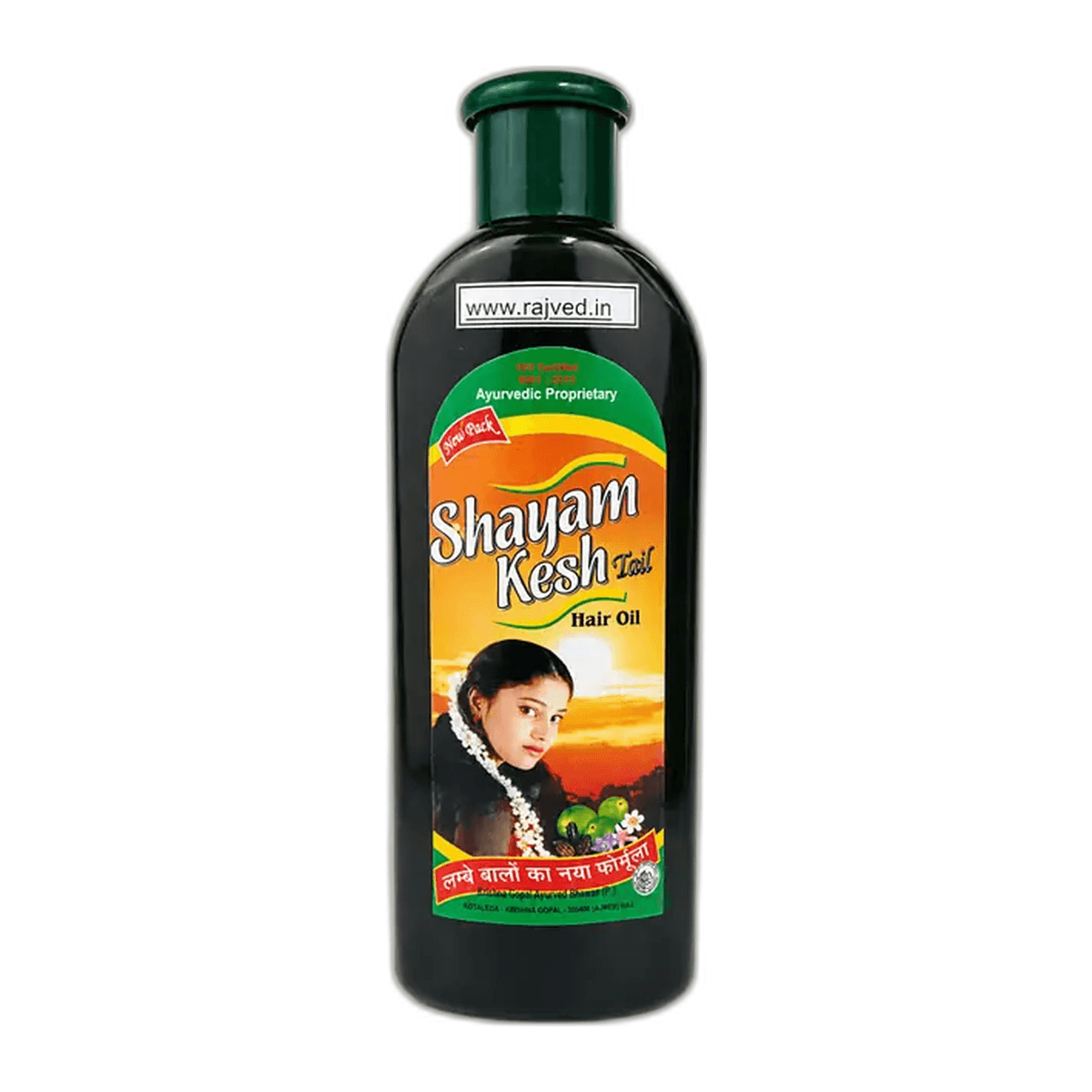 Prescribed to you4.3₹17 cashback
Shyamkesh Taila (Kalera)KaleraDaily support for hair darkener
Bottle of 100 ml
4.3
₹179Get ₹17 Cashback
₹19910% off
