Dry eye
Reviewed by medical experts · For informational purposes only
Introductory summary
Dry eye correlates with the Ayurvedic condition Shushkakshipaka characterized by excessive dryness roughness and difficulty opening the eyelids. It arises from the vitiation of Vata and Pitta doshas which dry up the tear channels or Ashruvaha srotas. Common causes include suppression of tears and exposure to smoke or dust leading to inflammation and vision distortion. Management prioritizes restoring ocular lubrication through Netra Tarpana a process where medicated ghee like Triphala Ghrita or Jeevantyadi Ghrita is retained over the eyes to nourish the optic nerve. Additional treatments include Nasya or nasal administration of oils to clear head channels and Padabhyanga or foot massage which specifically enhances vision. Avoiding factors like night waking is also crucial for recovery.
Dry Eye
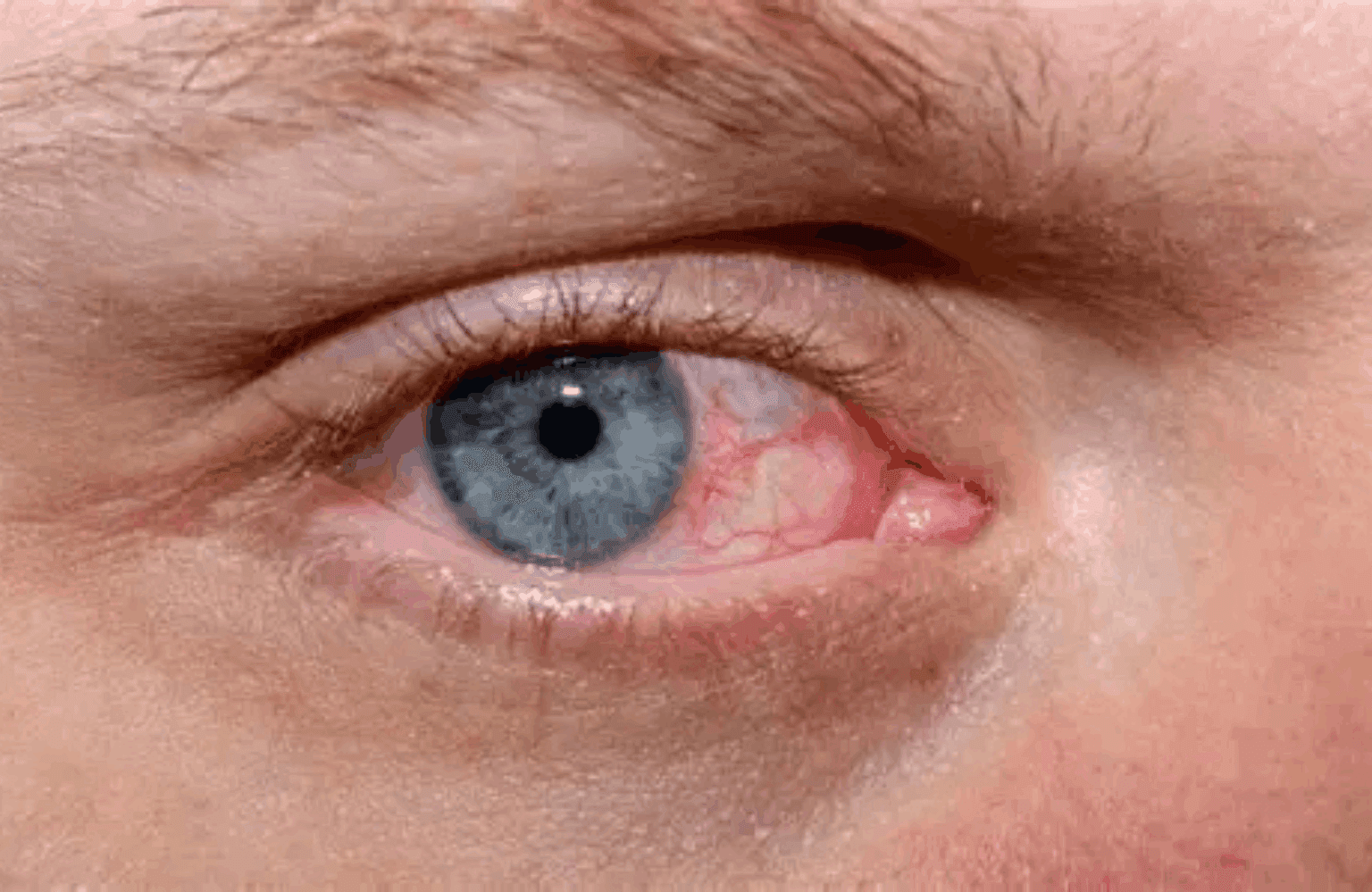
Dry Eye is a condition where the eyes do not produce enough tears or the tears evaporate too quickly, leading to dryness and inflammation. In Ayurveda, this condition correlates with Shushkakshipaka. It is classified as a disease of the Netra (eye) caused primarily by the aggravation of Vata dosha (wind/dryness) and Pitta dosha (heat), which dries up the tear channels and unctuousness of the eye.
1. Definition
Modern Definition:
Dry eye (Xerophthalmia or Keratoconjunctivitis sicca) is a multifactorial disease of the ocular surface characterized by a loss of homeostasis of the tear film, accompanied by ocular symptoms like discomfort and visual disturbance.
Ayurvedic Definition:
Shushkakshipaka is a condition where the eye becomes dry (Shushka), rough (Ruksha), and stiff (Stabdha). It involves the inflammation (Paka) of the dry eye due to Vata and Pitta vitiation, leading to difficulty in opening and closing the eyelids and a feeling of roughness or sand in the eyes.
2. Etymology & Conceptual Meaning
-
Literal Meaning:
-
Shushka: Dry
-
Akshi: Eye
-
Paka: Inflammation, suppuration, or reaction
-
-
Conceptual Interpretation: Ayurveda views the eye as a seat of the Tejas (fire) element, making it susceptible to heat and dryness. When the unctuousness (Sneha) that protects the eye is dried up by aggravated Vata and Pitta, the condition manifests as Shushkakshipaka, essentially a state of "dehydration" of the ocular tissues.
3. Causes (Nidana)
-
Suppression of Natural Urges: Suppressing tears (Ashru Vegavarodha) can cause eye disorders.
-
Lifestyle Causes:
-
Exposure to dust, smoke, wind (Rajo-Dhuma)
-
Night wakefulness (Ratrijagarana) and day sleeping
-
Excessive bright light exposure or eye strain
-
-
Dietary Causes: Excess dry, astringent, or bitter foods aggravating Vata
-
Trauma: Injury (Abhighata) to head or eyes
4. Journey of the Disease (Pathogenesis / Samprapti)
-
Dosha: Vata (dryness, pain), Pitta (burning, inflammation)
-
Dushya (Tissues): Rasa, Rakta, Mamsa
-
Srotas (Channels): Rupavaha Srotas (vision channels), Ashruvaha Srotas (tear channels)
-
Adhisthana (Site): Netra, Vartma (eyelids)
Pathogenesis: Suppressing tears or smoke exposure aggravates Vata, which dries up ocular vessels (Sira) and tears (Ashru), resulting in friction, roughness, and inflammation (Paka) if Pitta is involved.
5. Symptoms (Lakshana)
-
Rukshata: Excess dryness
-
Gharshana: Friction sensation ("sand in eyes")
-
Krichra Unmilana: Difficulty opening/closing eyelids
-
Daruna: Hardness/roughness
-
Toda: Pricking pain
-
Avila Darshana: Blurred/cloudy vision
-
Daha: Burning (if Pitta involved)
6. Different Types or Classification (Bheda)
- Vataja: Dryness, pain, stiffness, roughness
- Vata-Pittaja: Burning, redness, photophobia, dryness
- Shushkakshipaka: Advanced stage with inflammation and dryness (Ashtanga Sangraha, Sushruta Samhita)
7. Diagnosis
-
Ayurvedic Diagnosis (Roga Pariksha):
-
Darshana: Observe eye luster, roughness (Parushya), blinking difficulty
-
Prashna: History of tear suppression, sleep pattern, screen exposure
-
-
Differential Diagnosis:
-
Timira – cataract/refractive error, painless vision loss
-
Abhishyanda – conjunctivitis, watery discharge
-
8. Disease Management
Medicines:
-
Medicated Ghrita – internal and external application
-
Triphala Ghrita – classic eye disease formulation
-
Jeevantyadi Ghrita – nourishing eyes
-
Patoladi Ghrita – for Pitta-associated dryness
-
-
Triphala – wash or internal use
-
Anu Taila – Nasya therapy
Panchakarma:
-
Netra Tarpana – medicated ghee retained in eye for lubrication
-
Nasya – nasal instillation of medicated oils
-
Putapaka – herbal extracts for eye texture
-
Shirodhara – oil pour on forehead for neurological eye tension
Lifestyle (Vihara) & Diet (Ahara):
-
Padabhyanga – foot massage with oil/ghee improves vision
-
Avoid day sleep (Divaswapna) and tear suppression
-
Diet: Ghee, milk, grapes (Draksha), Triphala
9. Prognosis
• Curable (Sadhya): If treated early with Tarpana and lifestyle correction, the condition is manageable and curable.
• Chronic: If neglected, Vata aggravation can lead to permanent vision changes (Timira) or severe stiffness/blindness, becoming difficult to treat (Krichra).
10. Modern Correlations
-
Similarities:
-
Xerophthalmia – Vitamin A deficiency, dry eye
-
Computer Vision Syndrome – eye stiffness/pain
-
Neurological origin – Shirodhara indicated
-
-
Differences: Modern medicine uses artificial tears; Ayurveda restores metabolic fire and deep lubrication via Tarpana
11. References
-
Epidemiology and Risk Factors of Dry Eye Disease: Considerations for Clinical Management — A recent review summarizing global prevalence, demographic and systemic risk factors (age, sex, diabetes, medications, lifestyle) and implications for clinical care. (MDPI)
-
Identified risk factors for Dry Eye Syndrome: Systematic Review & Meta-analysis — Meta-analysis of 48 studies (493,630 participants) identifying advanced age, female sex, visual display use, contact lenses, surgery, allergy, diabetes, glaucoma, rosacea and many other associated conditions. (PubMed)
-
Dry Eye Disease Prevalence & Risk Factors Among Children and Adults in Saudi Arabia — Large cross-sectional study showing high prevalence rates and associations with low humidity, screen time, autoimmune disease, and ocular procedures. (PubMed)
-
Prevalence & Clinical Profile in Hospital-Based Populations — Study detailing clinical presentations and burden of DED in tertiary care settings. (ijmsphr.com)
-
Prevalence & Risk Factors in North India — Large Indian observational study showing high prevalence (~32%) and risk factors such as screen use and smoking. (PubMed)
-
Dry Eye Disease: A Review of Diagnostic Approaches & Treatments — A classic PubMed review on etiology, tear film dysfunction, diagnostics, and management strategies. (PubMed)
-
Review of Existing Management of Dry Eye Disease — Literature overview on treatment approaches including tear substitutes, lifestyle changes, and medical therapy. (J Pharm Res Int)
12. FAQ Section
Q: What is the best Ayurvedic treatment for Dry Eyes?
A: Netra Tarpana is considered the most effective therapy. It involves retaining medicated ghee (like Triphala Ghrita) over the eyes, which deeply lubricates the tissues and strengthens the optic nerve,.
Q: Can massaging the feet help my eyes?
A: Yes. According to Chakradatta, massaging the soles of the feet with oil or ghee (Padabhyanga) specifically improves vision and cures eye diseases.
Q: Does suppressing tears cause dry eyes?
A: Yes. Charaka Samhita states that the suppression of tears (Ashru Vegavarodha) is a distinct cause of eye disorders and can lead to nasal and eye strain.
Q: What herbs are good for eye health?
A: Triphala (a combination of three fruits) is highly praised for eye health. It can be used as a wash, taken internally with ghee, or used in Tarpana therapy,.
Q: Is there a nasal drop for dry eyes?
A: Yes. Nasya therapy (nasal drops) using medicated oils like Anu Taila is indicated for dryness of the nose and mouth and for strengthening the eyes,.
Consult a Doctor
- MS4.2Midun s kumar
Ayurveda4 yrs exp
- SP4.5Dr Sreelekha P Nair
Ayurveda6 yrs exp
- VR4.2Vaidya Rohit Kumar
Ayurveda3 yrs exp
- V4.1Vairamuthu
Ayurveda8 yrs exp
Buy Medicine
 Prescribed to you4.6₹1 cashback
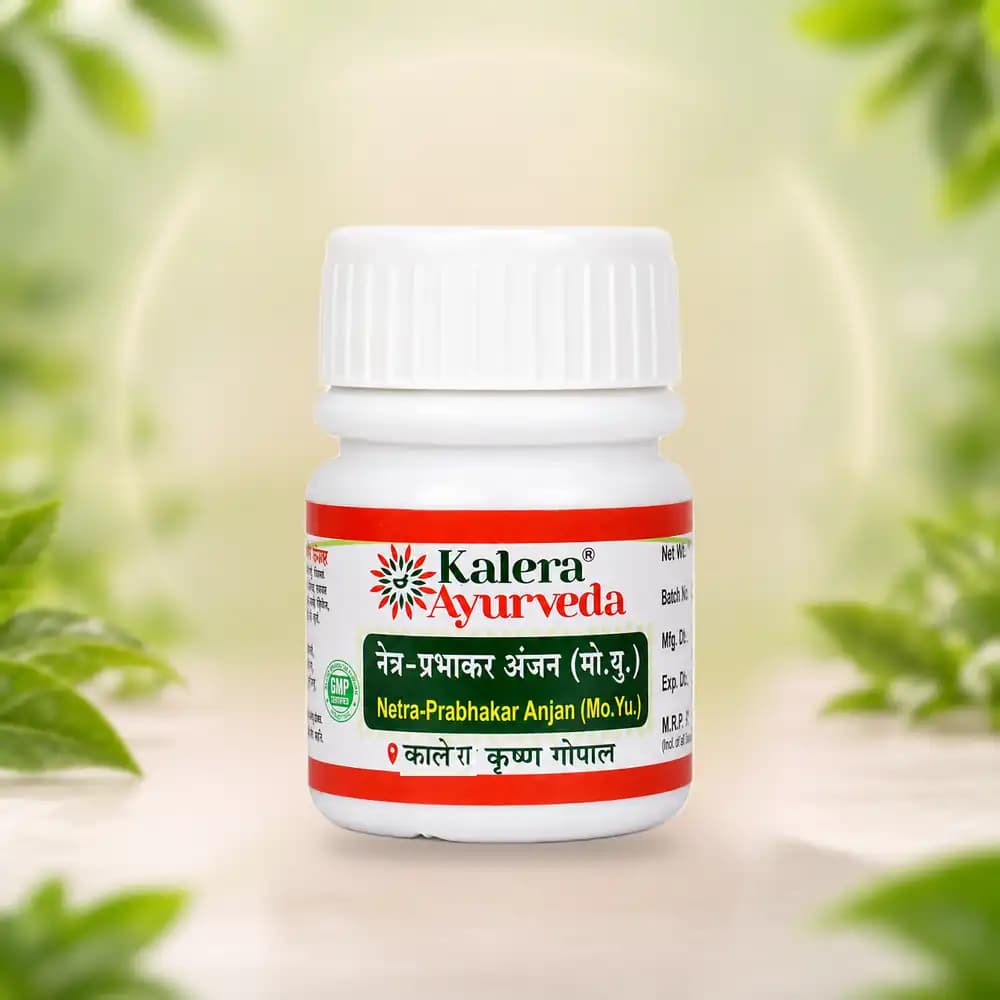
Netra-Prabhakar Anjan (Mo.Yu.) (Kalera) Kalera
Eye clarity, night vision
Container of 5 g
4.6
₹18Get ₹1 Cashback