

Stye Causes and Symptoms
Reviewed by medical experts · For informational purposes only
Introductory summary
Stye correlates with the Ayurvedic condition Anjananamika classified as a disease of the eyelid or Vartma gata roga. It arises from the vitiation of Rakta and Pitta doshas presenting as a small soft copper colored pustule on the lash line accompanied by burning and pricking pain. A similar condition called Kumbhika resembles a jamun seed and is characterized by recurrent swelling that bursts and refills. Management focuses on Swedana or fomentation to ripen the lesion followed by Bhedana or incision and Nishpidana or thoroughly squeezing out the pus. Post drainage treatment includes cleansing with Triphala Kashaya and applying healing pastes made of Manashila or Rasanjana to prevent infection and recurrence.
Stye
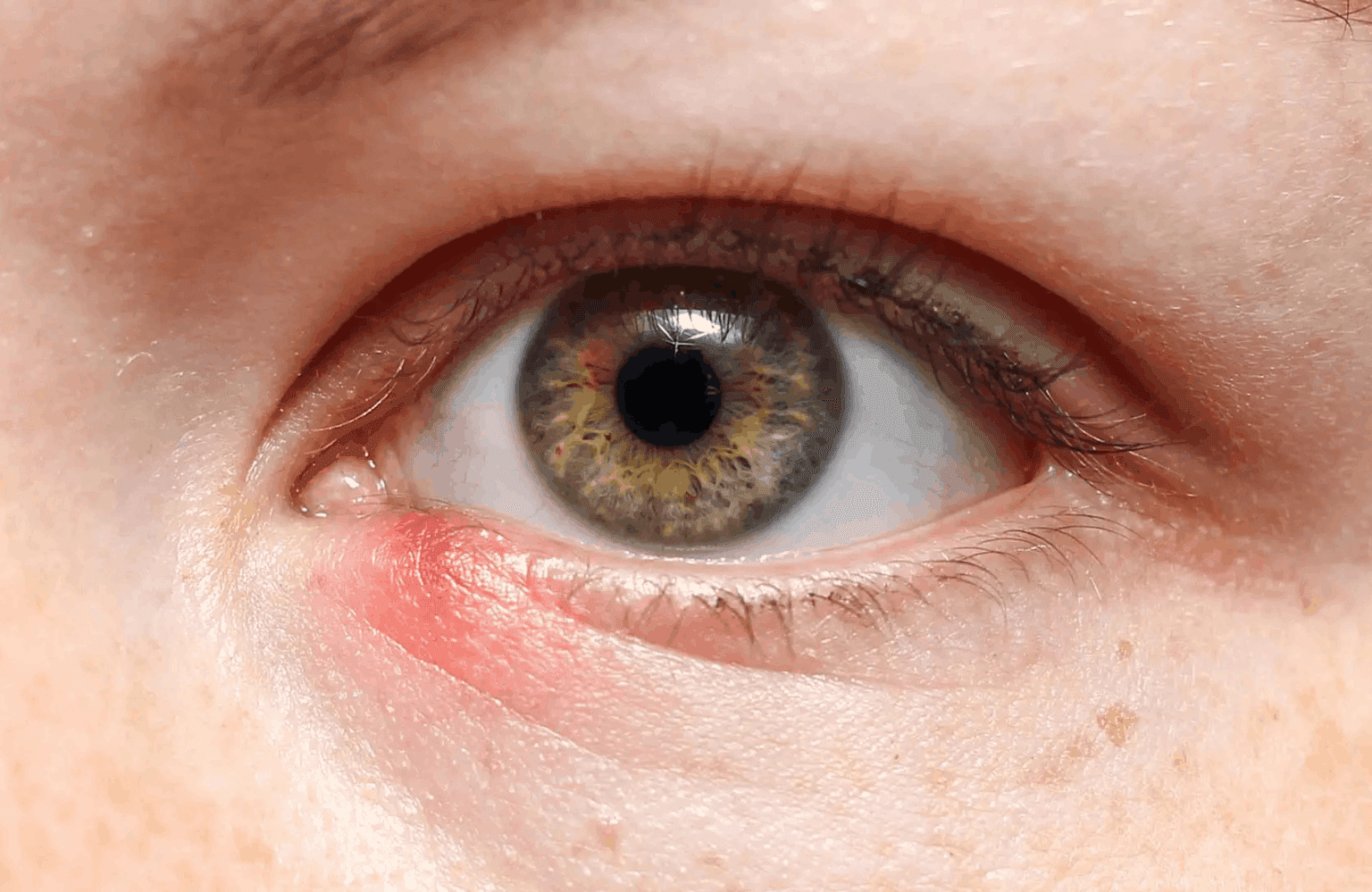
Stye, known in Ayurveda primarily as Anjananamika, is a common, painful inflammation of the eyelid margin. It presents as a small, red, tender bump at the base of the eyelashes. Ayurveda classifies this under Netra Roga (Eye Diseases), specifically disorders affecting the Vartma (eyelids). While often minor, Ayurveda recognizes it as a result of vitiated blood (Rakta) and heat (Pitta) and offers specific surgical and para-surgical interventions if the condition persists.
1. Definition
Modern Definition: An acute, localized infection of the eyelid (Hordeolum), typically caused by a bacterial infection of the oil glands, resulting in a red, painful lump.
Ayurvedic Definition:
- Anjananamika: A small (Sukshma), soft (Mridu), copper-colored (Tamra) pustule (Pidaka) located on the eyelid margin, characterized by a burning sensation (Daha) and pricking pain (Toda).
- Kumbhika: A condition where multiple pit-like swellings resembling pomegranate seeds appear on the eyelid, which may burst and refill.
2. Etymology & Conceptual Meaning
- Anjananamika: The term likely refers to the location where "Anjana" (collyrium/eyeliner) is applied, or the size of the lesion resembling a small bead of salve. It is conceptually viewed as a Raktaja (blood-borne) disorder.
- Kumbhika: Derived from "Kumbha" (pot) or resembling the seed of the "Kumbhika" plant (Water lettuce) or Pomegranate seed, indicating a cyst-like structure that fills up.
- Location: Both are diseases of the Vartma-Sandhi (Junction of the eyelid and lashes).
3. Causes (Nidana)
While specific causes for styes are not isolated from general eye diseases in brief summaries, they fall under the general etiology of Netra Roga:
- Dietary Causes: Excessive consumption of sour (Amla), salty (Lavana), and pungent (Katu) foods which vitiate Pitta and Rakta.
- Lifestyle Causes:
- Exposure to Raja (dust) and Dhuma (smoke).
- Swapnaviparyaya: Abnormal sleep patterns (sleeping during the day or staying up late at night).
- Suppression of natural urges.
- Rubbing the eyes with unclean hands.
4. Journey of the Disease (Pathogenesis/Samprapti)
- Samprapti Ghataka (Components):
- Dosha: Primarily Rakta (Blood) and Pitta (Heat) in Anjananamika. Tridosha (all three humors) are involved in Kumbhika.
- Dushya (Tissues): Mamsa (Eyelid muscle/flesh) and Rakta (Blood).
- Adhisthana (Site): Vartma (Eyelids/Lash line).
- Pathogenesis:
- Etiological factors aggravate Pitta and Rakta.
- These vitiated elements travel to the Vartma (eyelids).
- They lodge in the superficial tissues of the lash line, causing a localized swelling (Shotha) known as Anjananamika.
5. Symptoms (Lakshana)
The Madhava Nidana provides precise symptoms for distinguishing types of eyelid swellings:
- Anjananamika (Typical Stye):
- Tamra: Copper-colored redness.
- Daha: Burning sensation.
- Toda: Pricking or piercing pain.
- Mridu: Soft to the touch.
- Sukshma Pidaka: A small boil/pustule.
- Kumbhika (Internal/Recurrent Stye):
- Resembles a pomegranate seed (Kumbhika-bija).
- Swollen and painful.
- Bhinna-vartma: It has a tendency to burst and then refill/swell again.
6. Different Types or Classification (Bheda)
Ayurveda distinguishes styes from other eyelid lumps:
- Anjananamika: The classic acute, painful, red stye (External Hordeolum).
- Kumbhika: Recurrent or internal swelling involving all three Doshas (Internal Hordeolum).
- Lagana: A hard (Kathina), painless (Kandu-varjita), and large cyst on the eyelid. This correlates with a Chalazion, which is distinct from a stye.
7. Diagnosis
- Ayurvedic Diagnosis (Roga Pariksha):
- Darshana (Observation): Checking for the characteristic copper color (Tamra) and location on the lash line.
- Sparshana (Touch): Checking for tenderness (pain upon touch indicates Anjananamika) vs. hardness without pain (indicates Lagana/Chalazion).
- Differential Diagnosis:
- Utsangini: A condition with multiple pustules opening inward, not just a single marginal boil.
8. Disease Management
Treatment involves Shodhana (cleansing) and Lekhana (scraping/draining) as described in Chakradatta.
Medicines (Topical & Internal)
- Triphala: Used for washing the eyes (Prakshalana) to reduce infection and inflammation. Triphala Guggulu may be used internally for inflammation.
- Rasanjana (Daruharidra extract): Highly potent for Netra Roga. It acts as an anti-inflammatory and antiseptic.
- Paste Application: After draining the stye, a paste made of Manashila (Realgar), Ela (Cardamom), Tagara, and Saindhava (Rock salt) is applied to heal the wound and prevent recurrence.
Panchakarma & Procedures (Chakradatta)
- Swedana (Fomentation): Applying gentle heat to the eyelid to ripen the boil.
- Bhedana (Incision/Pricking): Once the stye is ripe, the physician punctures it.
- Nishpidana (Squeezing): Pressing out the pus thoroughly to ensure the infection is cleared.
- Pratisarana: Rubbing the area with the medicated paste mentioned above.
Diet (Ahara)
- Beneficial: Light foods, green gram (Mudga), old rice, and vegetables like Patola (Pointed gourd) and Karela (Bitter gourd).
- Avoid: Sour curd, pickles, excessive salt, and heavy/oily foods that increase Kapha and Pitta.
9. Prognosis
- Sadhya (Curable): Anjananamika is easily curable with simple evacuation of pus and topical application.
- Recurrence: Kumbhika has a tendency to refill after bursting ("Bhinna... puna purnah"), making it slightly more persistent if the sac is not cleared.
10. Modern Correlations
- Hordeolum Externa: Correlates with Anjananamika (Painful, red, pus-filled lump at the lash base).
- Hordeolum Internum: Correlates with Kumbhika (Deeper, may recur).
- Chalazion: Correlates with Lagana (Painless, hard nodule).
11. References
-
NHS – Stye
🔗 https://www.nhs.uk/conditions/stye/
Clear explanation and self-care advice.
-
Mayo Clinic – Stye (Hordeolum)
🔗 https://www.mayoclinic.org/diseases-conditions/sty/symptoms-causes/syc-20378017
Trusted clinical overview.
-
Cleveland Clinic – Stye
🔗 https://my.clevelandclinic.org/health/diseases/17658-stye
Symptoms, diagnosis, and management.
-
NCBI – Hordeolum (StatPearls)
🔗 https://www.ncbi.nlm.nih.gov/books/NBK470372/
Academic reference for medical research.
-
NHP India – गुहेरी (Stye)
🔗 https://www.nhp.gov.in/disease/eye-ear-nose-throat/stye
Government of India health portal (Hindi & English).
12. FAQ Section
Q: What is the difference between a Stye and a Chalazion in Ayurveda?
A: In Ayurveda, a Stye is called Anjananamika; it is soft, red, and painful (Toda). A Chalazion is called Lagana; it is a hard (Kathina), swollen nodule that is generally painless and does not burst on its own.
Q: Can I squeeze a stye?
A: Ayurvedic texts like Chakradatta describe a procedure of Nishpidana (squeezing) only after proper Swedana (steaming) and Bhedana (pricking) by a specialist. Doing it improperly can spread infection.
Q: What herbs are good for washing eyes with a stye?
A: Triphala (a combination of Haritaki, Bibhitaki, and Amalaki) and Daruharidra (Tree Turmeric/Rasanjana) are excellent for washing eyes due to their antimicrobial and anti-inflammatory properties.
Q: Does digestion affect eye health?
A: Yes. Ayurveda links eye disorders to the digestive fire (Agni). Consuming incompatible foods (Viruddha Ahara) or foods that aggravate Pitta (like excessive spice and salt) can lead to blood vitiation (Rakta Dushti), causing eye boils.
Consult a Doctor
- PP4.4Dr prince patel
Ayurveda22 yrs exp
- AI4.9Dr. Aayush Ishwar
Ayurveda2 yrs exp
- MS4.2Midun s kumar
Ayurveda4 yrs exp
- MK3.8Dr. Mohd Kashif
Ayurveda1 yrs exp
More on Stye Causes and Symptoms
Buy Medicine
 Prescribed to you4.3₹8 cashback
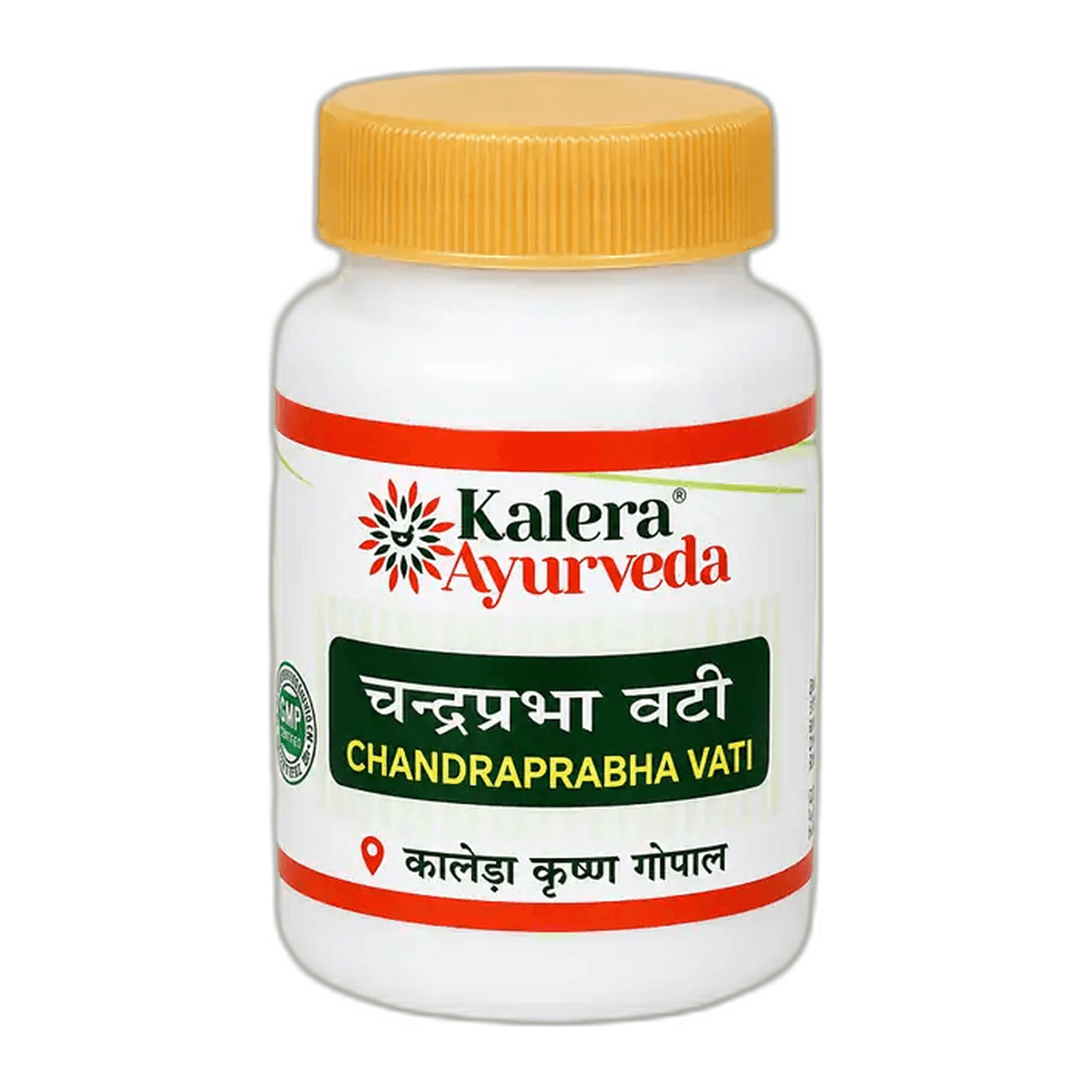
Chandraprabha Vati (Kalera) Kalera
Daily support for urinary health
Strip of 30 Tablets
4.3
₹80Get ₹8 Cashback
₹9112% off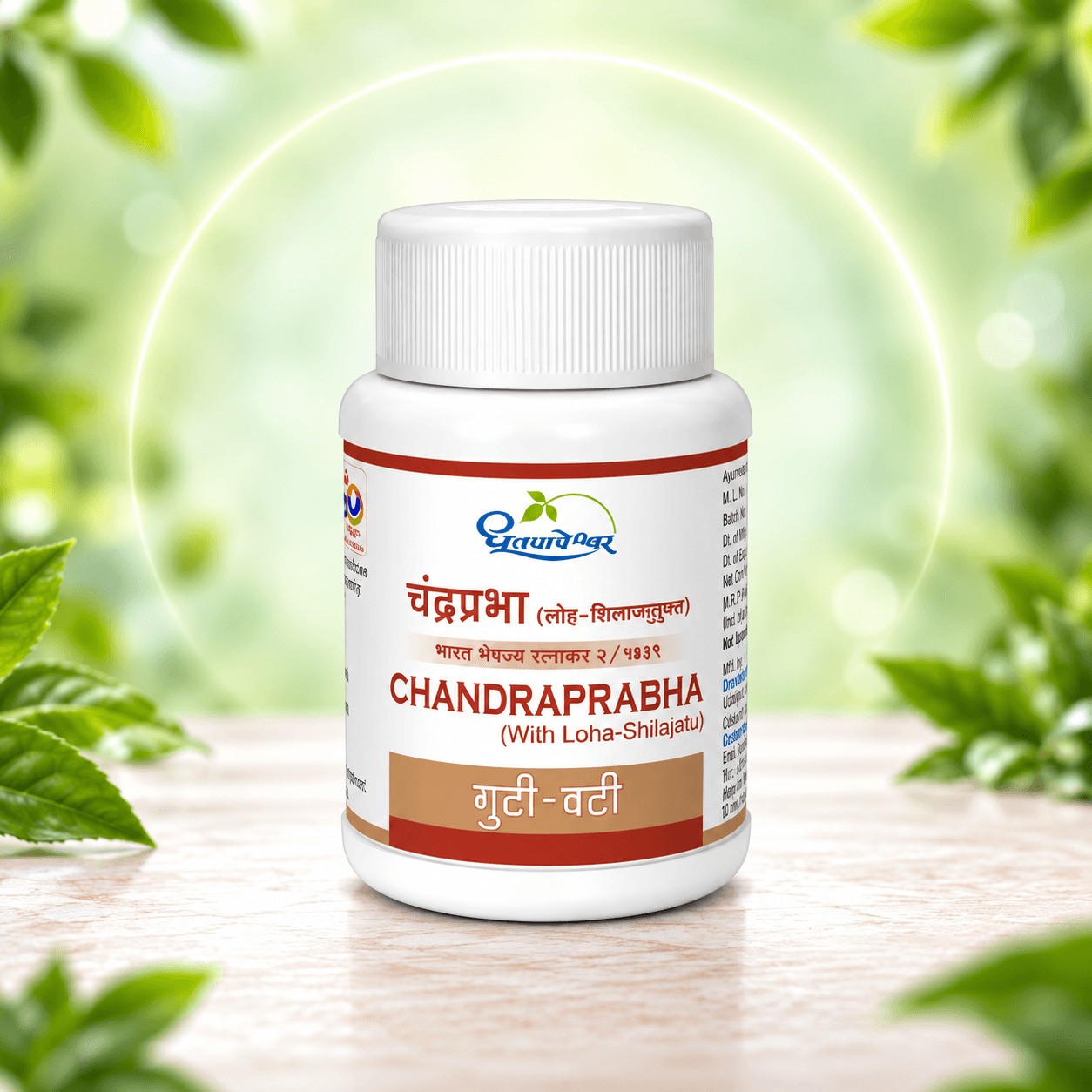 Prescribed to you4.5₹12 cashback
Chandraprabha Gutika (Dhootapapeshwar) SDL
SDLClassical tablet for urinary balance
Strip of 30 Tablets
4.5
₹128Get ₹12 Cashback
₹14411% off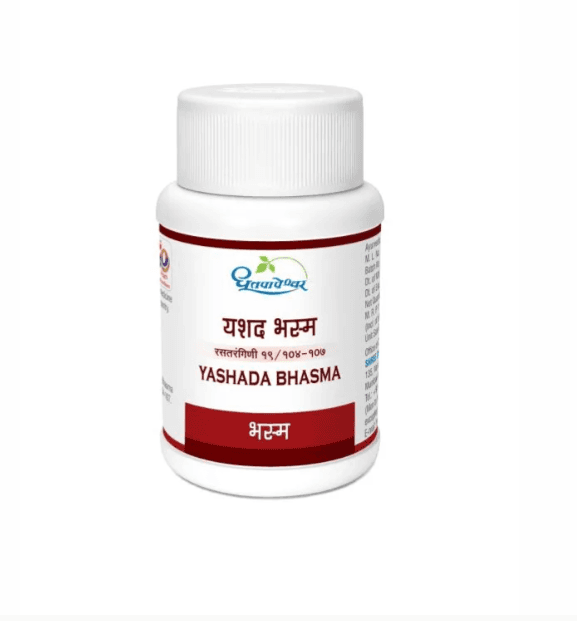 Prescribed to you4.7₹43 cashback
Yashada Bhasma (Dhootapapeshwar)SDLDhatu strength support
Container of 5 g
4.7
₹434Get ₹43 Cashback
₹49613% off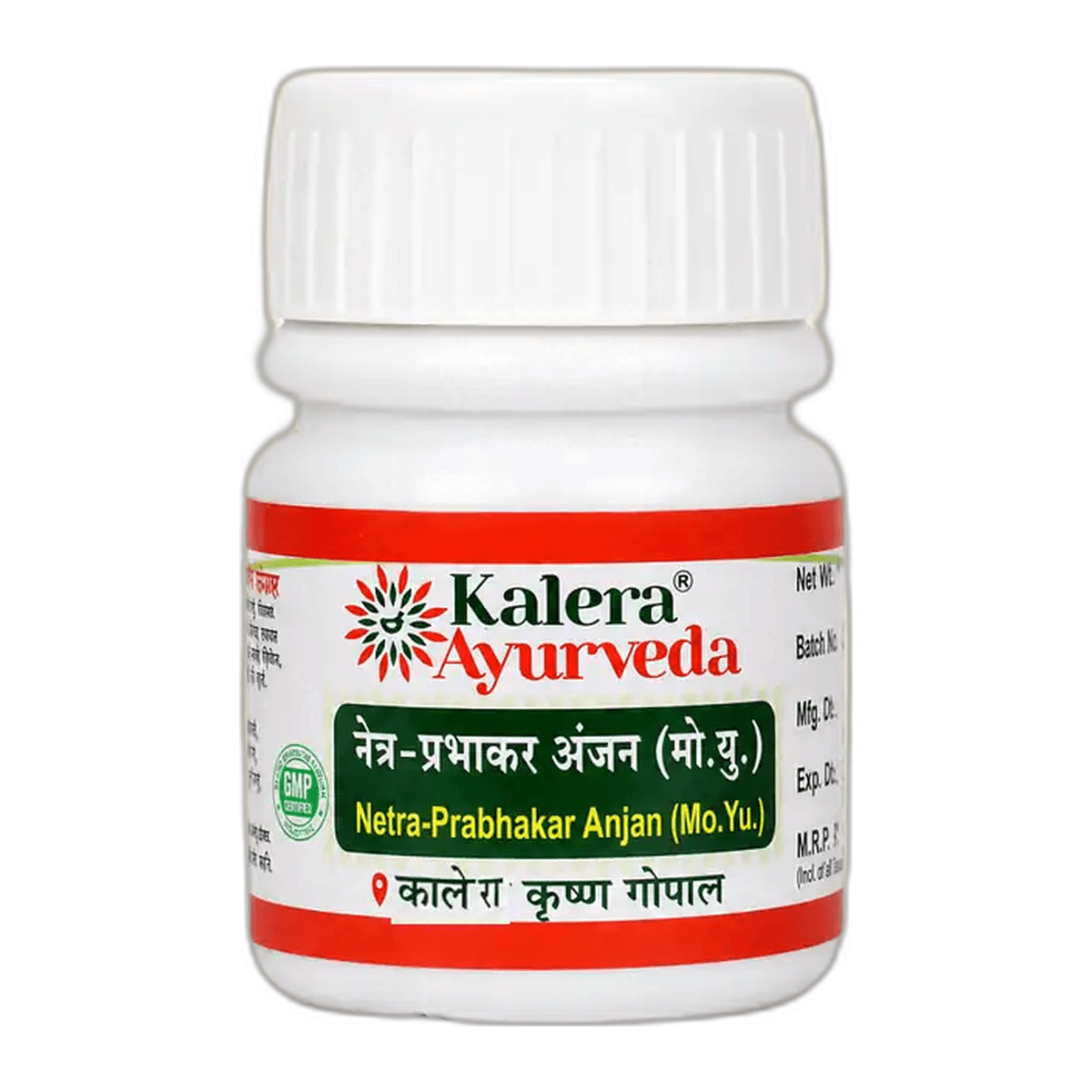 Prescribed to you4.6₹1 cashback
Netra-Prabhakar Anjan (Mo.Yu.) (Kalera)KaleraDaily support for eye clarity
Container of 5 g
4.6
₹18Get ₹1 Cashback
₹2114% off
