

Tiredness Causes and Symptoms
Reviewed by medical experts · For informational purposes only

Introductory summary
Tiredness in Ayurveda is categorized as Shrama meaning fatigue from exertion and Klama denoting weariness without physical activity. It arises from the vitiation of Vata dosha due to depletion of Rasa dhatu or nutrient plasma and Kapha aggravation causing heaviness. Common causes include malnutrition indigestion and excessive strain. Symptoms often include lethargy drowsiness known as Tandra and lack of enthusiasm. Management emphasizes strength promoting therapies known as Balya and rejuvenation or Rasayana. The Ayurvedic Formulary of India highlights formulations like Drakshasava and Ashwagandhadi Lehya to restore vitality. Dietary interventions involving grapes dates and meat soups alongside lifestyle practices like Abhyanga or oil massage are prescribed to nourish tissues and eliminate fatigue.
Tiredness
Tiredness is a state of physical or mental exhaustion and lack of energy. In Ayurveda, this condition is nuanced and classified based on whether the fatigue arises from physical activity or appears without any exertion. The primary terms used are Shrama (fatigue resulting from physical or mental work) and Klama (weariness or languor felt without any exertion). It is often a symptom of Rasa Dhatu Kshaya (depletion of nutrient plasma) or Kapha aggravation leading to heaviness.
1. Definition
- Modern Definition: A feeling of weariness, lack of energy, or exhaustion.
- Ayurvedic Definition:
- Shrama (Fatigue): Exhaustion or lethargy caused by physical exercise or exertion.
- Klama (Languor): A specific type of tiredness defined as "weariness without exertion".
- Tandra (Lassitude): A state characterized by drowsiness and a lack of enthusiasm or physical activity, often linked to Kapha dosha.
2. Etymology & Conceptual Meaning
- Klama: Refers to a state where one feels withered or exhausted without having performed any physical labor. It indicates a metabolic blockage or deficiency in the Rasa Dhatu (first tissue level).
- Daurbalya: Literally means "loss of strength" or weakness.
- Conceptual Interpretation: Ayurveda considers energy (Bala) to be dependent on the proper digestion of food (Agni) and the formation of Ojas (vital essence). When digestion is impaired (Agnimandya) or tissues are depleted (Dhatu Kshaya), tiredness manifests.
3. Causes (Nidana)
Tiredness arises from factors that deplete the body's tissues or obstruct the channels of energy.
- Dietary Causes:
- Alpashana: Eating very little or under-nutrition leads to the depletion of tissues (Dhatu Kshaya) and loss of strength.
- Guru Bhojana: Eating heavy, sweet, or oily foods in excess increases Kapha, causing heaviness (Gaurava) and lassitude.
- Indigestion: Eating before the previous meal is digested leads to the formation of toxins (Ama), which blocks channels and causes fatigue.
- Lifestyle Causes:
- Ati-Vyayama: Excessive physical exercise beyond one's capacity causes Shrama (exhaustion) and depletes Vata.
- Divaswapna: Sleeping during the day causes Kapha aggravation, leading to drowsiness and "feeling of wetness" or heaviness.
- Sexual Indulgence: Excessive sexual intercourse causes rapid loss of strength and Ojas, leading to instant lassitude in the thighs and general weakness.
- Psychological Factors:
- Mental Worry: Anxiety (Chinta) and grief (Shoka) are cited as factors that dry up the body and reduce vitality ("non-aphrodisiacs").
4. Journey of the Disease (Pathogenesis/Samprapti)
- Samprapti Ghataka (Components):
- Dosha: Vata (causing depletion/exhaustion) and Kapha (causing heaviness/lethargy).
- Dushya (Tissues): Rasa (Plasma) and Ojas (Vital Essence).
- Srotas (Channels): Rasavaha Srotas (Nutrient-carrying channels).
- Agni: Jatharagni Mandya (Weak digestive fire).
- Pathogenesis:
- Due to poor diet or over-exertion, the Agni (digestive fire) is weakened or the tissues are depleted.
- If Ama (toxins) forms, it coats the channels (Srotas), preventing proper nutrition from reaching the tissues.
- This obstruction causes Gaurava (heaviness) and Alasya (laziness).
- Alternatively, if Vata is aggravated by over-work, it depletes the Rasa Dhatu, leading to Klama (fatigue) and palpitations.
5. Symptoms (Lakshana)
- General Symptoms:
- Associated Symptoms:
- Palpitations: The heart failing or aching even on slight exertion (a sign of Rasa Dhatu diminution).
- Tandra: Drowsiness and yawning.
- Bhrama: Giddiness or vertigo.
6. Different Types or Classification (Bheda)
- Shrama: Exhaustion caused by physical or mental exertion.
- Klama: Exhaustion unrelated to activity, often due to Kapha or Ama.
- Daurbalya: General weakness associated with chronic diseases like Pandu (Anemia) or Grahani (Malabsorption).
- Ojakshaya: Loss of immunity/vitality, characterized by fear, weakness, and constant worry.
7. Diagnosis
- Ayurvedic Diagnosis (Roga Pariksha):
- Differential Diagnosis:
8. Disease Management
Treatment focuses on Balya (strength-promoting) therapies, Dipana (stimulating digestion), and Rasayana (rejuvenation).
Diet (Ahara)
- Beneficial Foods:
- Draksha (Grapes): Highly recommended for relieving fatigue (Shrama) and thirst.
- Kharjura (Dates): Nutritious and strength-promoting.
- Milk and Ghee: Considered universal promoters of strength and vitality.
- Meat Soup (Mamsarasa): Specifically indicated for those with chronic wasting or debility.
- Shashtika Rice: A specific variety of rice recommended for strength.
Lifestyle (Vihara)
- Abhyanga (Oil Massage): Daily massage with medicated oils "takes care of body exhaustion" and strengthens the body.
- Snana (Bath): Bathing is described as "relieving fatigue" and promoting strength.
- Rest: Proper sleep is essential to remove exhaustion.
Medicines
- Drakshasava: A fermented preparation of grapes. It is explicitly indicated for Klama (tiredness without exertion) and Shrama (fatigue).
- Chyavanaprasha: A famous electuary used as a Rasayana to treat cough, debility, and wasting; it promotes development and strength.
- Ashwagandhadi Lehya: A jam made of Ashwagandha, used as a nutrient to body and mind to treat weakness (Daurbalya).
- Saptamrta Lauha: An iron-copper preparation indicated for Klama (tiredness) and Pandu (anemia).
- Balarishta: Prepared from Sida cordifolia (Bala), used for strength and curing Vata disorders.
- Shilajatu: Used as a Rasayana for strength and to treat weakness.
Panchakarma
- Abhyanga (Massage): Application of oils like Mahanarayana Taila or Bala Taila relieves muscle fatigue.
- Swedana (Sudation): Steam therapy relieves heaviness (Gaurava) and stiffness.
- Nasya (Nasal Administration): Administering Anu Taila helps clear the head and remove drowsiness.
9. Prognosis
- Sadhya (Curable): Tiredness due to simple over-exertion or mild indigestion is easily managed with rest and diet.
- Krichrasadhya (Difficult): If tiredness is a symptom of deep-seated wasting diseases like Rajayakshma (Tuberculosis) or severe Pandu (Anemia), it requires long-term treatment.
10. Modern Correlations
- Chronic Fatigue Syndrome (CFS): Correlates with the concept of Klama (fatigue without exertion).
- Anemia: Correlates with Pandu Roga, where fatigue is a primary symptom due to lack of blood (Rakta).
- Neurasthenia: Correlates with Daurbalya (general weakness) and Ojakshaya.
11. References
-
Mayo Clinic – Fatigue: Symptoms & Causes
https://www.mayoclinic.org/symptoms/fatigue/basics/definition/sym-20050894
-
Cleveland Clinic – Fatigue
https://my.clevelandclinic.org/health/symptoms/21206-fatigue
-
MedlinePlus – Fatigue
https://medlineplus.gov/fatigue.html
-
Harvard Health – Understanding Fatigue
https://www.health.harvard.edu/staying-healthy/what-causes-fatigue
-
Mayo Clinic (Hindi information via general health summaries)
https://www.mayoclinic.org
-
NHS Hindi Health Information (General Reference)
https://www.nhs.uk
-
Practo Health Library (Hindi Articles)
https://www.practo.com/health-wiki
-
1mg Health Articles (Hindi & English mix)
https://www.1mg.com/diseases
12. FAQ Section
Q: What is the best Ayurvedic tonic for general tiredness?
A: Drakshasava (fermented grape juice) is highly recommended for relieving fatigue (Shrama) and tiredness without exertion (Klama). Chyavanaprasha is also excellent for general strength and immunity.
Q: Can massage help with tiredness?
A: Yes. Abhyanga (oil massage) is specifically described in Ayurveda as a therapy that "takes care of body exhaustion" (Shrama), controls Vata, and strengthens the body.
Q: Why do I feel tired even without working?
A: Ayurveda calls this Klama. It is often caused by the accumulation of Ama (toxins) or Kapha dosha, which blocks the channels, or by a deficiency in Rasa Dhatu (nutrient plasma).
Q: Is Ashwagandha good for tiredness?
A: Yes. Ashwagandha is a premier Rasayana (rejuvenative) herb used to treat Daurbalya (weakness) and nourish the body tissues.
Q: What foods should I eat to gain strength?
A: Foods that are Balya (strength-promoting) include milk, ghee, grapes (Draksha), dates (Kharjura), and meat soups (Mamsarasa).
Consult a Doctor
- KC5.0Dr. Kamesh chand sharma
Ayurveda2 yrs exp
- PP4.4Dr prince patel
Ayurveda22 yrs exp
- KH4.4Dr Kowshalya H S
Ayurveda3 yrs exp
- AK4.8Dr. Amalnath K Viswanathan
Ayurveda4 yrs exp
More on Tiredness Causes and Symptoms
Buy Medicine
 Prescribed to you4.2₹28 cashback
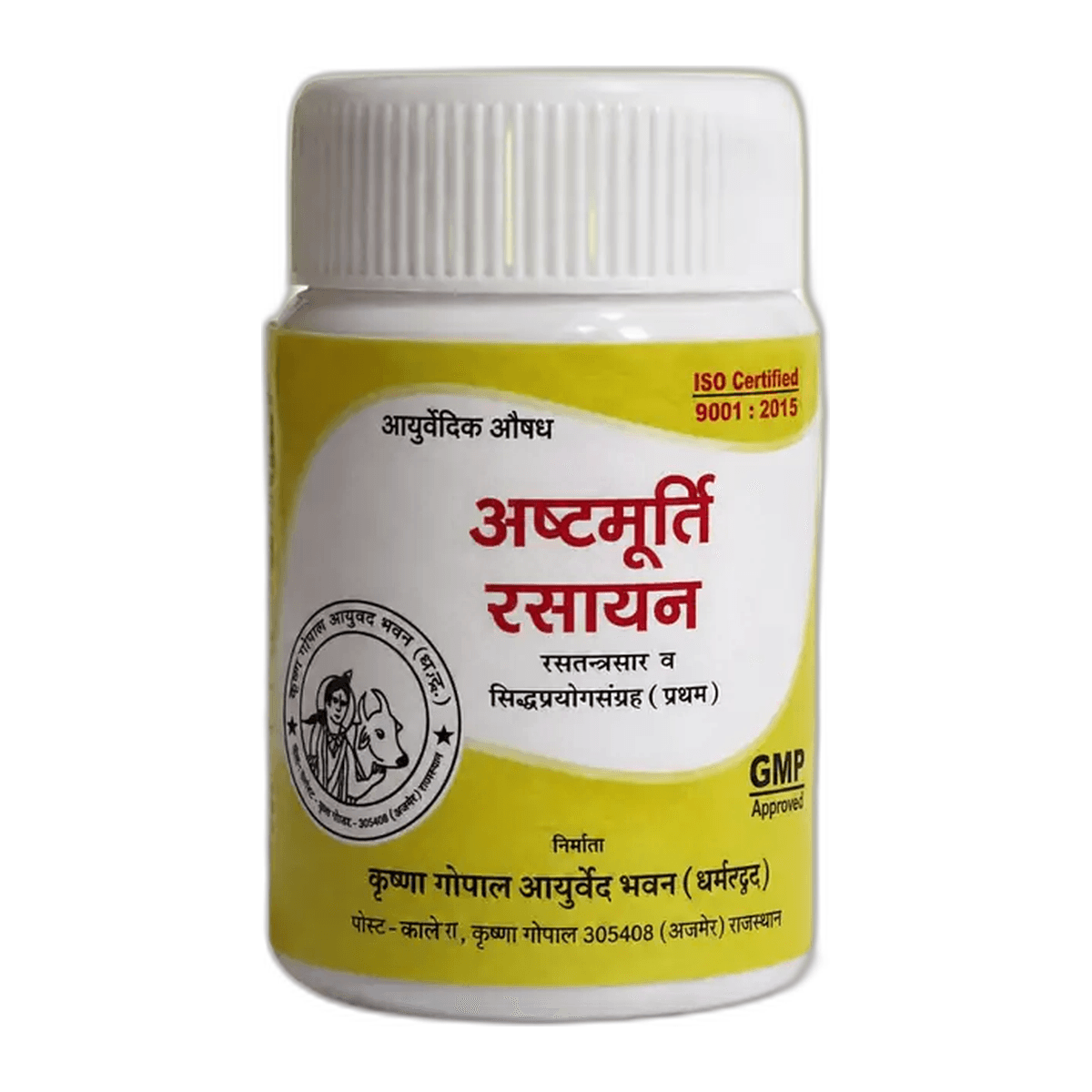
Ashtamurti Rasayan (Kalera) Kalera
Supports vitality for daily wellness
Container of 2 g
4.2
₹280Get ₹28 Cashback
₹32313% off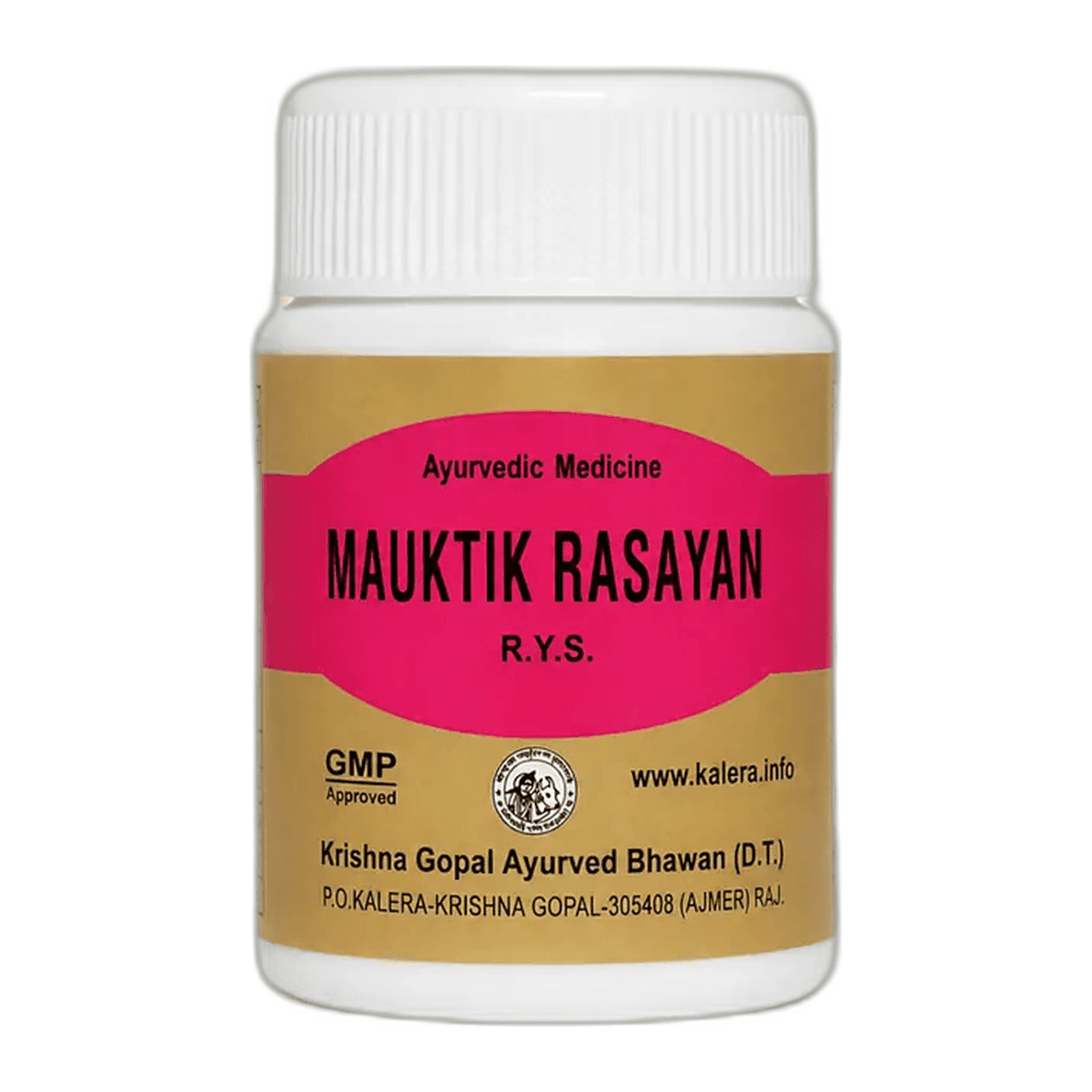 Prescribed to you4.4₹44 cashback
Mauktik Rasayan (Kalera)KaleraSupports pearl calms pitta naturally
500 mg
4.4
₹445Get ₹44 Cashback
₹51113% off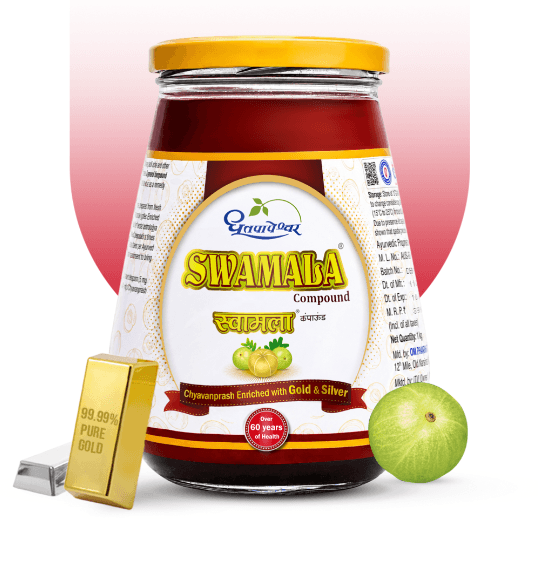 Prescribed to you4.4₹310 cashback
Swamala Compound (Dhootapapeshwar) SDL
SDLImmunity and restorative support
500 g
4.4
₹3,100.03Get ₹310 Cashback
₹3,55713% off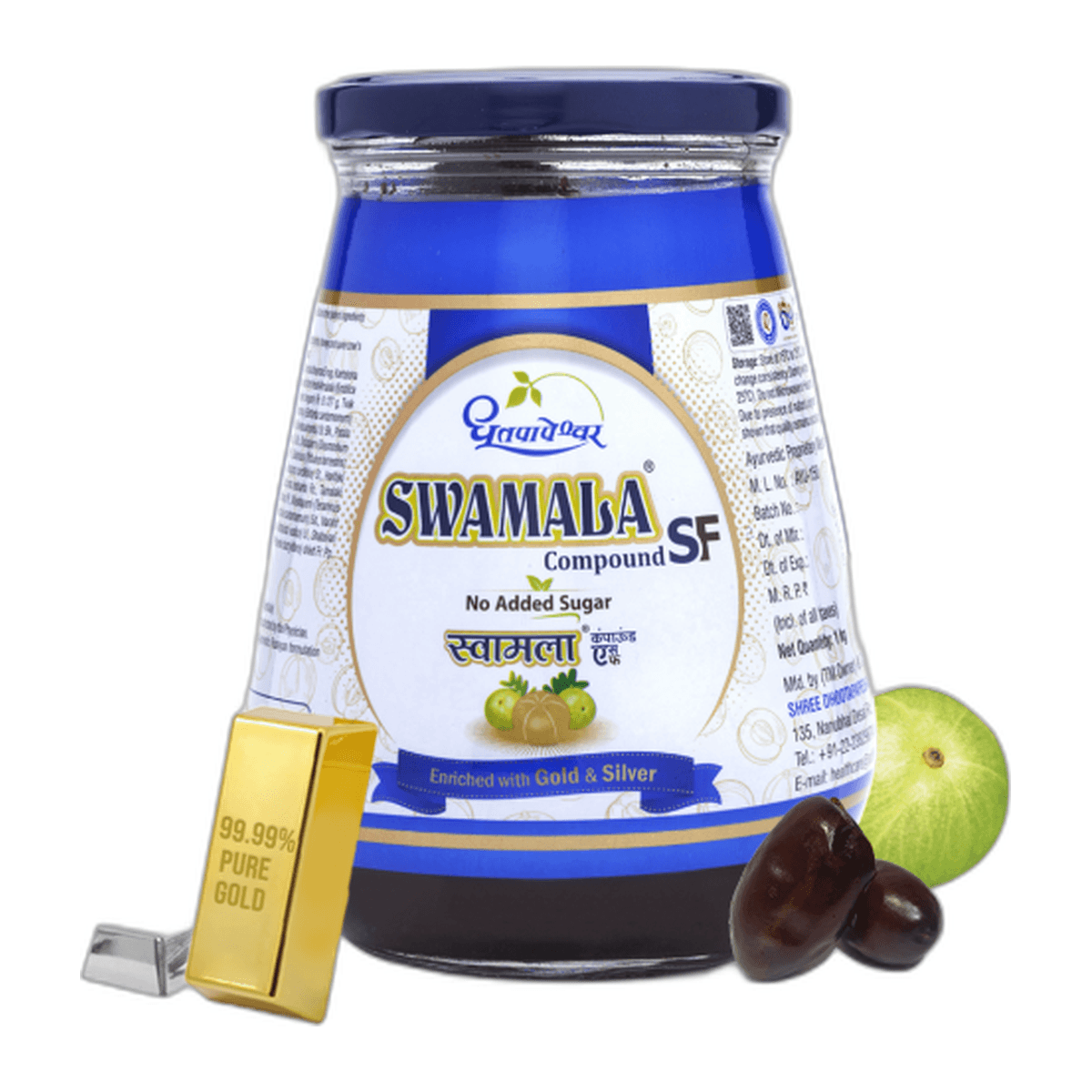 Prescribed to you4.2₹310 cashback
Swamala Compound SF (Dhootapapeshwar)SDLSugar-free Chyawanprash
500 g
4.2
₹3,100.03Get ₹310 Cashback
₹3,46411% off
