Manjistha
Reviewed by medical experts · For informational purposes only
Introductory summary
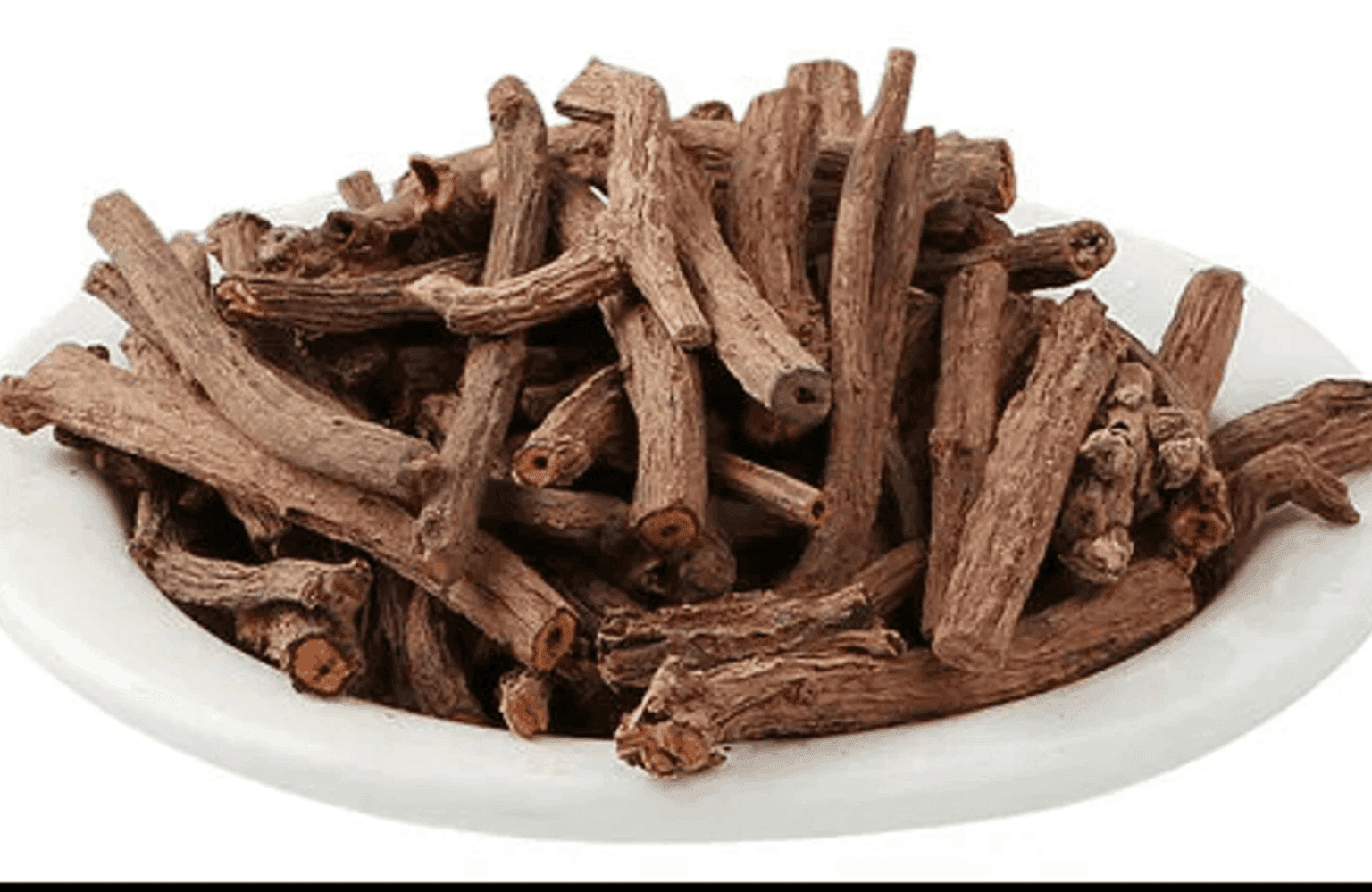
Manjistha scientifically known as Rubia cordifolia is a renowned Ayurvedic climber valued as a powerful blood purifier and complexion enhancer. The dried root is the primary medicinal part utilized to treat obstinate skin diseases including leprosy erysipelas and pigmentation disorders,. Possessing Bitter Astringent and Sweet tastes it effectively balances Pitta and Kapha doshas. It is a critical ingredient in wound healing formulations like Jatyadi Ghrita and Jatyadi Taila helping to cure deep seated ulcers and fistulas,. Furthermore Manjistha is essential in gynecological preparations like Ashokarishta and Phala Ghrita for managing menstrual disorders and infertility,. It is also indicated for gout urinary conditions and as an antidote for poisons,.
Manjistha
Manjistha, scientifically known as Rubia cordifolia, is a renowned climbing herb in Ayurveda, best known for its blood-purifying and complexion-enhancing properties. It is extensively used in traditional medicine to treat skin diseases, correct pigmentation disorders, and heal chronic wounds. It is classified as Varnya (improving complexion) and Viṣaghna (anti-poison/detoxifying) in classical texts.
1. Name of the Herb
- Common Name: Indian Madder, Manjistha.
- Scientific Name: Rubia cordifolia Linn..
- Sanskrit Names: Mañjiṣṭhā, Vikasa, Yojanavallī, Jingī, Samangā (Note: Samangā is sometimes used for Lajjalu, but Manjistha is often associated with the name in specific contexts of blood purification),.
- Regional Names: Manjith (Hindi), Manjitti (Tamil).
2. Brief Description
Manjistha is a perennial prickly creeper or climber with reddish roots. In Ayurveda, it is highly valued as a Raktashodhaka (blood purifier). It is considered the best herb for improving skin glow and treating disorders related to the blood (Rakta) and Pitta dosha. It is a key ingredient in famous skin formulations like Kumkumadi Taila and wound-healing oils like Jatyadi Taila,.
3. Source / Part Used
- Plant Source: Herbal / Plant-based (Climber).
- Part Used: Primarily the Root (Mūla),,. Some pharmacopoeial lists also mention the Stem (Kāṇḍa).
4. Ayurvedic Properties
Based on its therapeutic indications in the Ayurvedic Formulary of India and classification in Charaka Samhita:
- Rasa (Taste): Tikta (Bitter), Kaṣāya (Astringent), and Madhura (Sweet),.
- Guna (Qualities): Guru (Heavy) and Rūkṣa (Dry).
- Virya (Potency): Śīta (Cold).
- Vipaka (Post-digestive effect): Kaṭu (Pungent).
- Dosha Effect: Pittakaphashamaka (Pacifies Pitta and Kapha doshas). Its cooling nature reduces the heat of Pitta, while its bitter/astringent taste reduces Kapha.
5. Key Benefits
- Purifies Blood: Acts as a potent blood purifier, removing toxins and heat from the blood.
- Enhances Complexion: It is categorized under the Varnya group, making it effective for improving skin tone and removing spots.
- Heals Wounds: Essential for treating non-healing ulcers (Dushta Vrana) and burns.
- Treats Skin Diseases: Effective against eczema, erysipelas (Visarpa), and leprosy/skin disorders (Kustha).
- Detoxifier: Classified as Visaghna, helping to eliminate poisons from the body.
6. Uses / Indications
Manjistha is indicated in Ayurveda for the following conditions:
- Skin Disorders: Vyanga (Pigmentation/Melasma), Nīlikā (Moles/Blue spots), Kuṣṭha (Skin diseases), and Visarpa (Erysipelas),,.
- Wounds: Nāḍī Vraṇa (Sinus/Fistula), Dagdha Vraṇa (Burn wounds), and Dushta Vraṇa (Non-healing ulcers).
- Joint Disorders: Vātarakta (Gout) and Sandhivāta (Joint pain/Arthritis).
- Gynecological: Pradara (Excessive vaginal discharge) and uterine disorders,.
- General: Jvara (Fever), Dāha (Burning sensation), and Prameha (Urinary disorders/Diabetes),.
7. How It Works
- Blood Purification: Manjistha reduces acidity and heat in the body, acting as an anti-inflammatory and antioxidant agent for the blood tissue (Rakta Dhatu).
- Wound Healing: In oils like Jatyadi Taila, it helps cleanse the wound and promote granulation, effectively treating deep-seated sinuses and burns.
- Skin Pigmentation: In formulations like Kumkumadi Taila, it works on the Bhrajaka Pitta in the skin to lighten hyperpigmentation (Vyanga) and restore natural color.
8. Dosage
The recommended dosage depends on the form used:
- Powder (Churna): 1 to 3 grams.
- Decoction (Kvatha): 20 to 50 ml.
- As an Ingredient: It is used in fermented tonics (Arishtas) like Ashokarishta (12-24 ml) and medicated ghees like Maha Kalyanaka Ghrita (12g).
9. Safety Information
Manjistha is generally considered safe when taken in recommended doses. It is a common ingredient in formulations used for children (e.g., Arvindasava) and women (e.g., Ashokarishta), indicating a high safety profile.
10. Side Effects
- No specific severe side effects are reported in the texts for therapeutic doses.
- Due to its cooling (Sita) and drying (Ruksha) nature, excessive use might slightly aggravate Vata (dryness) in very sensitive individuals, but it is generally balanced.
11. Precautions
- Pregnancy: While used in some pregnancy-related formulations (like Phala Ghrita for fertility), it should be taken under medical supervision during pregnancy.
- Diet: Patients taking Manjistha for skin diseases or blood purification are often advised to avoid spicy, sour, and incompatible foods (Viruddha Ahara) to support the cooling action of the herb.
12. Storage Instructions
- Store the dried root powder in a cool, dry place.
- Keep medicated oils containing Manjistha (like Mahanarayana Taila) in air-tight containers away from direct sunlight.
13. References
-
WHO Monographs on Selected Medicinal Plants
https://apps.who.int/iris/handle/10665/42052
-
WHO Global Report on Traditional and Complementary Medicine
https://www.who.int/publications/i/item/9789241515436
-
Ayurvedic Pharmacopoeia of India (API) – Manjistha
https://www.ayush.gov.in
-
PubMed – Rubia cordifolia Research Articles
https://pubmed.ncbi.nlm.nih.gov/?term=Rubia+cordifolia
-
NCBI Taxonomy Database – Rubia cordifolia
https://www.ncbi.nlm.nih.gov
-
ScienceDirect – Manjistha Phytochemistry & Pharmacology
https://www.sciencedirect.com/topics/pharmacology-toxicology-and-pharmaceutical-science/rubia-cordifolia
-
Wiley Online Library – Rubia cordifolia Research
https://onlinelibrary.wiley.com
-
Kew Science – Plants of the World Online (Rubia cordifolia)
https://powo.science.kew.org
-
World Flora Online – Rubia cordifolia
https://www.worldfloraonline.org
14. FAQs
Q. Can it be taken daily?
Yes, in small doses (e.g., as a tea or mixed with honey/ghee), it can be taken as a blood purifier and skin tonic.
Q. When should it be taken?
It is typically taken after meals. For skin conditions, it is often applied externally as an oil or paste (Lepa).
Q. Can it be taken with milk/water?
Yes. The powder can be taken with warm water or honey. In medicated ghees (Ghrita), it is processed with milk and ghee.
Consult a Doctor
- AK4.8Dr. Amalnath K Viswanathan
Ayurveda4 yrs exp
- AI4.9Dr. Aayush Ishwar
Ayurveda2 yrs exp
- KJ4.6Dr Kruti Jaxesh Bhavsar
Ayurveda1 yrs exp
- MS4.2Midun s kumar
Ayurveda4 yrs exp
Buy Medicine
 Prescribed to you4.3₹21 cashback
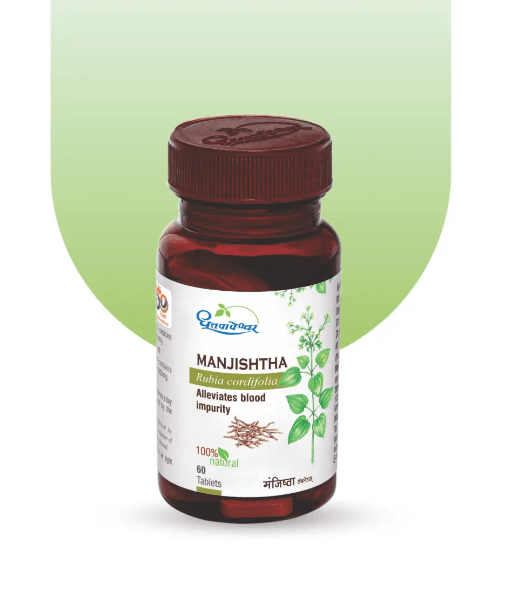
Manjistha Tab (Dhootapapeshwar) SDL
SDLSupports skin complexion
Strip of 60 Tablets
4.3
₹210Get ₹21 Cashback