Rose
Reviewed by medical experts · For informational purposes only

Introductory summary
Rose known as Satapatrika in Ayurveda corresponds to Rosa centifolia and is valued for its cooling properties. The flower petals are distilled to produce rose water or Gulab Arka which serves as a crucial medium for processing potent mineral medicines like Pravala Pisti and Mukta Pisti. It effectively pacifies Pitta dosha making it a premier remedy for burning sensations known as Daha and bleeding disorders like Raktapitta. Therapeutically formulations processed with rose are indicated for heart diseases fever and respiratory conditions including cough and phthisis. It acts as a refrigerant and tonic helping to reduce body heat and support mental weakness when used in specific compounds.
Rose
Rose, scientifically known as Rosa centifolia, is a flowering plant widely cherished for its fragrance and beauty. In Ayurveda, it is known as Satapatrika (having hundred petals) or Taruni. It is highly valued for its cooling and soothing properties. Rose is not just a flower but a potent medicinal ingredient used to pacify excess heat (Pitta) in the body. It is frequently used in the form of distilled water (Gulab Arka) to process medicines like coral and pearl calcium, enhancing their cooling and rejuvenating effects.
1. Name of the Herb
- Common Name: Rose, Cabbage Rose.
- Scientific Name: Rosa centifolia Linn.
- Sanskrit Names: Śatapatrikā, Taruṇī.
- Regional Names: Gulab (Hindi/Gujarati/Marathi).
2. Brief Description
The Rose is a prickly shrub known for its fragrant, multi-petaled flowers. In traditional Ayurveda, the flower petals are distilled to produce Gulab Arka (Rose Water), which is considered a "Divine Water" for processing gems and minerals. It serves as a natural refrigerant and tonic, used to treat conditions associated with high body heat, such as fever, burning sensations, and acidity. It is a key ingredient in preparing cooling formulations like Pravala Pisti (Coral Calcium).
3. Source / Part Used
- Plant Source: Herbal / Plant-based.
- Part Used: Flower (Fl.).
- Specifically, the Distilled Rose Water (Gulab Arka / Taruni parisruta jala) is extensively used in pharmacy.
4. Ayurvedic Properties
- Rasa (Taste): Tikta (Bitter), Kashaya (Astringent), Madhura (Sweet) (Inferred from its cooling action and general properties of the Rosaceae family).
- Guna (Qualities): Laghu (Light), Snigdha (Unctuous/Soothing).
- Virya (Potency): Sheeta (Cold) (Evidenced by its use in Pitta disorders and burning sensation).
- Vipaka (Post-digestive effect): Madhura (Sweet).
- Dosha Effect: Pittahara (Pacifies Pitta). It balances the heat element in the body.
5. Key Benefits
- Reduces Body Heat: Acts as a powerful refrigerant, relieving Daha (burning sensation) in the body.
- Supports Heart Health: Used in formulations for Hrdroga (Heart diseases) and Hrd-daurbalya (Weakness of the heart).
- Calms the Mind: Beneficial for Manodaurbalya (Mental weakness) and Unmada (Psychosis) when used with other herbs.
- Stops Bleeding: Helps manage Raktapitta (Bleeding disorders) due to its astringent and cooling nature.
- Relieves Respiratory Issues: Used in medicines for Kasa (Cough) and Svasa (Asthma).
6. Uses / Indications
Rose (often as Rose Water) is indicated in Ayurveda for processing medicines for the following conditions:
- Pitta Disorders: Paittika Roga (Diseases due to Pitta dosha) and Amlapitta (Hyperacidity/Dyspepsia).
- Fever: Jvara (Fever) and Jirnajvara (Chronic fever).
- General Weakness: Daurbalya (Weakness) and Ojakshaya (Loss of immunity/vitality).
- Digestive Issues: Agnimandya (Digestive impairment) and Atisara (Diarrhea).
- Respiratory: Kasa (Cough) and Svasa (Asthma).
7. How It Works
- Cooling Action: Rose possesses a strong Sheeta (Cold) potency. When used as Bhavana (impregnation) liquid for minerals like Coral (Pravala) or Pearl (Mukta), it infuses them with cooling energy, making them highly effective against heat-induced diseases like high fever, bleeding, and ulcers.
- Soothing: It acts as a Shamana (pacifier) for irritated nerves and tissues, relieving burning sensations in the stomach, skin, or extremities.
- Heart Tonic: It has a specific affinity for the heart (Hrdya), strengthening the cardiac muscles and calming emotional stress.
8. Dosage
(General guidance for Rose Water/Arka):
- Rose Water (Arka): 20 to 40 ml.
- Powder (Dried Petals): 3 to 6 grams.
- Note: In Ayurvedic formulations like Mukta Pisti, it is used as a processing agent, and the dosage of the final medicine is small (65-125 mg).
9. Safety Information
Rose is considered extremely safe and gentle. It is widely used in food, cosmetics, and medicine. It is suitable for children and the elderly due to its mild nature.
10. Side Effects
- Usually no side effects are observed when taken in moderation.
- Excessive intake of rose petals might cause mild constipation in some individuals due to astringency.
11. Precautions
- Purity: Ensure the use of pharmaceutical-grade Rosa centifolia (Satapatrika) and not ornamental hybrid roses which may lack medicinal properties.
- Cold Constitution: People with severe Kapha imbalance (excess cold/mucus) should use it in moderation as it is cooling.
12. Storage Instructions
- Store Rose water in a cool, dark place in tightly closed bottles to prevent loss of volatile essential oils.
- Dried petals should be kept in air-tight containers away from moisture.
13. References
-
Ayurvedic Pharmacopoeia of India (API) – Rosa damascena
https://pcimh.gov.in
-
WHO Monographs on Selected Medicinal Plants
https://apps.who.int/iris/handle/10665/42052
-
WHO Global Report on Traditional and Complementary Medicine
https://www.who.int/publications/i/item/9789241515436
-
European Medicines Agency (EMA) – Rosae flos
https://www.ema.europa.eu
-
ESCOP Monographs – Rosa damascena
https://escop.com
-
FAO Ecocrop Database – Rosa damascena
https://ecocrop.fao.org
-
PubMed – Rosa damascena Research Articles
https://pubmed.ncbi.nlm.nih.gov/?term=Rosa+damascena
-
NCBI Taxonomy Database – Rosa damascena
https://www.ncbi.nlm.nih.gov
-
ScienceDirect – Rose Phytochemistry & Pharmacology
https://www.sciencedirect.com/topics/pharmacology-toxicology-and-pharmaceutical-science/rosa-damascena
-
SpringerLink – Clinical & Experimental Studies on Rose
https://link.springer.com
-
Wiley Online Library – Rosa damascena Research
https://onlinelibrary.wiley.com
14. FAQs
Q. Can it be taken daily?
Yes, Rose water or gulkand (rose petal jam) is safe for daily use, especially in summer to cool the body.
Q. When should it be taken?
It is often taken in between meals or as a vehicle (Anupana) for other medicines to reduce their heat.
Q. Can it be taken with milk/water?
Yes, Rose water can be mixed with water or milk. In medicines like Pravala Pisti (Coral processed with Rose water), the recommended vehicle is often honey, butter, or ghee.
Consult a Doctor
- SP4.5Dr Sreelekha P Nair
Ayurveda6 yrs exp
- SJ3.9SUMEDH JOSHI
Ayurveda7 yrs exp
- VH3.9Vaidya Harsh
Ayurveda9 yrs exp
- GG3.0Dr GN Govinda
Ayurveda1 yrs exp
Buy Medicine
 Prescribed to you4.4₹29 cashback
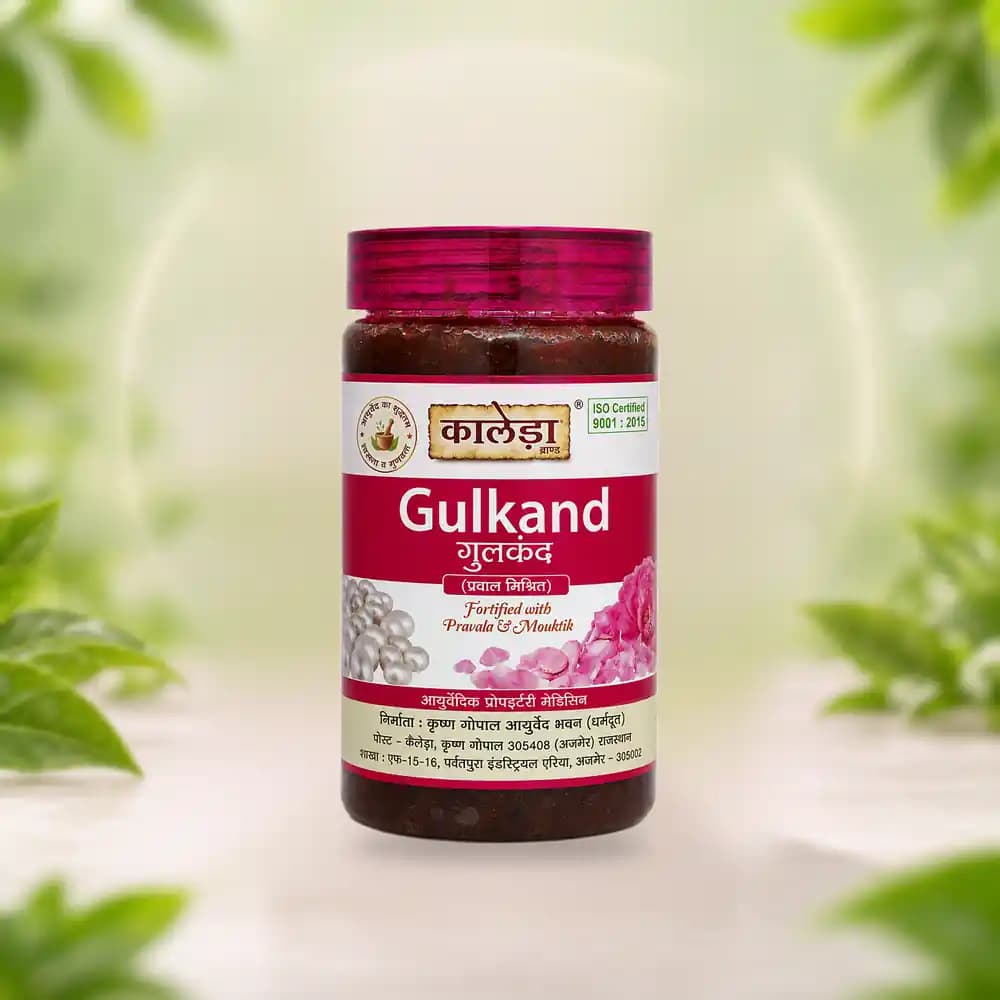
Gulkand (Praval Mishrit) (Kalera) Kalera
Cooling rose preserve with coral
Container of 500 g
4.4
₹290Get ₹29 Cashback
 Prescribed to you4.5₹20 cashback
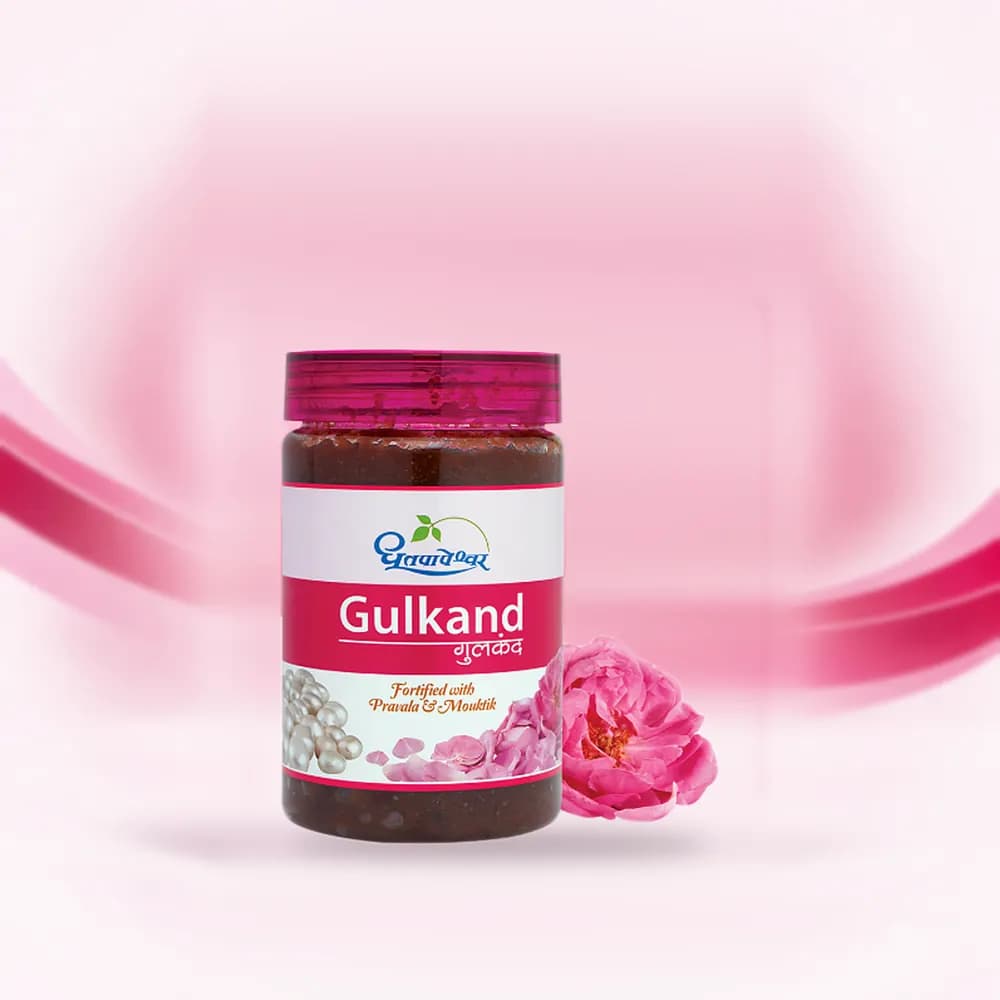
Gulkand (Dhootapapeshwar) SDL
SDLCooling, Pitta-soothing support
Container of 200 g
4.5
₹200Get ₹20 Cashback