
Reviewed by medical experts • For informational purposes only
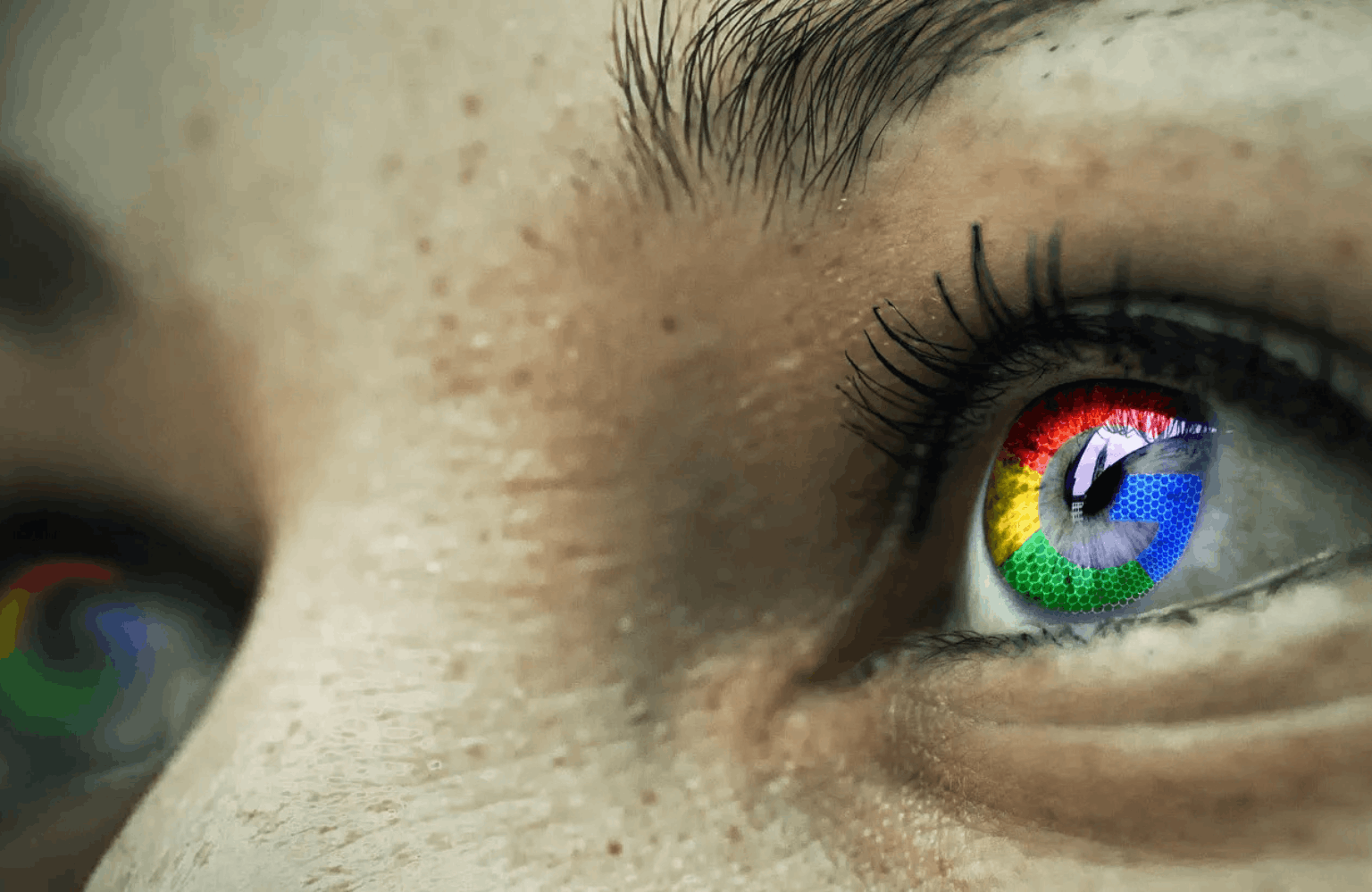
Color blindness correlates with the Ayurvedic concepts of Drishti Dosha and Timira representing defects in visual perception caused by the vitiation of Alochaka Pitta. When aggravated Doshas settle in the layers of the eye they distort color perception causing objects to appear yellow red or white. Ayurvedic management prioritizes Pitta pacification and nourishing the optic nerves. Potent formulations like Triphala Ghrita and Saptamrita Lauha are prescribed to strengthen vision and treat Timira. External therapies are essential specifically Tarpana which involves retaining medicated ghee over the eyes and the application of collyriums such as Chandrodaya Varti and Vimala Vartti. These treatments aim to clear visual obstructions reduce internal heat and restore natural color distinction.
Color Blindness (or Color Vision Deficiency) is a visual impairment where an individual cannot distinguish certain colors, such as red and green, or sees objects in colors different from reality. In Ayurveda, defects in color perception are not typically described as a genetic lack of cones, but rather as a result of the (Fire/Heat element) vitiating the (vision/). Conditions such as (vision scorched by heat) and specific stages of (visual dimness/distortion) explicitly describe symptoms where the patient sees objects as yellow, red, or white, losing true color perception.
Modern Definition: An inability to distinguish certain colors (usually red and green) or seeing colors differently than normal vision, often due to genetic defects in the photoreceptors (cones) of the eye.
Ayurvedic Definition: A defect of the Drishti (vision) where the vitiation of Pitta causes the patient to see everything as yellow (Pitan Pashyati), or vitiation of Kapha causes objects to appear white (Shuklan). It is a form of Drishti Dosha (visual defect) where the natural color perception is obstructed or superimposed by the color of the aggravated Dosha.
Ayurveda attributes vision defects to factors that aggravate Pitta and damage the Drishti (visual apparatus).
The symptoms depend on the dominant Dosha affecting the vision:
While modern medicine classifies by color axis (Red-Green, Blue-Yellow), Ayurveda classifies by the superimposed color sensation:
Management focuses on Pitta-Shamana (cooling therapies) and strengthening the Drishti (vision).
National Eye Institute (NEI) – Color Vision Deficiency
Causes, types, diagnosis, and genetic aspects
🔗 https://www.nei.nih.gov/learn-about-eye-health/eye-conditions-and-diseases/color-blindness
Symptoms, risk factors, and testing
🔗 https://www.mayoclinic.org/diseases-conditions/color-blindness
MedlinePlus (U.S. National Library of Medicine) – Color Blindness
Patient-friendly overview
🔗 https://medlineplus.gov/colorblindness.html
Cleveland Clinic – Color Vision Deficiency
Diagnosis and management
🔗 https://my.clevelandclinic.org/health/diseases/8575-color-blindness
All India Institute of Medical Sciences (AIIMS) – Ophthalmology Education
Eye disorders awareness
🔗 https://www.aiims.edu
राष्ट्रीय स्वास्थ्य पोर्टल (National Health Portal – India)
रंग अंधता / वर्णांधता
🔗 https://www.nhp.gov.in
Q: Can Ayurveda treat color blindness?
A: Ayurveda describes conditions like Pitta-Vidagdha-Drishti where color perception is altered (seeing yellow). While genetic color blindness is difficult to change, acquired color distortions due to eye strain or Dosha imbalance can be managed with treatments like Tarpana and Triphala Ghrita.
Q: What is "Day Blindness" in Ayurveda?
A: It is called Pitta-Vidagdha-Drishti. It occurs when Pitta (Heat) is aggravated. The patient sees everything as yellow and cannot see well during the day (when the sun is hot) but sees better at night.
Q: Is Ghee good for color vision problems?
A: Yes. Ghee (Ghrita) is the specific remedy for Pitta defects in the eyes. Medicated ghees like Maha Kalyanaka Ghrita are used to nourish the vision and clear obstructions.
Q: What is the best Ayurvedic herb for the eyes?
A: Triphala (a combination of Haritaki, Bibhitaki, and Amalaki) is the premier tonic for Netra Roga (eye diseases). It balances all Doshas and strengthens vision.
Written By
Sathyaprek
BDS
Reviewed By
Dr. Varun Gupta
MD Pharmacology, MBBS
Last updated on
Apr 2, 2026 • 06:23 PM (IST)
Read Our Editorial Policy
Want to know more?
Have issue with the content?
Report Problem