Diphtheria
Reviewed by medical experts · For informational purposes only
Introductory summary
Diphtheria correlates with the Ayurvedic condition Rohini which is a severe throat disorder characterized by the formation of fleshy sprouts or membranes that obstruct the air passage. It arises from the simultaneous vitiation of the Tridosha particularly Pitta and Kapha along with blood tissue leading to intense inflammation and suffocation. Madhava Nidana classifies it into five types based on the dominant dosha with Tridoshaja and Raktaja types considered incurable due to rapid tissue destruction. Management involves aggressive interventions to clear the obstruction including bloodletting to relieve congestion and local applications of potent herbs like Katuka and Neem. Gargles with astringent barks are used to reduce swelling while modern prevention relies heavily on vaccination coverage as noted in global health statistics,,.
Diphtheria
Diphtheria is a serious bacterial infection that affects the mucous membranes of the throat and nose. In Ayurveda, this condition correlates with the disease Rohini, a severe throat disorder (Kantha Roga). It is characterized by painful fleshy growths or swelling in the throat that obstruct the passage of air and food, potentially leading to rapid death if not treated.
1. Definition
Modern Definition:
Diphtheria is an acute infection caused by Corynebacterium diphtheriae, causing a thick covering (pseudomembrane) in the back of the throat, leading to difficulty breathing, heart failure, paralysis, and death.
Ayurvedic Definition:
Rohini is defined as a disease where vitiated Doshas and contaminated blood (Rakta) produce fleshy sprouts (Mamsankura) in the throat. These growths severely obstruct the throat (Kantha-rodhini), causing intense pain and potentially suffocating the patient.
2. Etymology & Conceptual Meaning
-
Literal Meaning: The term Rohini comes from the root meaning "to grow" or "ascending." It refers to the fleshy sprouts or membrane that "grows" in the throat.
-
Conceptual Interpretation: Ayurveda classifies it under Mukha Rogas (Oral Diseases) or specifically Kantha Gata Rogas (Throat Diseases). It is considered a Marmashrita disease (located in a vital organ) involving deep tissues of flesh and blood.
3. Causes (Nidana)
The primary causes involve dietary and lifestyle habits that vitiate blood (Rakta) and Kapha.
-
Dietary Causes: Excess milk (Kshira), curd (Dadhi), fish (Matsya), and meat of aquatic or marshy animals (Anupa mamsa).
-
Lifestyle Causes: Sleeping face down or daytime sleep (Divaswapna) aggravates Kapha and Pitta in the head and neck region.
-
Doshic Factors: Aggravation of Vata, Pitta, and Kapha (Tridosha) along with Rakta is the internal cause.
4. Journey of the Disease (Pathogenesis / Samprapti)
-
Dosha: Tridosha with predominant Pitta (burning/inflammation) and Kapha (swelling/obstruction).
-
Dushya (Tissues): Mamsa and Rakta
-
Srotas (Channels): Pranavaha Srotas (Respiratory) and Annavaha Srotas (Digestive)
-
Agni: Jatharagni Mandya
-
Adhisthana (Site): Kantha (Throat), Jihvamula (Tongue Root)
-
Mechanism: Aggravated Doshas, particularly Pitta and Rakta, lodge in throat tissues causing inflammation and rapid formation of fleshy sprouts. These block air (Vayu) and food, risking suffocation.
5. Symptoms (Lakshana)
-
Early Symptoms: Sore throat, difficulty swallowing, mild fever.
-
Advanced Symptoms:
-
Fleshy Growths: Sprouts or membranes in throat
-
Kantha Rodha: Obstructed throat
-
Pain: Intense (Tivra Vedana) in Vata types
-
Burning / Paka: Inflammation in Pitta types
-
Fixed Swelling: Heavy swelling in Kapha types
-
6. Different Types / Classification (Bheda)
Madhava Nidana lists five types:
- Vataja Rohini: Severe pain (Vedana) and obstruction
- Pittaja Rohini: Rapid burning, inflammation, suppuration (Paka)
- Kaphaja Rohini: Heavy, stable fleshy growths causing blockage
- Tridoshaja Rohini: Deep-seated, difficult to cure
- Raktaja Rohini: Vitiated blood, red blisters (Sphota), generally incurable
7. Diagnosis
-
Ayurvedic Diagnosis (Roga Pariksha):
-
Darshana: Visual inspection of throat sprouts / membrane
-
Sparshana: Palpation of lymph nodes (Galaganda)
-
Prashna: History of fever, sudden throat blockage
-
-
Differential Diagnosis: Distinguished from Kanthashaluka (tonsillitis), which presents as a single hard knot versus spreading membrane in Rohini.
8. Disease Management
Medicines
-
Rohinyadi Yoga: Decoction of Katuka, Nimba, Madhuka, Triphala, taken with honey
-
Pita-Nasana Herbs: Patola, Nimba, Chandana
-
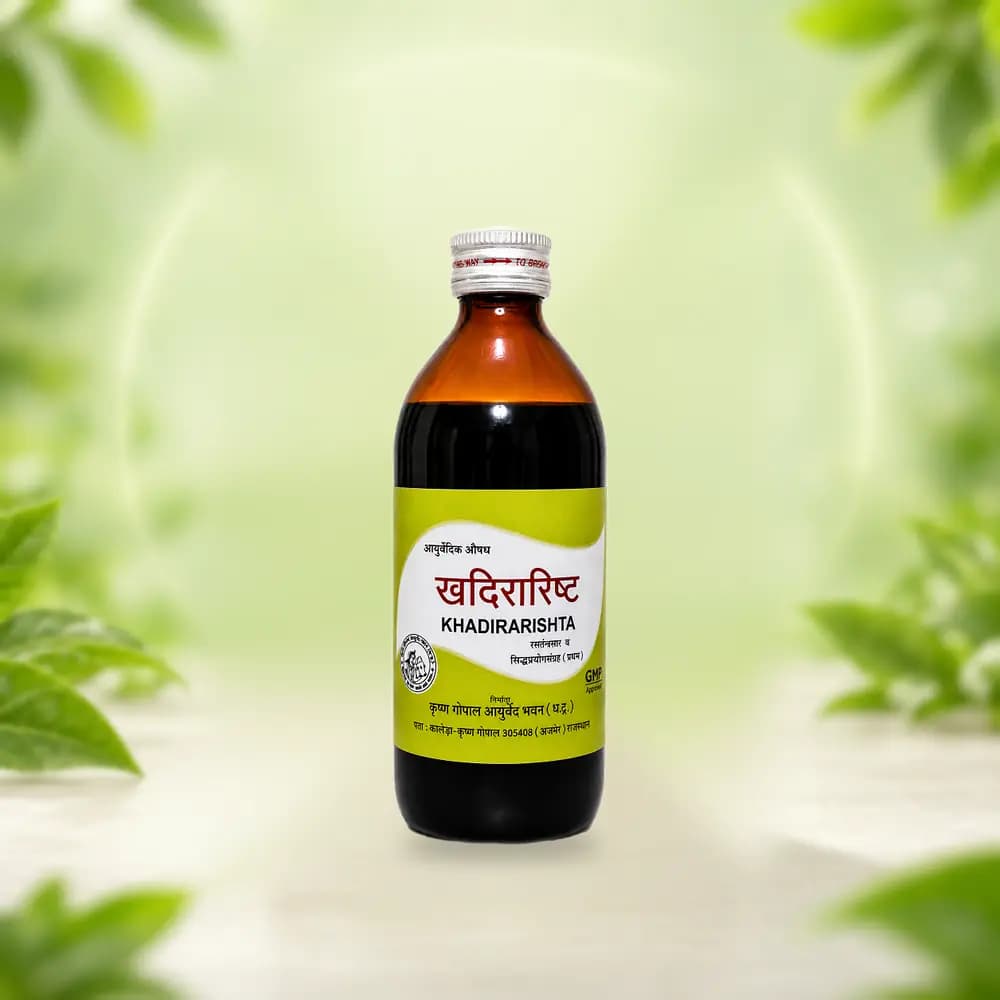
Gandusha / Gargles: Khadira and astringent barks
Panchakarma / Procedures
-
Raktamokshana (bloodletting) – essential
-
Nasya – medicated oils/powders via nose
-
Pratisarana – rubbing throat with powders (Katuka / salt / honey)
Diet (Ahara)
-
Light, semi-liquid diet
-
Avoid curd, milk, fish, black gram (Masha)
9. Prognosis
• Critical: Madhava Nidana states that Rohini is a terrifying disease.
◦ Vataja, Pittaja, Kaphaja: Curable if treated early and aggressively.
◦ Tridoshaja & Raktaja: These types are considered Asadhya (Incurable). The text explicitly mentions that in Tridoshaja Rohini, the patient may not survive more than three days if the obstruction is complete.
10. Modern Correlations
-
Similarities:
-
Fatal throat obstruction with membrane/fleshy growth
-
Rapid suppuration aligns with diphtheria toxin necrosis
-
Both systems highlight urgency to prevent suffocation
-
-
Differences:
-
Modern medicine identifies Corynebacterium diphtheriae and treats with antitoxin & antibiotics
-
Ayurveda addresses systemic Dosha and Blood vitiation, using bloodletting and bitter/astringent herbs
-
11. References
• Clinical presentation and predictors of hospital mortality of diphtheria in Nigeria — यह नवीन शोध बताता है कि डिप्थीरिया अभी भी एक पुनरुत्थानशील रोग है और बच्चों में सांस तथा गुर्दे से संबंधित गंभीर लक्षणों के साथ अस्पताल में मृत्यु दर अधिक हो सकती है। (SpringerLink)
• Clinical Infectious Diseases – Systematic Review — WHO फैक्ट शीट में संदर्भित एक Systematic Review जो डिप्थीरिया के नैदानिक और महामारी संबंधी आयामों का विश्लेषण करता है। (World Health Organization)
• Corynebacterium diphtheriae – PubMed — यह वैज्ञानिक लेख C. diphtheriae बैक्टीरिया और उसके टॉक्सिन‑जनित रोग‑तंत्र को समझाता है, साथ ही ऐतिहासिक नैदानिक खोजों का विवरण देता है। (PubMed)
• Epidemiology of Diphtheria in India, 1996‑2016 — यह PubMed‑आधारित अध्ययन भारत में डिप्थीरिया के रुझान, टीकाकरण कवरेज, तथा वायरस नियंत्रण के उपायों पर डेटा प्रदान करता है। (PubMed)
• Diphtheria: a re‑emerging infectious disease — यह समकालीन ENT/हेड‑नेक सर्जरी जर्नल का लेख दिखाता है कि डिप्थीरिया विकसित देशों और विकासशील देशों दोनों में फिर से उभर रहा है, खासकर जहाँ टीकाकरण कम है। (ijorl.com)
• Diphtheria – Journal of Diseases (Open Access) — ओपन‑एक्सेस वर्णन जो रोग के संक्रमण, रोकथाम और उपचार के आधारभूत सिद्धांतों को समझाता है। (Open Access Pub)
12. FAQ Section
Q: What is the Ayurvedic name for Diphtheria?
A: It is most commonly correlated with Rohini, a disease characterized by fleshy growths or membranes obstructing the throat.
Q: Is this condition considered curable in Ayurveda?
A: Early stages caused by a single Dosha (e.g., Kapha or Pitta) are curable. However, advanced stages involving all three Doshas (Tridoshaja) or vitiated blood (Raktaja) are traditionally considered incurable (Asadhya) or fatal due to rapid suffocation.
Q: What is the most important Ayurvedic treatment for this throat obstruction?
A: Raktamokshana (Bloodletting) is considered essential in classical texts to reduce the acute swelling and inflammation, alongside the use of bitter herbs like Neem and Katuka.
Q: Can dietary habits cause this throat disease?
A: Yes, Ayurveda suggests that excessive consumption of heavy foods like curd, milk, fish, and sleeping during the day can predispose an individual to severe throat disorders like Rohini.
Consult a Doctor
- AK4.8Dr. Amalnath K Viswanathan
Ayurveda4 yrs exp
- AI4.9Dr. Aayush Ishwar
Ayurveda2 yrs exp
- KJ4.6Dr Kruti Jaxesh Bhavsar
Ayurveda1 yrs exp
- MS4.2Midun s kumar
Ayurveda4 yrs exp