Tonsillitis
Reviewed by medical experts · For informational purposes only
Introductory summary
Tonsillitis correlates with the Ayurvedic conditions Tundikeri and Gilayu characterized by hard swelling in the throat resembling a wild cotton fruit or amalaki. It arises from the vitiation of Kapha and Rakta doshas often due to consuming heavy cold foods like curd and dairy. Symptoms include difficulty swallowing pricking pain and inflammation. Management focuses on pacifying Kapha and purifying the blood using herbal formulations like Khadiradi Gutika and Kaphaketu Rasa. Local therapies such as Gandusha or gargling with medicated decoctions containing honey and Triphala are essential to reduce swelling. The regimen strictly emphasizes avoiding Kapha aggravating foods to restore digestive fire and prevent complications like suppuration,,.
Tonsillitis
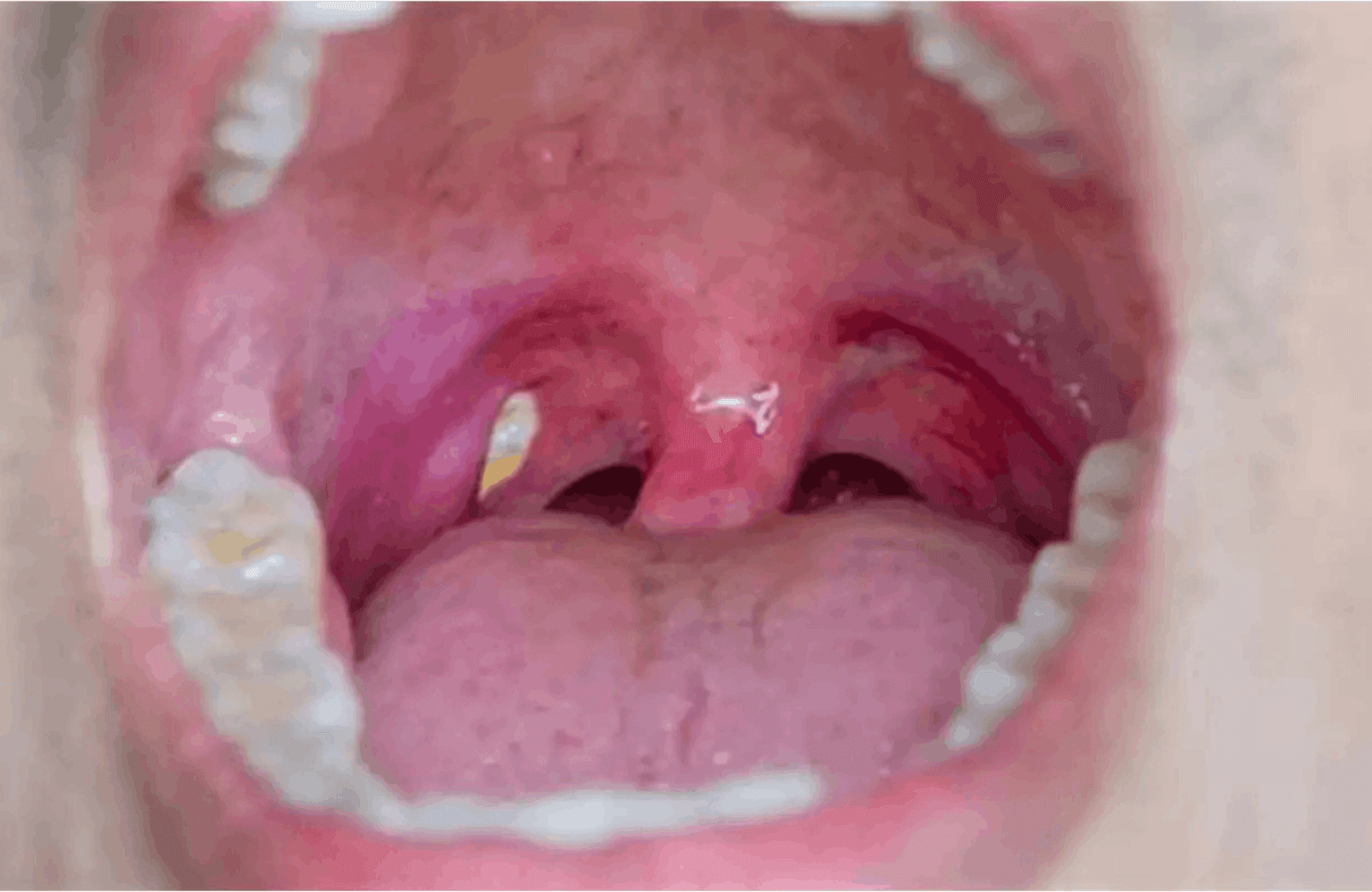
Tonsillitis is the inflammation of the tonsils, two oval-shaped pads of tissue at the back of the throat. In Ayurveda, this condition is classified under Mukha Roga (Diseases of the Oral Cavity) or Kantha Roga (Diseases of the Throat). The specific Ayurvedic disease entities that correlate with Tonsillitis are Tundikeri (Enlarged Tonsil) and Gilayu (Tonsillar cyst/growth). These conditions are characterized by swelling, pain, and sometimes suppuration (pus formation) in the throat region.
1. Definition
Modern Definition: Inflammation of the tonsils caused by viral or bacterial infection, resulting in sore throat and difficulty swallowing.
Ayurvedic Definition:
- Tundikeri: A hard, heavy swelling located at the root of the jaw (Hanu-mula) that resembles the fruit of the wild cotton plant (Vana-karpasa).
- Gilayu: A knotty swelling in the throat that is stable, causes little pain, and resembles the Amalaki (Indian gooseberry) fruit.
2. Etymology & Conceptual Meaning
- Tundikeri: The name is derived from the shape of the swelling, which looks like the fruit of the Tundikeri plant (Cotton plant).
- Gilayu: Derived from its resemblance to a small, round fruit or knot (Granthi) in the throat.
- Conceptual Interpretation: Ayurveda views these conditions as a result of the accumulation of vitiated bio-energies (Doshas) in the flesh and blood of the throat, leading to structural changes (hypertrophy) and inflammation.
3. Causes (Nidana)
The causes of throat disorders in Ayurveda are linked to dietary habits and lifestyle choices that aggravate Kapha and Rakta (blood).
- Dietary Causes:
- Excessive consumption of Dadhi (Curd/Yogurt), Kshira (Milk), and Ghrita (Ghee).
- Intake of Masha (Black gram) and other heavy, slimy foods.
- Eating Matsya (Fish), which is considered to vitiate blood and Kapha in throat disorders.
- Lifestyle Causes:
- Divaswapna: Sleeping during the day.
- Avyayama: Lack of physical exercise.
- Neglecting oral hygiene (not brushing teeth) is also noted as a contributing factor for mouth and throat diseases.
Modern Causes: Viral tonsillitis is caused in 70% to 95% of cases, while bacterial infections, particularly Group A Streptococcus, account for 5-15% of adult cases and 15-30% of pediatric cases. Group A Streptococcus is highly contagious and spreads through respiratory droplets.
4. Journey of the Disease (Pathogenesis/Samprapti)
- Samprapti Ghataka (Components):
- Dosha: Primarily Kapha and Rakta (Blood).
- Dushya (Tissues): Mamsa (Flesh/Muscle) and Rakta (Blood).
- Adhisthana (Site): Hanu-mula (Root of the jaw/junction of throat).
- Pathogenesis:
- Due to the intake of Kapha-aggravating foods (like curd and sweets), the Kapha dosha increases.
- Simultaneously, the blood (Rakta) becomes vitiated.
- These vitiated elements accumulate at the root of the jaw (Hanu-mula).
- They cause the local flesh to swell, creating a hard, painful lump known as Tundikeri.
Modern Pathogenesis: Tonsillitis results from viral or bacterial invasion of tonsillar tissue. The palatine tonsils serve as immunologic barriers against inhaled or ingested pathogens, but when overwhelmed by pathogens, they become inflamed and enlarged.
5. Symptoms (Lakshana)
- Tundikeri (Acute/Hypertrophic Tonsillitis):
- Shotha: Swelling resembling the cotton fruit.
- Kathina: The swelling feels hard to the touch.
- Toda: Pricking pain.
- Daha: Burning sensation.
- Paka: Tendency to suppurate (form pus).
- Gilayu (Chronic Tonsillitis/Cyst):
- Granthi: A knotty lump resembling the Amalaki fruit.
- Manda-ruja: Mild pain (as opposed to acute pain).
- Sthira: The swelling is stable and fixed.
- Galoparodha: Obstruction in the throat passage (feeling of something stuck).
Modern Symptoms: Common symptoms include sore throat, fever, odynophagia, and tonsillar erythema or exudate. Bacterial tonsillitis typically presents with sudden onset of severe sore throat, fever, and tonsillar exudate. Viral tonsillitis is often associated with cough, rhinorrhea, or hoarseness.
6. Different Types or Classification (Bheda)
While Tundikeri and Gilayu are specific types, Ayurveda describes other related throat conditions:
- Rohini: A severe, often fatal throat inflammation (correlates with Diphtheria) involving all three doshas, causing fleshy growths that block the air passage.
- Galavidradhi: An abscess in the throat (Peritonsillar Abscess) causing severe swelling and pain.
- Galaugha: Severe swelling obstructing food and water.
Modern Classification: Acute tonsillitis vs. chronic tonsillitis. Recurrent tonsillitis is defined as multiple episodes of bacterial tonsillitis. Chronic tonsillitis may involve biofilm formation making treatment more challenging.
7. Diagnosis
- Ayurvedic Diagnosis (Roga Pariksha):
- Darshana (Observation): Visual examination of the oral cavity to identify the size, color, and shape of the swelling (Cotton fruit vs. Amalaki shape).
- Prashna (Questioning): History of dietary habits like eating fish with milk or excessive curd intake.
- Differential Diagnosis:
- Distinguished from Kanthashaluka (Adenoids/Polyp), which is a single knotty growth caused by Kapha, often painless but obstructive.
Modern Diagnosis: Clinical diagnosis is supported by validated scoring systems such as Centor score or FeverPAIN score. Rapid Antigen Detection Tests (RADT) help differentiate bacterial from viral causes. Throat culture remains the gold standard for bacterial identification.
8. Disease Management
Treatment involves reducing local inflammation, purifying the blood, and balancing Kapha.
Medicines
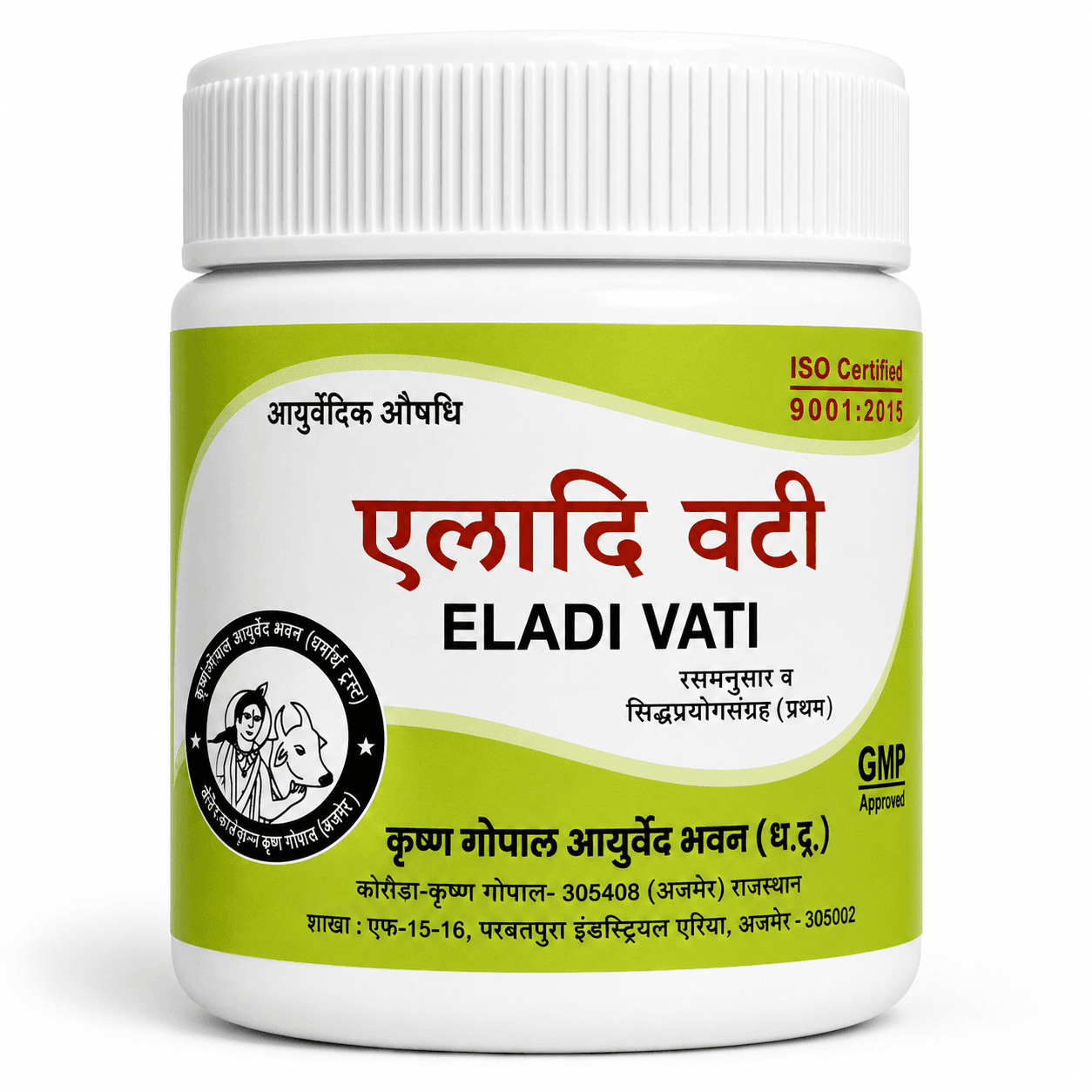
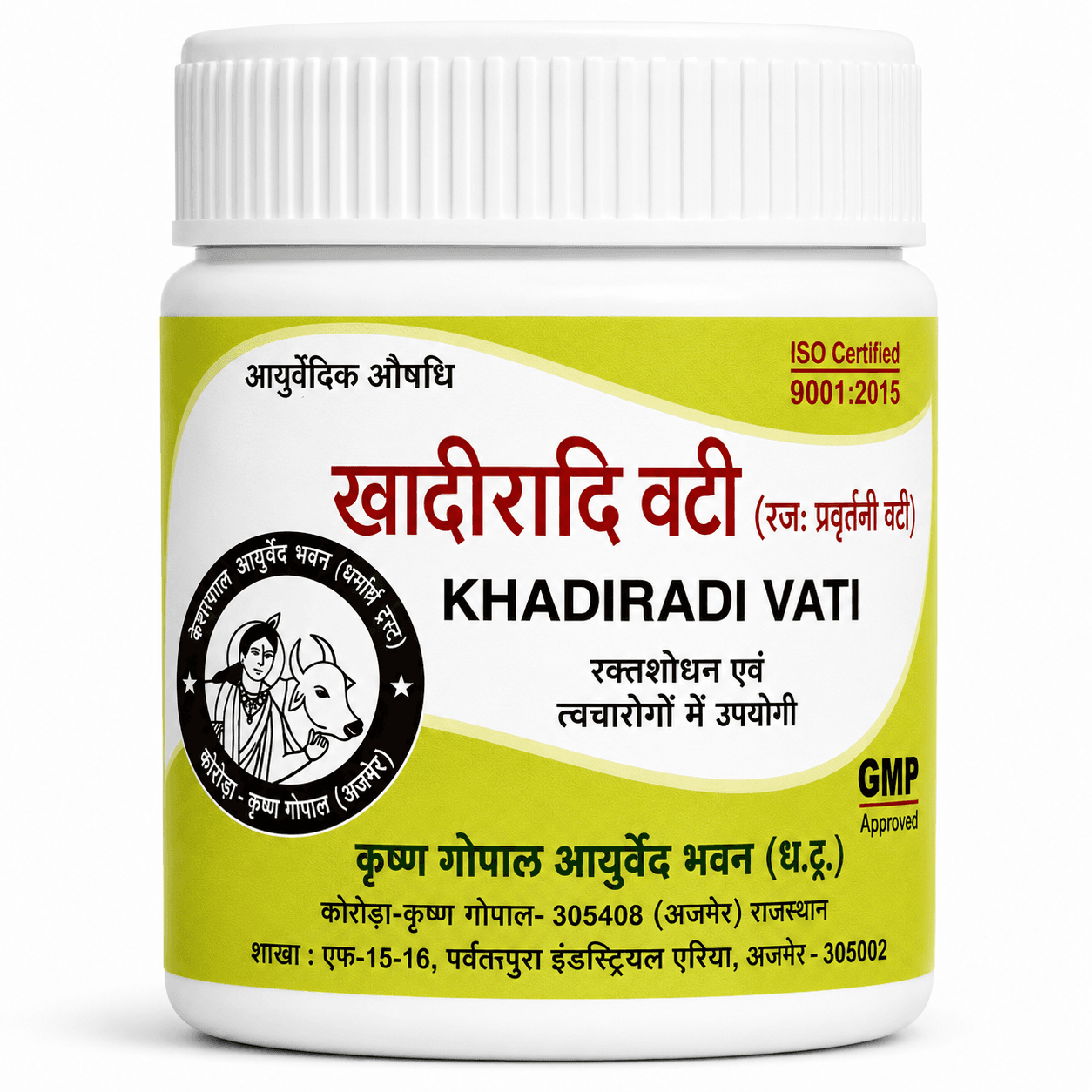
- Khadiradi Gutika: A famous tablet kept in the mouth and slowly sucked. It is specific for curing diseases of the mouth, teeth, and throat (Mukha Roga).
- Gorocanadi Vati: Indicated for Galagraha (throat obstruction) and throat diseases.
- Kaphaketu Rasa: A herbo-mineral formulation specifically indicated for Gala Roga (Throat diseases), Galagraha, and Kasa (cough).
- Kanchanara: Used for glandular swellings (Gandamala) and is beneficial in throat swellings.
- Talisadi Churna: Used for respiratory and throat disorders.
Ayurvedic Clinical Research
Clinical studies show significant effectiveness of Kanchanara Guggulu and Tankana-Madhu Pratisarana in treating Tundikeri. Kumarabharana Rasa has shown ameliorative effects in chronic tonsillitis in children. Apamarga Kshara Pratisarana and Triphala Kashaya Kavala show marked improvement.
Panchakarma & Local Therapies
- Gandusha (Gargling): Holding medicated liquids in the mouth. Gargling with decoctions of Triphala, Honey, or Trikatu is effective for Kapha disorders of the throat.
- Nasya (Nasal Administration): Administration of medicated oils like Shadbindu Taila is prescribed to treat diseases of the head and neck (Urdhvajatru), which includes the throat.
- Pratisarana (Rubbing): Rubbing the tonsils with powders of Katuk (Picrorhiza kurroa), Vacha (Acorus calamus), and Shunthi (Ginger) to reduce swelling.
- Lepa (External Paste): Application of a paste made of Sarshapa (Mustard seeds), Shigru (Moringa), and Mulaka (Radish) seeds with sour buttermilk is indicated for glandular swellings in the neck (Galaganda).
Diet (Ahara)
- Pathya (Beneficial): Light diet, warm water, barley (Yava), and green gram (Mudga).
- Apathya (Avoid): Curd (Dadhi), milk (Kshira), black gram (Masha), day sleep, and heavy/oily foods.
Modern Treatment
Viral tonsillitis is typically self-limiting and treated with supportive care. Bacterial tonsillitis requires antibiotic therapy, with penicillin or amoxicillin as first-line treatments. Severe or recurrent cases may require tonsillectomy.
9. Prognosis
- Sadhya (Curable): Tundikeri and Gilayu are generally curable with proper medical and surgical management.
- Asadhya (Incurable): If the condition progresses to Tridoshaja Rohini (involving all three doshas with deep-seated infection), it is considered incurable.
- Complications: Neglected throat infections can lead to Galavidradhi (Throat Abscess).
Modern Prognosis: Viral tonsillitis usually resolves on its own with rest and fluids. Bacterial tonsillitis responds well to appropriate antibiotics. Untreated Group A streptococcal tonsillitis can lead to serious complications including rheumatic fever and post-streptococcal glomerulonephritis.
10. Modern Correlations
- Chronic Tonsillitis: Correlates with Tundikeri due to the description of a hard, cotton-fruit-like swelling.
- Tonsillar Cyst: Correlates with Gilayu (knotty tumor).
- Peritonsillar Abscess (Quinsy): Correlates with Galavidradhi, described as a severe swelling involving the whole throat.
- Diphtheria: Correlates with Rohini.
- Group A Streptococcal Pharyngitis: Modern bacterial tonsillitis caused by Streptococcus pyogenes.
11. References
-
WHO – Upper Respiratory Tract Infections
🔗 https://www.who.int/health-topics/acute-respiratory-infections
Includes pharyngitis and tonsillitis under URTI.
-
WHO – Streptococcal Infections Guidelines
🔗 https://www.who.int/publications/i/item/WHO-EMC-DIS-98.7
Clinical guidance on streptococcal throat infections.
-
NCBI – Tonsillitis (StatPearls)
🔗 https://www.ncbi.nlm.nih.gov/books/NBK544342/
Evidence-based clinical review.
-
MedlinePlus – Tonsillitis
🔗 https://medlineplus.gov/tonsillitis.html
-
Mayo Clinic – Tonsillitis
🔗 https://www.mayoclinic.org/diseases-conditions/tonsillitis/symptoms-causes/syc-20378479
-
National Health Portal (India) – टॉन्सिलाइटिस
🔗 https://www.nhp.gov.in/disease/ear-nose-throat/tonsillitis
Hindi & English – Government of India.
12. FAQ Section
Q: What causes tonsillitis according to Ayurveda?
A: It is caused by the aggravation of Kapha (phlegm) and Rakta (blood) doshas. This is often triggered by eating heavy foods like curd (Dadhi), milk, and black gram, or by sleeping during the day.
Q: Is "Tundikeri" the same as Tonsillitis?
A: Yes, Tundikeri is the classical Ayurvedic term for enlarged tonsils. It is named after the fruit of the wild cotton plant because the swollen tonsil resembles that fruit.
Q: Which Ayurvedic pill is good for throat pain?
A: Khadiradi Gutika is highly recommended. It is a pill meant to be kept in the mouth and slowly dissolved to treat throat and mouth diseases. Gorocanadi Vati is also used for throat obstruction.
Q: Can gargling help?
A: Yes. Gandusha (holding liquid in the mouth) or gargling with medicated decoctions containing honey, ginger, or Triphala is a standard Ayurvedic treatment for throat disorders.
Q: What foods should be avoided?
A: One should strictly avoid curd (yogurt), milk, heavy sweets, and fish, as these aggravate the Kapha dosha and worsen throat swelling.
Q: How is bacterial tonsillitis different from viral?
A: Bacterial tonsillitis, often caused by Group A Streptococcus, typically has sudden onset, high fever, and requires antibiotics. Viral tonsillitis is more common (70-95% of cases), often has gradual onset, and may include cold symptoms.
Q: When should someone see a doctor for tonsillitis?
A: See a doctor if you have severe throat pain, difficulty swallowing, high fever, or symptoms lasting more than 5 days. Children with suspected strep throat should be tested and treated promptly.
Consult a Doctor
- MS4.2Midun s kumar
Ayurveda4 yrs exp
- SP4.5Dr Sreelekha P Nair
Ayurveda6 yrs exp
- VR4.2Vaidya Rohit Kumar
Ayurveda3 yrs exp
- V4.1Vairamuthu
Ayurveda8 yrs exp
Buy Medicine
 Prescribed to you4.6₹8 cashback
Kantha-sudharak Vati (Kalera) Kalera
Throat soother, voice clarity
Strip of 30 Tablets
4.6
₹85Get ₹8 Cashback
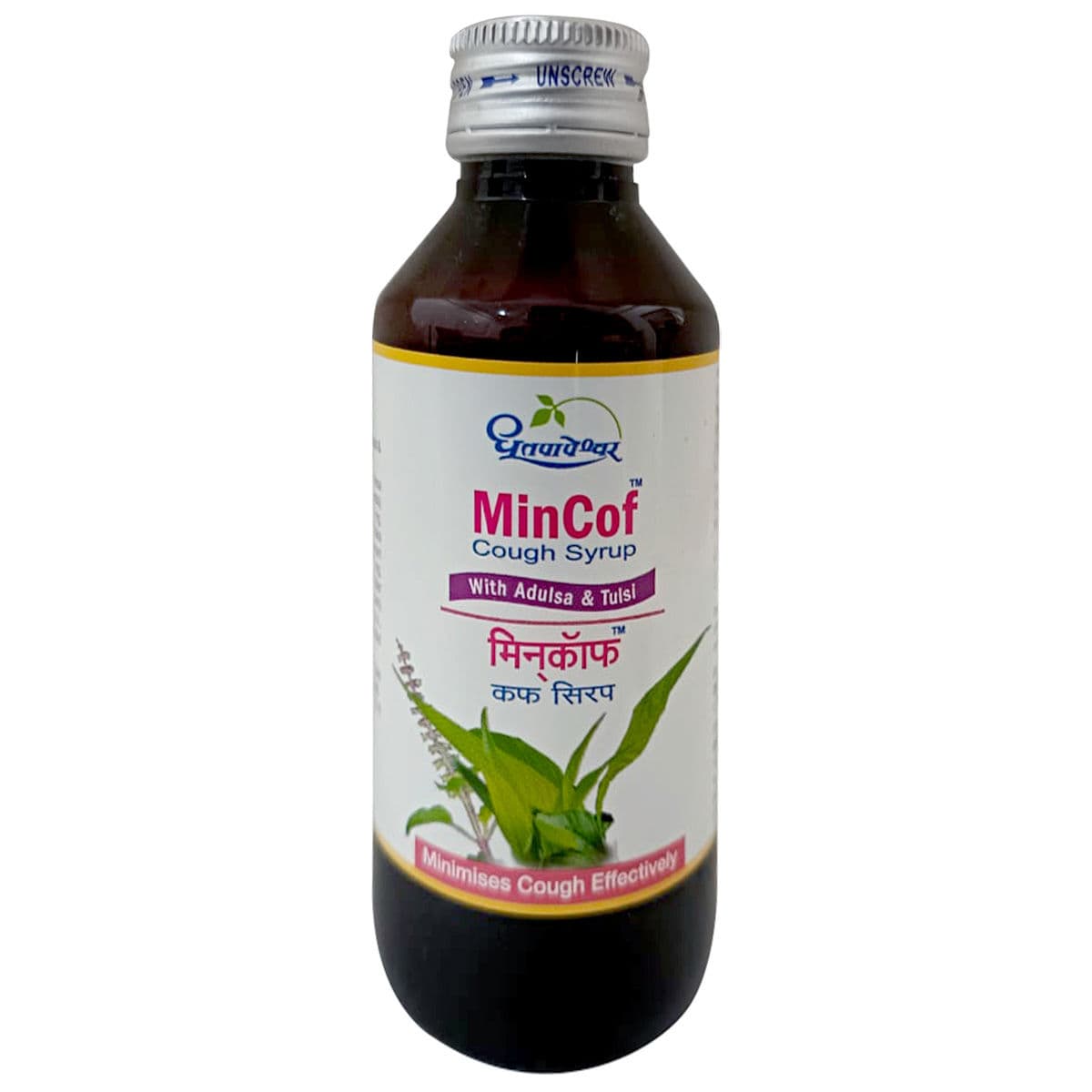 Prescribed to you4.7₹10 cashback
MinCof Cough Syrup (Dhootapapeshwar) SDL
SDLEffective relief for cough types
Bottle of 100 ml
4.7
₹105Get ₹10 Cashback