
Meningitis
Reviewed by medical experts · For informational purposes only
Introductory summary
Meningitis is primarily understood in Ayurveda as Abhinyasa Jvara a severe form of Sannipata Jvara where all three Doshas are aggravated and lodged in the deep tissues and head. This condition leads to the loss of sensory functions stiffness and coma due to the obstruction of vital channels. The Ayurvedic Formulary of India explicitly identifies Abhinyasa Jvara with meningitis and recommends Mukkamukkatuvaadi Gutika for its treatment. The pathology involves the loss of Ojas and severe heat burning the internal tissues. Management requires potent therapies to restore consciousness including strong Nasya or nasal drops and formulations like Mrityunjaya Rasa to combat the high fever and deep seated infection.
Meningitis
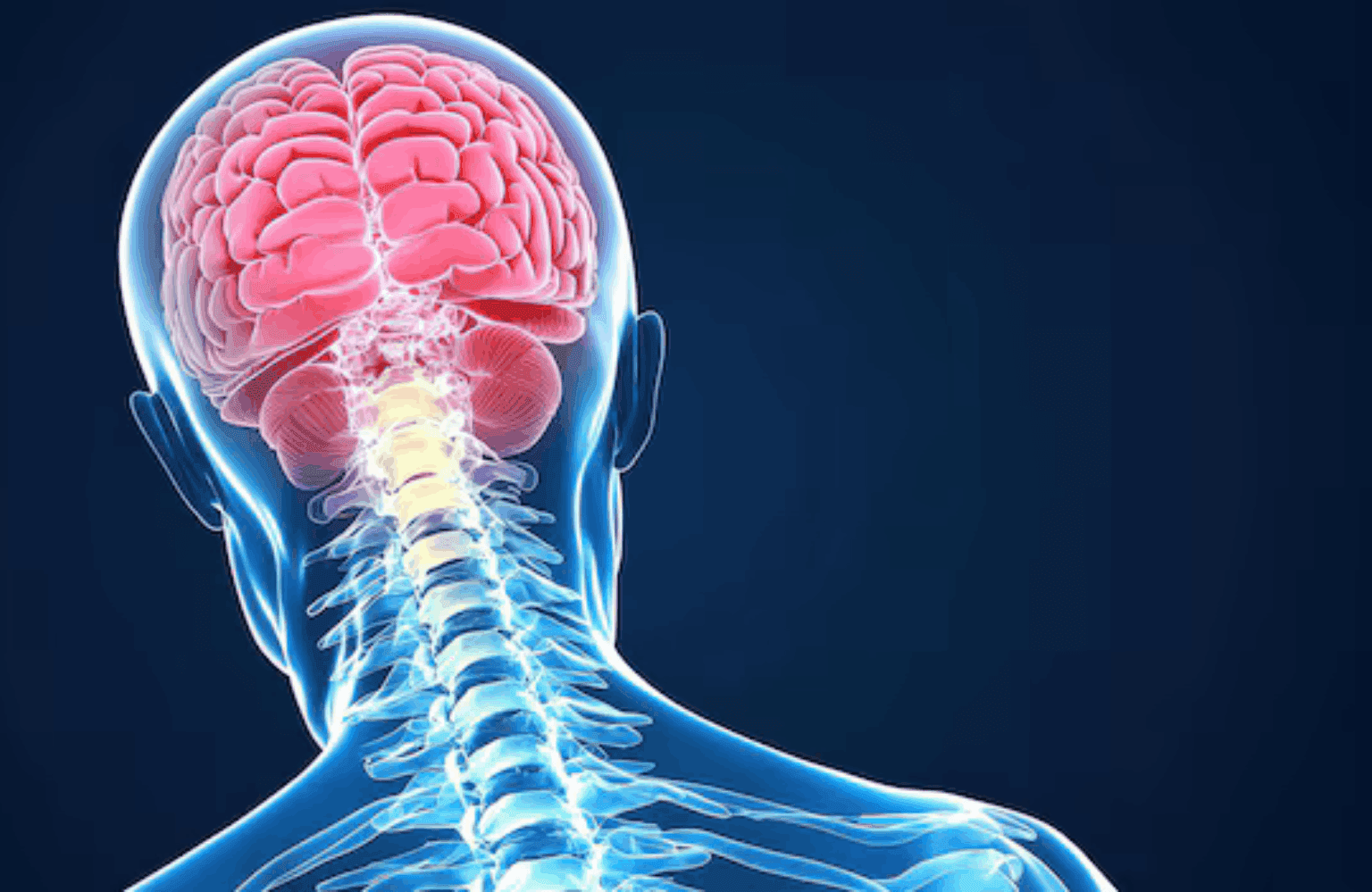
Meningitis is an acute inflammation of the protective membranes covering the brain and spinal cord. In Ayurveda, this condition is not described as a single entity but is most accurately correlated with Abhinyasa Jvara (a severe type of fever affecting the mind and senses) or specific types of Sannipata Jvara (fever involving all three bio-energies). The Ayurvedic Formulary of India explicitly links the condition Abhinyasa Jvara with Meningitis.
1. Definition
- Modern Definition: Inflammation of the meninges (membranes surrounding the brain) characterized by fever, headache, and neck stiffness.
- Ayurvedic Definition: A severe state of fever where the Doshas (bio-energies) are deeply seated in the tissues, causing loss of function in the sense organs (Indriya-nasha) and the mind (Buddhi-nasha). It is characterized by stiffening of body parts, delirium, and deep, coma-like sleep.
2. Etymology & Conceptual Meaning
- Abhinyasa: Derived from "Abhi" (deep/profound) and "Nyasa" (deposit). It implies a condition where the heat of the fever is deposited deeply into the internal tissues and vital organs (Marma), specifically affecting the head and senses.
- Sannipata: The simultaneous aggravation of all three Doshas—Vata (Wind), Pitta (Fire), and Kapha (Water).
- Conceptual Interpretation: Ayurveda views this as a condition where the aggravated Doshas block the channels of the head (Shiro-srotas). The heat cannot escape, leading to inflammation that "burns" the sensory pathways and Ojas (vital essence), resulting in stiffness and loss of consciousness.
3. Causes (Nidana)
- Dietary Causes: Consumption of incompatible foods (Viruddha Ahara) and food that vitiates all three doshas simultaneously.
- Lifestyle Causes:
- Secondary Causes: It can arise as a complication of Karnamula (swelling at the root of the ear/Mumps or Mastoiditis). Madhava Nidana states that at the end of a severe fever, a hard, painful swelling appears at the root of the ear, which can be fatal.
4. Journey of the Disease (Pathogenesis/Samprapti)
- Samprapti Ghataka (Components):
- Dosha: Tridosha (Vata, Pitta, Kapha) with Vata and Kapha often dominant in causing stiffness and unconsciousness.
- Dushya (Tissues): Rasa (Plasma), Rakta (Blood), and Majja (Marrow/Nerve tissue).
- Srotas (Channels): Rasavaha and Majjavaha Srotas.
- Adhisthana (Site): Shira (Head) and Hridaya (Heart/Mind).
- Pathogenesis:
- Due to causative factors, all three Doshas are aggravated.
- They lodge in the upper body, specifically the head.
- Vata and Kapha cause obstruction, leading to stiffness (Stambha) and loss of sensation.
- Pitta causes intense internal burning and fever.
- The disease impacts the Indriyas (senses), causing the patient to appear as if dead or in a deep stupor.
5. Symptoms (Lakshana)
- Early Symptoms: High fever, headache, and heaviness in the body.
- Advanced Symptoms (Abhinyasa/Sannipata):
- Nischalata: Motionlessness or lying still like a log.
- Indriya Nasha: Loss of sensory perception (not hearing despite having ears, not seeing despite having eyes).
- Pralapa: Delirium or irrelevant speech.
- Gatra-Stambha: Stiffness of the body and neck.
- Kujana: Making guttural or groaning sounds.
- Bhugnanetra: Distorted or fixed gaze.
6. Different Types or Classification (Bheda)
While not classified as different "types" of meningitis, Madhava Nidana lists 13 types of Sannipata Jvara, several of which resemble meningitis presentations:
- Abhinyasa: Dominated by coma, stiffness, and loss of speech (closest correlation to Meningitis).
- Bhugnanetra: Characterized by deviation of eyes and confusion.
- Antaka: Characterized by severe burning and head tremors.
7. Diagnosis
- Ayurvedic Diagnosis (Roga Pariksha):
- Darshana (Observation): Observing the "Bhugnanetra" (crooked/fixed eyes) and lack of response to stimuli.
- Sparshana (Touch): The body may feel cold externally due to sweat but is intensely hot internally (Antardaha).
- Specific Sign: The appearance of Karnamula (swelling behind the ear) during fever is a critical diagnostic sign indicating a severe, likely fatal progression toward the brain.
8. Disease Management
Management focuses on opening the channels (Srotoshodhana) and reviving the senses (Samjna-prabodhana).
Medicines
- Mukkamukkatuvaadi Gutika: A pill containing herbs like Nirgrundi, Vacha, Hingu, and Lashuna. The Ayurvedic Formulary of India specifically lists "Abhinyasa Jvara (Meningitis)" as a therapeutic use for this formulation.
- Mrityunjaya Rasa: A potent herbo-mineral formulation containing Vatsanabha (Aconite) and Hingula, used for high grade Sannipata fever.
- Kasturyadi Gutika / Vayu Gutika: Used to revive consciousness and treat convulsions (Apatantraka).
- Dashamula Kwatha: A decoction of ten roots used to treat pain, inflammation, and stiffness in the head and neck.
Panchakarma (Therapies)
- Nasya (Nasal Administration): This is critical in head diseases. Strong Avapida Nasya using the juice of Matulunga (citron) or Ardrak (ginger) with rock salt is administered to revive the patient from stupor and clear head congestion.
- Anjana (Collyrium): Application of medicated pastes to the eyes to stimulate sensory perception.
- Lepa (External Application): Pastes of Sandalwood, Camphor, and Lotus are applied to relieve burning sensation.
Diet
- Light, liquid diet (Peeya or Vilepi) is recommended. Heavy, oily, and solid foods are strictly prohibited as they block channels further.
9. Prognosis
- Krichrasadhya (Difficult to Cure): Abhinyasa Jvara is generally considered very difficult to treat due to the involvement of all three Doshas and the vital organs (brain/heart).
- Asadhya (Incurable/Fatal): If the patient has completely lost luster, cannot swallow, has a severe swelling at the root of the ear (Karnamula), or lies completely unconscious for extended periods, the prognosis is poor. The text mentions that one who breathes through the mouth with "hair bristling" may not survive.
10. Modern Correlations
- Similarities:
- The symptom of Manyastambha (neck stiffness) in Ayurveda mirrors the nuchal rigidity of meningitis.
- Karnamula correlates with Mastoiditis or Parotitis, which are known historical causes of meningitis before antibiotics.
- Abhinyasa (loss of senses/coma) correlates with the altered mental status in severe meningitis.
- Differences: Ayurveda attributes the cause to Tridosha imbalance and Ama (toxins), whereas modern medicine identifies bacterial, viral, or fungal pathogens.
11. References
-
World Health Organization (WHO) – Meningitis
https://www.who.int/health-topics/meningitis
-
Centers for Disease Control and Prevention (CDC) – Meningitis
https://www.cdc.gov/meningitis/
-
National Institute of Neurological Disorders and Stroke (NINDS – NIH) – Meningitis
https://www.ninds.nih.gov/health-information/disorders/meningitis
-
Mayo Clinic – Meningitis
https://www.mayoclinic.org/diseases-conditions/meningitis
-
StatPearls (NCBI Bookshelf) – Meningitis
https://www.ncbi.nlm.nih.gov/books/NBK459360/
-
National Health Portal of India – मेनिन्जाइटिस (Meningitis)
https://www.nhp.gov.in/disease/neurological/meningitis
-
Ministry of Health & Family Welfare, Government of India – संक्रामक रोग
https://www.mohfw.gov.in/
12. FAQ Section
Q: What is the Ayurvedic name for Meningitis?
A: The condition is most closely related to Abhinyasa Jvara (a type of severe fever with coma) or Sannipata Jvara. Some texts also refer to symptoms found in Shiroroga (diseases of the head).
Q: Can Ayurveda treat stiffness of the neck caused by fever?
A: Yes. Stiffness (Stambha) is a key symptom of Vata and Kapha aggravation. Therapies like Nasya (medicated nasal drops) and formulations like Dashamula are used to relieve this stiffness.
Q: What is the significance of swelling behind the ear in fever?
A: In Ayurveda, a swelling at the root of the ear (Karnamula) appearing at the end of a fever is considered a severe complication. It indicates that the toxins have moved to the head region, similar to mastoiditis leading to meningitis, and requires urgent treatment.
Q: Is "Mukkamukkatuvaadi Gutika" used for Meningitis?
A: Yes. The Ayurvedic Formulary of India explicitly lists Abhinyasa Jvara (Meningitis) as a therapeutic indication for this specific formulation.
Consult a Doctor
- AG4.5Dr Anshuman Gupta
Ayurveda8 yrs exp
- MS4.2Midun s kumar
Ayurveda4 yrs exp
- SP4.5Dr Sreelekha P Nair
Ayurveda6 yrs exp
- D4.3Dr Divya
Ayurveda2 yrs exp