

Bronchitis Causes and Symptoms
Reviewed by medical experts · For informational purposes only
Introductory summary
Bronchitis corresponds to the Ayurvedic condition Kasa Roga involving the obstruction of Prana Vayu in the respiratory channels. It arises from exposure to smoke and dust or the suppression of natural urges leading to Vata and Kapha aggravation. Symptoms range from dry painful coughing in Vataja types to thick mucus production in Kaphaja variations. Management focuses on restoring proper airflow through bio cleansing Panchakarma therapies specifically Vamana to expel phlegm and Virechana for infection. Internal treatments utilize expectorant herbs like Vasa and Kantakari alongside warm soothing diets to clear congestion. Therapeutic procedures such as Uro Vasti and medicated smoking known as Dhumapana are also employed to strengthen the chest and remove residual toxins.
Bronchitis
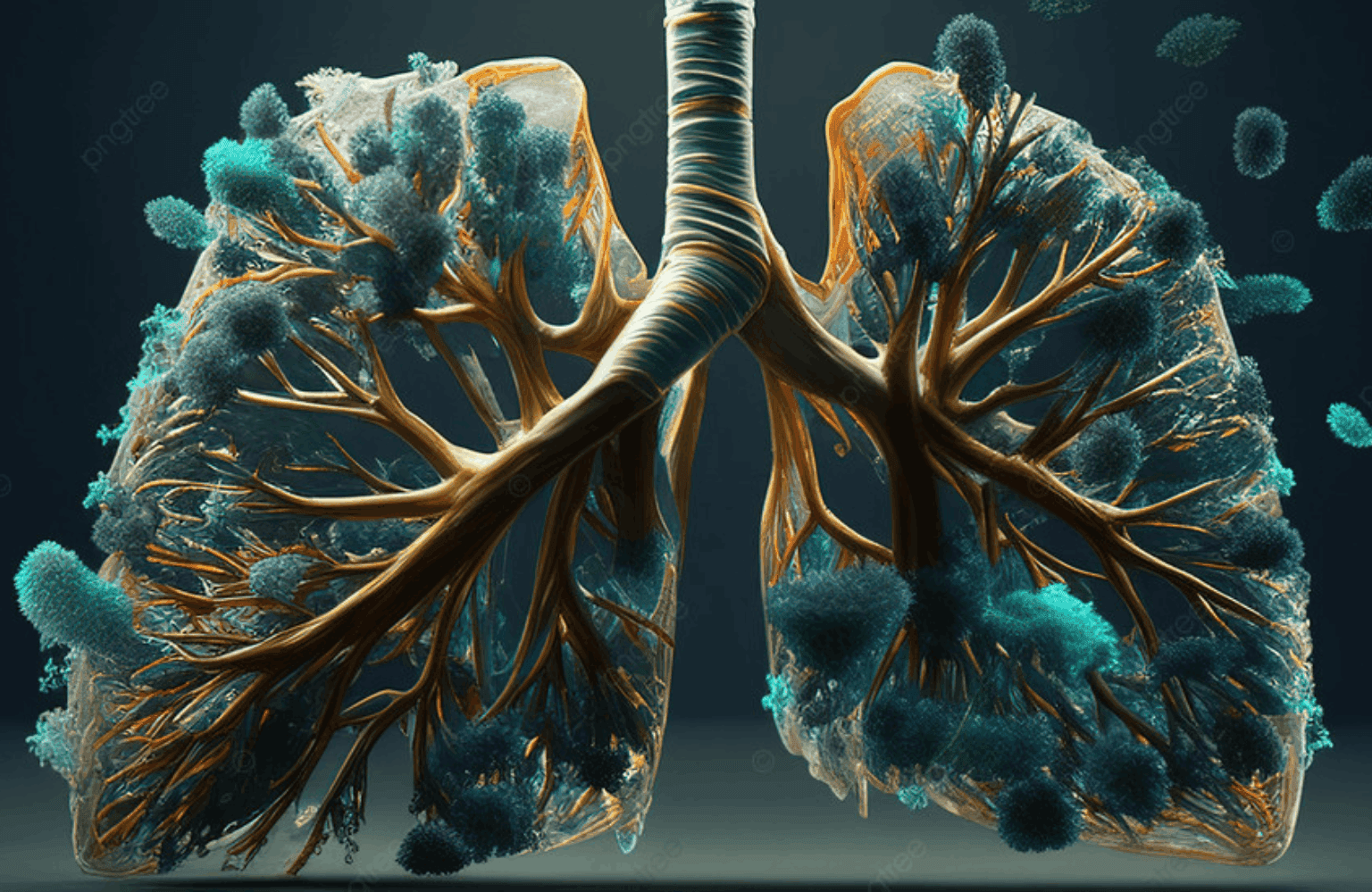
Bronchitis is a respiratory condition characterized by inflammation of the lining of the bronchial tubes, which carry air to and from the lungs. In Ayurveda, this condition correlates primarily with Kasa Roga (Cough) and disorders of the Pranavaha Srotas (respiratory channels). It involves the aggravation of Vata and Kapha doshas, leading to the obstruction of airflow and the production of mucus.
1. Definition
Modern Definition: Bronchitis is an inflammation of the bronchial tubes, causing a persistent cough often producing mucus.
Ayurvedic Definition: In Ayurveda, Kasa (Cough) is defined as the condition where the Prana Vayu (vital breath), obstructed by other Doshas or external factors, moves upward from the throat and head, producing a characteristic sound. It is a specific disease of the Pranavaha Srotas (channels carrying vital breath) and can be a primary disease or a symptom of other conditions like Rajayakshma (tuberculosis) or Shwasa (Dyspnea/Asthma).
2. Etymology & Conceptual Meaning
-
Literal Meaning: The word Kasa is derived from the Sanskrit root Kas, meaning "to go" or "to move." It refers to the upward movement of wind (Vayu) that is expelled with sound.
-
Conceptual Interpretation: According to Madhava Nidana, when the Vayu (wind) moves upward from the lower regions, hitting the heart, throat, and head, it fills the channels and is expelled violently through the mouth, producing the sound of a cough. This indicates a reversal of the normal flow of Prana (life force).
3. Causes (Nidana)
Dietary Causes
-
Dry and Rough Foods (Ruksha, Kashaya, Tikta) aggravate Vata → dry cough.
-
Cold Substances (Shita) or heavy, slimy foods (Picchila) increase Kapha → congestion.
-
Irregular Eating (Adhyashana) or excessive fasting.
Lifestyle Causes
-
Suppression of Urges (Vegavarodha), particularly sneezing (Kshavathu) and breathing.
-
Physical Exertion (Ati-vyayama) or carrying heavy loads.
-
Environmental (Dhumopaghata, Rajah) – exposure to smoke and dust.
4. Journey of the Disease (Samprapti)
-
Dosha: Primarily Prana Vayu (respiration) and Udana Vayu (speech/upward movement), often obstructed by Kapha.
-
Dushya (Tissues): Rasa (Plasma) and tissues of Pranavaha Srotas.
-
Srotas (Channels): Pranavaha Srotas.
-
Agni: Jatharagni Mandya → formation of Ama.
-
Adhisthana (Site): Urah (Chest), Kantha (Throat), Shirah (Head).
-
Process: Etiological factors allow Vayu to enter chest and throat. If obstructed by Kapha or dryness, it forcibly exits upward → Kasa (cough).
5. Symptoms (Lakshana)
Early Symptoms (Purvarupa)
-
Itching in the throat (Kantha-kandu).
-
Sensation of something stuck in the throat (Bhojyannam avarodha).
-
Hoarseness of voice (Svarabheda).
-
Weak digestion (Agnimandya).
Advanced Symptoms (Rupa)
-
General: Cough, chest pain, difficulty breathing.
-
Vataja Kasa (Dry Bronchitis): Dry cough, chest/sides pain (Parshva), hoarseness, loss of strength.
-
Pittaja Kasa (Infective/Inflammatory): Yellowish sputum, burning chest sensation, fever, thirst, bitterness, dryness.
-
Kaphaja Kasa (Wet Bronchitis): Thick sticky white mucus, heaviness, nausea, anorexia (Aruchi), fullness in chest.
6. Different Types or Classification (Bheda)
- Vataja: Dry cough → dry bronchitis.
- Pittaja: Productive cough with inflammation.
- Kaphaja: Productive cough with heavy mucus.
- Kshataja: Caused by chest injury/trauma.
- Kshayaja: Caused by wasting of tissues → Tuberculosis/Rajayakshma.
7. Diagnosis
-
Ayurvedic Diagnosis (Roga Pariksha):
-
Differential Diagnosis: Differentiate Kasa from Shwasa (Asthma) and Rajayakshma (Tuberculosis).
8. Disease Management
Diet (Ahara)
-
Recommended: Warm soups, goat milk, old rice, spices like Shunthi, Pippali, and garlic.
-
Avoid: Curd (Dadhi), heavy sweets, cold water, irregular meals.
Lifestyle (Vihara)
-
Avoid cold wind, smoke, dust.
-
Adequate rest; day sleep (Divaswapna) generally avoided unless weak.
Medicines (Aushadhi)
-
Kantakari: Respiratory disorders.
-
Vasa: Expectorant; for Pittaja Kasa.
-
Dashamula: Pacifies Vata-Kapha.
-
Trikatu: Ginger, black pepper, long pepper; clears mucus.
-
Formulations: Sitopaladi Churna, Vasavaleha, Agastya Haritaki.
Panchakarma (Panchakarma)
-
Vamana (Emesis): Removes Kapha mucus.
-
Virechana (Purgation): Eliminates heat/toxins → Pittaja Kasa.
-
Basti (Enema): Strengthens Vataja Kasa.
-
Nasya (Nasal Therapy): Clears head/neck channels.
-
Dhumapana (Medicated Smoke): Clears congestion, stops cough.
-
Uro Vasti: Warm medicated oil on chest → relieves stiffness.
9. Prognosis
-
Curable (Sadhya): Acute cough in strong person.
-
Difficult (Krichra): Chronic/multi-Dosha cases.
-
Critical: Kshayaja Kasa → tissue loss/TB, emaciated persons.
10. Modern Correlations
-
Kaphaja Kasa: Chronic Bronchitis (thick, sticky sputum).
-
Vataja Kasa: Dry/Allergic Bronchitis.
-
Kshataja Kasa: Trauma-induced cough/bronchiectasis.
-
Gut-Lung Axis: Digestive fire affecting respiratory health → gaining recognition in modern research.
-
Differences: Modern medicine focuses on viral/bacterial causes; Ayurveda focuses on Dosha imbalance and Agni (metabolism).
11. References
Mayo Clinic — Bronchitis (Symptoms, Causes, & Risk Factors)
Comprehensive overview of bronchitis, including acute (short‑term, often viral) and chronic (long‑term, often smoking‑related) forms, their symptoms (cough, mucus production, chest discomfort), causes, risk factors, and when to seek care. (Mayo Clinic)
My Cleveland Clinic — Bronchitis (Causes, Types & Who It Affects)
Explains both acute and chronic bronchitis, how irritation of the airways causes coughing and mucus, the role of viruses and irritants (like smoke), and links with COPD. (Cleveland Clinic)
Johns Hopkins Medicine — Chronic Bronchitis
Focuses on chronic bronchitis, especially how ongoing irritation (e.g., from smoking) leads to long‑term airway swelling and persistent cough, and how it often overlaps with emphysema. (Johns Hopkins Medicine)
Manthan Hospital Article — ब्रोंकाइटिस क्या है?
Explains bronchitis in Hindi: inflammation of the airway (श्वासनली), symptoms like cough and breathlessness, and basics of types and causes. (Manthan Hospital)
OnlyMyHealth — Bronchitis Signs in Hindi
Hindi explanation of bronchitis worsening signs and symptoms such as persistent cough and mucus production, advising when to seek medical care. (Onlymyhealth)
12. FAQ Section
Q: Can Panchakarma help with chronic bronchitis?
A: Yes. Procedures like Vamana (therapeutic vomiting) remove deep-seated mucus (Kapha) from the chest, while Nasya (nasal drops) and Dhumapana (medicinal smoke) clear the upper respiratory tract. Uro Vasti helps strengthen the chest muscles,.
Q: What is the best Ayurvedic herb for a wet cough?
A: Kantakari and Vasa are highly recommended. Vasa is particularly noted for its ability to stop cough and soothe the respiratory tract,.
Q: Is dry cough treated differently in Ayurveda?
A: Yes. Dry cough (Vataja Kasa) is treated with unctuous (oily) and strengthening therapies, such as the use of Ghee processed with herbs, whereas wet cough (Kaphaja) is treated with drying and expelling therapies,.
Q: Does diet affect bronchitis?
A: Absolutely. Ayurveda states that eating heavy, cold, or obstructing foods (like curd or heavy meats) can aggravate Kapha and block the respiratory channels, worsening the condition,.
Consult a Doctor
- KC5.0Dr. Kamesh chand sharma
Ayurveda2 yrs exp
- PP4.4Dr prince patel
Ayurveda22 yrs exp
- PJ5.0Dr. P. JOTEENDRA
Ayurveda2 yrs exp
- S4.6Dr. Shan
Ayurveda4 yrs exp