

Kidney stones Symptoms and Causes
Reviewed by medical experts · For informational purposes only
Introductory summary
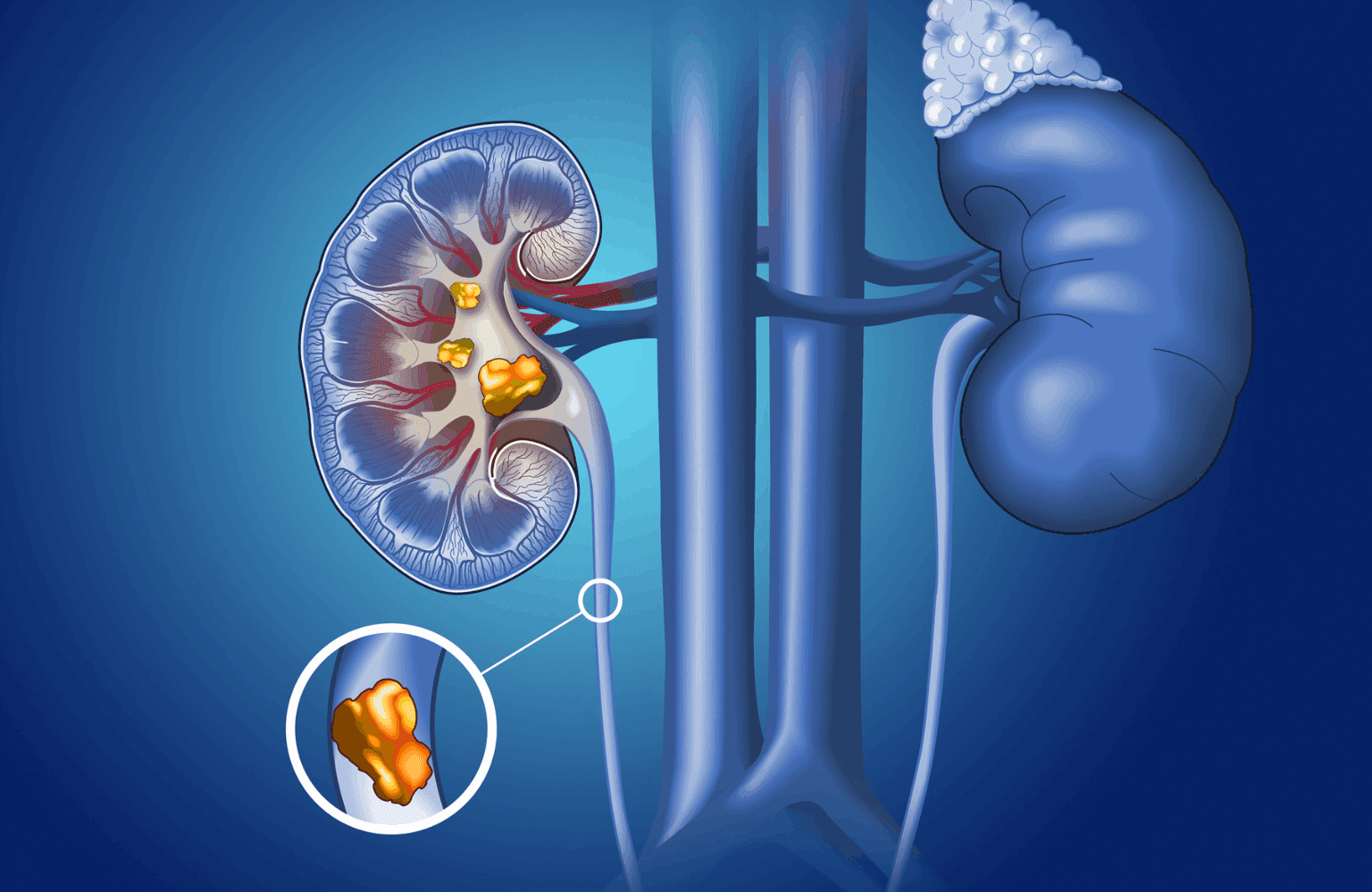
Kidney stones correlate with the Ayurvedic condition Mutrashmari where aggravated Vata dosha dries up Kapha and urine in the bladder forming a hard concretion. This process resembles wind drying up moisture resulting in severe colic. Clinical features include excruciating pain radiating from the navel to the genitals, obstructed urination, and hematuria. Ayurveda classifies stones into four types based on the dominant bio-energy or cause including Vataja, Pittaja, Kaphaja, and Shukraja. Management focuses on dissolving the stone using alkaline preparations like Yavakshara and specific herbal decoctions such as Varunadi Kwatha. Dietary inclusion of Kulattha or horse gram is essential for breaking down the mass. Therapies like Avagaha Sweda or sitz baths relieve pain while surgical extraction is advised if medicinal treatment fails.
Kidney Stones
Kidney Stones are hard deposits of minerals and salts forming inside the kidneys or urinary tract. In Ayurveda, this condition is known as Mutrashmari (or simply Ashmari) and is considered one of the “Eight Great Diseases” (Mahagada) due to severe pain. It arises when Vata, often in combination with Kapha, vitiates the urine, causing it to dry and solidify.
1. Definition
Modern Definition:
Kidney stones (renal calculi or nephrolithiasis) are solid concretions formed from minerals in the urine.
Ayurvedic Definition:
Ashmari is a disease where a hard stone forms in the urinary bladder (Basti). It occurs when Vata dosha dries up Kapha, similar to Gorochana.
2. Etymology & Conceptual Meaning
- Ashma: Stone.
- Ari: Enemy.
- Ashmari: Stone-like enemy causing pain.
Ayurveda analogizes stone formation to how wind dries moisture: Vata dries urine and semen mixed with Pitta and Kapha, leading to solidification.
3. Causes (Nidana)
Dietary Causes
- Apathyas (Unwholesome foods): Aggravates Vata and Kapha.
- Adhyashana: Eating before the previous meal is digested.
Lifestyle Causes
- Samshodhana negligence: Lack of Panchakarma and internal cleansing.
- Suppression of natural urges (urination) concentrates urine.
Physiological Factors
- Children: Smaller bladder openings, underdeveloped muscles — more prone to stones.
4. Pathogenesis (Samprapti)
- Dosha: Kapha is substrate, Vata is drying agent, Pitta contributes to burning.
- Dushya (Tissues): Mutra (Urine) and sometimes Shukra (Semen).
- Adhisthana (Site): Basti (Bladder).
Process: Vata dries Kapha/Pitta in the bladder → crystallization → stone formation.
5. Symptoms (Lakshana)
- Purvarupa (Prodromal): Adhmana (Distension), severe bladder pain, Bastigandha (Urine odor).
- Cardinal Symptoms:
- Excruciating pain in navel, bladder, perineum, penis. (Renal colic)
- Obstructed urine flow
- Sarudhiram (Hematuria)
6. Types (Bheda)
- Vataja Ashmari: Rough, thorny, intense pain.
- Pittaja Ashmari: Reddish, burning sensation.
- Kaphaja Ashmari: White, heavy, pricking pain.
- Shukraja Ashmari: Seminal stones causing difficulty urinating.
Modern correlation: Vataja → calcium oxalate, Pittaja → uric acid, Kaphaja → phosphate stones.
7. Diagnosis
- Ayurveda: Observation (Darshana), questioning (Prashna), urine analysis.
- Modern: Ultrasound, CT scans, urinalysis, blood tests.
8. Management
Ayurvedic Approach:
Bhedana (Breaking), Patana (Expelling), Shamana (Pacifying).
Diet
- Kulattha (Horse gram)
- Plenty of fluids: water, buttermilk, sugarcane juice
Medicines
- Varunadi Kwatha (Varuna bark decoction)
- Pashanabheda Ghrita
- Kshara (Alkalis), e.g., Yavakshara
- Gokshura
Panchakarma
- Avagaha Sweda (Sitz bath)
- Uttara Basti
9. Prognosis
- Curable (Sadhya): Newly formed stones or gravel (Sarkara).
- Difficult (Asadhya/Krichra): Large, chronic stones.
- Surgical: Shastrakriya (Surgery) if treatment fails.
10. Modern Correlation
• Similarities:
◦ Pain: The Ayurvedic description of colicky pain radiating to the genitals matches renal colic.
◦ Types: Vataja stones (rough/thorny) resemble Calcium Oxalate stones; Kaphaja stones (white/smooth) resemble Phosphate/Struvite stones; Pittaja (reddish) resemble Uric Acid stones.
◦ Prostate Stones: Shukraja Ashmari correlates with prostatic calculi or stones formed due to seminal stasis.
• Differences: Ayurveda emphasizes the metabolic role of "Agni" and "Vata" in drying fluids, whereas modern medicine focuses on chemical supersaturation of urine.
11. References
-
NHS – Kidney Stones (Overview, Symptoms, Causes, Treatment & Prevention)
https://www.nhs.uk/conditions/kidney-stones/ — Comprehensive information on what kidney stones are, how they form, symptoms you might notice, treatment options, and when to seek medical help. (nhs.uk)
-
Mayo Clinic – Kidney Stones Symptoms & Causes
https://www.mayoclinic.org/diseases-conditions/kidney-stones/symptoms-causes/syc-20355755 — Trusted expert guide on symptoms (pain, nausea, blood in urine) and the common causes of kidney stones. (Mayo Clinic)
-
Cleveland Clinic – Kidney Stones Causes, Symptoms & Treatment
https://my.clevelandclinic.org/health/diseases/15604-kidney-stones — A detailed article on what kidney stones are, how they form, what symptoms they cause, and how doctors diagnose and treat them. (Cleveland Clinic)
-
NDTV Hindi – गुर्दे की पथरी (Kidney Stones): लक्षण, कारण, इलाज
https://www.ndtv.in/health/gurde-ki-pathri-ki-dava-pathri-ka-ilaj-aur-lakshan-pathri-kaise-hoti-hai-kidney-stones-symptoms-cau-4534694 — हिन्दी में आसान शब्दों में किडनी स्टोन क्या है, इसके लक्षण, कारण और इलाज के बारे में जानकारी। (NDTV India)
-
1mg Hindi – गुर्दे की पथरी का इलाज, लक्षण एवं कारण
https://www.1mg.com/hi/patanjali/home-remedies-for-kidney-stone-in-hindi/ — हिन्दी में किडनी स्टोन के लक्षण, कारण और कुछ सामान्य घरेलू उपाय। (1mg)
12. FAQ Section
Q: Can Ayurvedic medicine dissolve kidney stones?
A: Yes, for certain types and sizes. Medicines like Varunadi Kwatha and Pashanabheda are specifically designed to break down (Bhedana) and dissolve stones.
Q: Is Horse Gram (Kulattha) good for kidney stones?
A: Yes. Chakradatta specifically mentions the use of Kulattha (Horse gram) soup and ghee processed with it for treating stones. It acts as a diuretic and stone-breaker.
Q: Why are children prone to stones according to Ayurveda?
A: Madhava Nidana states that children have small bladder openings and underdeveloped muscles, making it easier for stones to obstruct the flow. However, it also notes that stones in children are often easier to extract.
Q: What is the best Panchakarma treatment for stones?
A: Avagaha Sweda (Sitz bath) is highly recommended to relieve the intense pain. Basti (enema) is also used to clear Vata dosha which is responsible for the drying process that forms the stone.
Consult a Doctor
- KC5.0Dr. Kamesh chand sharma
Ayurveda2 yrs exp
- PP4.4Dr prince patel
Ayurveda22 yrs exp
- PJ5.0Dr. P. JOTEENDRA
Ayurveda2 yrs exp
- S4.6Dr. Shan
Ayurveda4 yrs exp
More on Kidney stones Symptoms and Causes
Buy Medicine
 Prescribed to you4.4₹11 cashback
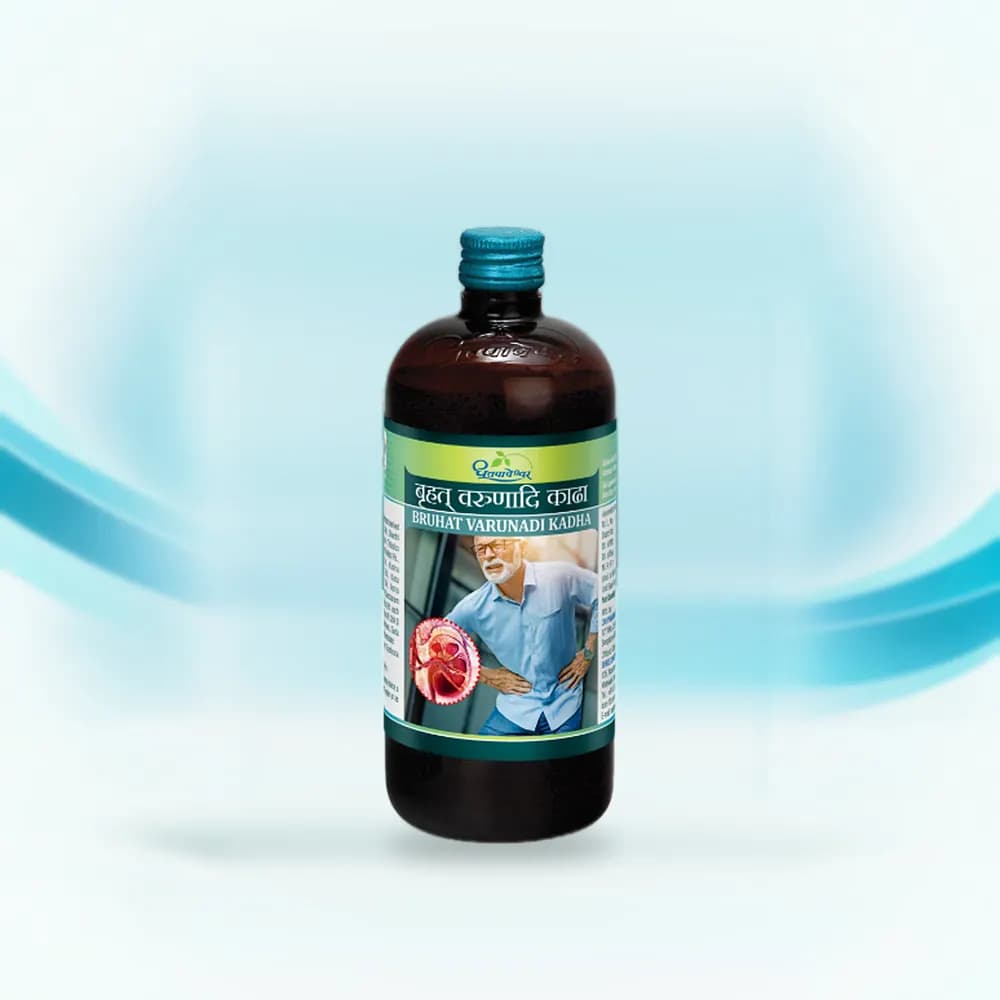
Bruhat Varunadi Kadha (Dhootapapeshwar) SDL
SDLSupports urinary comfort
Bottle of 200 ml
4.4
₹110Get ₹11 Cashback
₹12411% off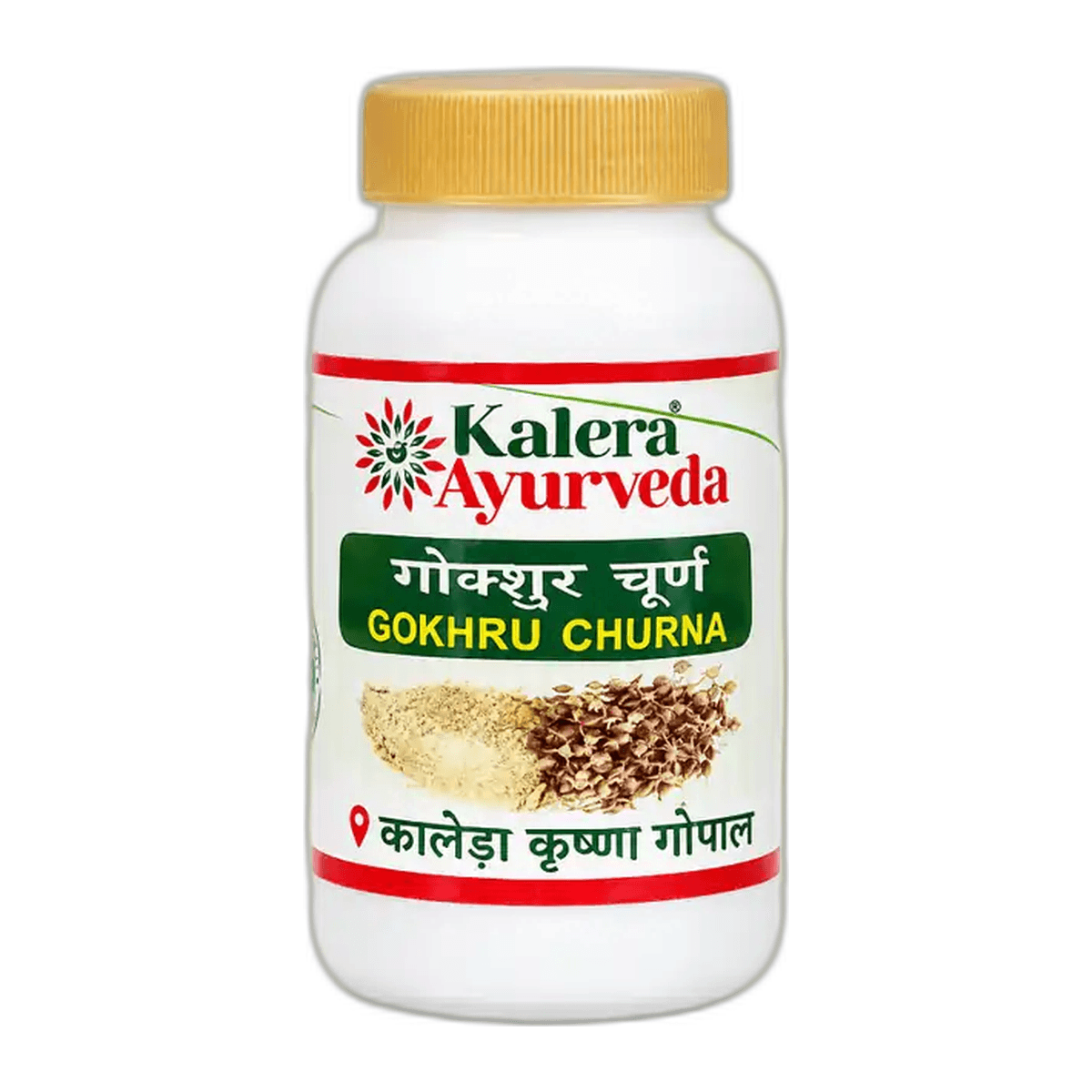 Prescribed to you4.5₹4 cashback
Gokshur (Chhota) Churna (Kalera) Kalera
Kidney & urinary tonic
Container of 50 g
4.5
₹45Get ₹4 Cashback
₹5112% off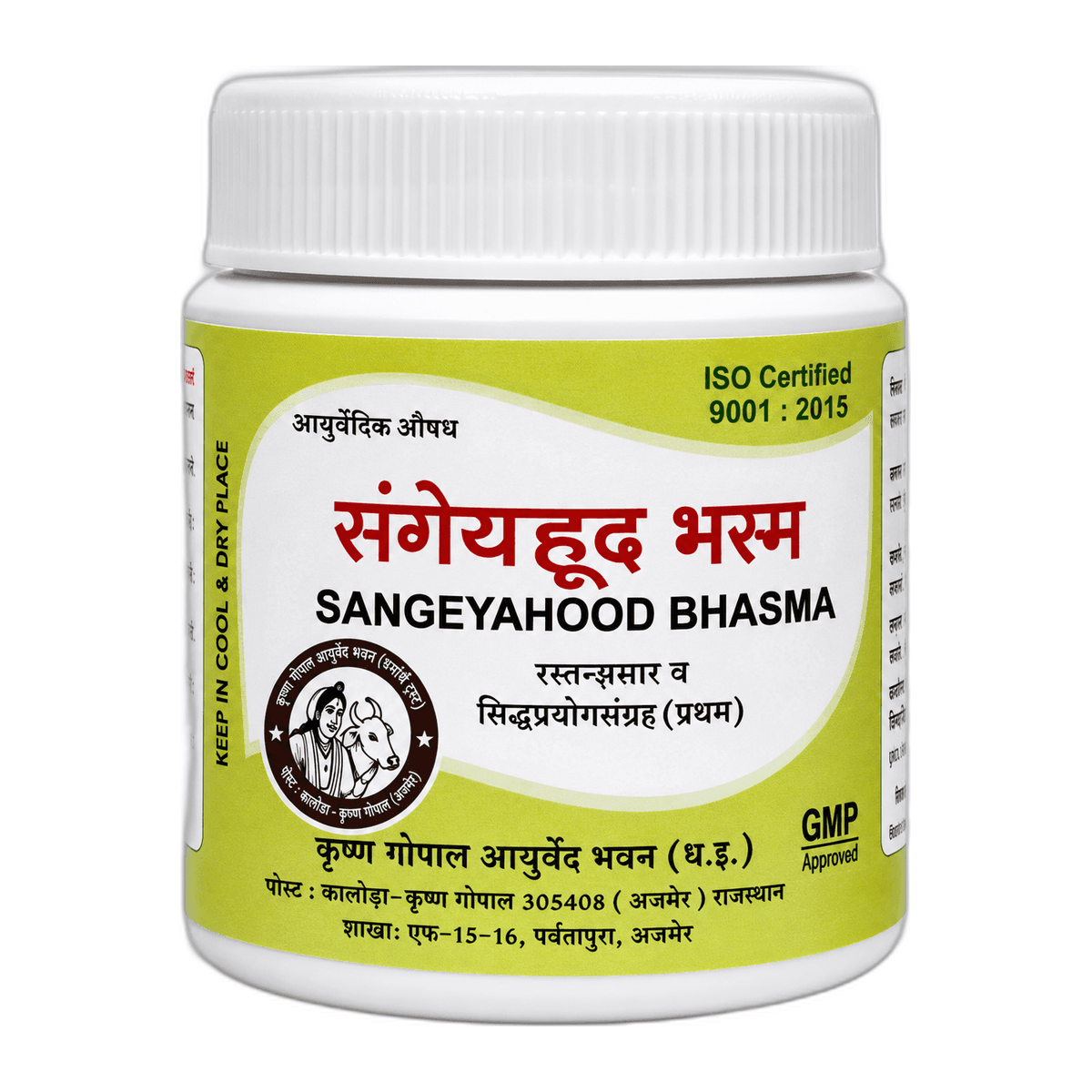 Prescribed to you4.4₹2 cashback
Sangeyahud Bhasma (Kalera)KaleraDaily support for blood purification
Container of 5 g
4.4
₹28Get ₹2 Cashback
₹3213% off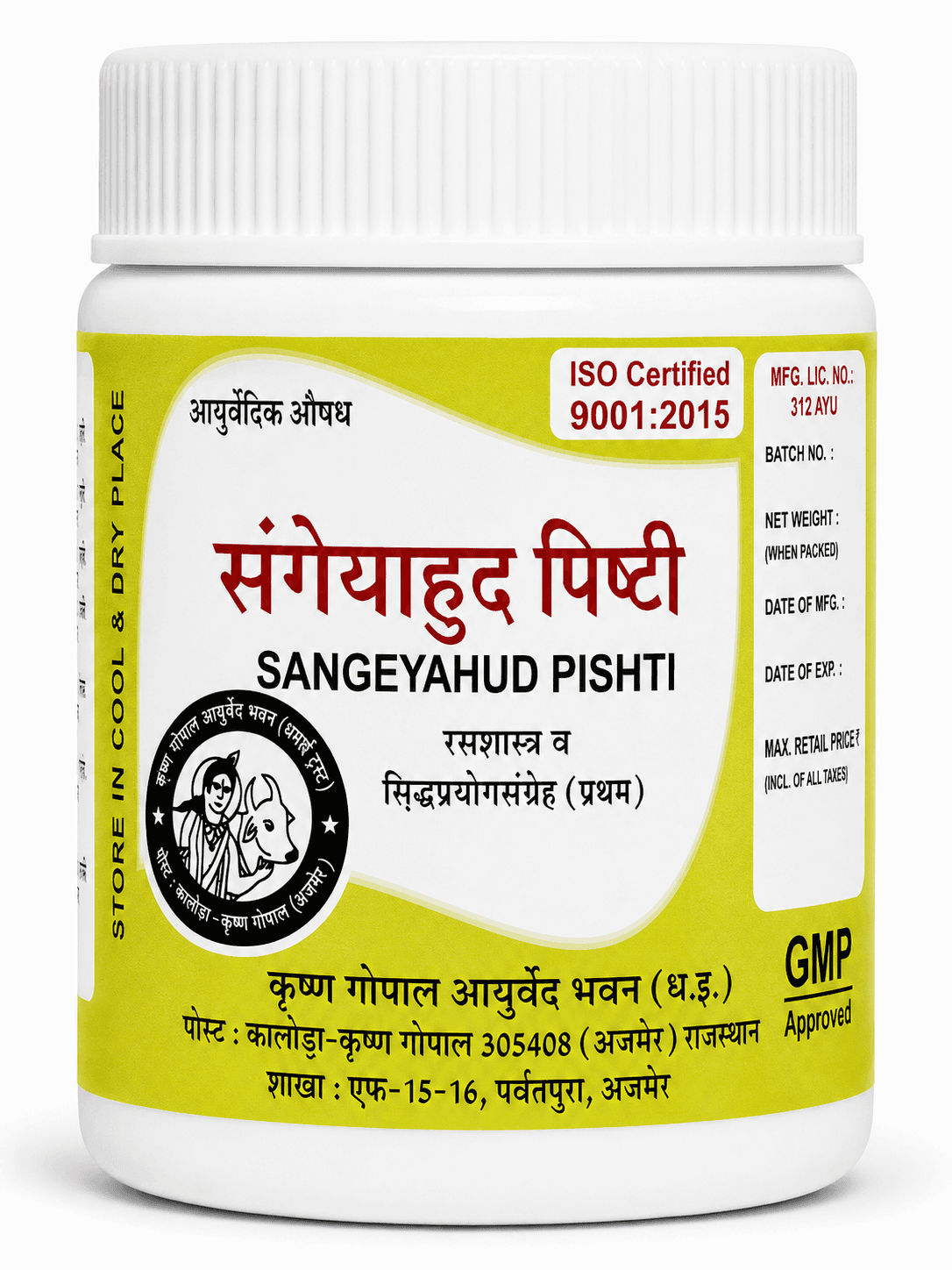 Prescribed to you4.7₹3 cashback
Sangeyahud Pishti (Kalera)KaleraSupports blood purification and pitta
5 g
4.7
₹35Get ₹3 Cashback
₹4013% off
