
Motion sickness
Reviewed by medical experts · For informational purposes only
Introductory summary
Motion sickness correlates with the Ayurvedic concepts of Chardi meaning vomiting and Bhrama meaning giddiness often triggered by Yana gamana or traveling in vehicles. This condition arises from the aggravation of Vata dosha due to constant movement and vibration which disturbs the stomach and sensory organs. The pathology involves the upward movement of Udana Vayu forcing stomach contents out. Management focuses on pacifying Vata and settling the stomach. According to the Ayurvedic Formulary of India formulations like Eladi Churna and Bilvadi Gutika are effective for controlling emesis and vertigo. Classical texts like Chakradatta also recommend the use of Ardraka or ginger and Matulunga or citron juice to check nausea and restore digestive balance during travel.
Motion Sickness
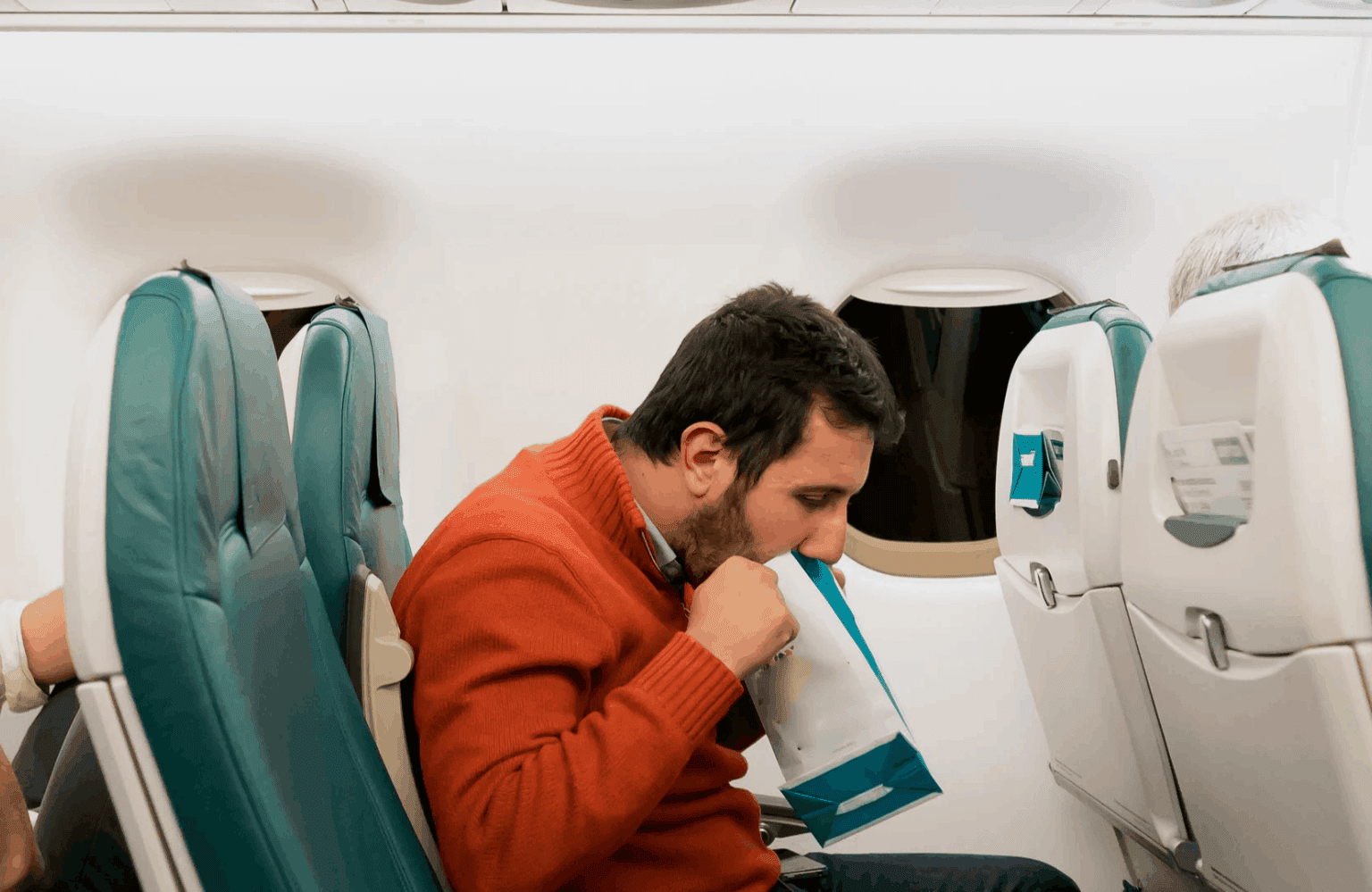
Motion Sickness is a condition characterized by nausea, vomiting, and dizziness induced by travel in a moving vehicle, such as a car, boat, or airplane. While Ayurveda does not describe "motion sickness" as a singular, independent disease entity with that exact name, the symptoms are comprehensively covered under the disorders of Chardi (Vomiting) and Bhrama (Giddiness). It is specifically attributed to the aggravation of Vata Dosha caused by the vibrations and movement of vehicles (Yana-gamana).
1. Definition
- Modern Definition: A conflict between the eyes and the inner ear's vestibular system regarding motion, leading to nausea, vomiting, and dizziness.
- Ayurvedic Definition: A state of physical distress caused by Yana-gamana (riding in vehicles), which aggravates Vata. This leads to Chardi (the expulsion of stomach contents through the mouth) and Bhrama (a sensation of spinning or instability).
2. Etymology & Conceptual Meaning
- Chardi: Derived from the root Chard, meaning to vomit. It refers to the upward expulsion of impure contents from the stomach due to the force of Udana Vayu.
- Bhrama: Refers to giddiness, vertigo, or the sensation that the surroundings are spinning.
- Conceptual Interpretation: In Ayurveda, the body naturally seeks stability (Sthirata). The constant motion of a vehicle acts as a Chala (mobile) quality that disturbs the Vata Dosha (specifically Prana and Vyana Vayu). This disturbance unsettles the Pitta (digestive heat) and Kapha (mucus) in the stomach, forcing them upward.
3. Causes (Nidana)
The primary cause is Agantuja (external factors), specifically the movement of vehicles, but dietary factors make one more susceptible.
- Lifestyle Causes:
- Dietary Causes:
- Asatmya Bhojana: Eating unwholesome or unaccustomed food before travel.
- Drava-Ahara: Excessive intake of liquid or oily foods before moving can predispose the stomach to vomiting (Chardi).
- Amla/Lavana: Excess sour or salty foods can aggravate Pitta, leading to burning sensation and nausea.
4. Journey of the Disease (Pathogenesis/Samprapti)
- Samprapti Ghataka (Components):
- Dosha: Vata (specifically Udana - upward moving, and Vyana - circulation) and Pitta (if sour/burning vomiting occurs).
- Dushya (Tissues): Rasa (Nutrient fluid) and Amashaya (Stomach contents).
- Srotas (Channels): Annavaha Srotas (Digestive tract).
- Agni: Mandagni (Weak digestive fire) makes the stomach more sensitive.
- Adhisthana (Site): Stomach (Amashaya) and Heart/Chest (Hridaya).
- Pathogenesis:
- The vibration and speed of the vehicle increase the air element (Vata) in the body.
- This aggravated Vata agitates the Doshas residing in the stomach.
- The Udana Vayu (which naturally moves upward) forces the agitated contents (food, mucus, or bile) out through the mouth (Chardi).
- Simultaneously, the Vata disturbance affects the sense organs and mind, causing Bhrama (giddiness).
5. Symptoms (Lakshana)
- Early Symptoms (Purvarupa):
- Hrillasa: Nausea or a feeling of oppression in the chest.
- Praseka: Excessive salivation.
- Daurbalya: Sudden weakness or fatigue.
- Advanced Symptoms:
6. Different Types or Classification (Bheda)
While Motion Sickness is an acute condition, it manifests differently based on the dominant Dosha involved:
- Vataja: Dominated by giddiness, dry retching, noise in the ears, and severe pain in the flanks/chest.
- Pittaja: Dominated by burning sensation (Daha), thirst, and sour or yellow vomiting.
- Kaphaja: Dominated by heaviness, excessive salivation (Praseka), and sweet or mucus-laden vomiting.
- Drishtarthaja: Nausea triggered by seeing unpleasant sights or movement (visual-vestibular conflict).
7. Diagnosis
- Ayurvedic Diagnosis (Roga Pariksha):
- Differential Diagnosis:
- Must be distinguished from Visuchika (Gastroenteritis) where vomiting is accompanied by diarrhea and is not linked to motion.
8. Disease Management
Management focuses on Vata-Pitta Shamana (pacifying Vata and Pitta) and Stambhana (checking the upward urge).
Diet (Ahara)
- Laghu Ahara: Light food. Fasting (Langhana) is highly recommended if nausea is present.
- Dry Foods: Consumption of dry items like Laja (parched rice) or roasted chickpeas helps absorb excess fluid in the stomach and stop vomiting.
- Lemon and Ginger: The juice of Matulunga (Citron/Lemon) or Ardrak (Ginger) is specific for checking nausea and vomiting.
Lifestyle (Vihara)
- Rest: Lying down helps settle the Vata.
- Avoid: Reading or focusing on close objects during travel.
- Sheetala Upachara: Cool fresh air or sprinkling cold water on the face helps relieve fainting (Murcha) and giddiness.
Medicines
- Eladi Churna / Gutika: A formulation containing Cardamom (Ela) and other spices. It is indicated for Chardi (vomiting), Bhrama (giddiness), and Murcha (fainting).
- Bilvadi Gutika: Indicated for insect bites but also listed for Bhrama (vertigo) and Chardi (vomiting).
- Mayurapiccha Bhasma: Ash of peacock feather is a classical remedy mentioned in texts like Chakradatta specifically for intractable vomiting and hiccups.
- Drakshadi Lehya: Useful for fatigue and giddiness (Bhrama) associated with travel.
- Matulungadi Yoga: A combination involving citron juice, useful for vomiting.
Panchakarma
- Nasya: Application of medicated drops (or simple herbal juices like Durva) can help clear the head and stop nausea.
- Shirodhara: Pouring medicated oils or liquids on the forehead is indicated for Bhrama (giddiness) and anxiety related to travel.
9. Prognosis
- Sadhya (Curable): Motion sickness is generally an acute, self-limiting condition (Sadhya). Symptoms usually vanish once the motion stops and the Doshas settle.
- Factors Affecting Prognosis: It can be difficult to manage if the person is already suffering from Amlapitta (hyperacidity) or Hridroga (heart conditions).
10. Modern Correlations
- Similarities: The Ayurvedic description of Bhrama (spinning) and Chardi (vomiting) triggered by Yana (vehicles) matches the vestibular disturbance of Motion Sickness.
- Differences: Modern medicine focuses on the vestibular system (inner ear). Ayurveda focuses on the agitation of Vata dosha in the stomach and sensory channels.
- Limitations: Ancient texts focus more on the systemic treatment of vomiting rather than the specific vestibular mechanism.
11. References
-
World Health Organization (WHO) – Balance and vestibular disorders
https://www.who.int/teams/health-product-policy-and-standards/standards-and-specifications
-
Centers for Disease Control and Prevention (CDC) – Motion sickness
https://wwwnc.cdc.gov/travel/page/motion-sickness
-
National Institute on Deafness and Other Communication Disorders (NIDCD – NIH) – Motion sickness
https://www.nidcd.nih.gov/health/motion-sickness
-
Mayo Clinic – Motion sickness
https://www.mayoclinic.org/diseases-conditions/motion-sickness
-
StatPearls (NCBI Bookshelf) – Motion Sickness
https://www.ncbi.nlm.nih.gov/books/NBK513291/
-
National Health Portal of India – मोशन सिकनेस (Motion Sickness)
https://www.nhp.gov.in/disease/ear-nose-throat/motion-sickness
-
Ministry of Health & Family Welfare, Government of India – यात्रा स्वास्थ्य
https://www.mohfw.gov.in/
12. FAQ Section
Q: What is the best Ayurvedic remedy for travel sickness?
A: Eladi Gutika (pills made with cardamom) or simply chewing on Ela (Cardamom) and Lavanga (Clove) is highly effective for nausea and dizziness.
Q: Should I eat before traveling?
A: A heavy meal should be avoided. However, traveling on a completely empty stomach can also aggravate Vata. It is best to have light, dry food (like crackers or parched rice).
Q: Does Ginger help with motion sickness?
A: Yes. Ardraka (Ginger) is mentioned in Chakradatta and other texts as a key ingredient for stopping vomiting (Chardi) and digestive disturbances.
Q: Why do I feel dizzy in a car according to Ayurveda?
A: This is called Bhrama. It is caused by the Chala (moving) quality of the vehicle increasing the Vata Dosha in your body, which destabilizes your senses.
Q: Can lemon juice help?
A: Yes. The juice of Matulunga (Citron) or Nimbuka (Lemon) mixed with a little rock salt and honey is a classical remedy to check vomiting and nausea.
Consult a Doctor
- SP4.5Dr Sreelekha P Nair
Ayurveda6 yrs exp
- SJ3.9SUMEDH JOSHI
Ayurveda7 yrs exp
- VH3.9Vaidya Harsh
Ayurveda9 yrs exp
- GG3.0Dr GN Govinda
Ayurveda1 yrs exp