Daruhaldi Benefits and Uses
Reviewed by medical experts · For informational purposes only
Introductory summary
Daruhaldi scientifically known as Berberis aristata is a significant Ayurvedic herb often called Tree Turmeric. It is used in various forms including the dried stem and fruit. The fruit possesses Sweet and Sour tastes with Cold potency and Light Dry qualities making it effective in pacifying Pitta dosha. It is primarily indicated for digestive disorders like diarrhea known as Atisara vomiting and liver enlargement or Yakrdudara. The stem extract known as Rasanjana is highly valued for treating eye diseases skin disorders like Kushtha and metabolic conditions like Prameha or diabetes. It also helps in checking excessive discharges like leucorrhea. The Ayurvedic Pharmacopoeia of India recommends a dosage of 3 to 5 grams of the fruit powder often taken to treat blood disorders and fever.
Daruhaldi
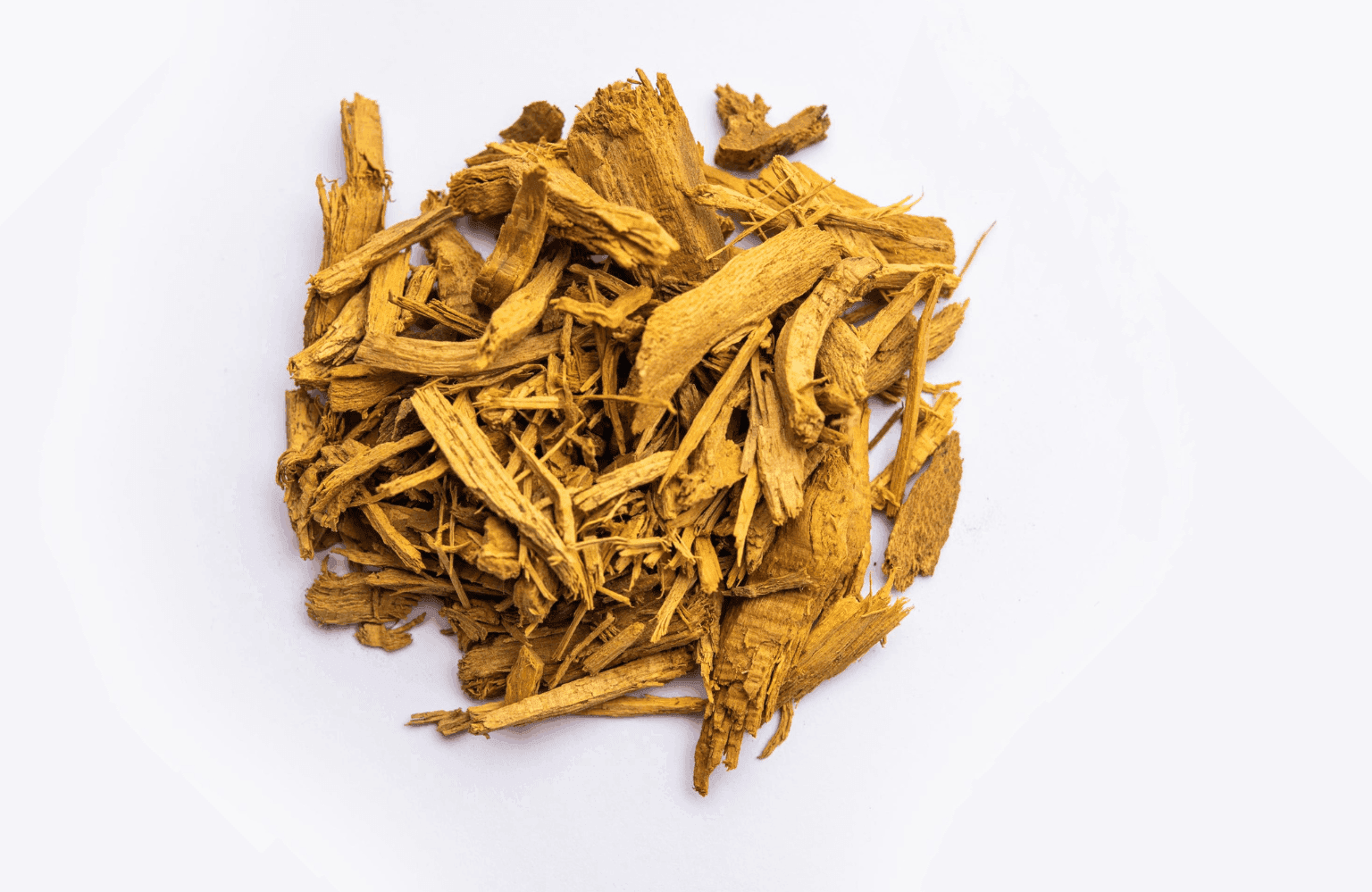
Daruhaldi, scientifically known as Berberis aristata, is a revered herb in Ayurveda, often called "Tree Turmeric" due to its yellow wood and similar properties to Turmeric (Haridra). While the stem is widely used for treating diabetes and skin diseases, the fruit (known as Zarishk) is a potent remedy for digestive and liver disorders. It is also the source of Rasanjana, a concentrated extract highly valued for treating eye diseases.
1. Name of the Herb
- Common Name: Daruhaldi, Indian Barberry.
- Scientific Name: Berberis aristata DC.
- Sanskrit Names: Dāruharidrā, Dārvī, Dāruniśā.
- Regional Names: Daruharidra (Bengali/Oriya), Daruhalda (Marathi), Daruhaldi (Hindi/Punjabi), Maradarisina (Kannada), Maramaanjal (Malayalam), Manupasupu (Telugu), Zarishk (Urdu - specifically the fruit).
2. Brief Description
Daruhaldi is an erect, glabrous, spinescent shrub found in the Himalayas (between 2000 to 3000 m) and Nilgiri hills. It is historically significant for its capacity to treat "blood disorders" and "metabolic issues." The plant produces berries that turn from bright red to blue-black when mature. In Ayurveda, it is considered a specific remedy for eye ailments (Netraroga) and is a key ingredient in formulations for skin health and liver support.
3. Source / Part Used
- Plant Source: Herbal / Plant-based (Shrub).
- Part Used:
- Fruit (Phala): Dried berries.
- Stem (Kānda): Dried stem wood.
- Extract (Rasāñjana): A solid extract derived from the stem/roots.
4. Ayurvedic Properties
According to the Ayurvedic Pharmacopoeia of India (specifically for the Fruit), the properties are:
- Rasa (Taste): Madhura (Sweet) and Amla (Sour). (Note: The stem is traditionally known to be Tikta/Bitter).
- Guna (Qualities): Laghu (Light) and Rūkṣa (Dry).
- Virya (Potency): Śīta (Cold).
- Vipaka (Post-digestive effect): Kaṭu (Pungent).
- Dosha Effect: Pitta-shamana (Pacifies Pitta) and balances Kapha.
5. Key Benefits
- Supports Liver Health: Effective in treating enlargement of the liver (Yakṛdudara) and restoring appetite.
- Eye Care: The stem extract (Rasanjana) and decoctions are renowned for treating conjunctivitis (Abhiṣyanda) and other eye diseases (Netraroga).
- Skin Health: Used to treat erysipelas (Visarpa), itching (Kandu), and skin diseases (Kushtha).
- Digestive Aid: The fruit is used for treating diarrhea (Atisāra) due to its binding nature, and helps with indigestion (Agnimāndya).
- Metabolic Support: Used in formulations for Prameha (urinary disorders/diabetes).
6. Uses / Indications
Daruhaldi is indicated in Ayurveda for the following conditions:
- Digestive Disorders: Atisāra (Diarrhea), Aruci (Tastelessness), Chardi (Vomiting), and Hṛllāsa (Nausea).
- Blood & Liver: Raktavikāra (Disorders of blood), Yakṛdudara (Liver enlargement/Hepatomegaly), and Pāṇḍu (Anemia).
- Fever: Jvara (Fever) and Viṣamajvara (Intermittent fever).
- Oral Health: Used in Mukharoga (Disease of mouth) and throat disorders.
- Women's Health: Used in Pradara (Excessive vaginal discharge) and Yonidoṣa.
7. How It Works
- Chemical Constituents: The plant contains major alkaloids such as Berberine, oxyberberine, berbamine, and palmatine.
- Mechanism:
- Stambhana (Binding): The fruit acts as a Viṣṭambhī agent, making it effective in checking diarrhea and stopping excessive discharges.
- Cooling & Purifying: Its Śīta (Cold) potency and bitter principles help purify the blood (Raktaśodhaka) and reduce inflammation in skin disorders and liver conditions.
- Antimicrobial: Used in mouth and eye washes to treat infections and ulcers.
8. Dosage
- Powder (Churna): 3 to 5 grams (specifically for the fruit).
- Decoction (Kwatha): 50 to 100 ml (General dosage for stem bark decoctions).
- Extract (Rasanjana): Used in smaller quantities, often applied externally or taken in pill form.
9. Safety Information
Daruhaldi is generally considered safe when used in the recommended dosage for therapeutic purposes. It is a common ingredient in formulations for children (e.g., Kumārakalyāṇa Rasa) and general health tonics.
10. Side Effects
- Constipation: The fruit is described as Viṣṭambhī (constipating). Excessive use may lead to constipation or abdominal distension in sensitive individuals.
- Dryness: Its Rūkṣa (Dry) quality may increase dryness in the body if taken for long periods without unctuous substances (like ghee).
11. Precautions
- Pregnancy: While used for certain gynecological disorders (Pradara), formulations containing potent alkaloids should be used under physician guidance during pregnancy.
- Medical Conditions: Patients with severe constipation should use it cautiously due to its binding nature.
12. Storage Instructions
Store the dried fruits or stem powder in a cool, dry place, protected from moisture and light to preserve the alkaloid content.
13. References
- Sharma D. et al. (2022) – Daruharidra (Berberis aristata DC): A Solution to Ailments in Present and Future
– Overview of B. aristata distribution, therapeutic uses (e.g., jaundice, ulcers), berberine chemistry, and conservation concerns. Published in International Journal of Ayurveda and Pharma Research. DOI: 10.47070/ijapr.v10i9.2486 (ijapr.in) - A Precise Study on Berberis aristata – Pharmacognostic & Phytochemical Analysis
– Detailed description of plant morphology and phytoconstituents (berberine, barbamine, etc.) and pharmacological actions (antibacterial, antiprotozoal). International Journal of Current Pharmaceutical Research. DOI: 10.22159/ijcpr.2022v14i6.2057 (Innovare Academics Journals) - Daruharidra: Review Based on its Ayurvedic Properties
– A review summarizing historical/traditional use, pharmacological actions like antimicrobial, anti-inflammatory, hepatoprotective activities. International Journal for Research in Applied Sciences and Biotechnology (2021). (ijrasb.com) - Phyto-Pharmacology of Berberis aristata (Journal of Drug Delivery and Therapeutics)
– Review on phytochemical constituents (berberine, palmatine, etc.) and ethnopharmacological uses (diarrhea, jaundice, urinary disorders). DOI: 10.22270/jddt.v1i2.34 (Drug Delivery Journal) - Daruharidra (Berberis aristata): An Important Ayurvedic Medicinal Plant – World Journal Review
– Discusses broad traditional uses (skin, hepatic, diarrhea, malaria) and notes species interchange in markets. World Journal of Current Medical and Pharmaceutical Research (2023). DOI: 10.37022/wjcmpr.v5i5.296 (wjcmpr.org) - Berberis aristata (Daruhaldi / Daruharidra) is a medicinal shrub in the Berberidaceae family widely used in Ayurveda and traditional medicine. (ijapr.in)
14. FAQs
** **Q. Can it be taken daily?
It is typically used for specific therapeutic conditions (like diarrhea, skin issues, or high blood sugar) rather than as a daily supplement for healthy individuals.
Q. When should it be taken?
For digestive issues, it is often taken with honey or water. For eye ailments, the extract (Rasanjana) is applied or taken as directed by a physician.
Q. Can it be taken with milk/water?
Yes. Formulations like Tiktaka Ghrita (containing Daruhaldi) are often taken with warm water or milk. The powder can be taken with water or honey.
Consult a Doctor
- KC5.0Dr. Kamesh chand sharma
Ayurveda2 yrs exp
- PP4.4Dr prince patel
Ayurveda22 yrs exp
- KH4.4Dr Kowshalya H S
Ayurveda3 yrs exp
- AK4.8Dr. Amalnath K Viswanathan
Ayurveda4 yrs exp