Dysentery
Reviewed by medical experts · For informational purposes only
Introductory summary
Dysentery, known in Hindi as Pechish and in modern medicine as dysentery, is a gastrointestinal disorder where aggravated Vata repeatedly expels small quantities of stool mixed with mucus. This condition is characterized by intense straining or tenesmus and sharp abdominal pain. Ayurveda classifies it into four main types: Vataja, Pittaja, Kaphaja, and Raktaja, the latter of which involves blood and correlates with bacillary dysentery. Excessive consumption of pungent or heavy foods often acts as a primary cause. Management focuses on clearing toxins and includes the use of buttermilk or specific formulations like Ushirasava, Bola Parpati, and Eladi Ghrita. These remedies help stabilize the digestive fire and restore internal balance.
Dysentery
Pravahika, commonly known in modern medicine as Dysentery and in Hindi as Pechish, is a gastrointestinal disorder characterized by the frequent passage of small amounts of stool accompanied by mucus and severe straining. In the Ayurvedic tradition, it is viewed as a specific manifestation of digestive impairment where the body's internal "wind" or Vata forces out accumulated mucus.
1. Definition
Pravahika is an intestinal condition where an individual passes stools repeatedly in small quantities, mixed with mucus (Kapha) and occasionally blood (Rakta), typically accompanied by abdominal pain and an intense urge to evacuate despite the small volume passed.
2. Etymology & Conceptual Meaning
- Literal Meaning: The name is derived from the Sanskrit word "Pravahana," which means "to strain" or "to push with effort".
- Ayurvedic Interpretation: Conceptually, it is often treated as a specialized or advanced stage of Atisara (diarrhea). While diarrhea involves the free flow of watery stools, Pravahika involves stool that is "stuck" due to sticky toxins (Ama), requiring the body to use force to expel it.
3. Causes (Nidana)
Ayurveda identifies several factors that trigger this condition:
- Dietary Causes: Consuming food in excessive quantities, eating when the previous meal is not yet digested, and intake of food that is heavy, cold, or too unctuous.
- Lifestyle Causes: Suppression of the natural urge to defecate, excessive physical exertion, and irregular eating habits.
- Psychological Factors: Intense emotions such as fear, grief, and anxiety can disturb the digestive process and lead to tissue depletion.
4. Journey of the Disease (Samprapti)
The journey of Pravahika through the body involves several components known as Samprapti Ghataka:
- Dosha: Primarily involves aggravated Vata (which causes the straining and pain) and Kapha (which manifests as mucus in the stool).
- Dushya (Affected Tissues): The plasma (Rasa), blood (Rakta), and waste matter (Purisha).
- Srotas (Channels): It affects the Purishavaha Srotas (the channels carrying feces).
- Agni (Digestive Fire): A state of Mandagni (weakened digestive fire) is always the starting point.
- Ama (Toxins): The presence of Ama (undigested toxic waste) makes the stools sticky and difficult to pass.
- Adhisthana (Location): The disease resides in the Pakvasaya (large intestine) and Guda (rectum).
5. Symptoms (Lakshana)
- Early Symptoms: Loss of appetite, a heavy feeling in the abdomen, indigestion, and mild nausea.
- Advanced Symptoms: Passing small amounts of stool frequently with severe straining (Pravahana), presence of visible mucus or "phlegm," sharp cutting pain in the rectum (Shula), and exhaustion.
6. Classification (Bheda)
Ayurveda classifies Pravahika based on the dominant biological force (Dosha) involved:
- Vataja: Characterized by severe pain and dry, frothy stools.
- Pittaja: Involves yellowish or greenish stools with a burning sensation.
- Kaphaja: Primarily involves large amounts of white, slimy mucus.
- Raktaja: Characterized by the presence of blood, often correlated with Bacillary Dysentery.
7. Diagnosis
- Ayurvedic Diagnosis (Roga-Rogi Pariksha): The physician examines the stool for mucus and blood while assessing the patient's digestive strength (Agni) and overall vitality.
- Differential Diagnosis: It is distinguished from simple Atisara (diarrhea) by the specific presence of tenesmus (straining) and the sticky nature of the waste.
8. Disease Management
Management focuses on clearing toxins and restoring the digestive fire.
- Diet (Ahara): Intake of light, easily digestible liquids like gruel (Peya), buttermilk (Takra), and fruits like pomegranate (Dadima) and unripe wood apple (Bilva).
- Lifestyle (Vihara): Complete rest is advised, along with maintaining strict hygiene to prevent the spread of infection.
- Medicines: Common formulations include Ushirasava for cooling, Talisadya Churna for digestion, and Arogyavardhini Gutika for chronic cases. For bloody dysentery, Trinakantamani Pishti is often used.
- Panchakarma: Medicated enemas (Vasti), specifically Anuvasana Vasti (oil-based) using Dhanvantara Taila, are used to soothe the rectum and balance Vata.
9. Prognosis
- Early Prognosis: If treated during the initial stages when the patient is strong, it is easily curable.
- Chronic Prognosis: Cases that have become deep-seated or involve significant tissue wasting (Ksaya) are considered difficult to cure or require long-term management (Palliable).
- Factors: The outcome depends heavily on the strength of the patient's Agni and their obedience to the dietary regimen.
10. Modern Correlations
- Similarities: Ayurvedic Pravahika correlates strongly with modern Amoebic and Bacillary Dysentery due to the shared symptoms of mucus and blood in the stool.
- Differences: While modern medicine focuses on eliminating specific bacteria or parasites, Ayurveda focuses on balancing the Doshas and strengthening the digestive fire to prevent the recurrence of the disease.
- Limitations: Traditional Ayurvedic texts do not use microscopic identification of pathogens, relying instead on clinical symptoms and stool characteristics.
11. References
-
WHO – Diarrhoeal Disease
https://www.who.int/news-room/fact-sheets/detail/diarrhoeal-disease
WHO explains that diarrheal diseases are commonly caused by contaminated food and water and can lead to severe dehydration. (World Health Organization)
-
Britannica – Dysentery Definition
Dysentery | Definition, Types, Spread, & Prevention | Britannica
Dysentery is an intestinal infection causing inflammation, abdominal pain, and diarrhea with blood or mucus. (Encyclopedia Britannica)
-
Cleveland Clinic – Dysentery Symptoms & Causes
Dysentery: Causes, Symptoms, Diagnosis & Treatment
It may be caused by bacteria like Shigella or parasites like Entamoeba histolytica. (Cleveland Clinic)
-
1mg – Dysentery Overview
Dysentery: View Causes, Symptoms and Treatments | 1mg
Explains causes, symptoms, prevention, and treatment of dysentery.
-
WHO – Dysentery
WHO explains that dysentery is bloody diarrhea caused by infections and may become fatal due to dehydration.
-
Dysentery Overview
https://www.health.com/dysentery-7970836
- Causes, symptoms, complications, and treatment. (Health)
-
Verywell Health – Dysentery
https://www.verywellhealth.com/watery-diarrhea-overview-4582424
-
Prevention through hygiene and clean water. (Verywell Health)
12. FAQ Section
-
-
Is Dysentery contagious?
Yes, in its infectious forms (like Raktapravahika), it can spread, which is why Ayurveda emphasizes hygiene and Sadvritta (noble conduct/cleanliness).
-
Can I eat spicy food?
No, "Apathya" (unwholesome) items like pungent, spicy, and heavy foods should be strictly avoided as they aggravate Pitta and further damage the gut lining.
-
Are Ayurvedic medicines safe for children?
Yes, but they must be administered in specific mild doses, such as using Aravindasava, under the supervision of an expert.
Consult a Doctor
- MS4.2Midun s kumar
Ayurveda4 yrs exp
- SP4.5Dr Sreelekha P Nair
Ayurveda6 yrs exp
- VR4.2Vaidya Rohit Kumar
Ayurveda3 yrs exp
- V4.1Vairamuthu
Ayurveda8 yrs exp
Buy Medicine
 Prescribed to you4.3₹59 cashback
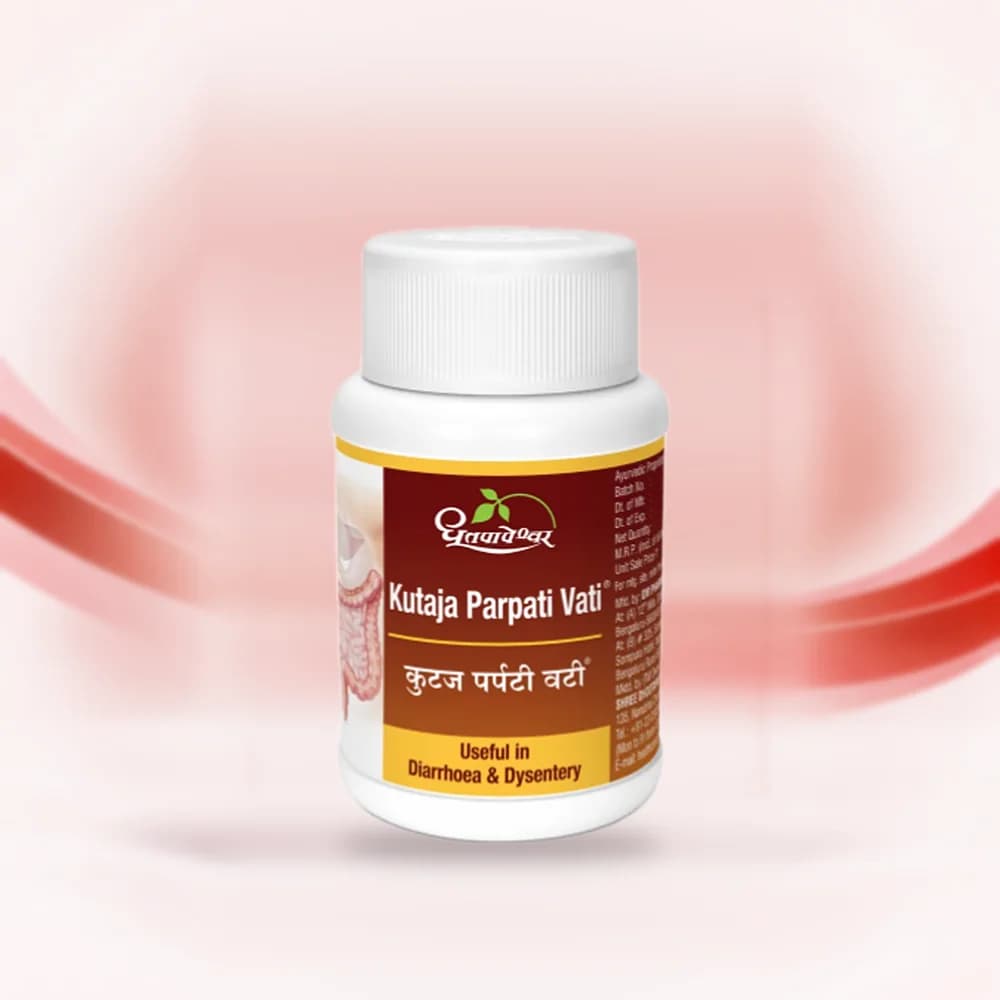
Kutaja Parpati Vati (Dhootapapeshwar) SDL
SDLSupports digestive health
Strip of 60 Tablets
4.3
₹595.01Get ₹59 Cashback
 Prescribed to you4.4₹9 cashback
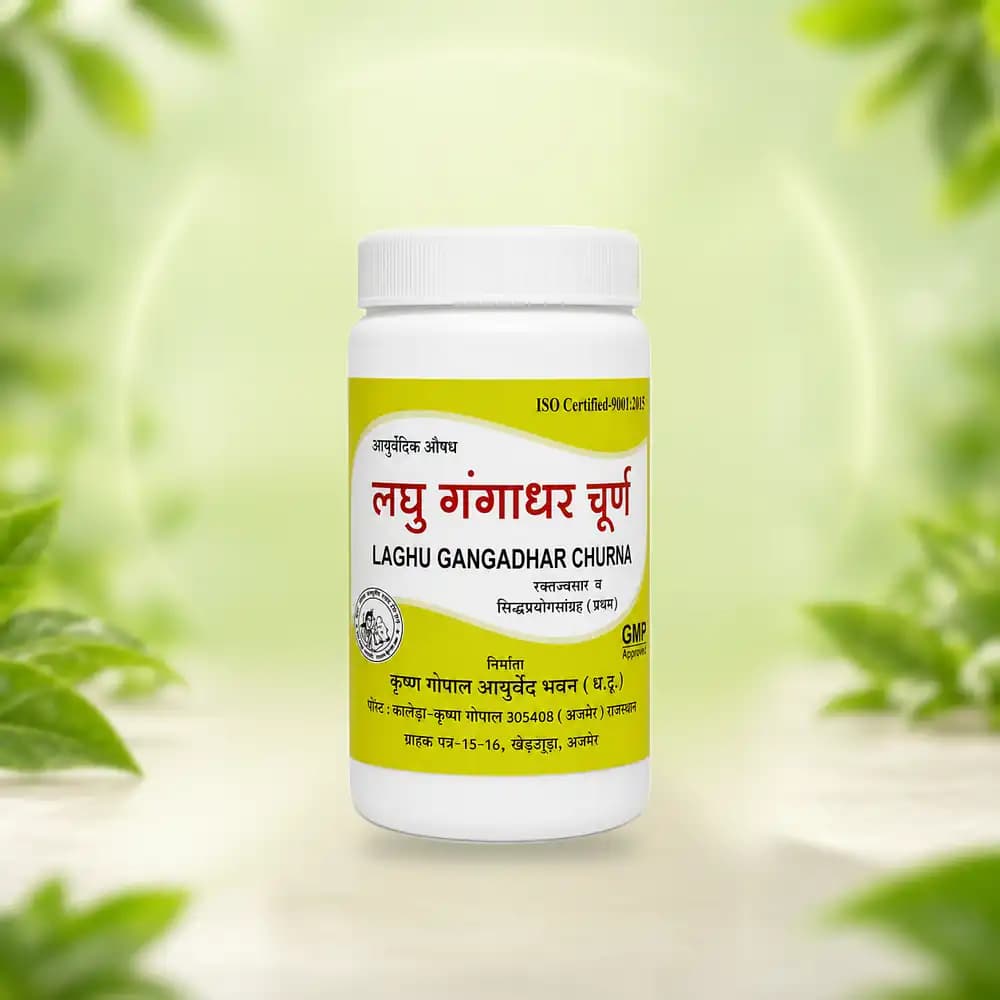
Laghu Gangadhar Churna (Kalera) Kalera
Diarrhea & dysentery relief
Container of 100 g
4.4
₹90Get ₹9 Cashback